

 English
 中文简体
中文简体Vacuum Bottle-HS-004A
Cat:Airless Bottle
Item No Capacity Diameter(∅) Height HY-004A- 5ML 5ML 26mm 84mm HY-004A- 10ML 10ML 26mm 96mm HY-004A- 15ML 15ML 26mm 110mm HY-004A- 20ML 20...
See DetailsA cosmetic airless bottle is an advanced packaging solution designed to dispense skincare, cosmetic, and personal care products without allowing air to enter the container. Unlike traditional packaging that relies on dip tubes or open pumps, airless bottles use a vacuum or piston system to push the product upward as it is dispensed. This structure significantly reduces product exposure to oxygen, bacteria, and external contaminants.
Cosmetic airless bottle packaging has become increasingly popular in the beauty and personal care industry, especially for high-end skincare, organic cosmetics, and sensitive formulations. Its ability to preserve product integrity and extend shelf life makes it a preferred choice for both brands and consumers.
Traditional cosmetic packaging includes a wide range of formats such as jars, squeeze tubes, standard pump bottles, and dropper bottles. These packaging types have been widely used for decades due to their simplicity, low cost, and ease of production.
However, most traditional packaging designs expose products to air during each use. For example, jars require repeated opening, and pump bottles with dip tubes allow air to flow back into the container. Over time, this exposure can negatively affect product stability, texture, and effectiveness.
The most significant advantage of a cosmetic airless bottle is its superior ability to protect the formula.
This difference is especially critical for products containing active ingredients such as vitamin C, retinol, peptides, or natural extracts.
By limiting oxygen exposure, cosmetic airless bottle packaging helps maintain formula stability over a longer period.
This makes airless bottles particularly suitable for clean beauty and preservative-free formulations.
Hygiene is a growing concern among consumers, especially for skincare and cosmetic products applied directly to the face.
Airless packaging offers a more sanitary user experience, aligning with modern hygiene expectations.
Cosmetic airless bottle designs are engineered to maximize product evacuation.
Less waste translates into better value for consumers and improved sustainability performance for brands.
Ease of use is another area where cosmetic airless bottle packaging stands out.
Traditional packaging may experience clogging, uneven dispensing, or product backflow.
Cosmetic airless bottle packaging often features sleek, modern designs that appeal to premium and professional brands. Clean lines, matte finishes, and customizable components enhance shelf appeal.
Traditional packaging also offers customization, but airless bottles are increasingly associated with innovation and high performance.
While some cosmetic airless bottle designs use multiple components, newer models focus on mono-material structures and recyclable plastics.
Jars and tubes often result in unused product disposal and may rely on mixed materials that are harder to recycle.
When evaluated holistically, airless packaging can offer sustainability advantages despite higher initial material complexity.
Cosmetic airless bottle packaging generally has a higher unit cost compared to traditional packaging.
Despite higher upfront costs, airless bottles can reduce product returns, extend shelf life, and enhance brand positioning. These factors often offset the initial investment.
Traditional packaging remains suitable for products with high stability requirements or frequent formula changes, such as body lotions or rinse-off products.
Cosmetic airless bottle packaging is ideal for creams, serums, gels, and emulsions. Products with extremely high viscosity or granular textures may require specific pump designs.
Airless systems reduce the need for strong preservatives but do not always eliminate them entirely. Formulation requirements still depend on ingredients and usage conditions.
Many modern cosmetic airless bottle designs are recyclable, especially mono-material or refillable versions. Recycling depends on local facilities and material selection.
Premium brands value the enhanced protection, hygiene, and sophisticated appearance offered by cosmetic airless bottle systems, which align with high-performance product positioning.
Airless bottles provide more consistent and controlled dispensing, reducing overuse and ensuring accurate application.
The cosmetic industry continues to prioritize product safety, sustainability, and user experience. As formulations become more sensitive and consumer expectations rise, the cosmetic airless bottle is expected to gain even wider adoption.
Innovations such as refillable systems, biodegradable materials, and smart dispensing mechanisms will further distinguish airless packaging from traditional cosmetic containers, reinforcing its role as a next-generation packaging solution.
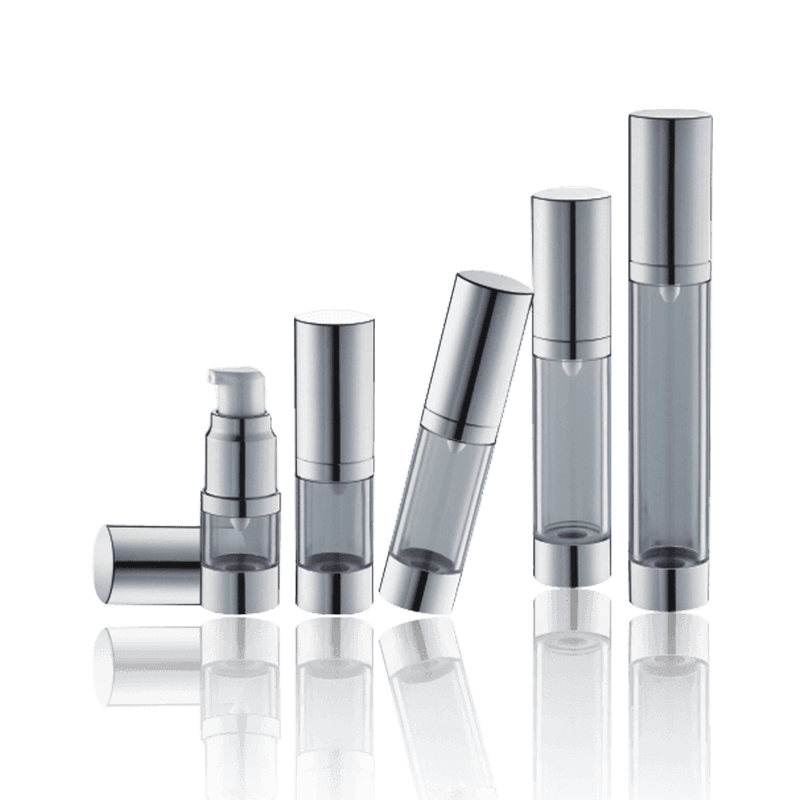
Item No Capacity Diameter(∅) Height HY-004A- 5ML 5ML 26mm 84mm HY-004A- 10ML 10ML 26mm 96mm HY-004A- 15ML 15ML 26mm 110mm HY-004A- 20ML 20...
See Details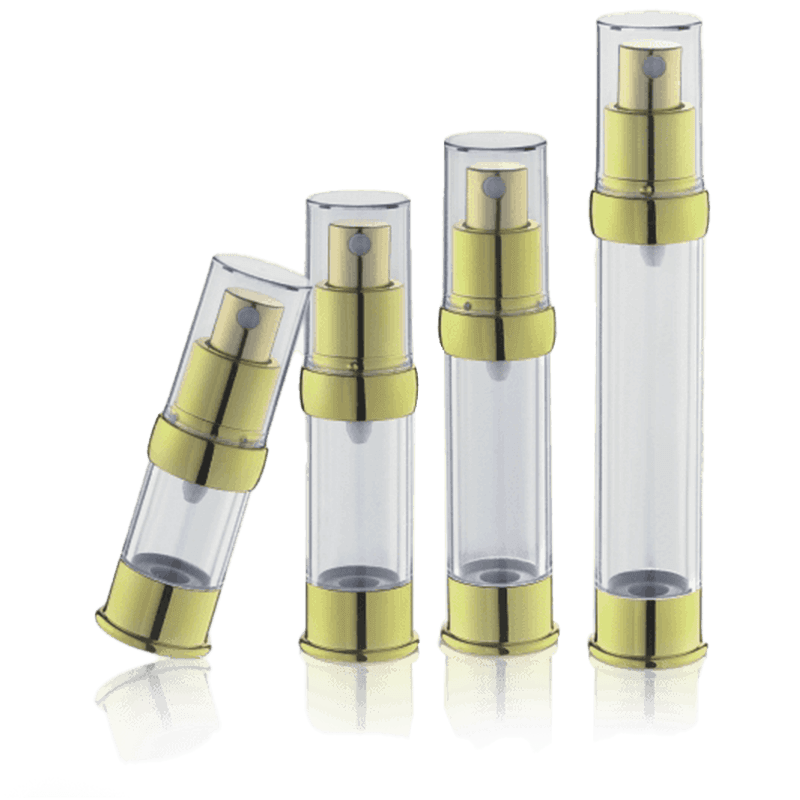
Item No Capacity Diameter(∅) Height HY-005B- 10ML 10ML 26mm 95mm HY-005B- 15ML 15ML 26mm 110mm HY-005B- 20ML 20ML 26mm 126mm HY-005B- 30ML...
See Details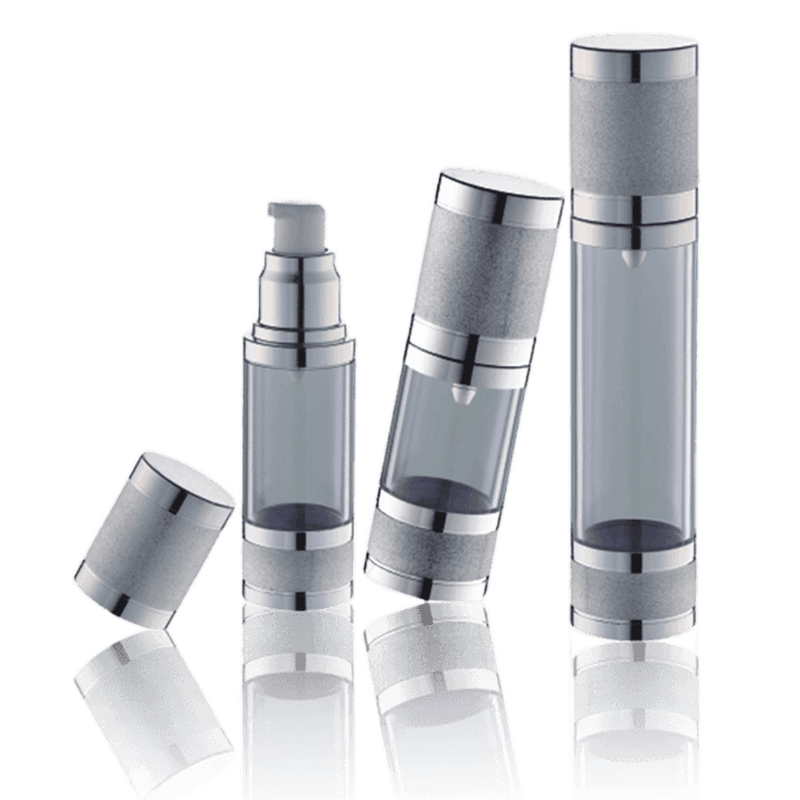
Item No Capacity Diameter(∅) Height HY-010A- 15ML 15ML 33mm 101mm HY-010A- 30ML 30ML 33mm 123mm HY-010A- -50ML 50ML 33mm 155mm
See Details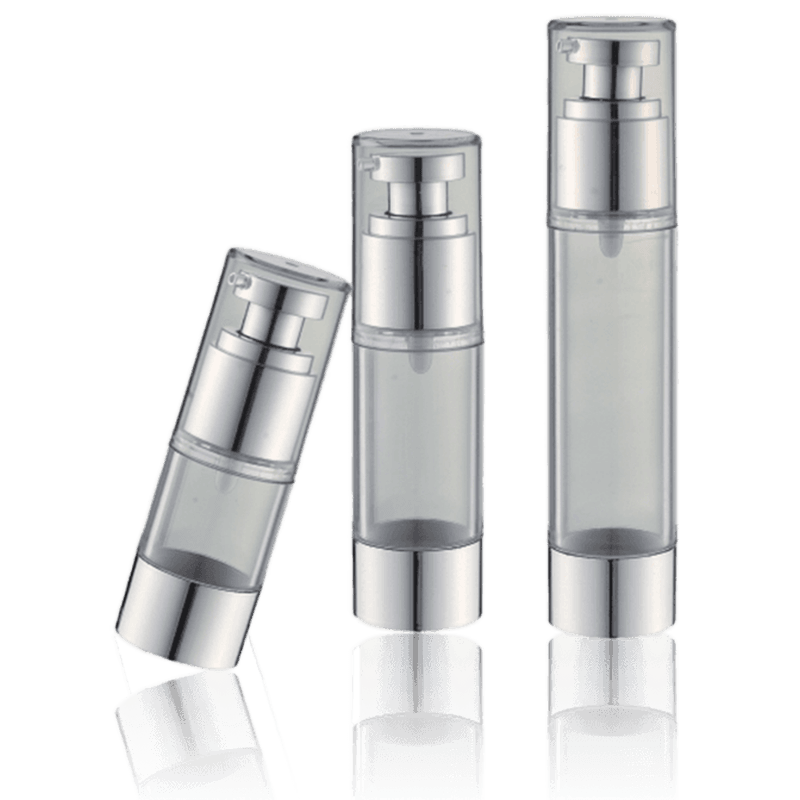
Item No Capacity Diameter(∅) Height HY-010C- 15ML 15ML 33mm 100mm HY-010C- 30ML 30ML 33mm 120mm HY-010C- 50ML 50ML 33mm 150mm
See Details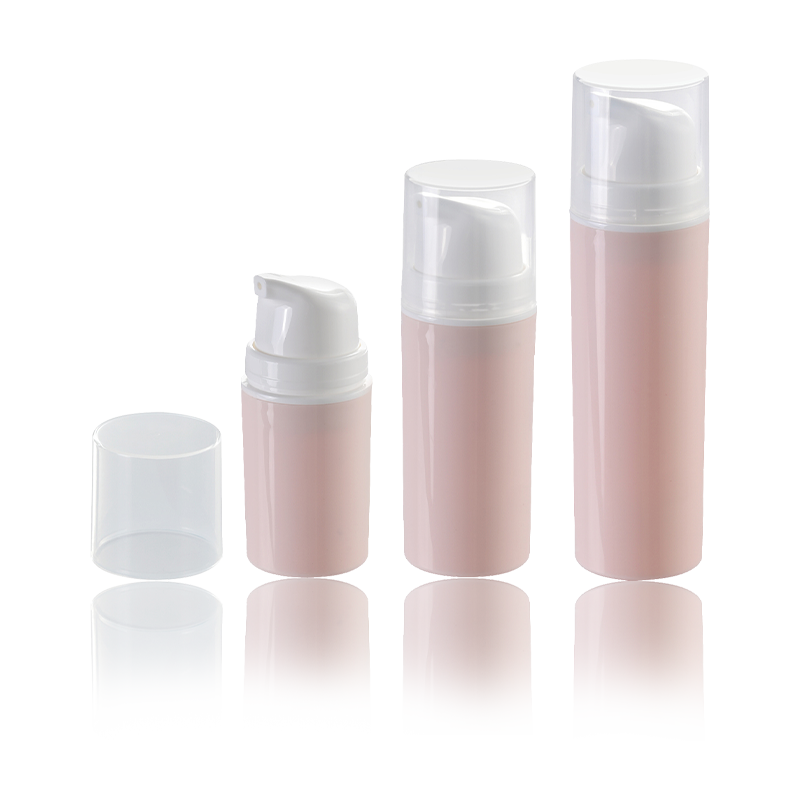
Item No Capacity Diameter(∅) Height HS-011-15ML 15ML 35mm 85mm HS-011-30ML 30ML 35mm 104mm HS-011-50ML 50ML 35mm 129.5mm Sytem: Airless Pu...
See Details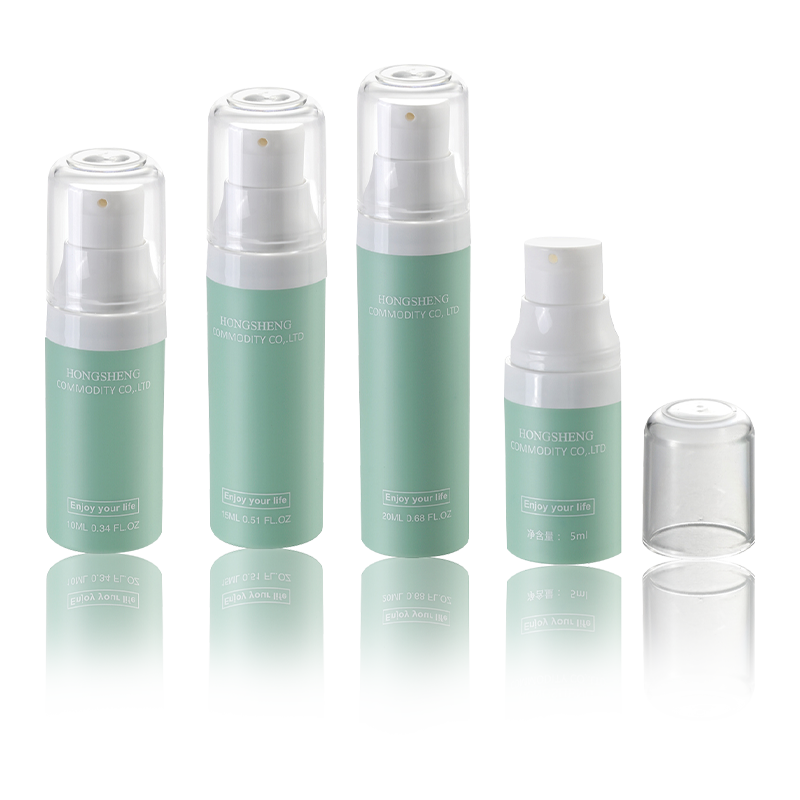
Item No Capacity Diameter(∅) Height HS-012A- 5ML 5ML 25mm 72mm HS-012A- 10ML 10ML 25mm 83mm HS-012A- 15ML 15ML 25mm 96mm HS-012A- 20ML 20M...
See Details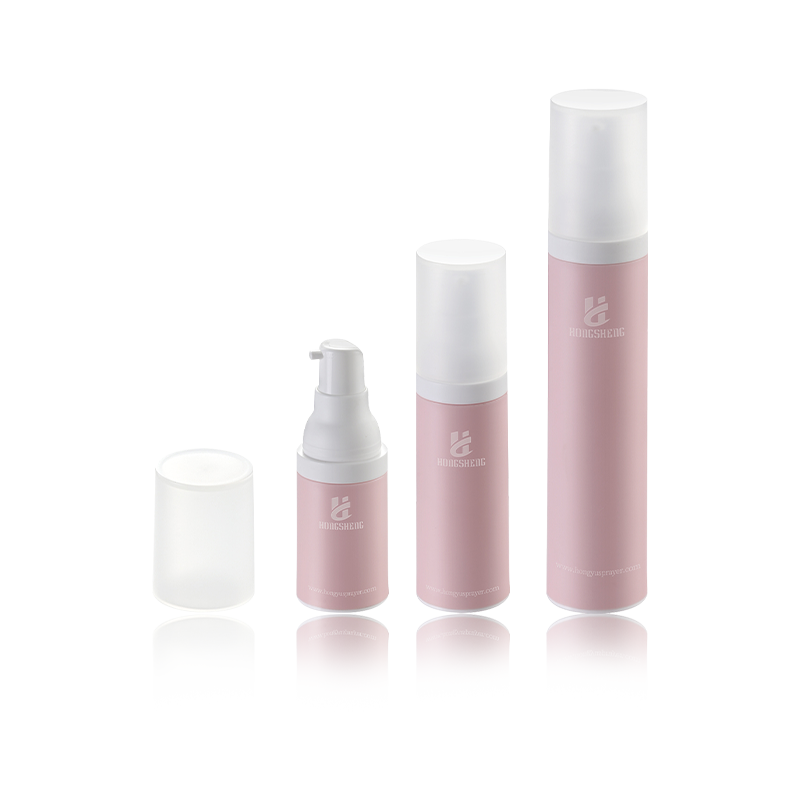
Item No Capacity Diameter(∅) Height HS-013A-15ML 15ML 29mm 96mm HS-013A-30ML 30ML 29mm 125mm HS-013A-50ML 50ML 29mm 145mm Sytem: Airless P...
See Details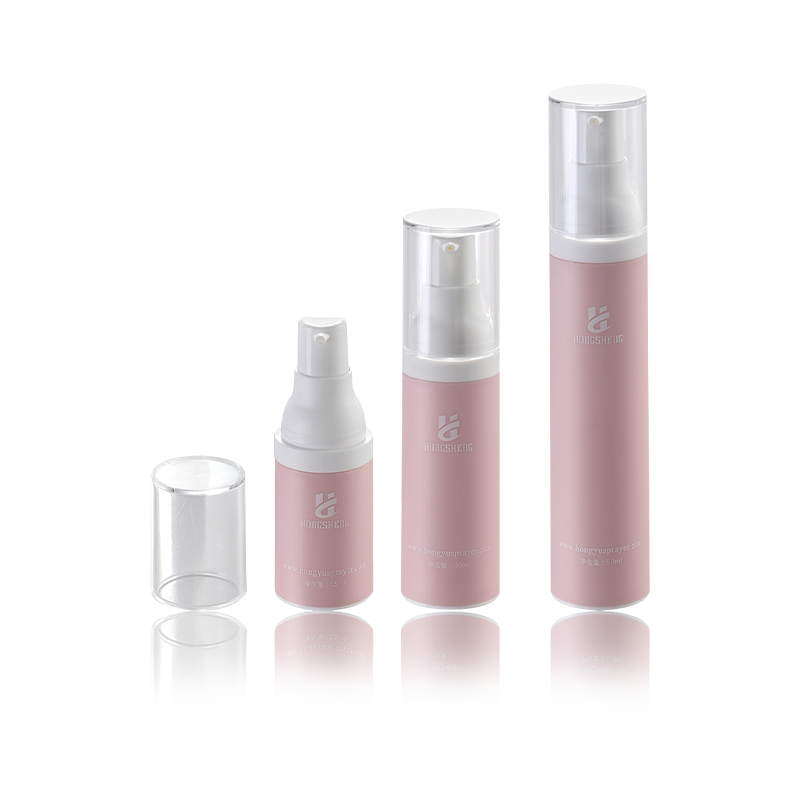
Item No Capacity Diameter(∅) Height HS-013B-15ML 15ML 29mm 96mm HS-013B-30ML 30ML 29mm 125mm HS-013B-50ML 50ML 29mm 145mm Sytem: Airless P...
See Details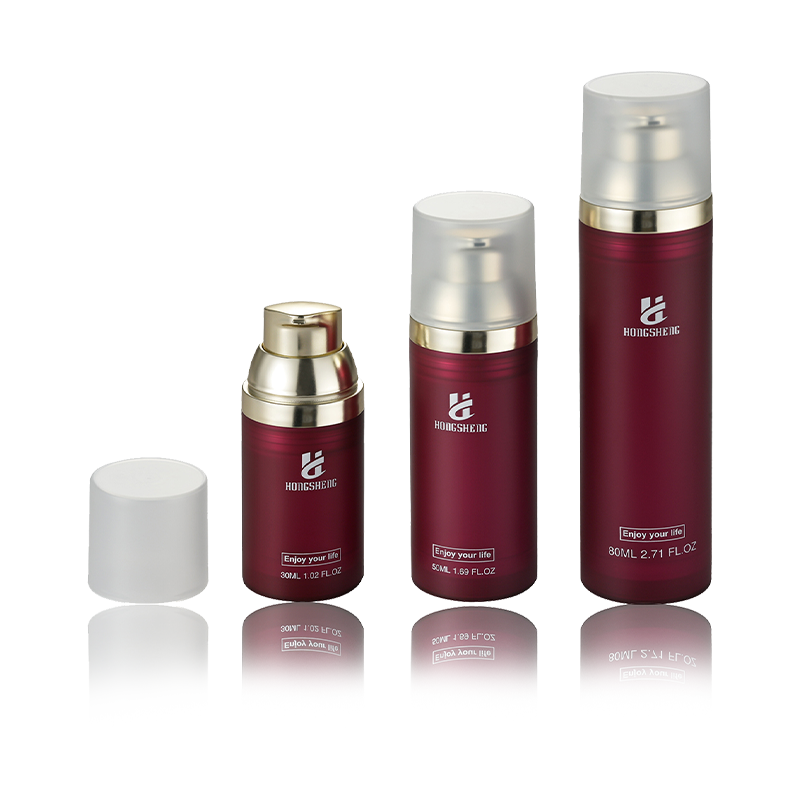
Item No Capacity Diameter(∅) Height HS-014-30ML 30ML 37mm 95mm HS-014-50ML 50ML 37mm 113mm HS-014-80ML 80ML 37mm 146mm Sytem: Airless Pump...
See Details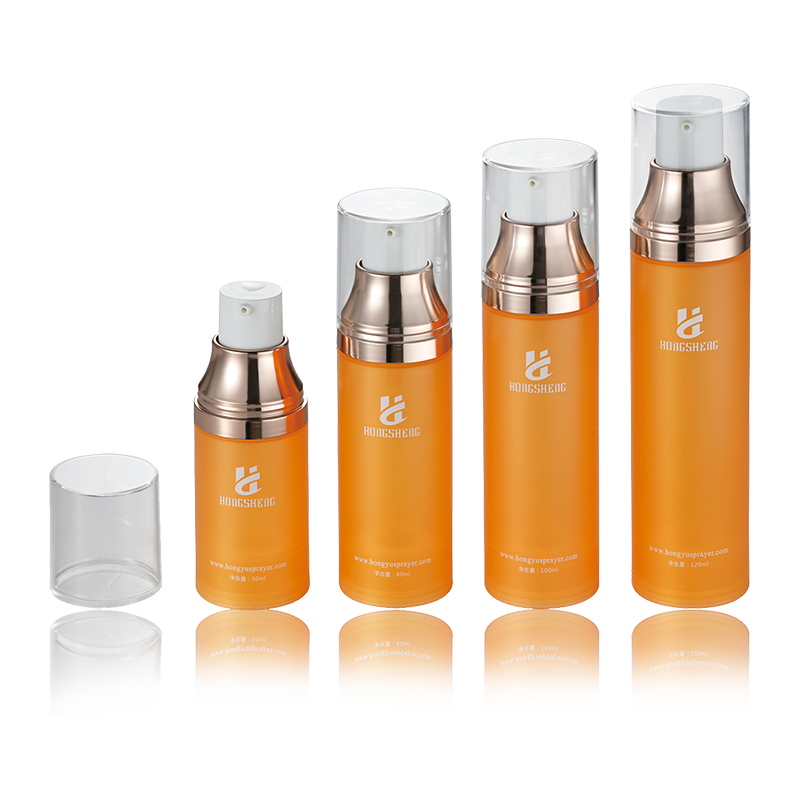
Item No Capacity Diameter(∅) Height HS-017D-50ML 50ML 41.5mm 120mm HS-017D-80ML 80ML 41.5mm 146mm HS-017D-100ML 100ML 41.5mm 164mm HS-017D...
See DetailsContent
