
 English
 中文简体
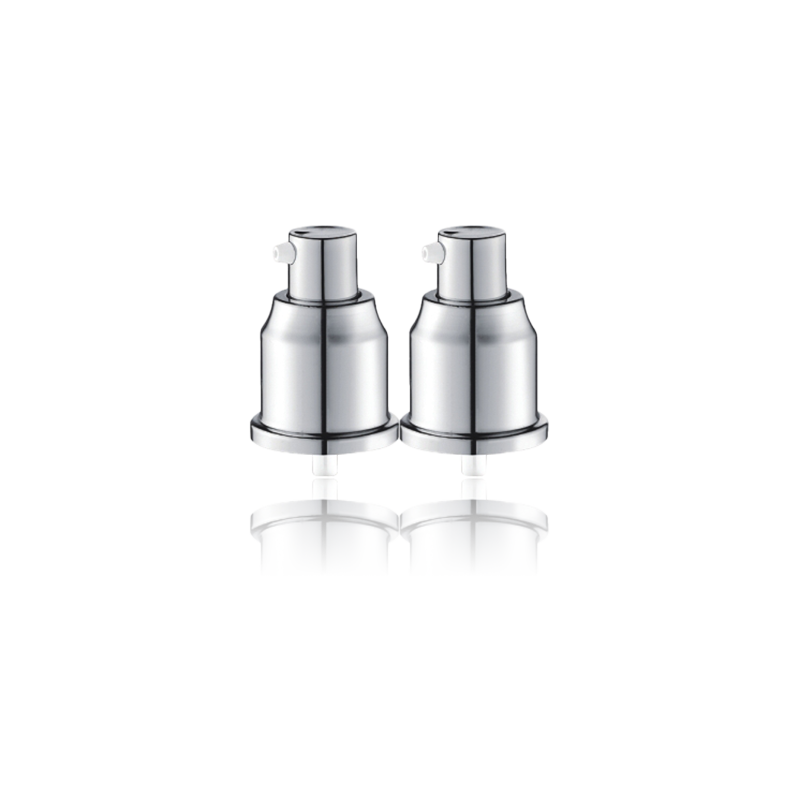
中文简体Vacuum Bottle-HS-004B
Cat:Airless Bottle
Item No Capacity Diameter(∅) Height HY-004B-5ML 5ML 26mm 85mm HY-004B-10ML 10ML 26mm 96mm HY-004B-15ML 15ML 26mm 110mm HY-004B-20ML 20ML 2...
See DetailsCosmetic cream jars are essential packaging for a wide range of skincare and beauty products. The material choice for these jars not only affects the product's overall appearance but also plays a significant role in preserving the quality and shelf life of the cream inside. From glass to plastic, the right material ensures that the product remains safe, stable, and effective throughout its use.
There are several materials commonly used in the production of cosmetic cream jars. Each has distinct advantages and potential drawbacks depending on the intended use of the product. Below is a comparison of the most popular materials:
| Material | Advantages | Disadvantages |
|---|---|---|
| Glass | Premium appearance, durable, and non-reactive. Excellent for luxury creams. | Heavy, prone to breakage, and typically more expensive. |
| Plastic (PET, PP, and HDPE) | Lightweight, cost-effective, and resistant to breakage. Available in various designs and finishes. | Less premium than glass and can degrade over time due to UV exposure, unless UV-protective coatings are used. |
| Acrylic | Transparent, modern look, and highly customizable. | Prone to scratching, not as durable as glass. |
| Aluminum | Strong, lightweight, and provides a high-end aesthetic. Ideal for creams with sensitive ingredients. | More expensive and limited in color and finish options. |
| Biodegradable Plastics | Eco-friendly option, ideal for brands focusing on sustainability. | Can be more expensive and may not offer the same durability or shelf life as traditional plastics. |
When selecting the best material for cosmetic cream jars, several factors must be considered. These include the product's intended use, aesthetic preferences, environmental impact, and functionality. Below are some key considerations:
The type of cosmetic product being stored will influence the material choice. For example, heavy creams or sensitive products like anti-aging formulations may require more durable, non-reactive materials like glass or aluminum. Lighter products such as moisturizers or serums can be packaged in plastic jars without compromising product quality.
Packaging plays a critical role in the perception of the product. Luxury skincare brands often prefer glass or acrylic jars due to their premium appearance. Brands focusing on sustainability may choose biodegradable plastics or glass to align with their eco-friendly image. The design and texture of the jar should also reflect the product's identity.
Durability is essential, especially for products sold in areas where transportation and handling might lead to breakage. Glass, while beautiful, is more prone to breaking, which makes plastic options a more practical choice for brands prioritizing safe packaging during shipping and retail display.
As sustainability becomes increasingly important, many brands are opting for eco-friendly materials. Biodegradable plastics and recyclable materials like glass are gaining popularity. Packaging made from post-consumer recycled (PCR) plastic is another option for companies looking to reduce their carbon footprint.
For mass-market products, plastic jars are often preferred due to their affordability. On the other hand, high-end skincare products may justify the use of glass or aluminum jars despite the higher cost. The balance between cost and quality is crucial in determining the material choice.
Glass is one of the best materials for preserving the quality of cosmetic creams. It is non-reactive, meaning it will not interact with the ingredients inside the jar. However, plastic jars with UV-protective coatings can also provide adequate protection for creams that are sensitive to light.
Acrylic can be a good option for cosmetic cream jars, especially if you want a transparent, modern look. However, it is more prone to scratching compared to glass, and its durability may not match that of heavier materials like aluminum or glass.
Yes, there are several eco-friendly options for cosmetic cream jar packaging. Biodegradable plastics, PCR plastic, and glass are all more sustainable options. Brands focused on reducing their environmental impact can explore these alternatives, although they may come at a higher cost.
The material used for cosmetic cream jars is an important decision that can influence the overall quality, safety, and perception of the product. Whether you choose glass, plastic, acrylic, aluminum, or eco-friendly alternatives, it’s crucial to consider the type of product, durability, aesthetics, and environmental impact. With careful consideration, you can select the best material that aligns with your brand’s values and meets consumer expectations.
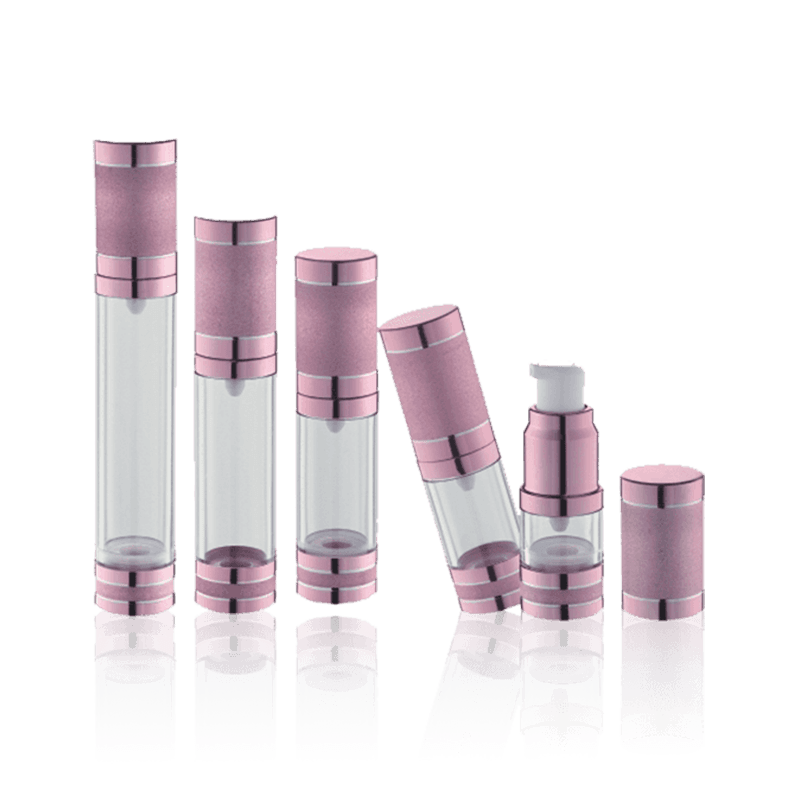
Item No Capacity Diameter(∅) Height HY-004B-5ML 5ML 26mm 85mm HY-004B-10ML 10ML 26mm 96mm HY-004B-15ML 15ML 26mm 110mm HY-004B-20ML 20ML 2...
See Details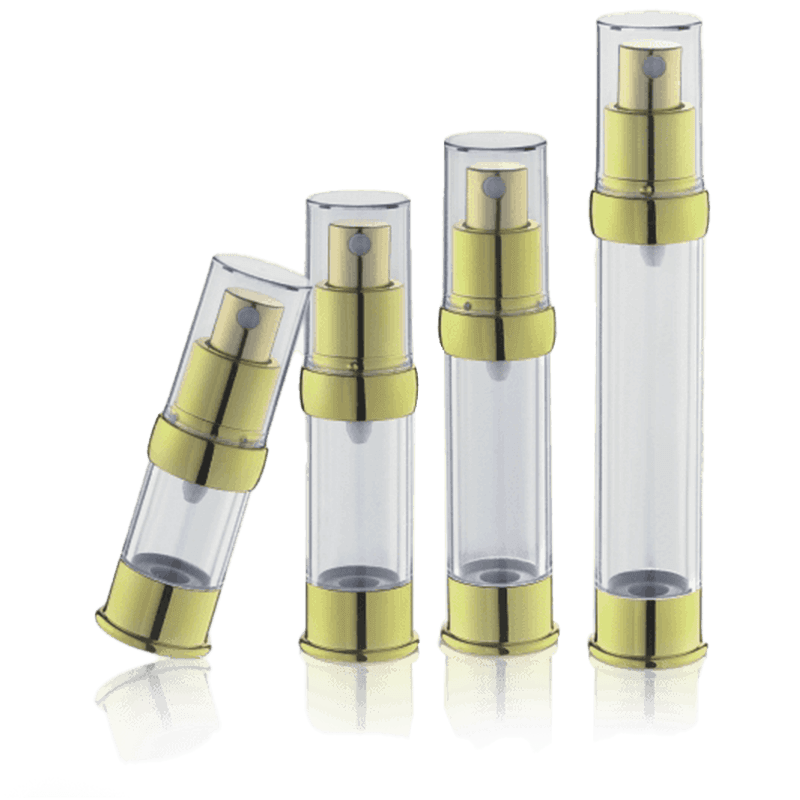
Item No Capacity Diameter(∅) Height HY-005B- 10ML 10ML 26mm 95mm HY-005B- 15ML 15ML 26mm 110mm HY-005B- 20ML 20ML 26mm 126mm HY-005B- 30ML...
See Details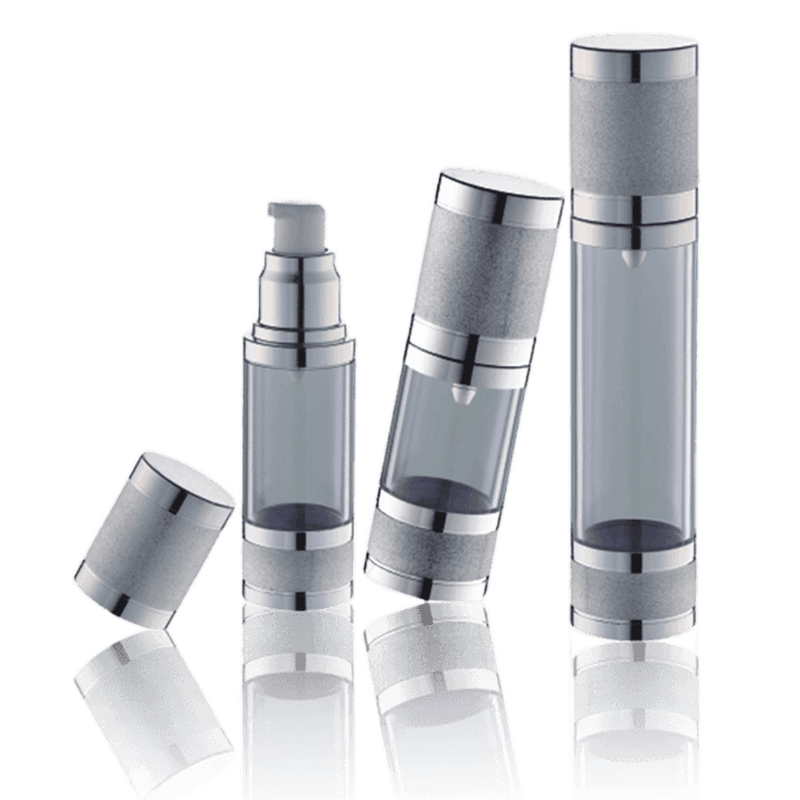
Item No Capacity Diameter(∅) Height HY-010A- 15ML 15ML 33mm 101mm HY-010A- 30ML 30ML 33mm 123mm HY-010A- -50ML 50ML 33mm 155mm
See Details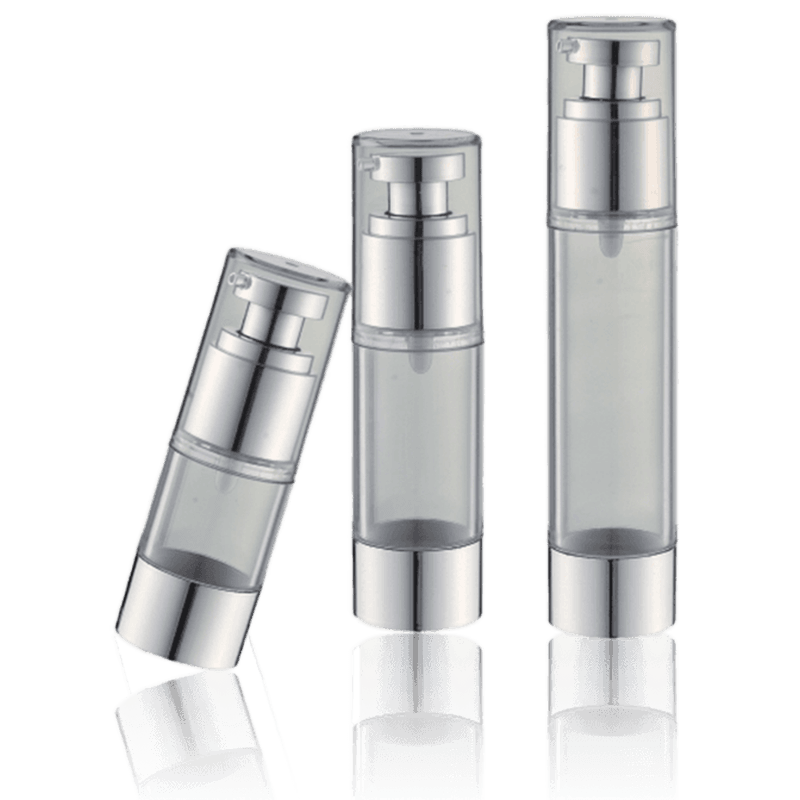
Item No Capacity Diameter(∅) Height HY-010C- 15ML 15ML 33mm 100mm HY-010C- 30ML 30ML 33mm 120mm HY-010C- 50ML 50ML 33mm 150mm
See Details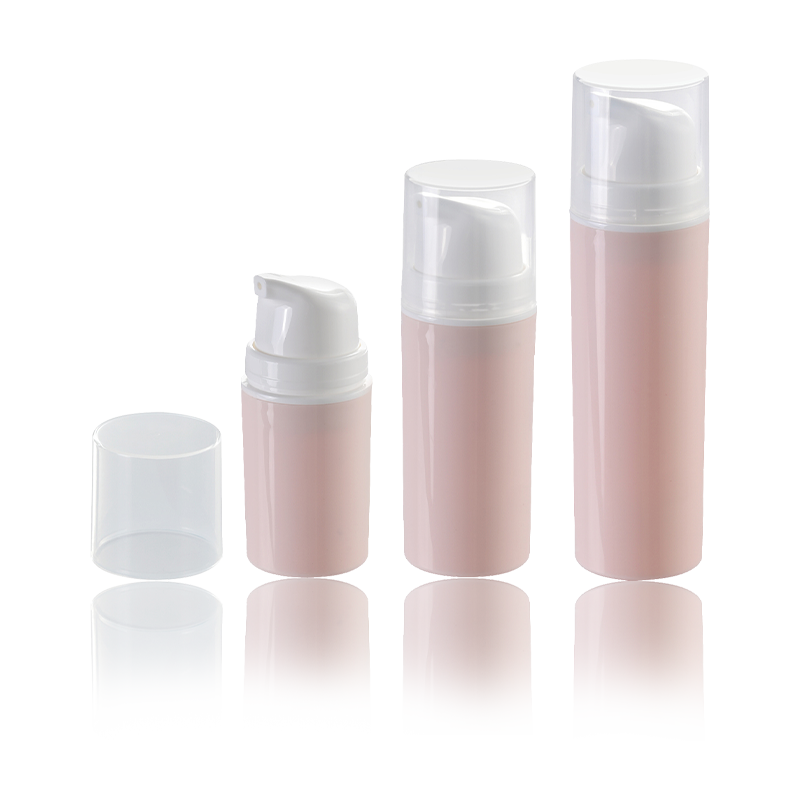
Item No Capacity Diameter(∅) Height HS-011-15ML 15ML 35mm 85mm HS-011-30ML 30ML 35mm 104mm HS-011-50ML 50ML 35mm 129.5mm Sytem: Airless Pu...
See Details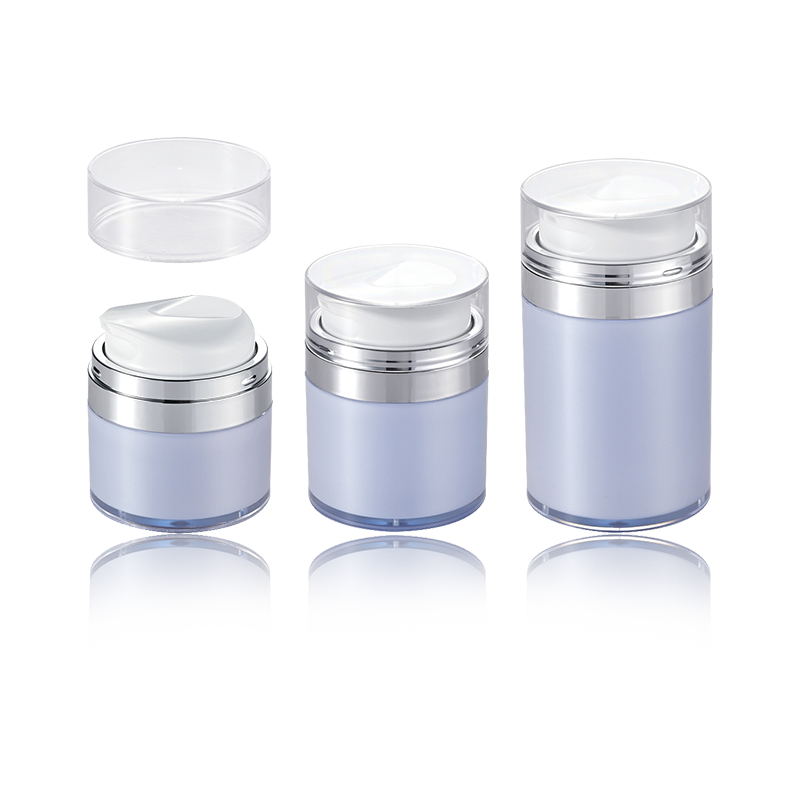
Item No Capacity Diameter(∅) Height HS-016A-30ML 30ML 64mm 72mm HS-016A-50ML 50ML 64mm 83mm HS-016A-100ML 100ML 64mm 110mm Sytem: Airless ...
See Details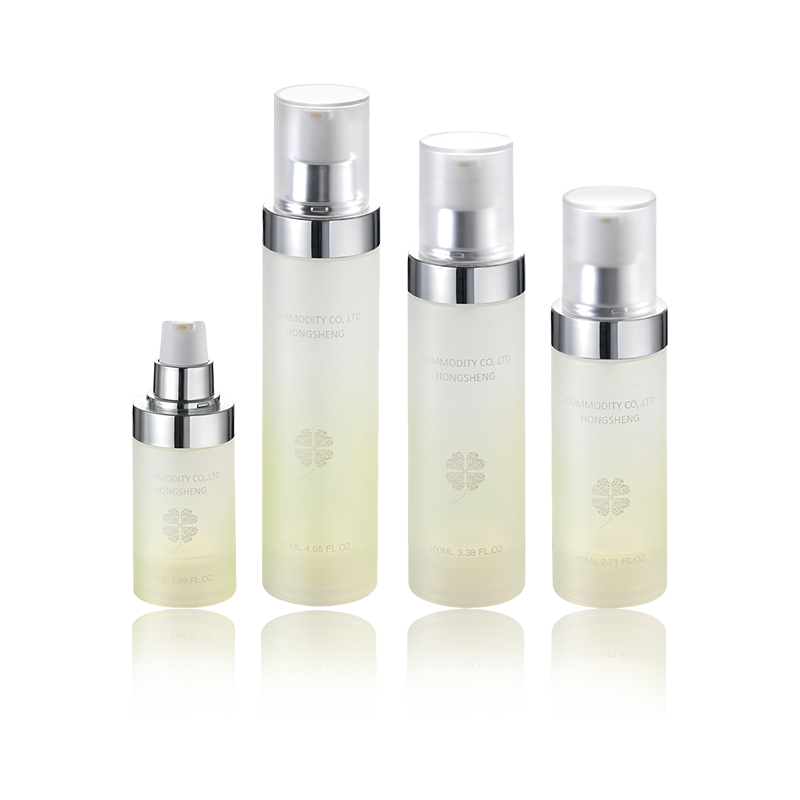
Item No Capacity Diameter(∅) Height HS-017B-50ML 50ML 41.5mm 120mm HS-017B-80ML 80ML 41.5mm 147mm HS-017B-100ML 100ML 41.5mm 164mm HS-017B...
See Details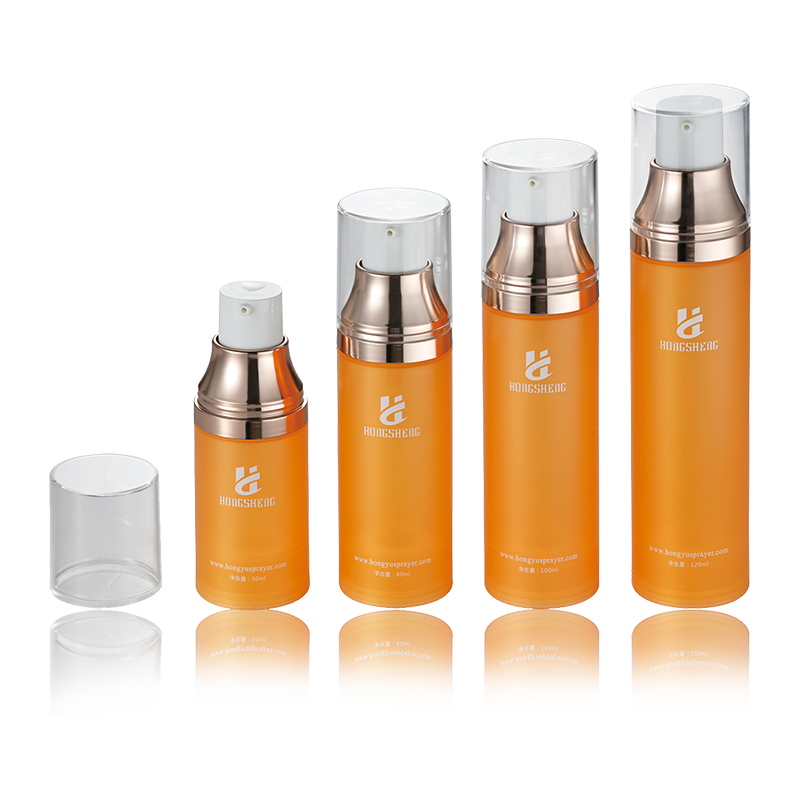
Item No Capacity Diameter(∅) Height HS-017D-50ML 50ML 41.5mm 120mm HS-017D-80ML 80ML 41.5mm 146mm HS-017D-100ML 100ML 41.5mm 164mm HS-017D...
See Details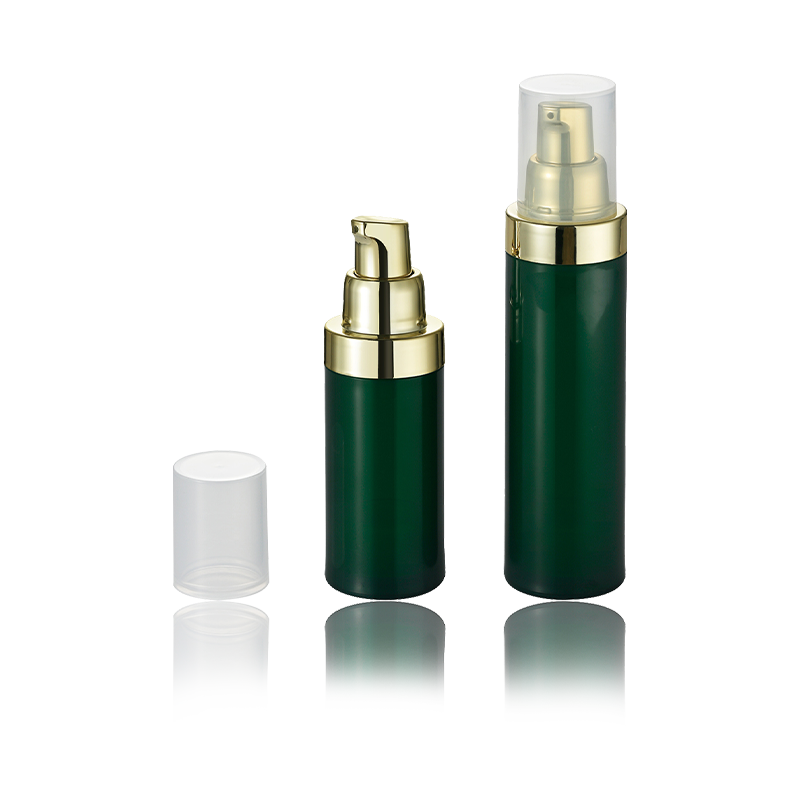
Item No Capacity Diameter(∅) Height HS-029B-30ML 30ML 33mm 111mm HS-029B-50ML 50ML 33mm 143mm
See Details