
 English
 中文简体
中文简体Vacuum Bottle-HS-001A
Cat:Airless Bottle
Item No Capacity Diameter(∅) Height HS-001A- -5ML 5ML 20mm 72.5mm HS-001A- 10ML 10ML 20mm 82. 5mm HS-001A- 15ML 15ML 20mm 97mm
See DetailsSkincare formulations are sensitive ecosystems. Exposure to air, moisture, bacteria, and UV light can degrade active ingredients, alter texture, and introduce harmful microorganisms. The design and material of cosmetic cream jars play a pivotal role in preserving product integrity from the moment of filling to the final application.
Contamination in skincare products can occur at multiple stages — during manufacturing, filling, retail display, or daily consumer use. Even minor contamination can render a product unsafe, causing skin irritation, infection, or accelerated formula degradation.
The primary contamination vectors include:
Well-engineered cosmetic cream jars address each of these risks through deliberate material selection, airtight sealing mechanisms, and structural design.
The most fundamental anti-contamination feature is an effective seal. High-quality cosmetic cream jars incorporate inner liners, silicone gaskets, or induction seals between the lid and jar body. These mechanisms minimize oxygen ingress, which is the leading cause of oxidation-driven formula degradation.
Induction-sealed jars — often found in premium skincare — use aluminum foil laminate bonded to the jar rim via electromagnetic induction. This creates a tamper-evident barrier that protects both product integrity and consumer trust.
Airless cosmetic cream jars represent a significant advancement in contamination prevention. These systems use a vacuum mechanism — typically a rising piston base — that prevents air from re-entering the container as product is dispensed. Benefits include:
Light-sensitive active ingredients — including retinol, niacinamide, and certain plant extracts — require protection from UV radiation. Many cosmetic cream jars are manufactured from opaque HDPE, frosted glass, or UV-blocking polymers that filter out damaging wavelengths. Amber glass jars are particularly effective at blocking UV-A and UV-B ranges while maintaining an aesthetic premium appearance.
The interior surface of a cream jar must be chemically inert — it should not leach compounds into the formula, react with preservatives, or absorb actives. Borosilicate glass and food-grade polypropylene (PP) are favored for their non-reactive properties, particularly for formulas containing acids, retinoids, or essential oils.
The choice of jar material significantly impacts how well contamination is prevented:
| Material | UV Protection | Chemical Inertness | Airtight Capability | Best For |
| Borosilicate Glass | Medium (clear) / High (amber) | Excellent | High (with gasket) | Premium serums, retinol creams |
| HDPE (Plastic) | High (opaque variants) | Good | High | Mass-market moisturizers, body butters |
| Polypropylene (PP) | Medium | Very Good | High | Acid-based creams, eye creams |
| Acrylic (PMMA) | Low | Good | Medium | Display/luxury packaging, low-risk creams |
| Airless Jar (PP/PE) | Medium–High | Very Good | Excellent | Natural/organic, preservative-free formulas |
A jar's contamination resistance is only as strong as its closure. Several lid configurations offer differentiated levels of protection:
The most common configuration in cosmetic cream jars. Inner polyethylene foam liners compress against the rim to form a secondary airtight seal. When tightened correctly, they provide reliable protection against oxidation and moisture ingress.
These closures are used in medicated or pharmaceutical-grade skincare. The multi-step opening mechanism not only deters accidental access but also ensures the lid is fully re-engaged after each use, maintaining a consistent seal.
Double-walled cosmetic cream jars feature an inner PP jar housed within an outer decorative shell. This construction acts as a thermal insulator, protecting heat-sensitive actives while creating a physical barrier that slows any vapor or moisture migration.
Even the most advanced cosmetic cream jars can be compromised by user behavior. The following practices reduce contamination risk significantly:
Tubes are often cited as inherently more hygienic because dispensing requires no direct contact with the formula. However, cosmetic cream jars retain distinct advantages depending on the formulation type and use case.
| Factor | Cosmetic Cream Jars | Squeeze Tubes |
| Contamination from fingers | Higher risk (open access) | Lower risk (no direct contact) |
| Oxidation control | Excellent (airless models) | Good (sealed until opened) |
| Product visibility | Full visibility | No visibility |
| Suitability for thick creams | Excellent | Limited (flow issues) |
| Re-sealability | Excellent | Good |
| Premium perception | High | Medium |
For products like thick body creams, overnight masks, and balms, cosmetic cream jars remain the preferred format precisely because their wide-mouth design enables consumers to access even the last trace of a dense formula — a task tubes handle poorly.
Reputable manufacturers of cosmetic cream jars adhere to internationally recognized standards that govern material safety and contamination resistance:
Brands sourcing from certified suppliers gain assurance that their chosen cosmetic cream jars will not introduce contaminants during the packaging process itself.
Q: Are airless cosmetic cream jars worth the higher cost?
Yes — particularly for formulas containing antioxidants, retinol, peptides, or products marketed as preservative-free. The vacuum mechanism drastically reduces oxidation and microbial exposure, extending both safety and efficacy. The cost premium is typically justified by the extended shelf life and reduced preservative load required.
Q: Can bacteria survive in well-sealed cosmetic cream jars?
An unopened, properly manufactured jar with an induction seal is highly resistant to microbial growth. However, once opened, bacteria can be introduced through fingertip contact, air exposure, or moisture. Adequate preservative systems and hygienic user habits are essential complements to good jar design.
Q: What is the PAO symbol and why does it matter for cream jars?
The PAO (Period After Opening) symbol — displayed as an open jar icon with a number (e.g., "12M") — indicates how many months a product remains safe after first opening. Even the best cosmetic cream jars cannot prevent contamination indefinitely; the PAO provides a practical timeline based on preservative efficacy and expected contamination exposure.
Q: Which jar material is safest for sensitive or natural skincare formulas?
For sensitive or natural formulations without synthetic preservatives, borosilicate glass jars with silicone-gasketed lids or airless PP jars are the safest choices. They minimize both reactive interactions with the formula and exposure to oxygen and external contaminants.
Q: Should cosmetic cream jars be sterilized before filling?
In professional manufacturing, jars are rinsed, dried, and filled under controlled GMP conditions. At home or in small-batch cosmetic production, wiping jars with 70% isopropyl alcohol before filling is an effective step toward reducing bioburden and preventing contamination from the outset.
Q: Do opaque cosmetic cream jars preserve ingredients better than clear jars?
In most cases, yes. Opaque or UV-blocking cosmetic cream jars protect light-sensitive actives such as retinol, vitamin C derivatives, and certain botanical extracts from photodegradation. Clear or translucent jars offer aesthetic appeal but require additional UV-filtering coatings or formulation stabilizers to compensate.
Selecting the ideal cosmetic cream jar requires aligning packaging design with formulation chemistry, usage context, and brand positioning. A natural, preservative-free face cream demands fundamentally different packaging than a conventional fragrance body butter.
Key decision criteria include:
When all these factors align with the right cosmetic cream jar design, the result is a product that arrives at the consumer's skin exactly as formulated — safe, effective, and uncompromised.
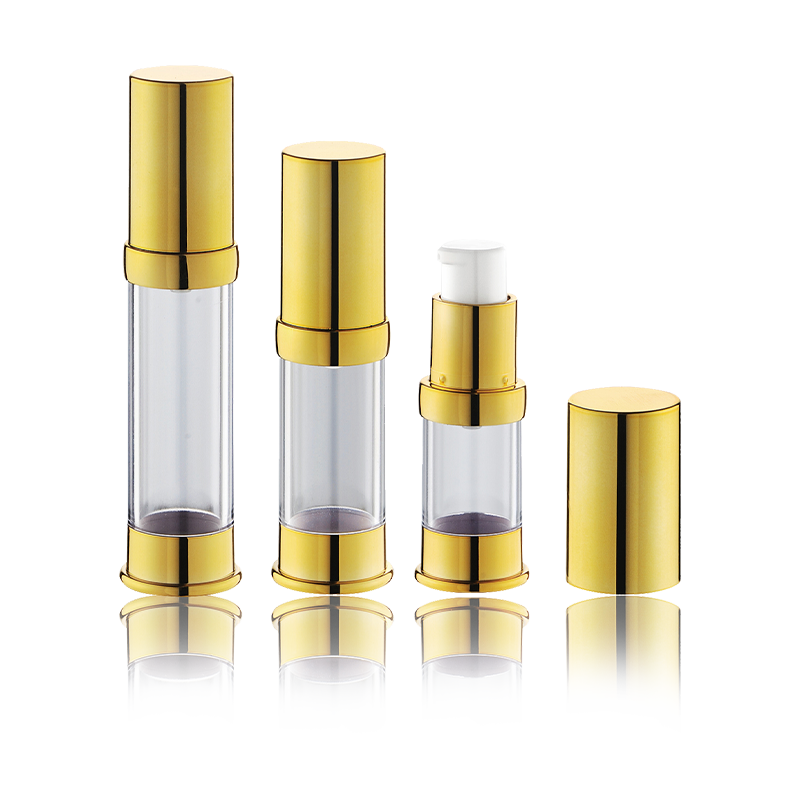
Item No Capacity Diameter(∅) Height HS-001A- -5ML 5ML 20mm 72.5mm HS-001A- 10ML 10ML 20mm 82. 5mm HS-001A- 15ML 15ML 20mm 97mm
See Details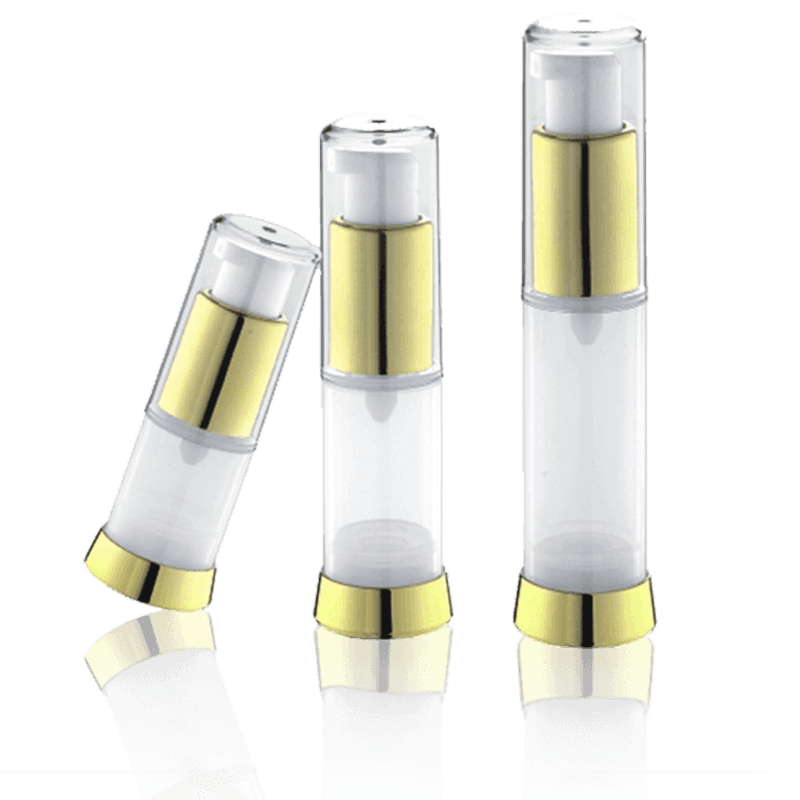
Item No Capacity Diameter(∅) Height HY-002A- 5ML 5ML 25mm 86.5mm HY-002A- 10ML 10ML 25mm 96. 5mm HY-002A- 15ML 15ML 25mm 106mm
See Details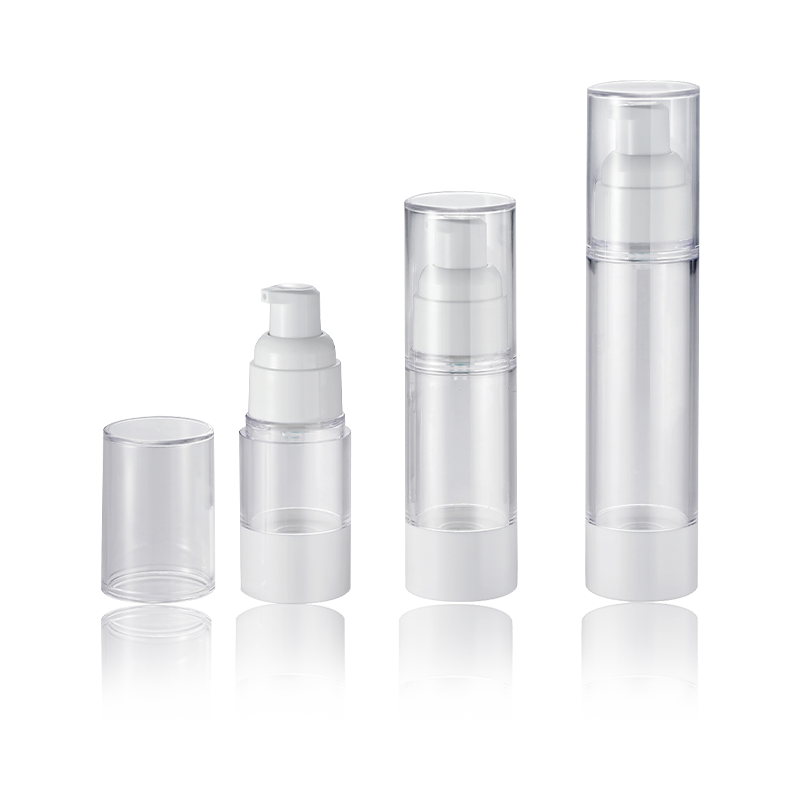
Item No Capacity Diameter(∅) Height HS-008A- 20ML 20ML 33mm 98mm HS-008A- 30ML 30ML 33mm 119mm HS-008A- 50ML 50ML 33mm 150mm
See Details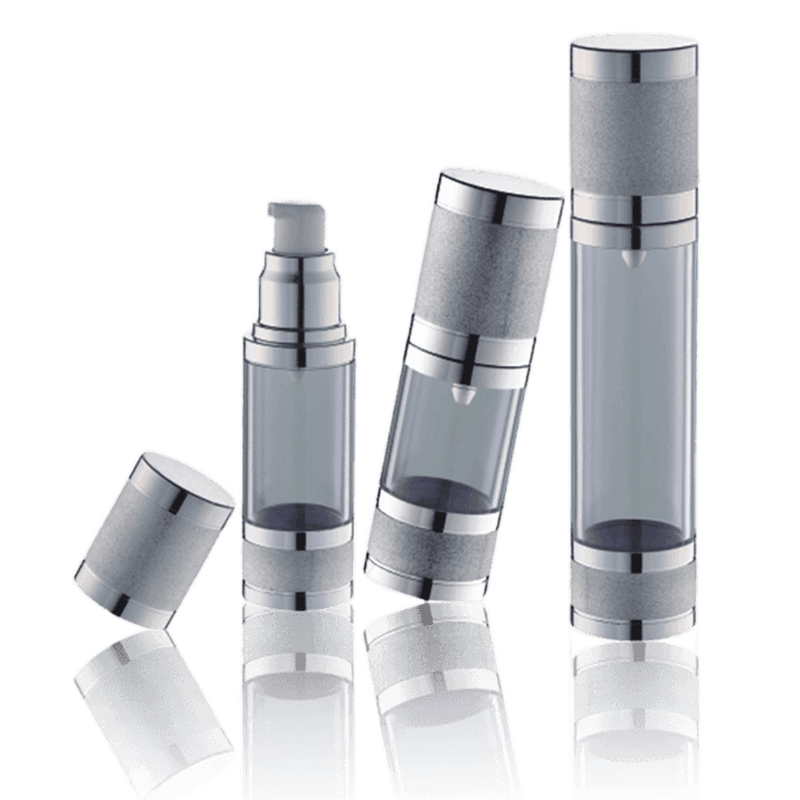
Item No Capacity Diameter(∅) Height HY-010A- 15ML 15ML 33mm 101mm HY-010A- 30ML 30ML 33mm 123mm HY-010A- -50ML 50ML 33mm 155mm
See Details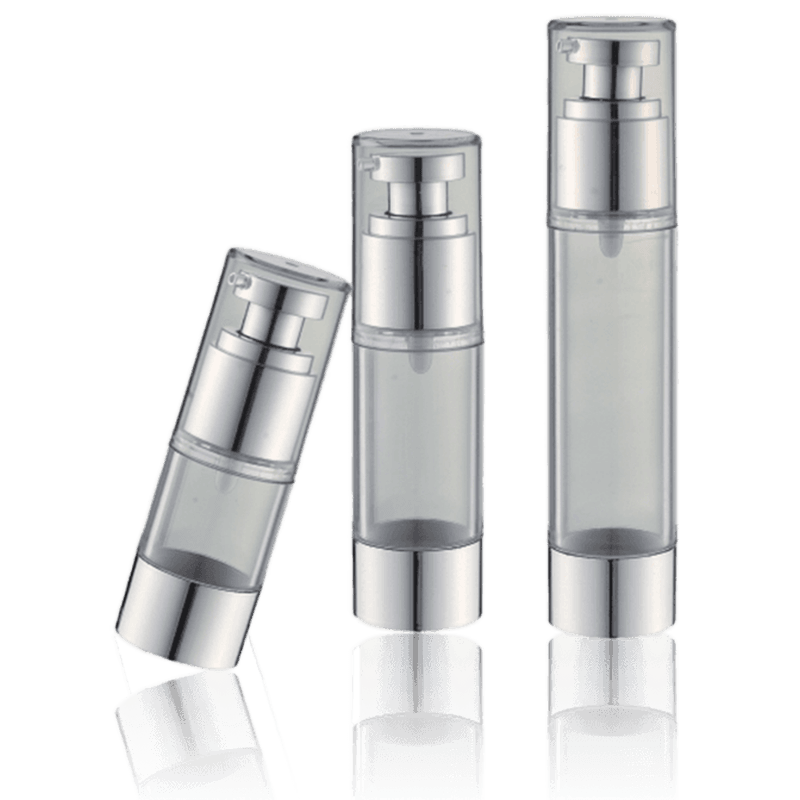
Item No Capacity Diameter(∅) Height HY-010C- 15ML 15ML 33mm 100mm HY-010C- 30ML 30ML 33mm 120mm HY-010C- 50ML 50ML 33mm 150mm
See Details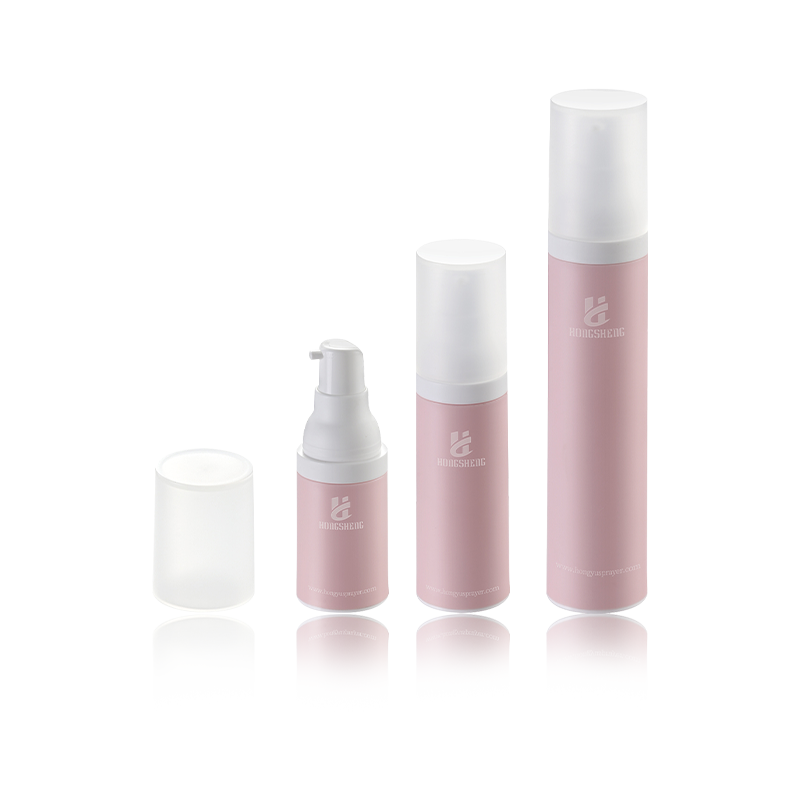
Item No Capacity Diameter(∅) Height HS-013A-15ML 15ML 29mm 96mm HS-013A-30ML 30ML 29mm 125mm HS-013A-50ML 50ML 29mm 145mm Sytem: Airless P...
See Details
Item No Capacity Diameter(∅) Height HS-017A-50ML 50ML 41.5mm 122mm HS-017A-80ML 80ML 41.5mm 149mm HS-017A-100ML 100ML 41.5mm 167mm HS-017A...
See Details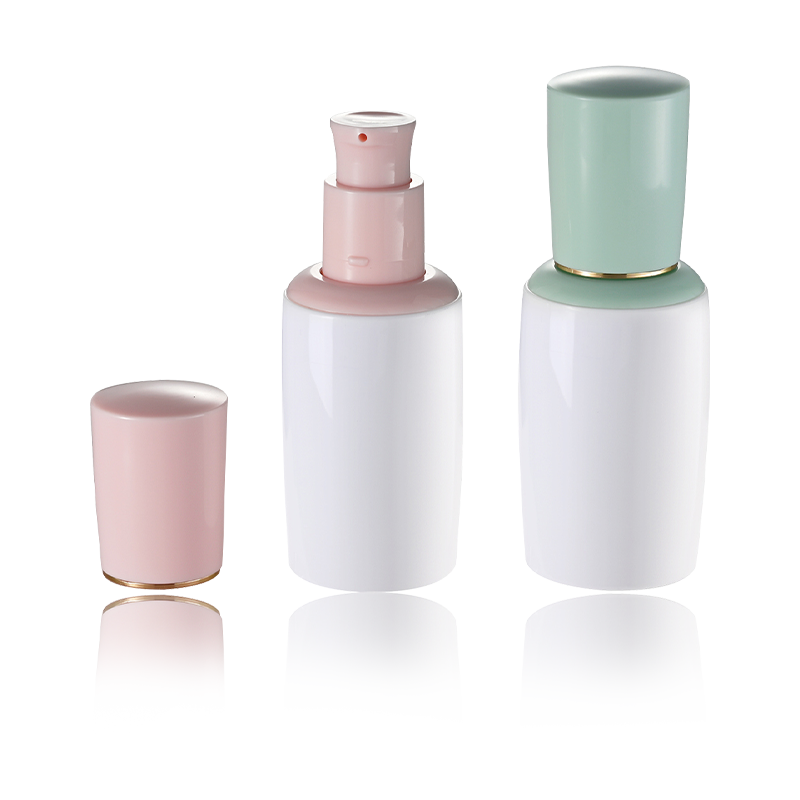
Item No Capacity Diameter(∅) Height HS-018-25ML 25ML 40mm 110mm HS-018-50ML 50ML 50mm 141mm
See Details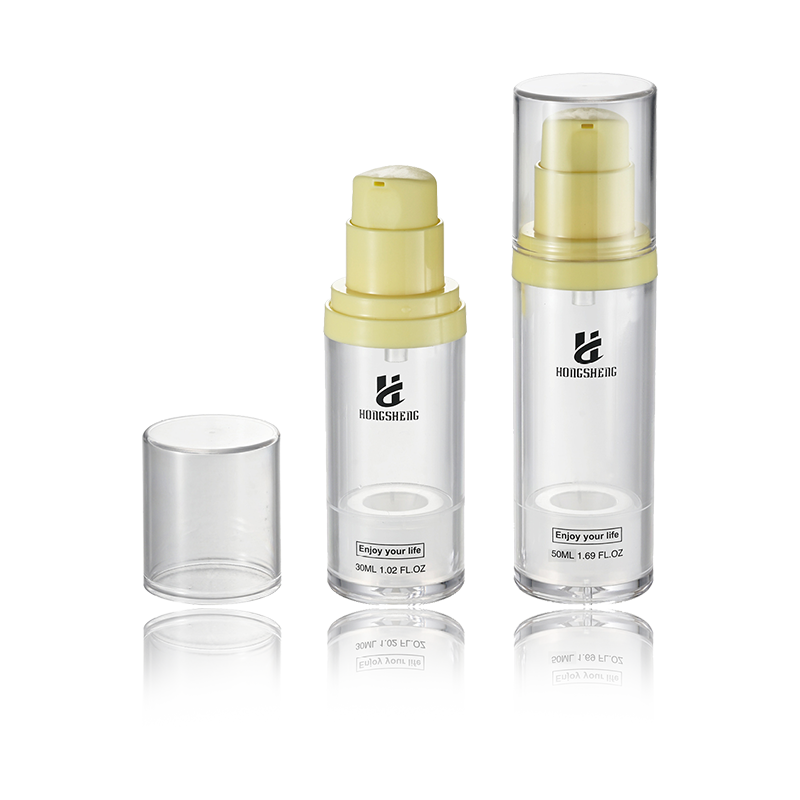
Item No Capacity Diameter(∅) Height HS-024A-30ML 30ML 36.5mm 117.5mm HS-024A-50ML 50ML 36.5mm 131.5mm
See DetailsContent