
 English
 中文简体
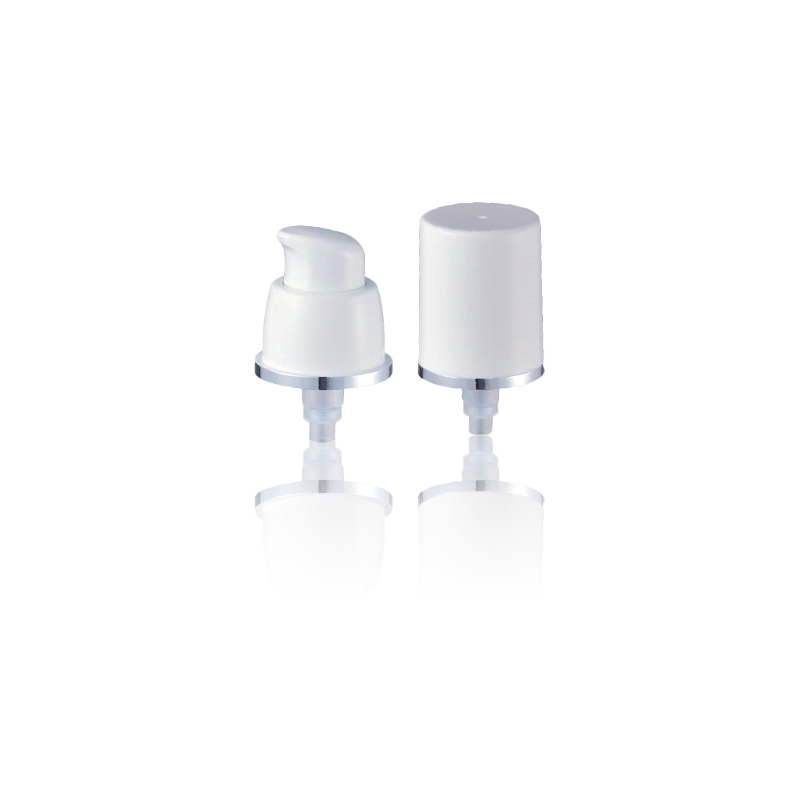
中文简体Vacuum Bottle-HS-001A
Cat:Airless Bottle
Item No Capacity Diameter(∅) Height HS-001A- -5ML 5ML 20mm 72.5mm HS-001A- 10ML 10ML 20mm 82. 5mm HS-001A- 15ML 15ML 20mm 97mm
See DetailsShort answer: The design of a cosmetic cream jar directly determines how well a formula is protected from air, light, moisture, and contamination — all of which influence the product's stability, safety, and effectiveness over time. A poorly designed jar can degrade an otherwise excellent formula within weeks.
When consumers evaluate skincare or cosmetic products, they focus heavily on ingredients and efficacy. Yet packaging — specifically the cosmetic cream jar — plays an equally critical role that is frequently underestimated. From the material composition of the jar body to the precision of the lid seal, every design element interacts with the formulation inside and shapes the consumer experience from first use to the very last scoop.
This article breaks down exactly how cosmetic cream jar design elements — material, seal, geometry, surface finish, and inner structure — translate into measurable differences in product quality.
The material from which a cosmetic cream jar is manufactured determines its chemical compatibility with the formula, its barrier properties against oxygen and UV light, and its physical durability throughout the supply chain.
| Material | Oxygen Barrier | UV Protection | Chemical Resistance | Sustainability |
| Glass | Excellent | Good (amber/frosted) | Excellent | Recyclable |
| HDPE Plastic | Moderate | Low | Good | Recyclable |
| Acrylic (PMMA) | Low | Low–Moderate | Moderate | Difficult to recycle |
| Aluminum | Excellent | Complete block | Good (coated) | Highly recyclable |
| PP Plastic | Moderate | Low | Very Good | Recyclable |
For formulas containing retinol, vitamin C, or other antioxidant-sensitive actives, a glass or aluminum cosmetic cream jar is strongly preferred. Clear acrylic may look premium but offers almost no light-blocking ability, accelerating photo-oxidation of sensitive ingredients.
The lid is arguably the most functionally important component of any cosmetic cream jar. Every time a lid is opened and closed, there is a potential exchange of air, moisture, and microorganisms between the environment and the product inside.
The width and depth of a cosmetic cream jar opening directly affects how a consumer interacts with the product — and every interaction is a contamination event.
| Factor | Wide-Mouth Jar | Narrow-Mouth Jar |
| Finger contact with product | High — contamination risk | Low — spatula-friendly |
| Air exposure per use | Large surface area exposed | Smaller exposure area |
| Product retrieval ease | Easy from top and sides | Difficult near bottom |
| Perceived luxury | High — open, sculptural look | Moderate |
| Best for formula type | Rich creams, body butters | Serums, sensitive actives |
Many premium skincare brands now include a spatula or micro-spoon inside the cosmetic cream jar box precisely to address the wide-mouth contamination problem. The jar geometry should be selected in conjunction with the intended usage habit.
A cosmetic cream jar undergoes significant mechanical stress: stacking in warehouses, transit vibration, drops, temperature fluctuations. Insufficient wall thickness leads to cracking, warping, or micro-fractures that compromise the seal without being visibly apparent to the consumer.
Surface finishes applied to the interior of a cosmetic cream jar — particularly for metal and some plastic variants — must be chemically inert. The wrong inner coating can:
For aluminum cosmetic cream jars, an epoxy or polyester inner lacquer is standard. For glass, a neutral borosilicate formulation is preferred for pH-sensitive products. Always request material safety data sheets (MSDS) and conduct compatibility testing at both room temperature and accelerated aging conditions (40°C/75% RH for 3 months).
The most significant design evolution in the cosmetic cream jar category is the development of airless jar systems. These feature a rising-piston base that eliminates the air gap above the product as it is consumed.
| Feature | Airless Jar | Traditional Open Jar |
| Oxidation protection | Near-zero air contact | High oxidation risk |
| Formula longevity | Extended significantly | Depends on preservatives |
| Preservative load needed | Reduced (cleaner formulas) | Higher preservative system |
| Product waste | Minimal (<2% residual) | 5–15% left in corners |
| Manufacturing cost | Higher | Lower |
For formulations with naturally derived preservative systems or minimal synthetic antioxidants, an airless cosmetic cream jar is no longer a luxury — it is a functional necessity to meet stability testing benchmarks.
Beyond formula protection, the exterior design of a cosmetic cream jar affects consumer trust and regulatory compliance. A well-designed label panel must:
Every dimension of a cosmetic cream jar — material, wall structure, lid mechanism, opening geometry, inner surface, and airless versus open format — has a direct and measurable impact on the product a consumer receives and the experience they have using it until the last application.
Formulators and brand developers who treat the cosmetic cream jar as an afterthought — selecting it based on aesthetics or cost alone — risk undermining formulations that represent significant investment in ingredient research. The jar is not passive packaging. It is an active part of the preservation and delivery system.
The ideal approach is to select the cosmetic cream jar in parallel with formula development, running compatibility, stability, and microbial testing with the final chosen packaging from the outset — not as a final validation step.
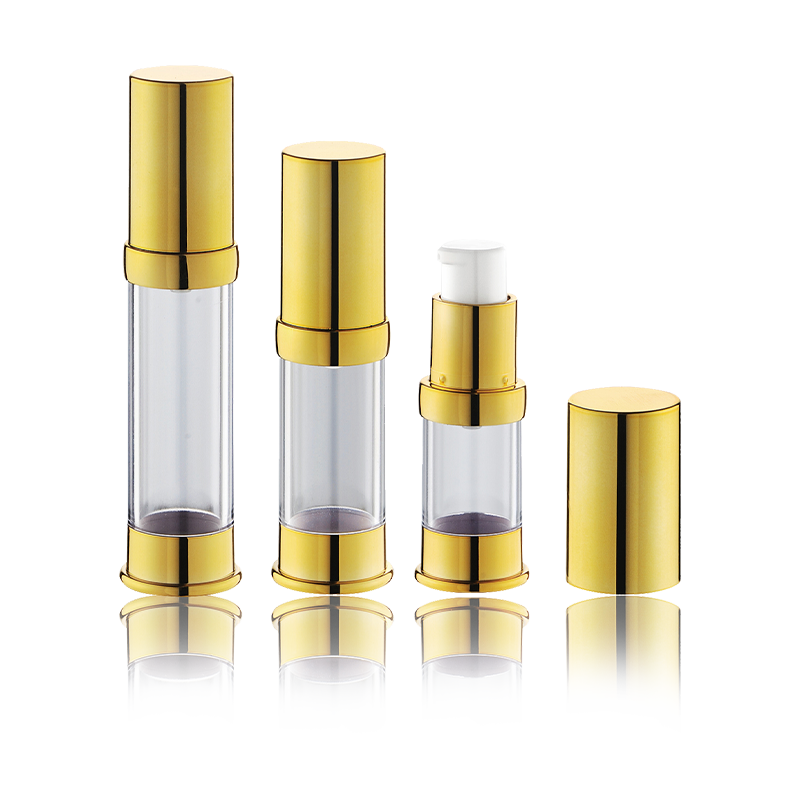
Item No Capacity Diameter(∅) Height HS-001A- -5ML 5ML 20mm 72.5mm HS-001A- 10ML 10ML 20mm 82. 5mm HS-001A- 15ML 15ML 20mm 97mm
See Details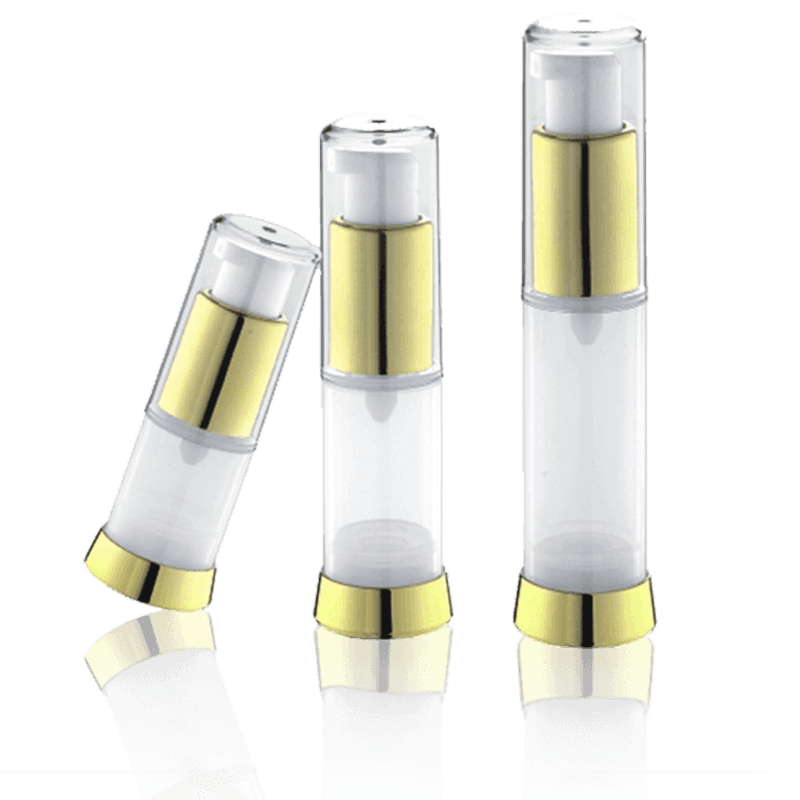
Item No Capacity Diameter(∅) Height HY-002A- 5ML 5ML 25mm 86.5mm HY-002A- 10ML 10ML 25mm 96. 5mm HY-002A- 15ML 15ML 25mm 106mm
See Details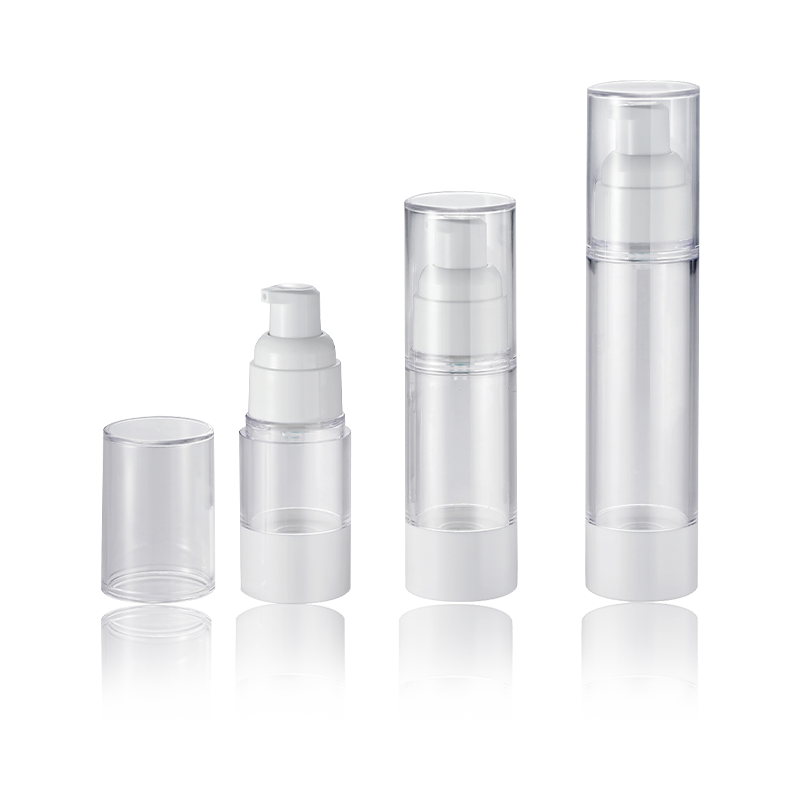
Item No Capacity Diameter(∅) Height HS-008A- 20ML 20ML 33mm 98mm HS-008A- 30ML 30ML 33mm 119mm HS-008A- 50ML 50ML 33mm 150mm
See Details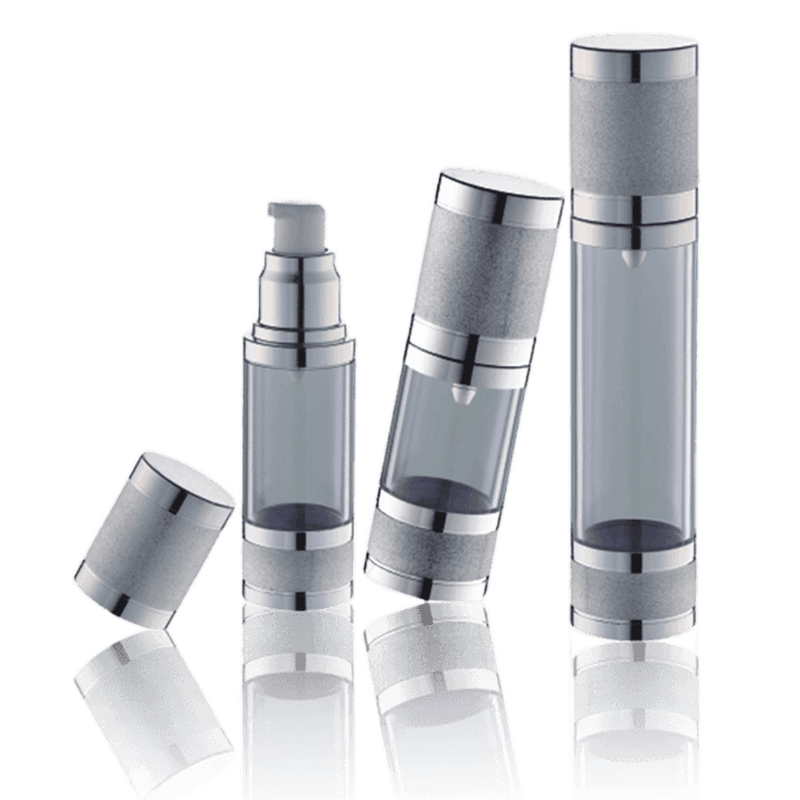
Item No Capacity Diameter(∅) Height HY-010A- 15ML 15ML 33mm 101mm HY-010A- 30ML 30ML 33mm 123mm HY-010A- -50ML 50ML 33mm 155mm
See Details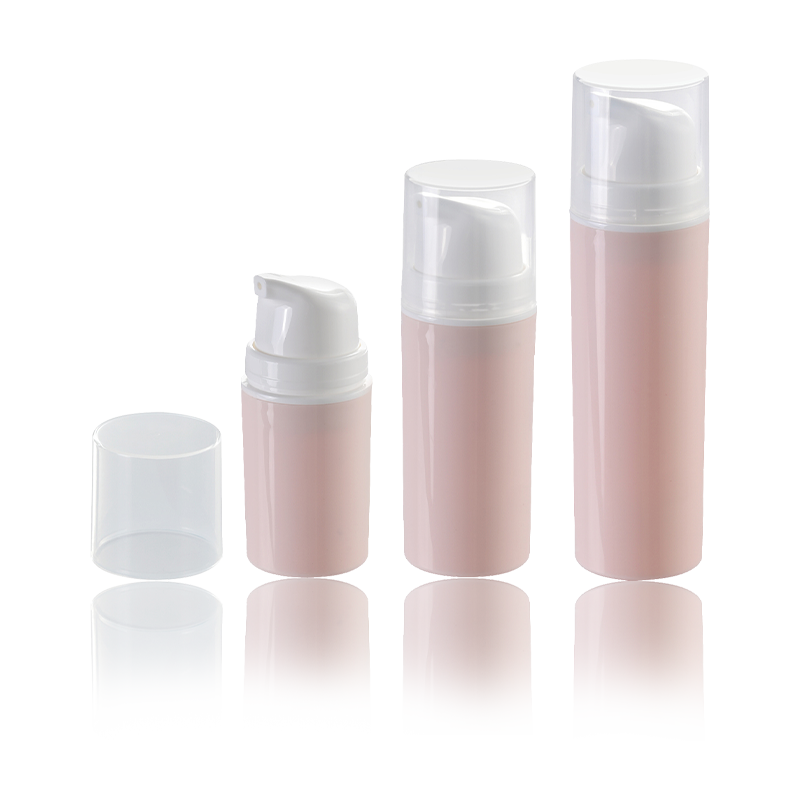
Item No Capacity Diameter(∅) Height HS-011-15ML 15ML 35mm 85mm HS-011-30ML 30ML 35mm 104mm HS-011-50ML 50ML 35mm 129.5mm Sytem: Airless Pu...
See Details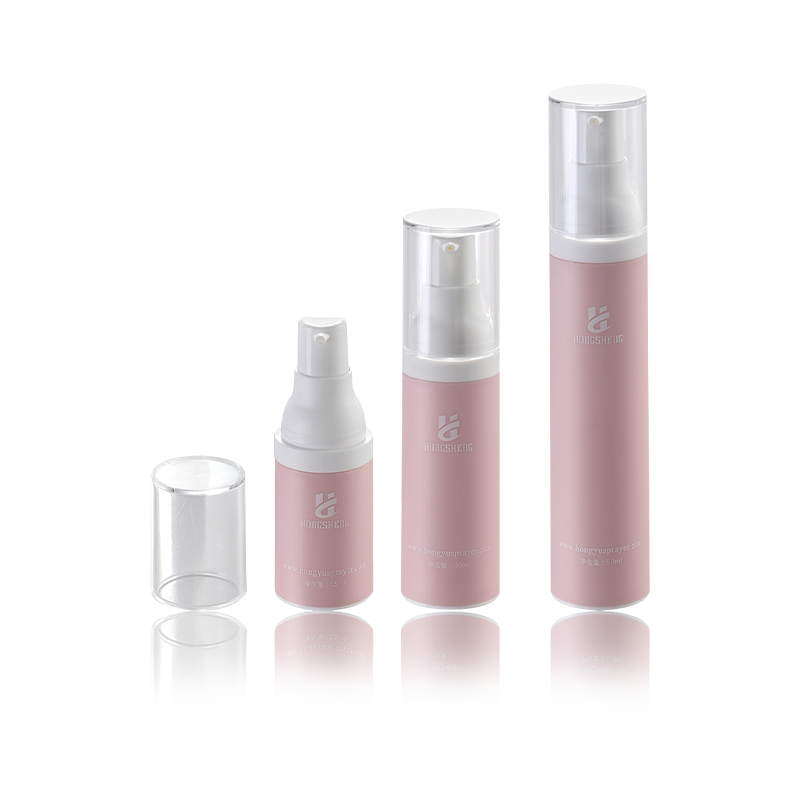
Item No Capacity Diameter(∅) Height HS-013B-15ML 15ML 29mm 96mm HS-013B-30ML 30ML 29mm 125mm HS-013B-50ML 50ML 29mm 145mm Sytem: Airless P...
See Details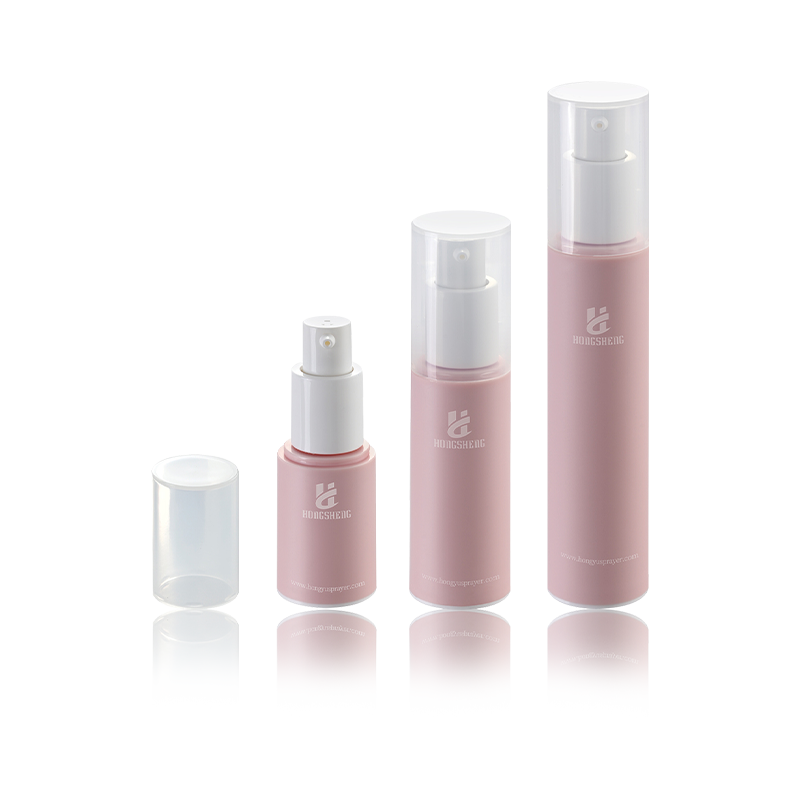
Item No Capacity Diameter(∅) Height HS-013C-15ML 15ML 29mm 96mm HS-013C-30ML 30ML 29mm 125mm HS-013C-50ML 50ML 29mm 145mm Sytem: Airless P...
See Details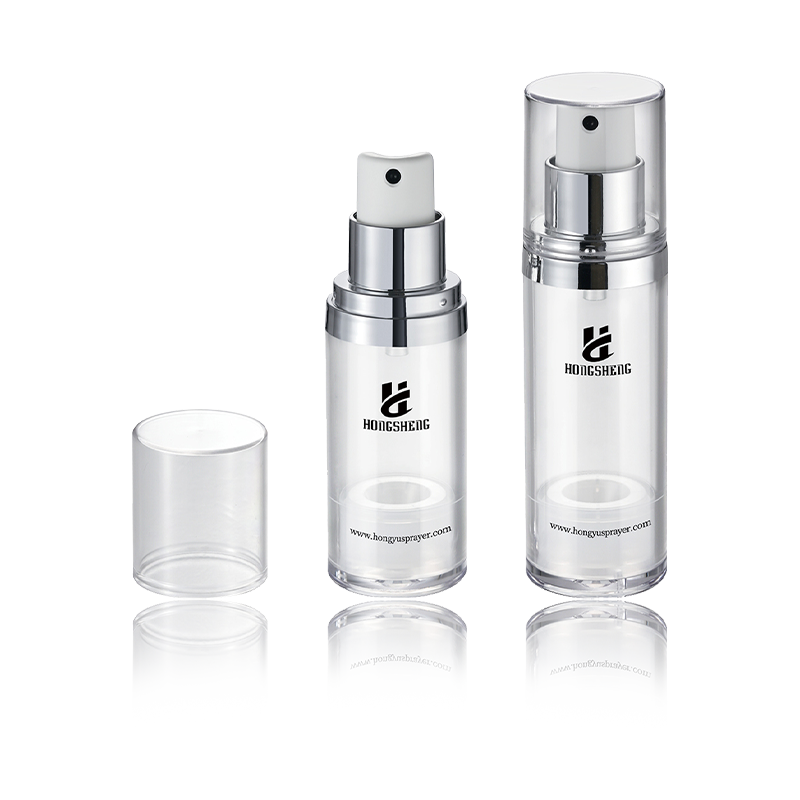
Item No Capacity Diameter(∅) Height HS-024B-30ML 30ML 36.5mm 117.5mm HS-024B-50ML 50ML 36.5mm 131.5mm
See Details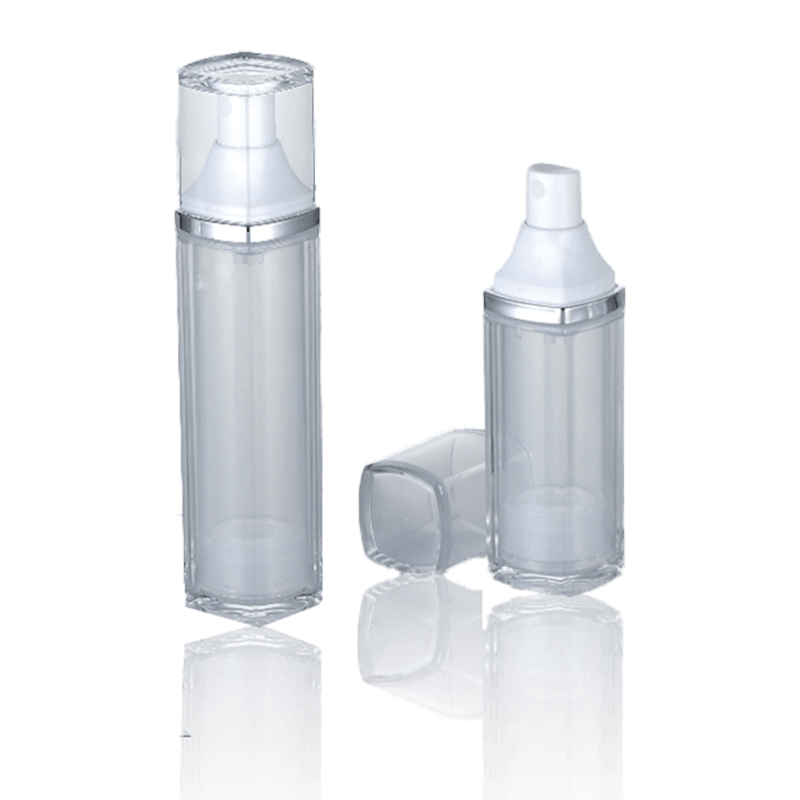
Item No Capacity Diameter(∅) Height HY-025B-30ML 30ML 35mm 125mm HY-025B-50ML 50ML 35mm 158mm
See DetailsContent