
 English
 中文简体
中文简体Vacuum Bottle-HS-004B
Cat:Airless Bottle
Item No Capacity Diameter(∅) Height HY-004B-5ML 5ML 26mm 85mm HY-004B-10ML 10ML 26mm 96mm HY-004B-15ML 15ML 26mm 110mm HY-004B-20ML 20ML 2...
See DetailsThe rise of cosmetic airless bottles has transformed the beauty and personal care industry by offering superior protection for formulations and extended shelf life. However, these innovative containers require careful handling during transportation to ensure product integrity, prevent leaks, and maintain consumer satisfaction. Understanding the specific factors affecting cosmetic airless bottle transport is crucial for manufacturers, distributors, and retailers alike.
Cosmetic airless bottles consist of a unique design featuring a vacuum pump mechanism that dispenses product without exposing it to air. Typically, the bottle includes:
This complex structure offers advantages such as reduced product wastage, improved hygiene, and preservation of active ingredients. However, it also makes the bottles sensitive to mechanical shocks and temperature fluctuations during shipping.
Transporting cosmetic airless bottles presents several challenges that can affect product quality and customer satisfaction:
Ensuring the safe delivery of cosmetic airless bottles requires a combination of careful packaging, environmental control, and proper handling:
When planning transportation, it's useful to compare cosmetic airless bottles with conventional containers like tubes or jars:
| Feature | Cosmetic Airless Bottle | Traditional Jar/Tube |
|---|---|---|
| Protection from Air | Excellent, maintains vacuum and prevents oxidation | Poor, exposed to air after first use |
| Leak Resistance | High if properly sealed, sensitive to pressure changes | Moderate, often prone to leaks if cap is loose |
| Handling Sensitivity | Delicate, requires cushioning and careful stacking | Less sensitive, more resilient to compression |
| Product Wastage | Minimal, piston ensures full product usage | Higher, residual product often remains in corners |
The comparison highlights that while cosmetic airless bottles offer superior protection for formulations, they demand higher standards of care during transportation.
Compliance with transport regulations ensures safe delivery and reduces liability. Key points include:
Yes, but it is critical to use cushioning and secure packaging to protect against pressure changes and vibrations during flight.
Employ cold chain logistics or insulated packaging to maintain stable temperatures, preventing formula separation or degradation.
Yes, using dividers, foam inserts, and palletized arrangements reduces the risk of bottle deformation and leakage in large-scale transport.
Simulate transit conditions by conducting vibration, drop, and temperature tests to ensure cosmetic airless bottles remain intact.
Compromised bottles may lose their vacuum, exposing the product to air and contaminants, which can shorten shelf life and reduce effectiveness.
Effective transportation of cosmetic airless bottles is essential to maintain product quality, consumer trust, and brand reputation. By investing in robust packaging, temperature control, careful handling, and regulatory compliance, manufacturers and distributors can ensure that these innovative containers reach customers in perfect condition. Compared to traditional packaging, airless bottles provide better product protection but require a higher degree of logistical attention, emphasizing the importance of proper planning and execution in the supply chain.
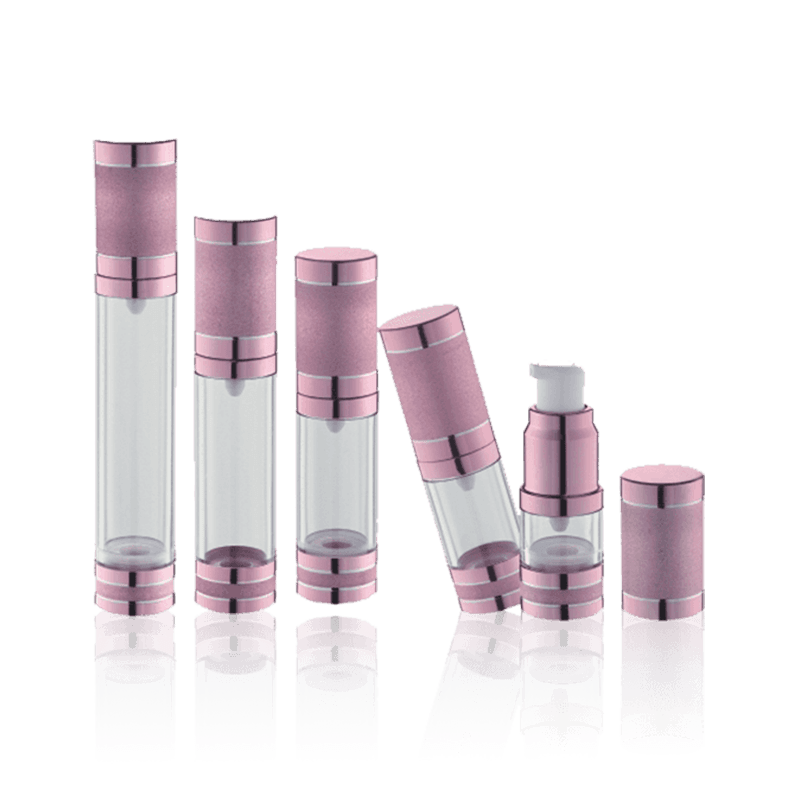
Item No Capacity Diameter(∅) Height HY-004B-5ML 5ML 26mm 85mm HY-004B-10ML 10ML 26mm 96mm HY-004B-15ML 15ML 26mm 110mm HY-004B-20ML 20ML 2...
See Details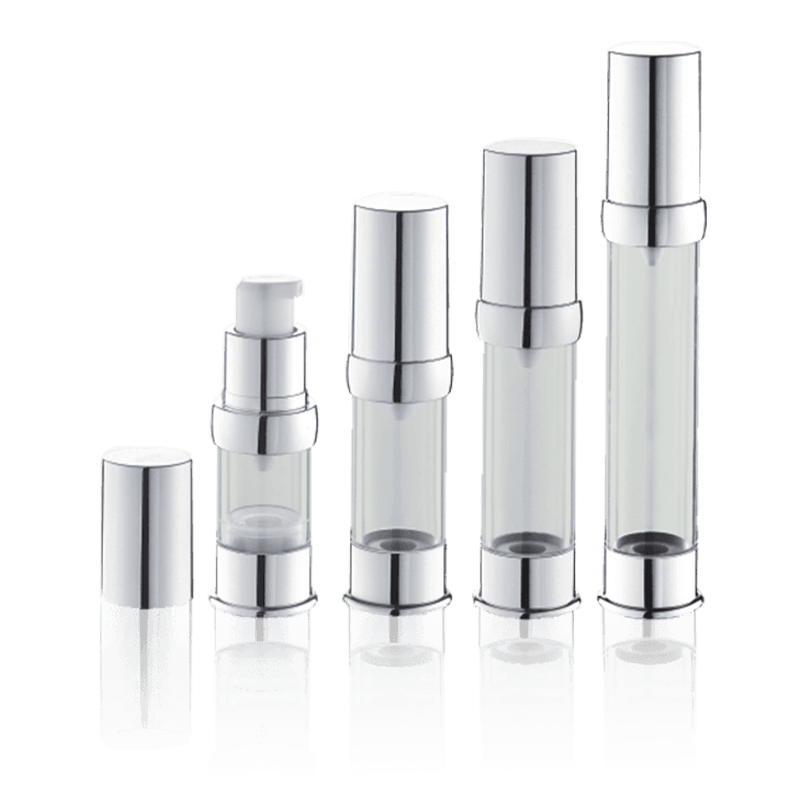
Item No Capacity Diameter(∅) Height HY-005C-10ML 10ML 26mm 95mm HY-005C-15ML 15ML 26mm 110mm HY-005C-20ML 20ML 26mm 126mm HY-005C-30ML 30M...
See Details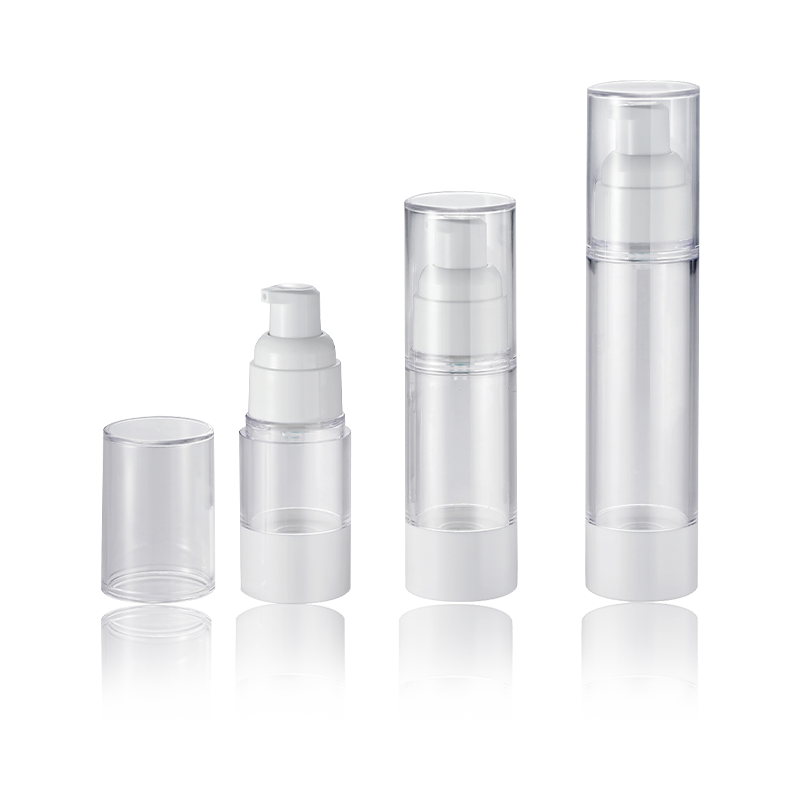
Item No Capacity Diameter(∅) Height HS-008A- 20ML 20ML 33mm 98mm HS-008A- 30ML 30ML 33mm 119mm HS-008A- 50ML 50ML 33mm 150mm
See Details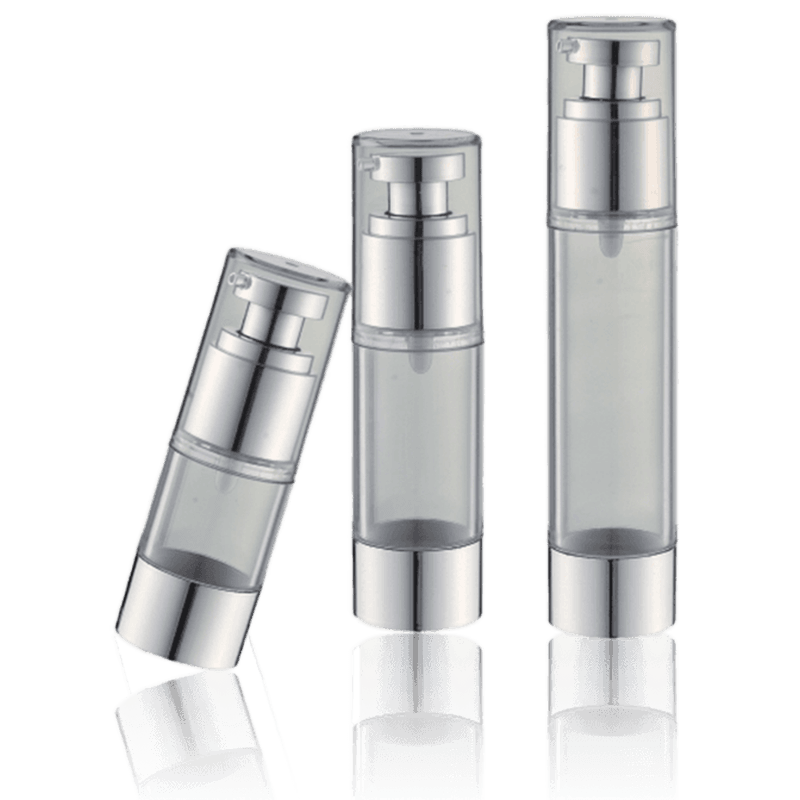
Item No Capacity Diameter(∅) Height HY-010C- 15ML 15ML 33mm 100mm HY-010C- 30ML 30ML 33mm 120mm HY-010C- 50ML 50ML 33mm 150mm
See Details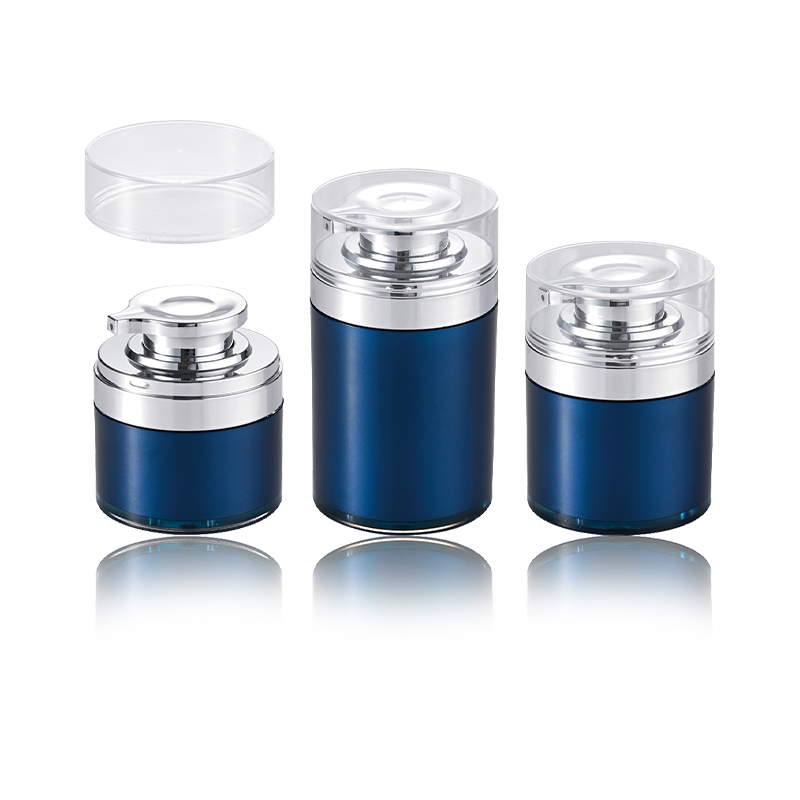
Item No Capacity Diameter(∅) Height HS-016B-30ML 30ML 64mm 72mm HS-016B-50ML 50ML 64mm 83mm HS-016B-100ML 100ML 64mm 110mm Sytem: Airless ...
See Details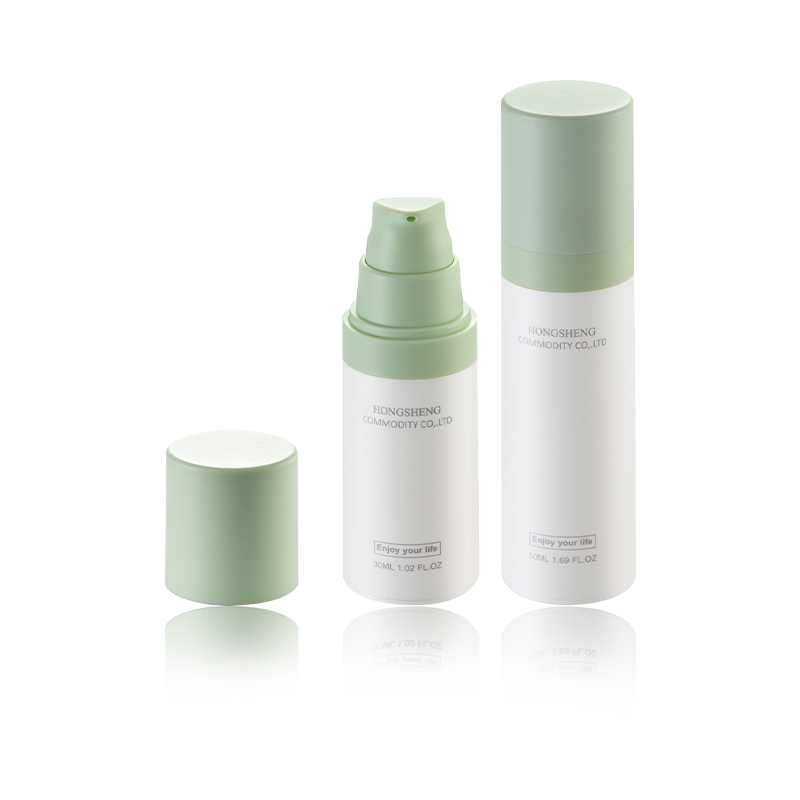
Item No Capacity Diameter(∅) Height HS-021A-30ML 30ML 35mm 112mm HS-021A-50ML 50ML 35mm 136mm
See Details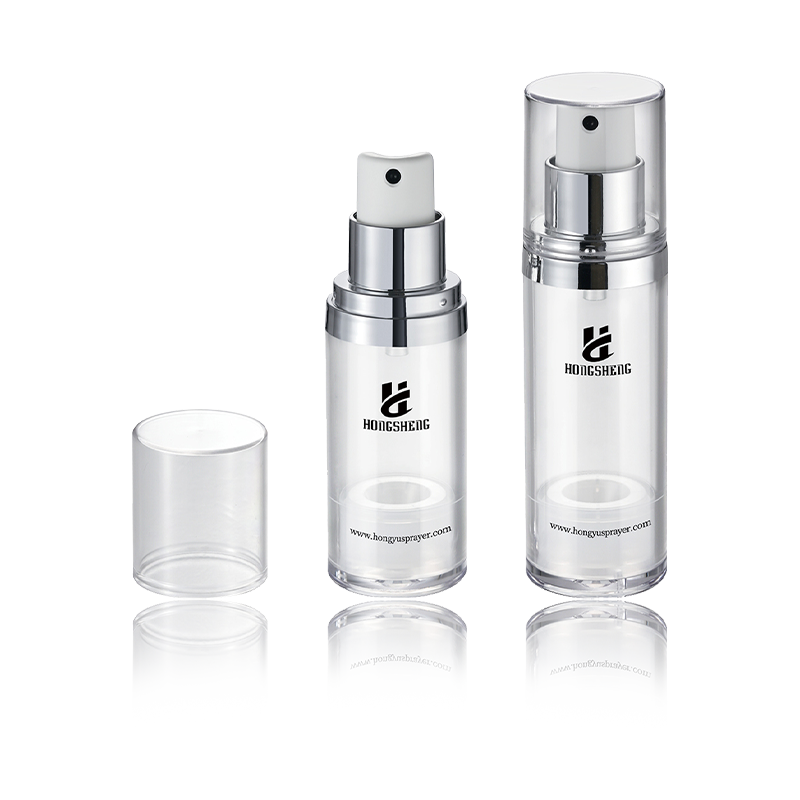
Item No Capacity Diameter(∅) Height HS-024B-30ML 30ML 36.5mm 117.5mm HS-024B-50ML 50ML 36.5mm 131.5mm
See Details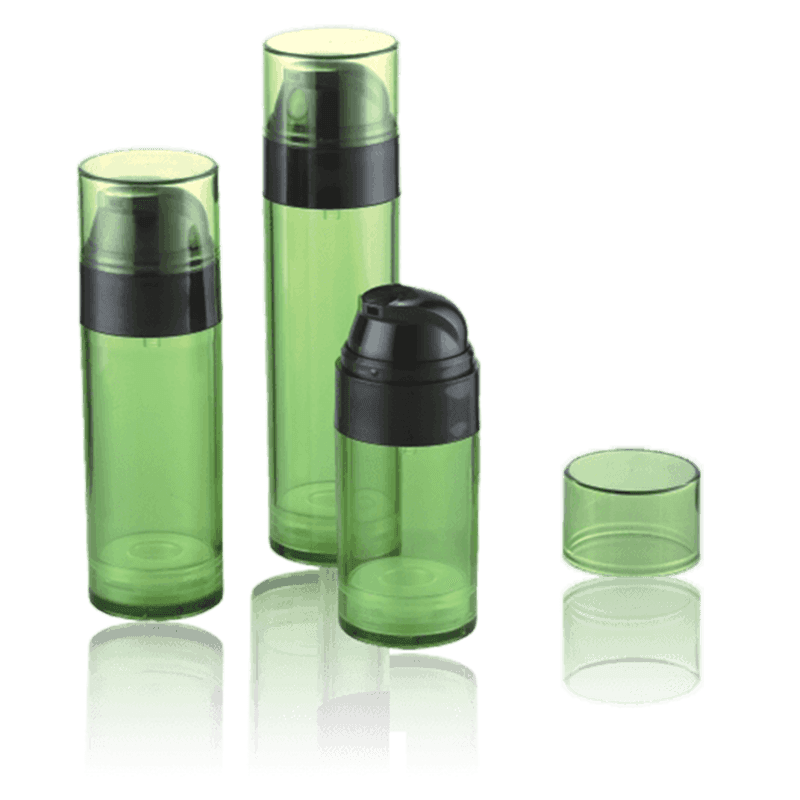
Item No Capacity Diameter(∅) Height HY-026A-50ML 50ML 43mm 114mm HY-026A-80ML 80ML 43mm 141mm HY-026A-110ML 110ML 43mm 168mm
See Details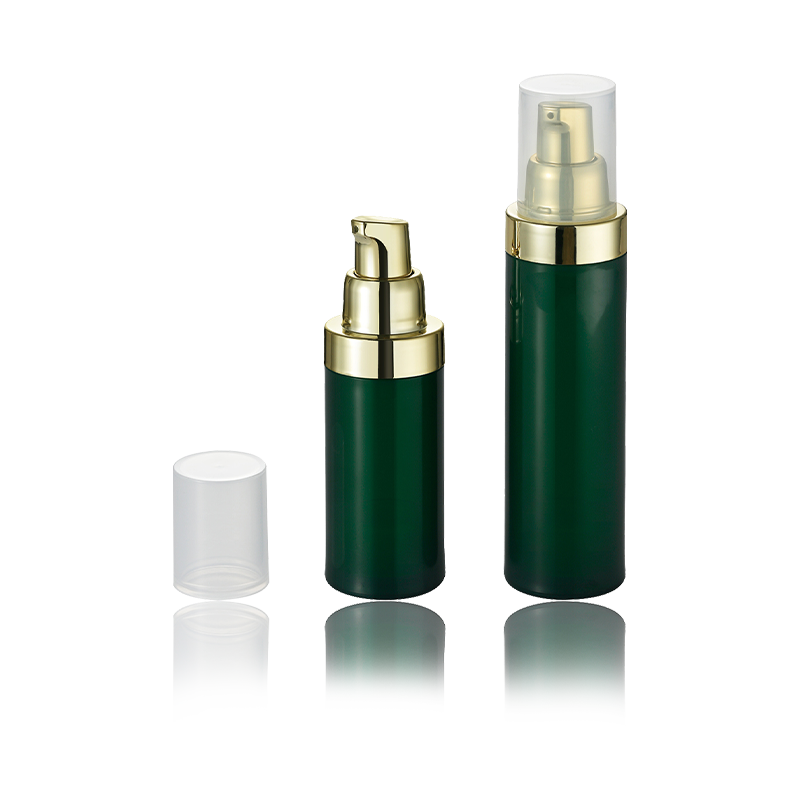
Item No Capacity Diameter(∅) Height HS-029B-30ML 30ML 33mm 111mm HS-029B-50ML 50ML 33mm 143mm
See DetailsContent