
 English
 中文简体
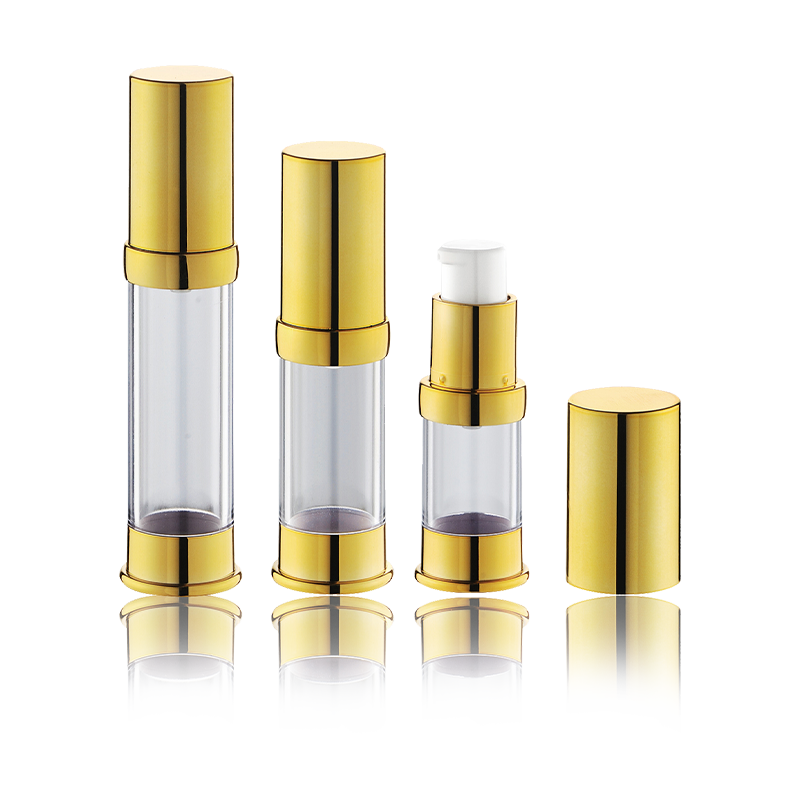
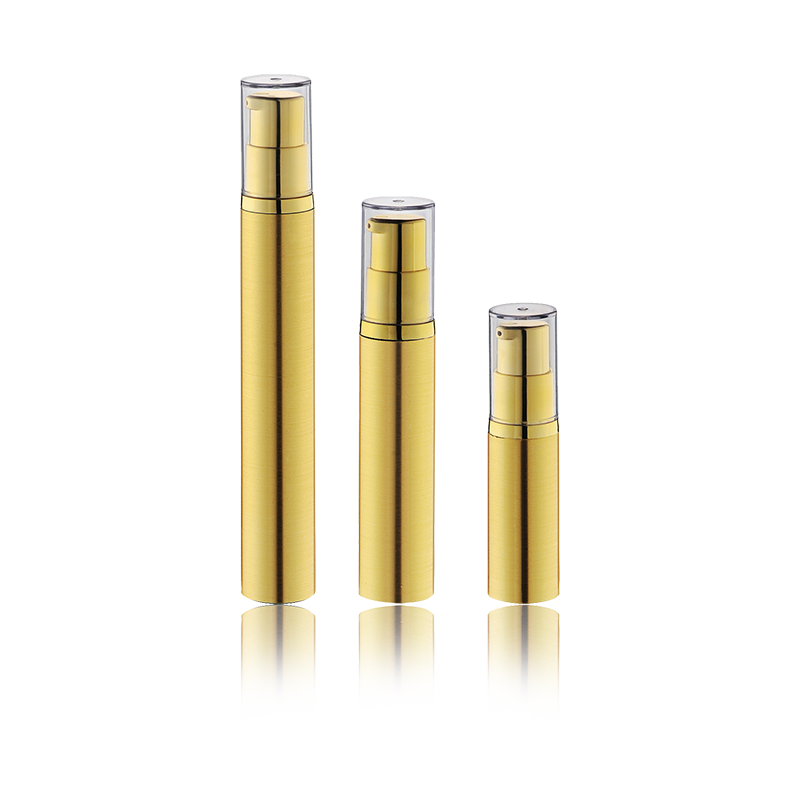
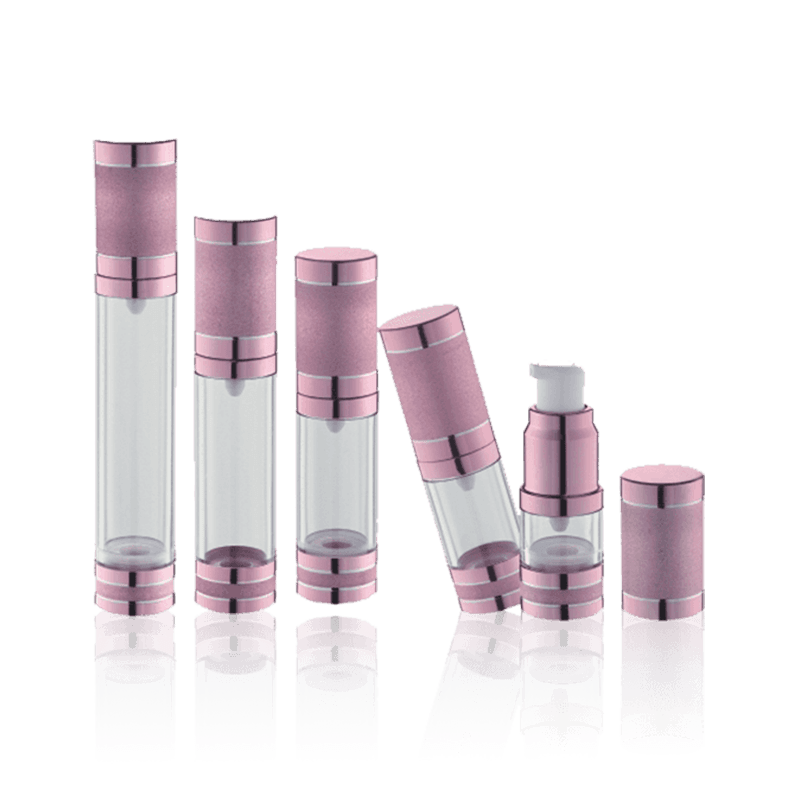
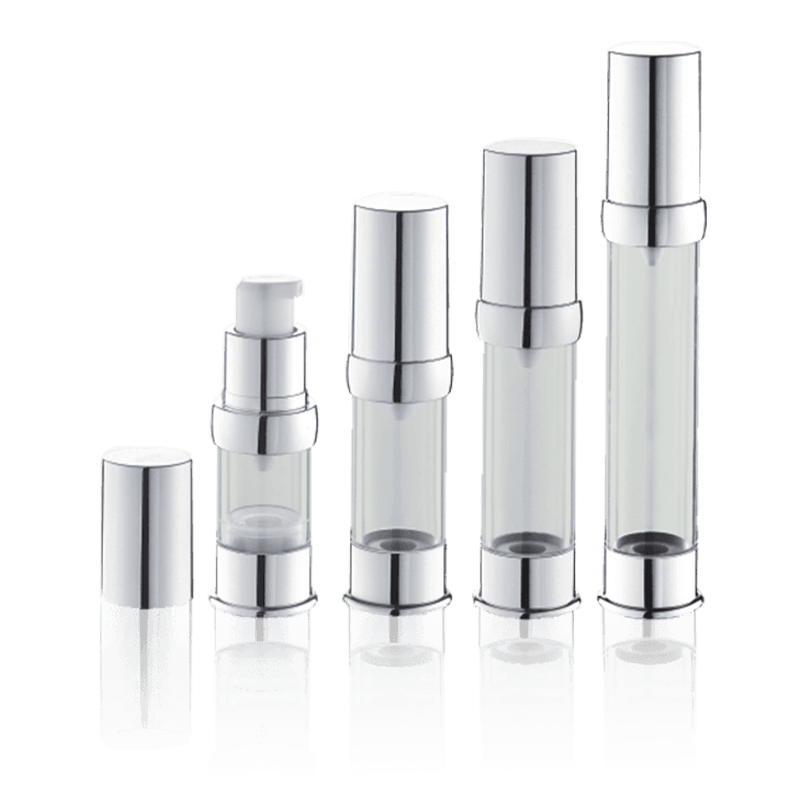
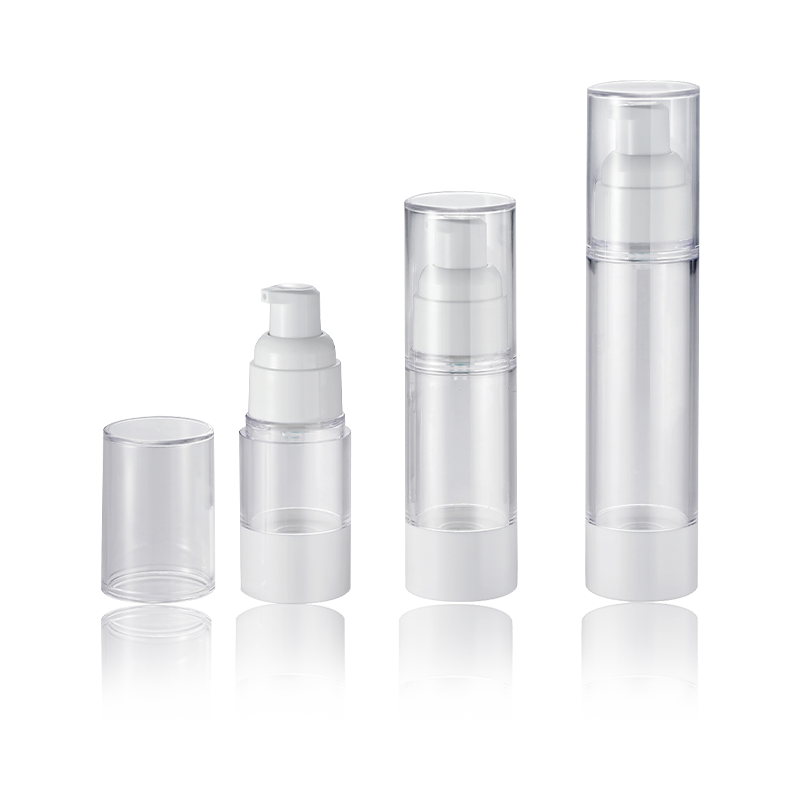
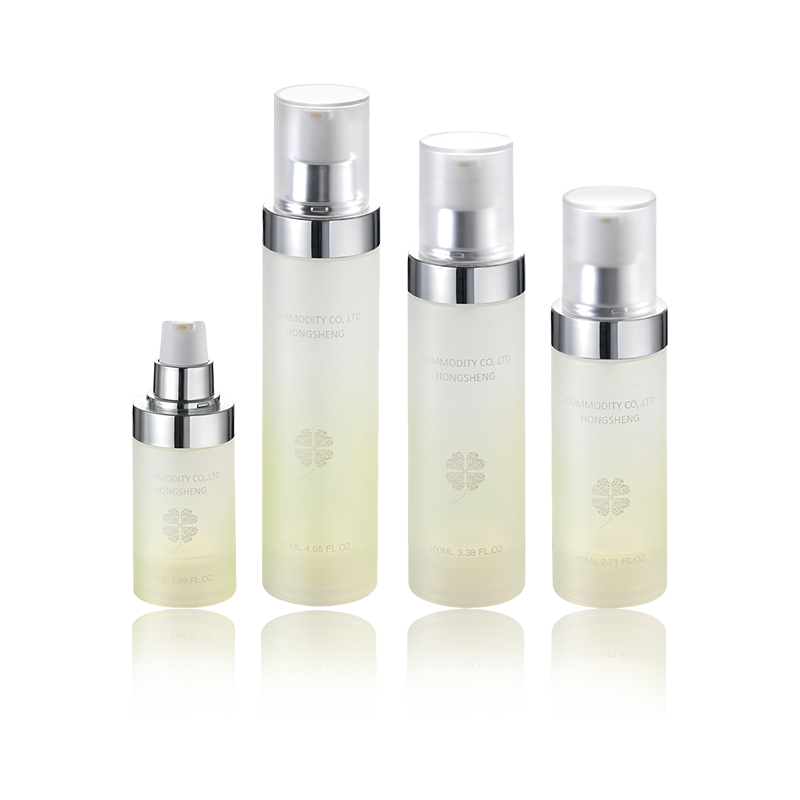
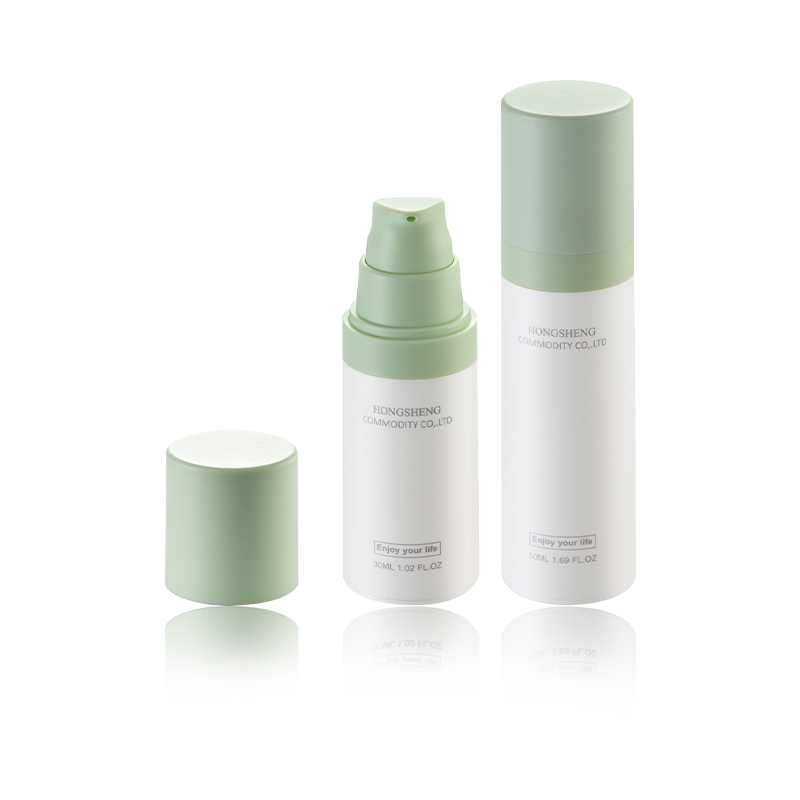
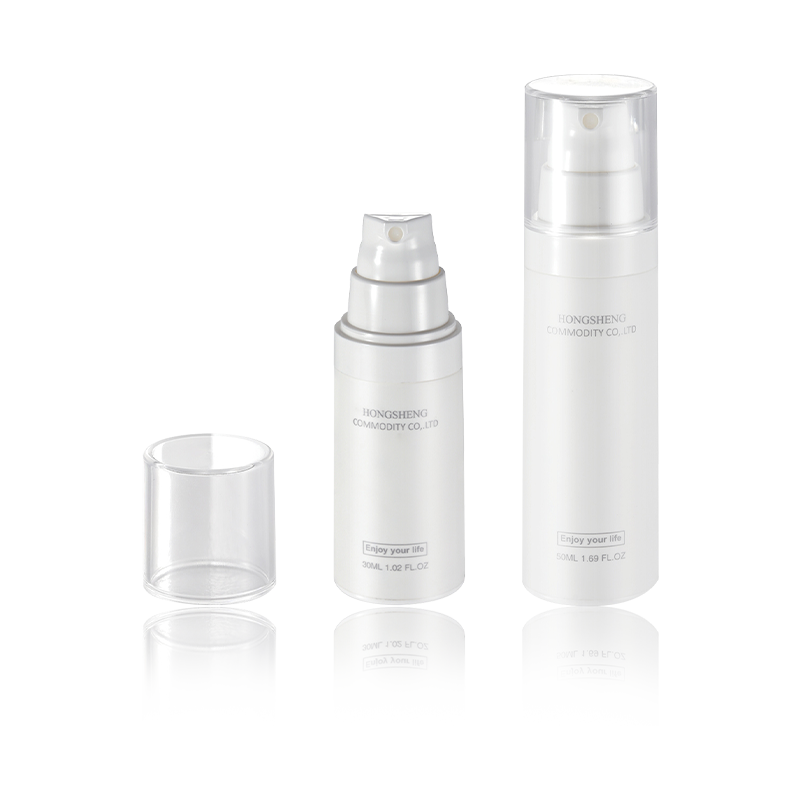
中文简体Refillable airless cosmetic bottles work by using an internal vacuum pump and a rising piston or bag system that dispenses product without ever letting air enter the container, which keeps the formula free from oxidation and contamination while allowing the empty bottle to be cleaned, restocked, and reused multiple times. This combination of airless dispensing and refillability addresses two of the biggest challenges in cosmetic packaging at once: protecting sensitive ingredients from degradation and reducing the environmental footprint of single-use packaging. This guide explains exactly how the airless mechanism works, why refillable design matters, and how to compare the different airless bottle types on the market.
How the Airless Pump Mechanism Actually Prevents Air Exposure
An airless pump mechanism prevents air exposure by using a vacuum-sealed piston that physically rises up through the bottle as product is dispensed, rather than relying on a straw-style tube that draws product from the bottom while air continuously refills the empty space above it. In a traditional pump bottle, every dispensing action creates a vacuum that pulls outside air into the container to replace the dispensed volume, and that air — along with the moisture, oxygen, and airborne contaminants it carries — comes into direct contact with the remaining product every single time.
Airless systems eliminate this exposure entirely. As the pump dispenses product, a piston seal moves upward inside the cylindrical container, maintaining constant contact with the product's surface and never allowing a gap for air to fill. This is the core engineering distinction that makes airless packaging fundamentally different from a standard pump or spray bottle, even though both may look similar from the outside.
Piston-Based vs. Bag-in-Bottle Airless Systems
Piston-based airless systems use a rigid plastic piston that physically slides up the bottle's inner wall, while bag-in-bottle systems use a flexible internal pouch that collapses inward as product is dispensed — both approaches prevent air exposure, but they differ in cost, viscosity compatibility, and how completely the container can be emptied. Piston systems are generally more common in mid-range cosmetic packaging due to lower manufacturing cost, while bag-in-bottle designs are often favored for premium or particularly sensitive formulations because they tend to leave less residual product trapped against the container wall.
Why Oxidation Protection Matters So Much for Cosmetic Formulas
Many active cosmetic ingredients — including vitamin C, retinol, and certain peptides — degrade rapidly when exposed to oxygen, light, and repeated air contact, which means airless packaging can meaningfully extend a product's effective shelf life and preserve its intended potency far longer than traditional jar or open-top packaging.
Published cosmetic chemistry research on vitamin C stability has documented that L-ascorbic acid, one of the most common and potent forms of vitamin C used in skincare, is particularly prone to oxidative degradation, turning the formula yellow or brown and reducing its antioxidant effectiveness once significant oxidation has occurred. This sensitivity is a major reason airless packaging has become especially popular for serums and treatments built around these unstable, high-performance active ingredients, rather than being used primarily for shelf-stable products like basic moisturizers.
Airless Packaging vs. Traditional Cosmetic Packaging
Airless packaging outperforms traditional jars and standard pump bottles on product preservation and hygiene, but typically costs more to manufacture and requires slightly more deliberate design to support refilling.
| Factor | Airless Bottle | Standard Pump Bottle | Open Jar |
| Air exposure during use | None | Moderate, with each pump | Constant, fully open |
| Finger contact risk | None | None | High — direct finger contact common |
| Product waste / residue left behind | Low | Moderate | Low to moderate, depends on viscosity |
| Manufacturing cost | Higher | Lower to moderate | Lowest |
| Suitability for unstable actives | Excellent | Fair | Poor |
Caption: Comparison of airless bottles, standard pump bottles, and open jars across air exposure, hygiene, waste, cost, and active ingredient suitability.
Which Refill Mechanisms Are Used in Refillable Airless Bottles?
Refillable airless bottles use one of three common refill approaches — replaceable inner cartridges, twist-open base refilling, or pour-and-reset systems — and the right choice depends on how the brand wants to balance consumer convenience against manufacturing and refill-pack cost.
Replaceable Cartridge Systems
Cartridge-based refill systems use a separate, pre-filled inner cartridge that simply slots into the outer airless housing, making the refill process essentially identical to swapping a printer ink cartridge — fast, clean, and largely foolproof for the end user. This approach typically requires the most precise manufacturing tolerances to ensure cartridges fit consistently across production batches, but it offers the most consumer-friendly refill experience of the three methods.
Twist-Open Base Refilling
Twist-open base systems allow the consumer to unscrew the bottom of the airless bottle, pour in new product directly, and reset the internal piston back to its starting position before reassembling the base — a slightly more hands-on process that avoids the need for a separate manufactured cartridge altogether. This method is often favored by brands prioritizing simpler manufacturing and lower-cost refill packs, such as pouches or simple bottles, over the cartridge format.
Pour-and-Reset Systems
Pour-and-reset systems are similar to twist-open base refilling but typically involve removing the entire pump head assembly rather than just the base, giving full access to the bottle's interior for thorough cleaning between refills — a useful feature for products especially sensitive to any residual contamination from the previous fill.
How Refillable Design Reduces Packaging Waste
A single refillable airless bottle can replace multiple disposable bottle purchases over its usable lifespan, since only the inner cartridge or product itself needs replacing rather than the entire outer housing, pump mechanism, and cap — meaningfully reducing the total volume of plastic packaging waste generated per unit of product consumed.
According to data compiled by the U.S. Environmental Protection Agency on plastic packaging in the broader containers and packaging waste stream, packaging makes up a substantial share of total municipal solid waste generated each year, with cosmetics and personal care packaging contributing a meaningful portion of that volume given how frequently these products are purchased and discarded. Refillable systems directly target this packaging waste problem by extending the functional life of the outer housing across many product cycles instead of discarding the entire unit after a single use cycle.
What Materials Are Commonly Used in Refillable Airless Bottles?
Refillable airless bottles are most commonly constructed from PP (polypropylene), PETG, or, increasingly, aluminum or glass outer shells paired with a plastic inner pump mechanism, with material choice affecting weight, recyclability, and overall premium feel.
| Material | Weight | Recyclability | Common Use Case |
| PP (polypropylene) | Light | Widely recyclable (RIC 5) | Mass-market skincare and haircare |
| PETG | Light | Recyclable in many programs | Clear or translucent premium packaging |
| Aluminum shell | Moderate | Highly recyclable | Premium and luxury skincare lines |
| Glass shell with plastic pump | Heavier | Glass highly recyclable; pump component varies | High-end serums, luxury cosmetics |
Caption: Common materials used in refillable airless bottle construction, compared by weight, recyclability, and typical product use case.
How to Choose the Right Airless Bottle Size and Pump Type
Choosing the right airless bottle involves matching pump output volume to the product's typical usage amount and ensuring the bottle's piston mechanism is rated for the formula's specific viscosity, since a pump calibrated for thin serums may not dispense a thicker cream consistently.
- Match pump dose size to product type — Lightweight serums often use smaller per-pump dose volumes (commonly around 0.1 to 0.2 mL) compared to thicker creams or lotions, which may dispense closer to 0.3 to 0.5 mL per pump to deliver an adequate amount in fewer pumps.
- Check viscosity compatibility — Very thick or very thin formulas may require a specifically calibrated piston tension and pump valve design; a mismatch can cause sputtering, incomplete dispensing, or air pockets forming around the piston seal.
- Consider bottle capacity relative to product turnover — A bottle sized too large for how quickly the product is used can leave product sitting in the container for extended periods, even though airless design significantly slows oxidation compared to open packaging.
- Evaluate refill pack compatibility — Confirm the refill cartridge or pouch size matches the outer housing precisely, since even small dimensional mismatches between refill generations can create fit or sealing problems.
How Manufacturers Test Airless Bottle Performance Before Production
Before an airless bottle design goes into full-scale production, manufacturers typically run dispensing consistency tests, drop and compression testing, and extended formula compatibility trials to confirm the packaging will perform reliably throughout its expected shelf life and usage cycle.
Dispensing Consistency Testing
Quality control testing typically involves repeated pump actuations — often numbering in the hundreds or thousands of cycles — to confirm the dose volume per pump remains consistent throughout the bottle's full usage life, rather than degrading or becoming erratic as the piston approaches the top of the cylinder. Inconsistent late-stage dispensing is one of the more common complaints with poorly engineered airless systems, making this type of cycle testing an important quality benchmark.
Formula Compatibility and Migration Testing
Compatibility testing checks whether specific plastic or seal materials interact negatively with a given formula over time, since certain active ingredients or solvent systems can cause swelling, cracking, or chemical migration between the packaging material and the product if the wrong combination is used. This testing is particularly important for refillable systems, since the piston seal and pump components must maintain a reliable seal across many refill cycles rather than just a single fill, making long-term material compatibility even more critical than it would be for single-use packaging.
Frequently Asked Questions About Refillable Airless Cosmetic Bottles
Can any cosmetic formula be put into an airless bottle?
Most liquid and cream-based formulas work well in airless packaging, but extremely thick or solid formulations — such as balms, sticks, or very heavy waxes — generally aren't compatible with the pump-and-piston mechanism, since these formats rely on physical extraction or different dispensing methods altogether rather than a vacuum pump system.
How do I know when a refillable airless bottle is actually empty?
Most airless pumps will begin requiring noticeably more pump strokes to dispense the same amount of product as the internal piston nears the top of the cylinder, and many bottles include a small viewing window or transparent strip along the side that lets you visually monitor remaining product level without needing to disassemble the unit.
Are refillable airless bottles more hygienic than jars?
Yes — since airless bottles dispense product through a sealed pump mechanism without direct finger contact, they avoid the repeated introduction of bacteria from fingers that commonly occurs with open jar packaging, where users dip fingers directly into the product. This hygiene advantage is one of the most frequently cited reasons skincare formulators prefer airless packaging for products with active ingredients sensitive to microbial contamination.
Can I clean and refill an airless bottle with a completely different product?
It's generally not recommended to switch dramatically different product types in the same refillable bottle without thorough cleaning and, ideally, drying time between fills, since residual product or moisture trapped around the piston seal could affect the stability or hygiene of the new formula. If a bottle is specifically designed and marketed for multi-product refill use, the manufacturer's specific cleaning instructions should be followed closely between fills.
Do airless bottles work well for travel?
Yes — airless bottles are generally well suited to travel since the sealed pump mechanism significantly reduces leakage risk compared to open-top jars or loosely sealed standard bottles, and because the piston only moves in one direction, pressure changes during air travel are less likely to cause unwanted product expulsion compared to containers with trapped air pockets.
Why do some airless bottles cost more than regular pump bottles?
Airless bottles require more precise manufacturing tolerances for the piston, cylinder, and vacuum seal to function correctly, along with additional components (such as the inner bag or piston assembly) not present in a standard pump bottle, all of which add to base manufacturing cost. Brands often pass at least part of this added packaging cost on to the consumer, though many argue the resulting product preservation and reduced waste from refillability justify the premium over the product's full usage lifecycle.
Conclusion
Refillable airless cosmetic bottles solve two persistent packaging problems at once — protecting sensitive, oxidation-prone formulas from degradation while reducing the cumulative plastic waste generated by repeated single-use packaging purchases. Whether you're a brand evaluating packaging options or a consumer trying to understand why your serum bottle works differently than a standard pump, understanding the airless mechanism, refill system type, and material trade-offs gives you a clearer basis for comparing options.
As more cosmetic brands shift toward sustainability-focused packaging and increasingly sophisticated active ingredient formulations, refillable airless technology is likely to keep expanding beyond the premium skincare segment where it first gained traction, becoming a more standard packaging choice across a broader range of everyday cosmetic and personal care products.