

 English
 中文简体
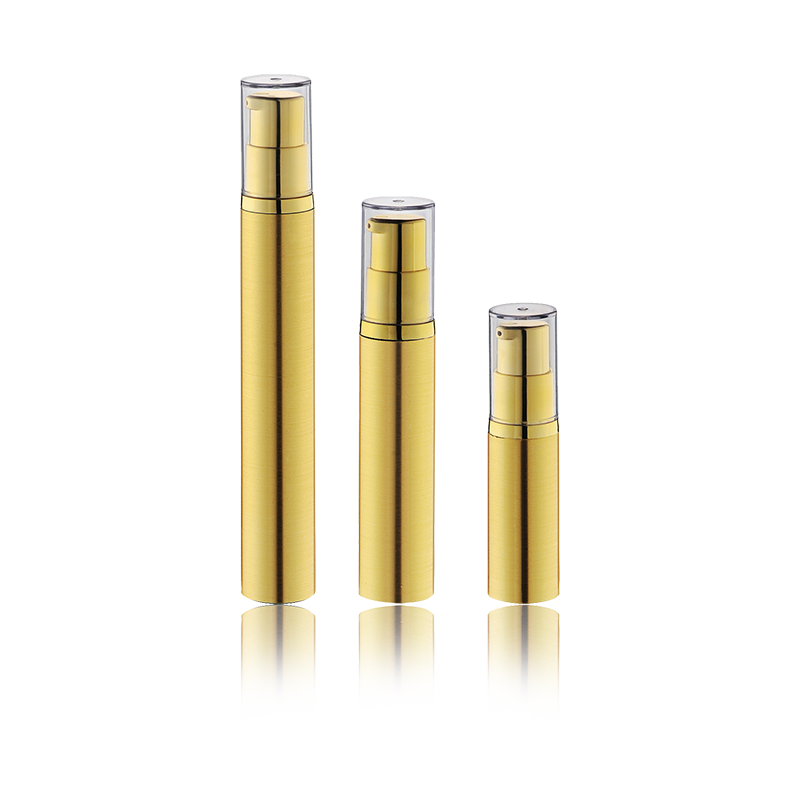
中文简体| Item No | Capacity | Diameter(∅) | Height |
| HS-003A- -5ML | 5ML | 18mm | 74mm |
| HS-003A- 10ML | 10ML | 18mm | 95mm |
| HS-003A- 15ML | 15ML | 18mm | 130mm |
Related Products
-
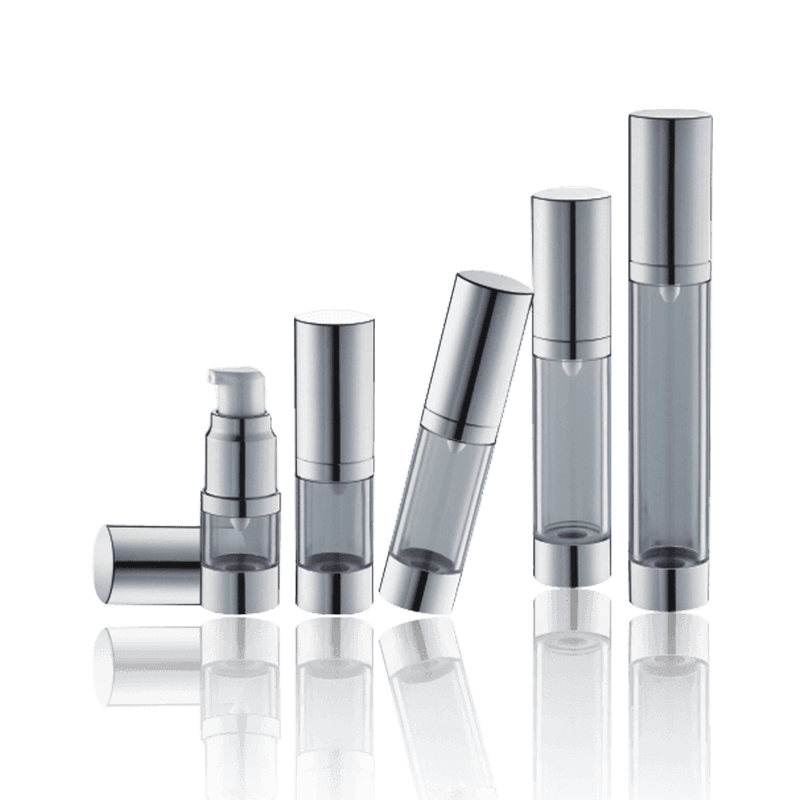
Vacuum Bottle-HS-004A
Cat:Airless Bottle
Item No Capacity Diameter(∅) Height HY-004A- 5ML 5ML 26mm 84mm HY-004A- 10ML 10ML 26mm 96mm HY-004A- 15ML 15ML 26mm 110mm HY-004A- 20ML 20...
See Details -
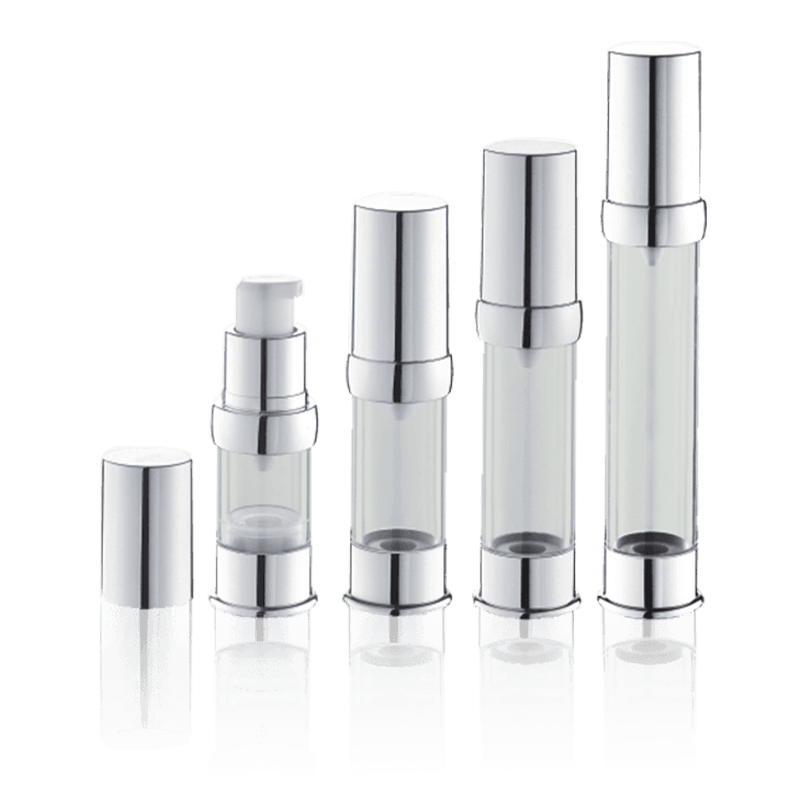
Vacuum Bottle-HS-005B
Cat:Airless Bottle
Item No Capacity Diameter(∅) Height HY-005C-10ML 10ML 26mm 95mm HY-005C-15ML 15ML 26mm 110mm HY-005C-20ML 20ML 26mm 126mm HY-005C-30ML 30M...
See Details -
-1.png "10ML-30ML Precise and controllable Airless Bottle-HS-006A")
Vacuum Bottle-HS-006A
Cat:Airless Bottle
Item No Capacity Diameter(∅) Height HY-006A- 10ML 10ML 26mm 90mm HY-006A- 15ML 15ML 26mm 105mm HY-006A- 20ML 20ML 26mm 121mm HY-006A- 30ML...
See Details -
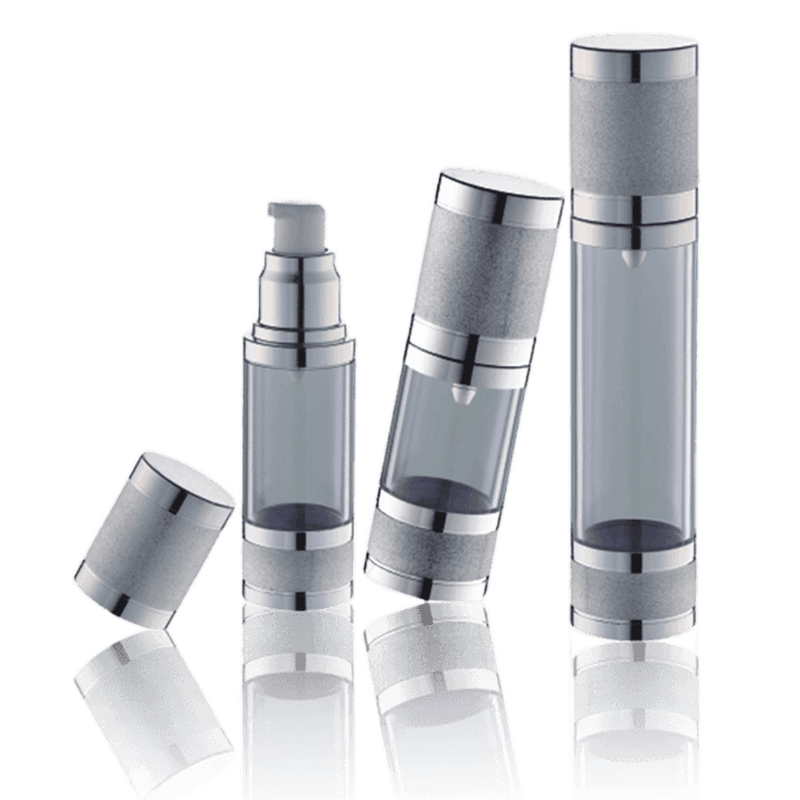
Vacuum Bottle-HS-010A
Cat:Airless Bottle
Item No Capacity Diameter(∅) Height HY-010A- 15ML 15ML 33mm 101mm HY-010A- 30ML 30ML 33mm 123mm HY-010A- -50ML 50ML 33mm 155mm
See Details -
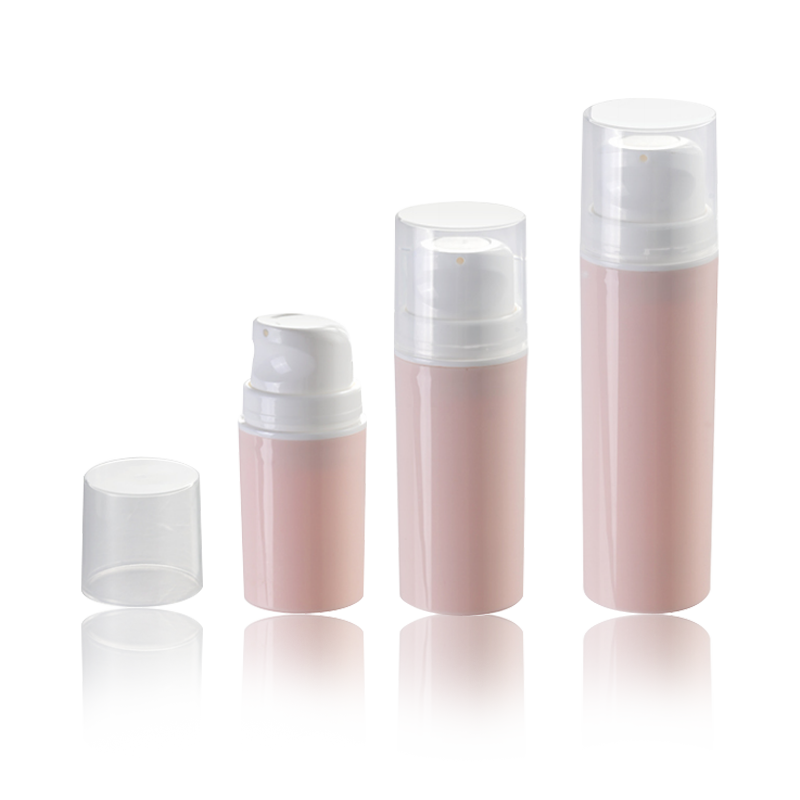
Vacuum Bottle-HS-011
Cat:Airless Bottle
Item No Capacity Diameter(∅) Height HS-011-15ML 15ML 35mm 85mm HS-011-30ML 30ML 35mm 104mm HS-011- 50ML 50ML 35mm 129.5mm Sytem: Airless P...
See Details -
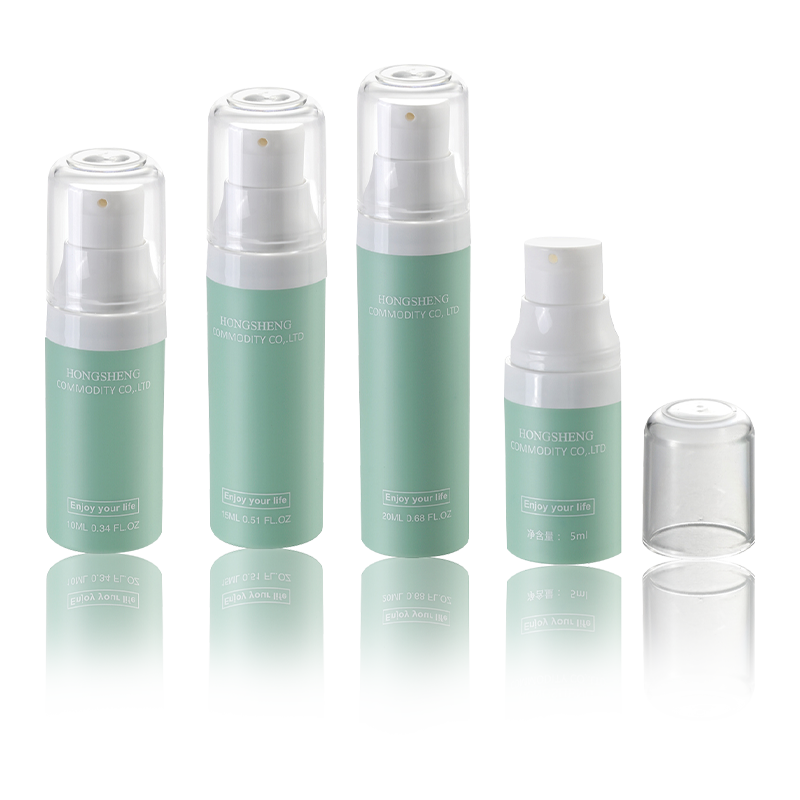
Vacuum Bottle-HS-012A
Cat:Airless Bottle
Item No Capacity Diameter(∅) Height HS-012A- 5ML 5ML 25mm 72mm HS-012A- 10ML 10ML 25mm 83mm HS-012A- 15ML 15ML 25mm 96mm HS-012A- 20ML 20M...
See Details -
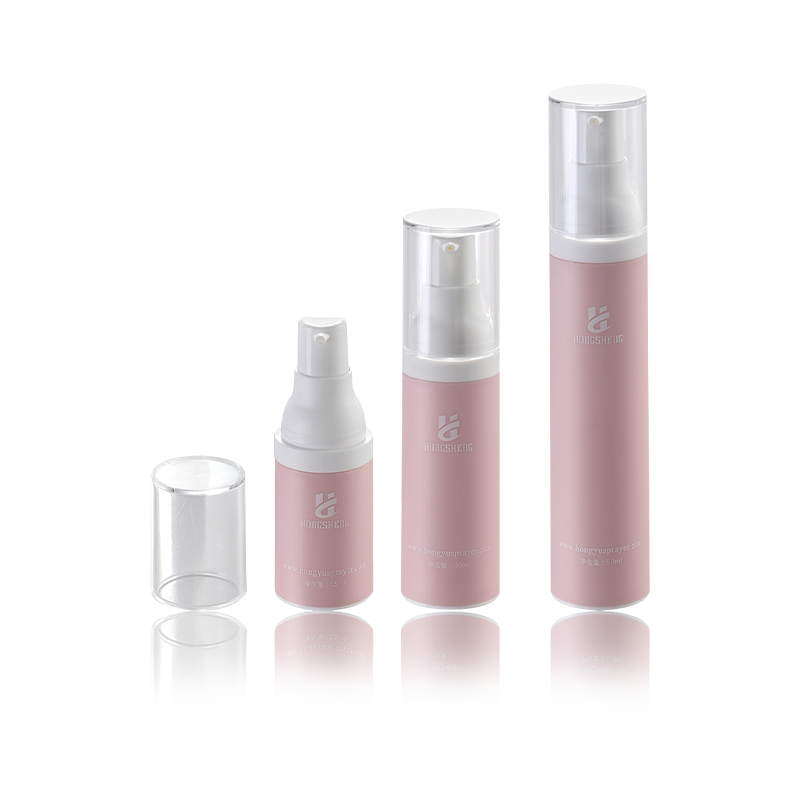
Vacuum Bottle-HS-013B
Cat:Airless Bottle
Item No Capacity Diameter(∅) Height HS-013B-15ML 15ML 29mm 96mm HS-013B-30ML 30ML 29mm 125mm HS-013B-50ML 50ML 29mm 145mm Sytem: Airless P...
See Details -
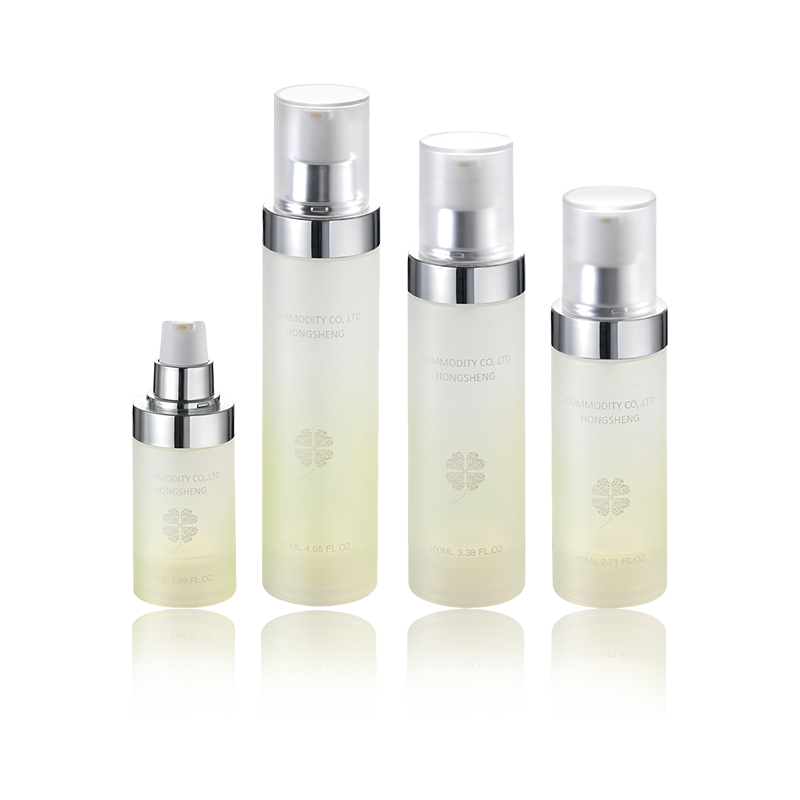
Vacuum Bottle-HS-017B
Cat:Airless Bottle
Item No Capacity Diameter(∅) Height HS-017B-50ML 50ML 41.5mm 120mm HS-017B-80ML 80ML 41.5mm 147mm HS-017B-100ML 100ML 41.5mm 164mm HS-017B...
See Details -

Vacuum Bottle-HS-017C
Cat:Airless Bottle
Item No Capacity Diameter(∅) Height HY-017C-50ML 50ML 41.5mm 117mm HY-017C-80ML 80ML 41.5mm 144mm HY-017C-100ML 100ML 41.5mm 161mm HY-017C...
See Details
About Us
Yuyao Hongsheng Commodity Co., Ltd.
Yuyao Hongsheng Commodity Co., Ltd. is located in Yuyao City, Zhejiang Province. The company integrates product design, R&D and innovation, production of injection molding, printing and electroplating, and business sales. It is a manufacturer providing professional cosmetics, daily chemical products, and cleaning supplies packaging materials. Its main products include various vacuum bottles, cream boxes, lotion pumps, spray pumps, and covers of various specifications.
As a professional China OEM 5ML 10ML 15ML mini Airless pump Bottle-HS-003A Suppliers and 5ML 10ML 15ML mini Airless pump Bottle-HS-003A company, After years of development, our company has advanced production technology and a professional business team. We value every need of our customers and provide personalized customization. The company adheres to the goal of producing the best products and providing the highest quality services, values the concept of green environmental protection, and is committed to providing you with the most perfect packaging. Welcome customers to call or write to order or customize products based on samples.
News
-
A packaging manager asked a fair question during a sampling review: if the bottle is recyclable but a quarter of the serum never leaves it, is the pack really sustainable? That question shapes the entire brief. In airless packaging, three things decide a cosmetic bottle's footp......
READ MORE -
An airless bottle is a rigid cosmetic container with a follower piston inside the body: press the pump, the piston rises, and the formula leaves the pack without ever meeting air or being drawn up a dip tube. That one mechanical difference decides most of the buying question fo......
READ MORE -
A double wall airless bottle is a two-layer cosmetic container with an inner chamber and an outer shell, sealed by an airless pump that dispenses product without letting external air back in. Because the inner chamber collapses or moves upward as product is removed, oxygen is k......
READ MORE -
A child resistant airless bottle merges a vacuum-driven dispensing system with a certified child-resistant closure, giving skincare, CBD, and OTC brands a packaging format that protects both the formula and the end user. This is not a niche specification; it is a legal requirem......
READ MORE
Airless Bottle Industry knowledge
In the field of modern cosmetic packaging, 5ML 10ML 15ML mini Airless pump Bottle-HS-003A is gradually becoming the preferred packaging solution for mid-to-high-end skin care products and professional functional cosmetics, especially the small capacity and easy-to-carry mini specifications (such as 5ML, 10ML, 15ML) are increasingly favored by brands and consumers.
1. Principles and advantages of vacuum bottles
The vacuum pump bottle realizes the "zero air contact" extraction method through the piston design, effectively isolating the air and preventing external bacteria, oxides or moisture from entering the bottle. Compared with traditional pump bottles or open bottles, vacuum bottles have obvious advantages in the following aspects:
High sealing: extend the shelf life of the product and reduce the amount of preservatives;
Precise dosage control: the output is consistent each time you press to avoid waste;
Reduce reflux pollution: prevent secondary pollution caused by air reflux after use;
Continuous and stable output: even if the liquid in the bottle is close to the end, it can be discharged smoothly.
2. Rise of market demand for mini-capacity
As consumers’ preference for “portable skin care”, “packaging for travel” and “on-demand purchase” increases, small-capacity vacuum pump bottles have emerged, which are particularly suitable for the following usage scenarios:
Travel/carry-on: 5ML-15ML capacity is adapted to aircraft security standards and is easy to carry;
Trial/experience pack: allows users to try high-end products at low cost before purchasing;
Highly concentrated products: such as eye cream and essence, usually only need to be used in small amounts;
Customized skin care: meets the packaging needs of precise formulas for different people and skin types.
3. Environmental protection trends promote the development of vacuum packaging
Today, when sustainable development has become an industry consensus, vacuum bottles are also constantly moving closer to environmental protection in terms of material selection and structural design. Recyclable and environmentally friendly plastics are mostly used, the bottle body is light, easy to recycle and reuse, and caters to the brand’s green packaging needs.
4. Technology and quality are the key
Although the structure seems simple, a high-quality vacuum pump bottle must meet the following requirements:
The gap between the piston and the bottle wall is extremely small but does not stick to each other, ensuring smooth pumping;
The bottle mouth and the pump head are precisely matched to prevent leakage and blockage;
No jamming or continuous flow after multiple presses, reflecting the elasticity and resilience of the pump head;
Compatible with a variety of paste/liquid textures, maintaining a good distribution state.
