
 English
 中文简体
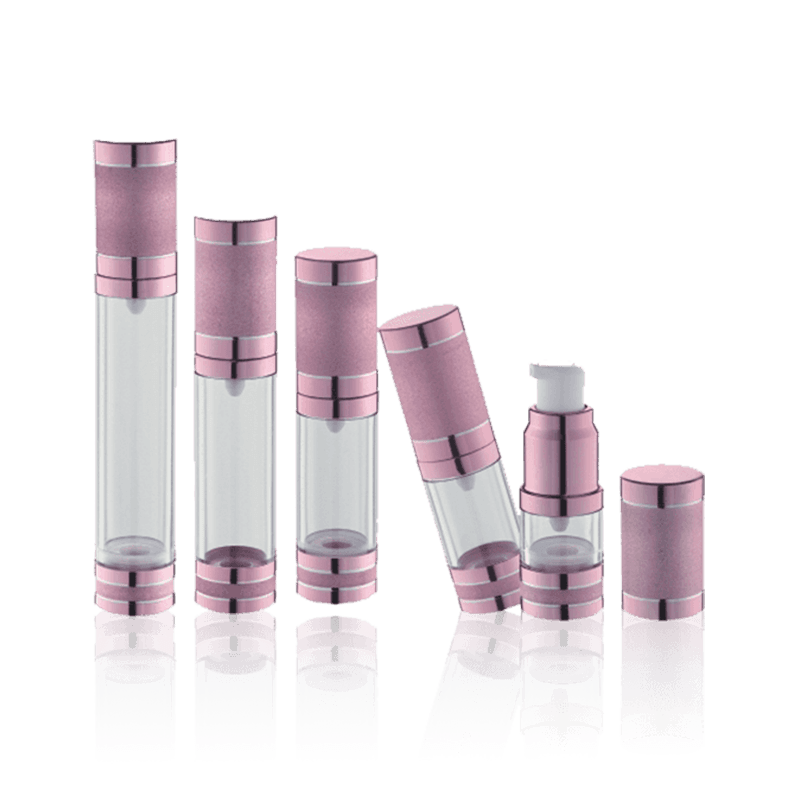
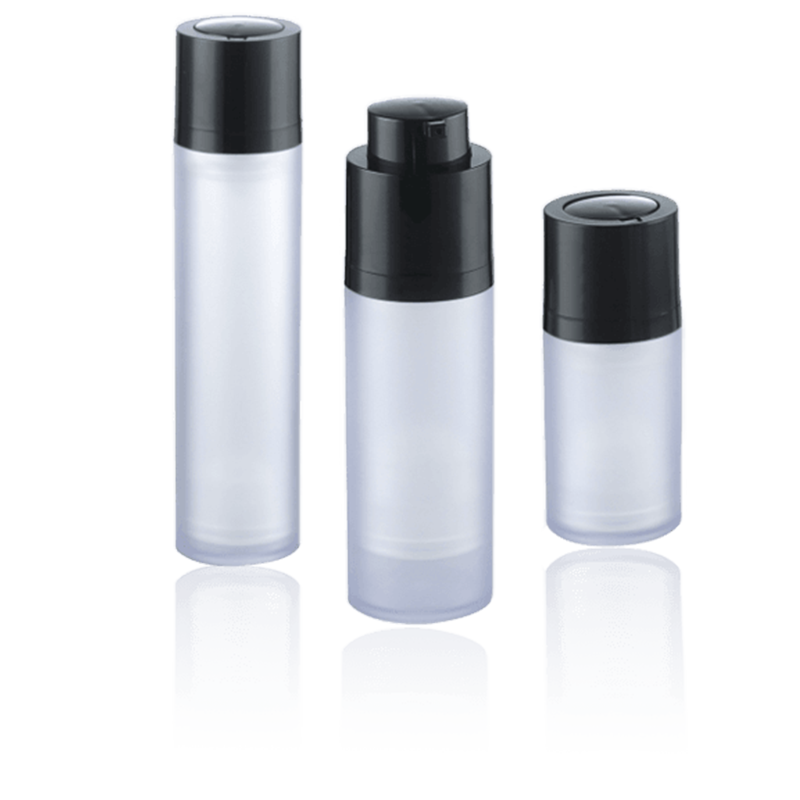
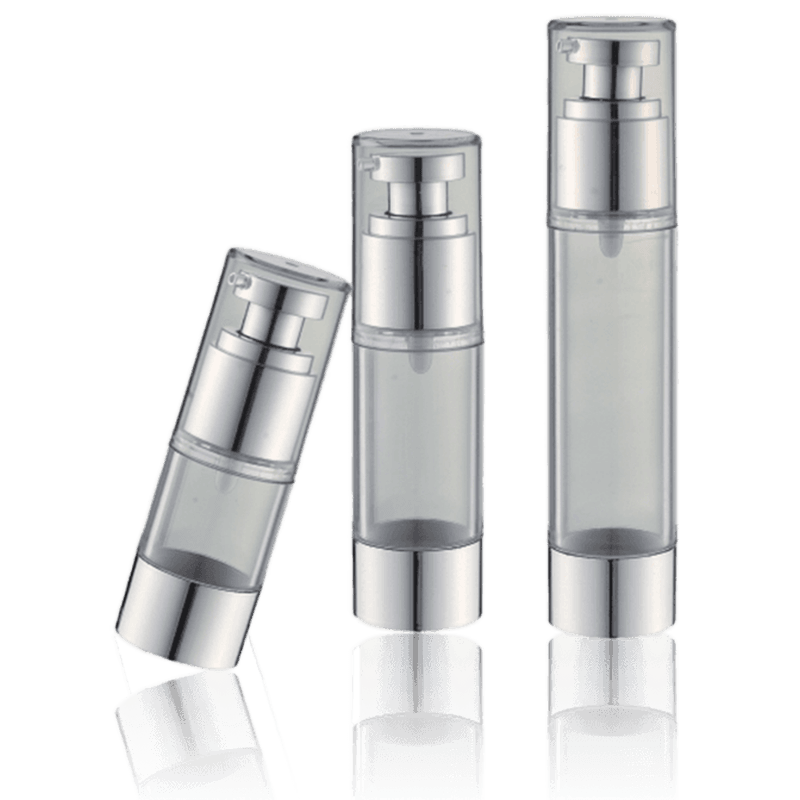
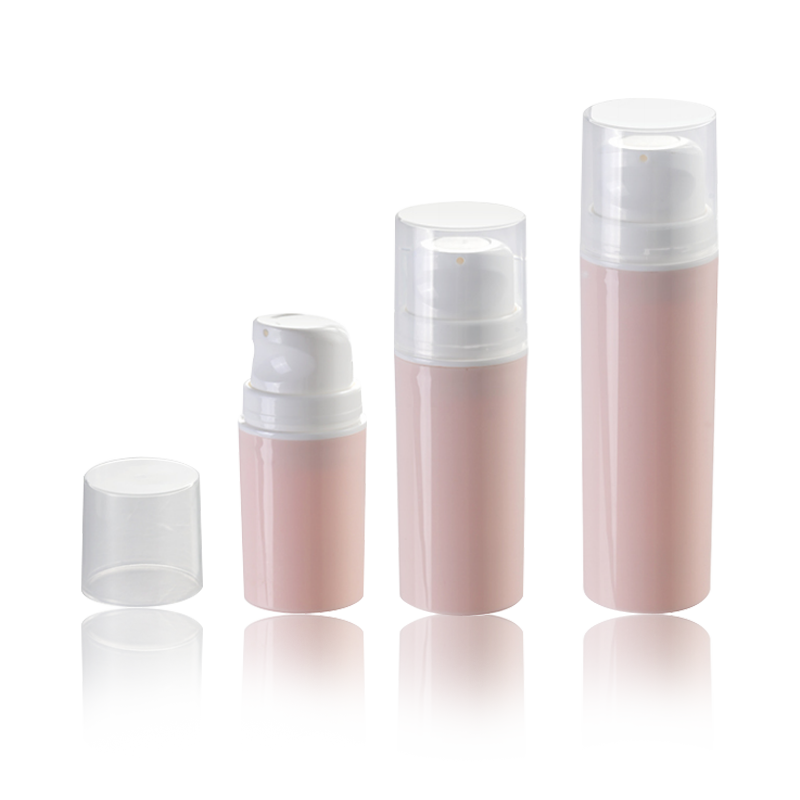
中文简体A cosmetic airless pump bottle keeps products fresh by using an internal piston, rather than a dip tube, that rises as product is dispensed, sealing the remaining formula away from outside air completely and preventing the oxidation that gradually breaks down sensitive ingredients like vitamin C, retinol, and peptides. Unlike a standard pump bottle, which lets replacement air flow in every time it's pressed, an airless pump bottle creates a vacuum-driven, sealed environment from the very first use until the bottle is empty. This single design difference explains why airless packaging has become the default choice for serums, anti-aging creams, and other formulations where air exposure can quietly destroy a product's effectiveness.
What Exactly Is a Cosmetic Airless Pump Bottle?
A cosmetic airless pump bottle is a non-pressurized dispensing container that uses a vacuum mechanism to push product upward without allowing air to enter, replacing the dip tube found in conventional pumps with an internal piston or flexible disc that travels upward as the formula is used. This design minimizes oxidation and contamination, making it ideal for formulations with active ingredients such as vitamin C, retinol, and natural plant extracts.
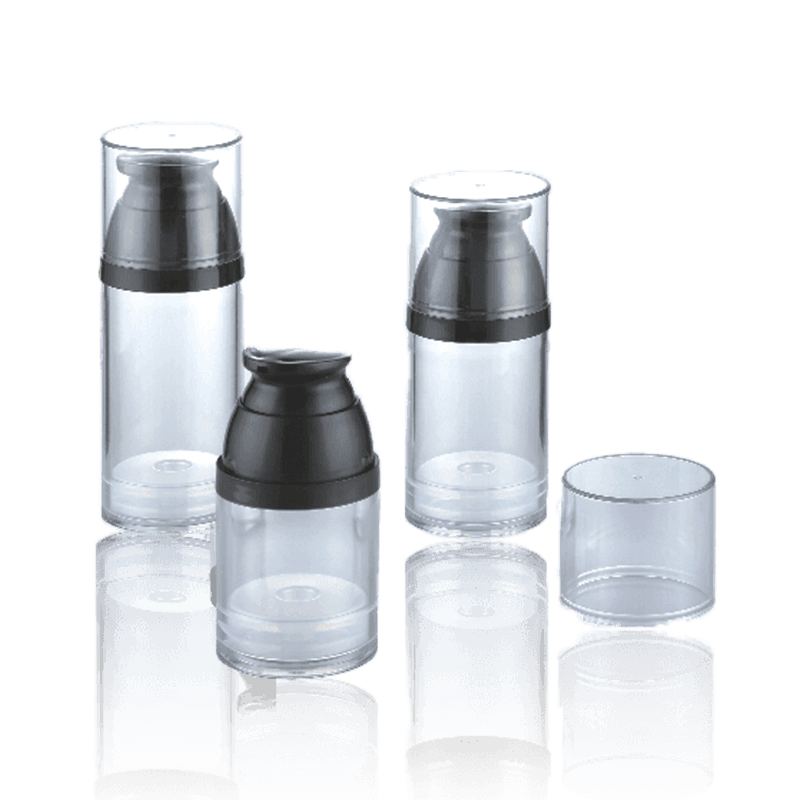
At first glance, an airless bottle can look nearly identical to a standard lotion bottle with a pump on top, but the internal mechanics are fundamentally different. Inside an airless system there's typically an outer container body, a pump engine including the actuator and internal chamber, a moving piston or flexible inner bag, and a set of seals and vents that control air movement so that oxygen never reaches the product compartment during normal use.
How Does an Airless Pump Bottle Actually Work?
An airless pump bottle works by using the pressing motion of the pump to draw a fixed volume of formula into a chamber, then forcing that formula out through the nozzle while the internal piston rises just enough to fill the space the dispensed product left behind, so no outside air is ever pulled in to replace it. This entire process happens in a sealed loop, which is the defining feature that gives the packaging its name.
The Priming Stage
The first few strokes of any new airless pump are used to prime the system, since each stroke moves the piston or compresses the inner bag, creating a partial vacuum in the chamber above. During priming, ambient air pushes the piston upward, or collapses the bag, until the formula reaches the pump chamber for the first time. New bottles need a few extra pumps to prime the piston, so users should keep pressing until the vacuum system fully activates and product begins flowing consistently.
Normal Dispensing
Once primed, each subsequent stroke of the pump moves the piston inside the engine, drawing a fixed volume of formula into the chamber, then closes the inlet and opens the outlet, forcing the formula through the nozzle. The piston then rises slightly, following the exact volume that has been dispensed. Because the system is fully sealed, air does not enter the product space the way it would in a vented, dip-tube pump; the only air intake happens during the initial priming stage, and even that is controlled to limit oxygen exposure.
Which Types of Airless Pump Mechanisms Exist?
There are three main mechanism types used in airless cosmetic packaging: piston systems, collapsible bag systems, and Bag-on-Valve (BOV) systems, each suited to different formulation viscosities and packaging shapes. Choosing the right mechanism depends heavily on the product's texture and the brand's design goals.
| Mechanism Type | How It Works | Best For | Limitation |
| Piston System | A rigid plate rises inside the bottle, pushing product upward as pressure builds | Luxury cosmetics and skincare | Limits packaging shape; less sustainable in some designs |
| Collapsible Bag System | Product sits in an inner bag that folds in on itself as the vacuum activates | Free-flowing liquids and serums | Bag material adds manufacturing complexity |
| Bag-on-Valve (BOV) | Product sits inside a foil bag; air or nitrogen propellant compresses it from outside | Aerosol-style sprays and foams | Requires specific plastic grades to withstand pressure |
Table 1: Comparison of the three main airless pump mechanism types used in cosmetic packaging, including how each works and its ideal application.
Pump Output Varies by Formula Viscosity
Airless pump engines are typically categorized by output volume per stroke, ranging from as little as 0.1 ml or 0.23 ml for mini sizes and travel packs, up to 2.0 ml for standard skincare and foundation products. Pumps optimized for low-viscosity, free-flowing formulas may require many strokes to prime if used with a thicker product, which is why matching the pump engine to the formula's viscosity is a critical part of choosing the right airless packaging.
Why Do Brands Choose Airless Pump Bottles Over Traditional Pumps?
Brands choose airless pump bottles over traditional pumps primarily to protect oxygen-sensitive active ingredients, extend shelf life, reduce product waste through near-total evacuation, and improve hygiene during repeated daily use. Each of these benefits has measurable, documented impact on product performance.
- Prevents oxidation: Airless packaging protects sensitive ingredients from air exposure, which is the leading cause of active ingredient breakdown in skincare formulas containing vitamin C, retinol, or natural extracts.
- Extends shelf life: By maintaining product stability over time, airless systems allow formulas to remain effective well past the point where the same product in conventional packaging would begin to degrade.
- Improves hygiene: Because the product never touches outside air or a user's fingers, airless packaging reduces contamination risk during repeated use, which matters especially for products applied near the eyes or on broken skin.
- Reduces product waste: Because there is no dip tube, the product is dispensed evenly until nearly empty, meaning consumers can use almost the entire contents rather than leaving residue trapped at the bottom of the bottle.
- Enables lower preservative use: Thanks to the protection from contact with external agents, many cosmetics formulated for airless packaging can rely on a lower concentration of chemical preservatives, which appeals to brands marketing "clean" or minimally preserved formulas.
How Much Better Does Airless Packaging Actually Protect Sensitive Formulas?
Documented testing shows airless packaging can preserve over 95% of an active ingredient's potency after six months, compared to significant losses in conventional pump or jar packaging over the same period, with vitamin C serums providing the clearest measurable example. The data on this specific ingredient is especially striking because vitamin C degradation is visible to the naked eye.
Vitamin C quickly oxidizes in traditional packaging, turning from clear or light yellow to brown as it loses strength. A controlled study comparing packaging types found that vitamin C serums in airless pump bottles kept their clarity and light yellow color throughout testing, while the same formulations in traditional packaging turned brown within weeks of opening. The study also tracked pH levels as an indicator of chemical stability: airless-packaged vitamin C maintained consistent pH levels, while serums in traditional packaging showed changing pH values that matched the visible color changes, confirming active ingredient breakdown. The most striking finding was that vitamin C in airless bottles lost only about 5% potency after six months, while the same formula in regular bottles lost over 40% of its original potency in the same timeframe.
Separate research on airless packaging more broadly reports that products in airless containers can last up to 15% longer than those in traditional packaging, and that airless cosmetic packaging can reduce product waste by up to 30%, since less of the formula is left trapped or degraded inside the container by the time it's discarded.
Airless Pump Bottles vs. Traditional Pump Bottles: A Full Comparison
Airless pump bottles outperform traditional pump bottles on product protection, hygiene, and evacuation, while traditional pumps remain the more practical and economical option for stable, high-volume, everyday formulas. Choosing between the two ultimately depends on the formula's sensitivity to air and the brand's budget and positioning.
| Feature | Airless Pump Bottle | Traditional Pump Bottle |
| Dispensing mechanism | Internal piston or vacuum bag, no dip tube | Dip tube draws product from the bottom |
| Air exposure | None during normal use after priming | Air enters with every press to replace dispensed volume |
| Manufacturing cost | Higher, due to pistons, seals, and precise molds | Lower, simpler components and design |
| Product evacuation | Near-total; dispensed evenly until almost empty | Residual product often trapped at the bottom |
| Best suited formulas | Serums, retinol creams, vitamin C, anti-aging products | Lotions, shampoos, body wash, stable everyday products |
| Brand positioning | Premium, modern, high-end image | Classic, widely familiar, practical |
Table 2: Side-by-side comparison of airless pump bottles and traditional pump bottles across mechanism, air exposure, cost, evacuation, and ideal use case.
Which Cosmetic Products Benefit Most From Airless Packaging?
Products formulated with oxygen-sensitive active ingredients, low or no preservatives, and high price points per use benefit the most from airless pump packaging, since these are exactly the formulas where air exposure causes the most noticeable and costly degradation.
- Facial serums and anti-aging creams: These products protect delicate active ingredients like vitamin C, retinol, or peptides, which are exactly the compounds most prone to breaking down when exposed to repeated air contact.
- Sunscreens: Airless packaging keeps sunscreen formulas stable against oxidation, helping maintain the active UV-filtering compounds at their labeled concentration over the product's full shelf life.
- Eye creams: Hygienic dispensing prevents contamination, which matters significantly for products applied to the delicate, sensitive skin around the eyes.
- Liquid foundations: Airless dispensing ensures smooth, controlled application without waste, which is especially valuable for higher-viscosity, color-matched cosmetic formulas.
- Travel-size skincare: The leak-proof design of airless packaging makes these bottles ideal for carry-on travel, since there's no risk of the product leaking out through a vented pump under cabin pressure changes.
What Are the Downsides of Airless Pump Bottles?
The main downsides of airless pump bottles are higher manufacturing costs, more limited container shapes, and a steeper learning curve for first-time users who may not realize the pump needs to be primed before it dispenses smoothly. These trade-offs explain why traditional pumps still dominate for simpler, lower-cost products.
Airless bottles require more advanced engineering, including internal pistons or vacuum systems, which can increase production costs compared to a traditional pump bottle's simpler dip-tube design. Piston systems specifically limit the packaging shape and can be a less sustainable option in certain designs, since the moving internal components add complexity to recycling. Some users also find the dispensing mechanism challenging to master at first, sometimes leading to over- or under-dispensing until they get a feel for how many pumps deliver the amount they need. Upfront costs can be higher than standard pumps, though brands often find that reduced waste, longer shelf life, and fewer product returns offset the difference over time.
Why Does Airless Packaging Matter for Sustainability?
Airless packaging supports sustainability goals primarily by reducing product waste through near-complete evacuation and by enabling refillable bottle designs, though the multi-component construction does add some complexity to recycling compared to a simple single-material pump bottle. Many brands now use refillable airless packaging made with recyclable or post-consumer recycled materials, helping reduce overall plastic waste. By using nearly every drop of product, consumers also end up purchasing fewer replacement bottles over time, which lowers the overall carbon footprint associated with manufacturing and shipping new packaging. Regulatory pressure in regions such as the European Union is increasingly pushing sustainable packaging requirements, making refillable airless systems a forward-looking choice for brands planning ahead.
Frequently Asked Questions About Cosmetic Airless Pump Bottles
Q: Why won't my new airless pump bottle dispense product right away?
New airless bottles need a few extra pumps to prime the piston before product begins flowing consistently. This is completely normal: the first several presses move air through the system and draw the formula up into the pump chamber for the first time. Continuing to press steadily will activate the vacuum system, after which dispensing should become smooth and consistent.
Q: Can airless pump bottles be refilled?
Yes, depending on the specific design. Refillable airless pump bottles are increasingly available, but hygiene and durability matter when reusing them, since the internal piston and seals need to remain intact and clean to maintain the airless function on subsequent fills. Many brands now design their airless packaging specifically with refilling and sustainability in mind.
While airless packaging is strongly associated with premium and luxury skincare positioning, its core function, protecting formulas from oxidation, applies just as practically to mid-range products containing sensitive ingredients. The technology is increasingly common across facial serums, sunscreens, eye creams, foundations, and even some medical and pharmaceutical creams, not just high-end cosmetics.
Q: How do I know if a bottle is truly airless, or just designed to look like one?
Not every bottle that looks like an airless pack is actually airless. A genuinely airless bottle has no dip tube and relies on an internal piston, disc, or collapsible bag to push product upward, while a bottle that merely resembles airless packaging but still uses a dip tube and vented air channel will allow air to enter during use, just like a standard pump. Checking the product specifications or asking the packaging supplier directly is the most reliable way to confirm true airless functionality.
Q: Do airless pump bottles work for thick, high-viscosity creams?
Yes, but the pump engine needs to be matched to the formula's thickness. Most skincare and foundation products fall into a middle output range, with pumps delivering between 0.23 ml and 2.0 ml per stroke, and these mid-range pumps are specifically engineered with internal channels and valve designs that reduce product hanging on the bottle wall, minimizing streaking and ensuring smooth evacuation as the piston rises. A pump designed for thin, free-flowing liquids may struggle or feel stiff if paired with a much thicker cream.
Q: Is it normal for an airless pump to feel different from a regular spray or lotion pump?
Yes, the feel is intentionally different. Airless pumps are designed to deliver controlled, metered doses with each press, giving users a precise application every time rather than the variable spray or stream typical of a standard pump. This metered dispensing helps users avoid overuse or spillage, making the overall skincare routine more efficient and consistent from one use to the next.
Summary
A cosmetic airless pump bottle solves one of the most persistent problems in skincare packaging: keeping a formula protected from air, light, and contamination from the very first use until the very last drop. By replacing the dip tube with an internal piston or collapsible bag, airless systems create a sealed, vacuum-driven environment that documented testing shows can preserve over 95% of a sensitive ingredient's potency after six months, compared to losses exceeding 40% in conventional packaging over the same period.
While airless pump bottles do come with higher manufacturing costs and a brief learning curve around priming, the trade-off consistently favors brands and consumers working with serums, retinol creams, vitamin C formulas, and other actives that degrade quickly when exposed to oxygen. As sustainability expectations rise and refillable airless designs become more common, this packaging format looks set to remain the standard for any cosmetic product where freshness, hygiene, and full product evacuation genuinely matter.