
 English
 中文简体
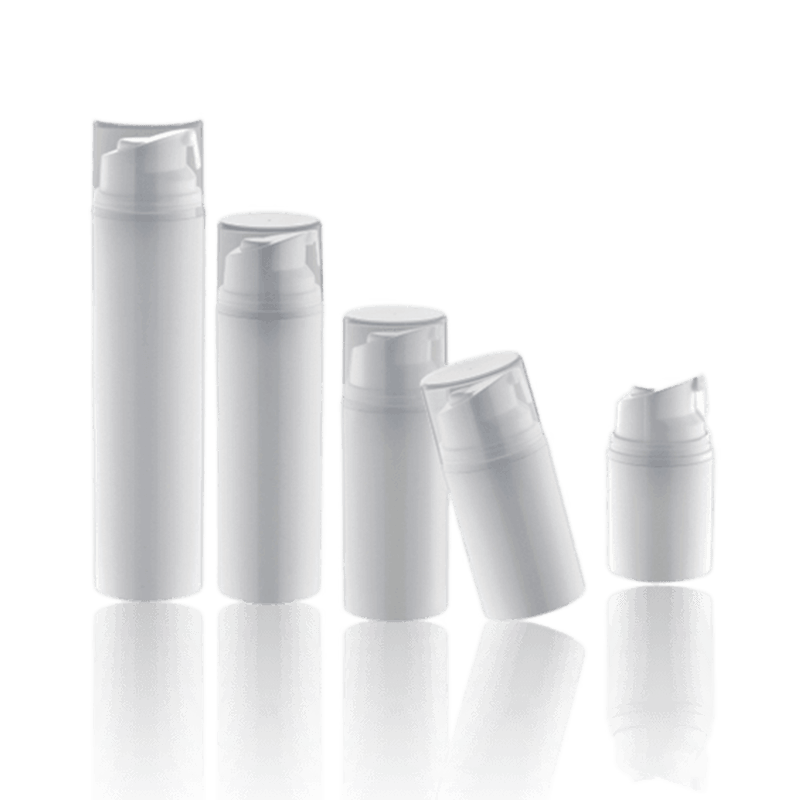
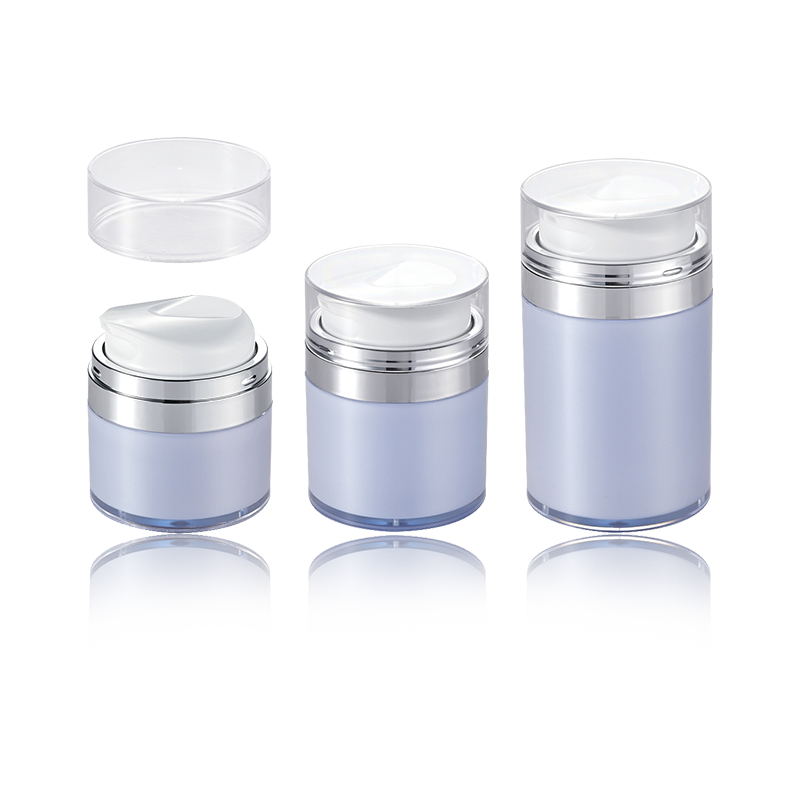
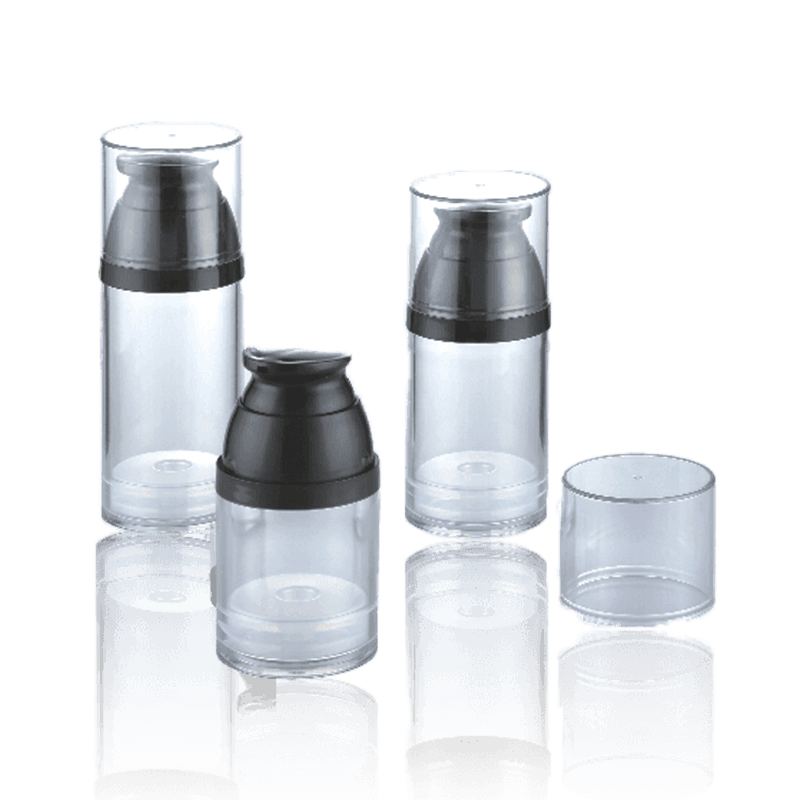
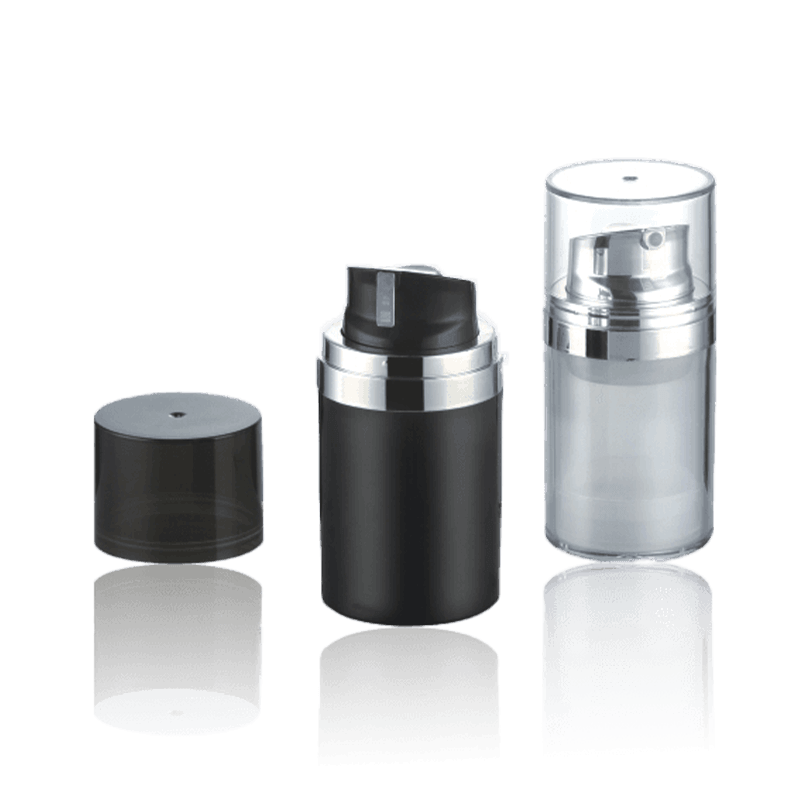
中文简体Choosing the right airless cosmetic bottles comes down to three core factors: pump mechanism quality, material compatibility with your formula, and volume capacity that matches your product line. Whether you are a cosmetic brand owner, private label manufacturer, or indie formulator, selecting the wrong airless bottle can lead to wasted product, formula degradation, and poor customer experience. This guide walks you through every critical decision point so you can confidently source airless pump bottles for cosmetics that protect your formula and impress your customers.
What Are Airless Cosmetic Bottles and Why Do They Matter?
Airless cosmetic bottles are dispensing containers that use a vacuum-based mechanism rather than a dip tube to push product upward, preventing air from entering the bottle. This design means your serum, moisturizer, or foundation stays protected from oxidation, contamination, and microbial exposure throughout its shelf life.
Studies in cosmetic packaging research indicate that airless dispensing systems can extend a product's active ingredient stability by up to 40% compared to conventional open-neck bottles. For formulas containing Vitamin C, retinol, hyaluronic acid, or peptides — all of which are highly sensitive to oxidation — switching to airless packaging is not optional; it is essential.
The global airless packaging market was valued at approximately USD 6.9 billion in 2023 and is projected to grow at a CAGR of over 5.5% through 2030, driven by the surge in premium skincare and anti-aging product lines. This growth reflects both consumer demand for effective formulas and brand commitment to superior packaging.
Understanding the Types of Airless Pump Mechanisms
The pump mechanism is the single most important component in any airless cosmetic bottle; it determines dosage accuracy, product evacuation rate, and long-term reliability.
1. Piston-Type Airless Bottles
The piston-type system uses an internal movable disc that rises as product is dispensed, pushing contents upward without introducing air. This is the most common airless mechanism and achieves evacuation rates of 95–98%, meaning almost no product is left behind. It is ideal for lotions, serums, and foundations with viscosities ranging from 1,000 to 80,000 cP (centipoise).
2. Bag-in-Bottle (Pouch-Type) Airless Bottles
In a bag-in-bottle design, the formula is sealed inside a collapsible inner bag, and atmospheric pressure from a small air vent compresses the bag as product is dispensed. This design is especially suitable for highly active or aggressive formulas (such as those with AHAs or BHAs) because the formula never contacts the outer container wall. Evacuation rates can reach 99%+, minimizing waste.
3. Spring-Loaded Pump Airless Bottles
These use a stainless-steel or plastic spring inside the pump head to maintain vacuum pressure. They are cost-effective for mid-range cosmetic lines and perform well with thinner serums and essences. However, spring-loaded mechanisms tend to have a shorter operational cycle life — typically 5,000–8,000 actuations — compared to piston systems that can exceed 15,000 actuations.
| Mechanism | Best For | Evacuation Rate | Actuations | Cost Level |
| Piston-Type | Lotions, Serums, Foundations | 95–98% | 10,000–15,000+ | Medium |
| Bag-in-Bottle | Active Ingredients, AHA/BHA | 99%+ | 8,000–12,000 | High |
| Spring-Loaded Pump | Essences, Light Serums | 90–94% | 5,000–8,000 | Low–Medium |
Table 1: Comparison of airless pump mechanism types by key performance indicators.
How to Choose the Right Material for Airless Cosmetic Bottles
Material compatibility with your specific formula is non-negotiable; choosing the wrong resin or composite can cause leaching, discoloration, or formula breakdown within weeks.
Polypropylene (PP)
PP is the most widely used material for airless cosmetic bottle bodies. It offers excellent chemical resistance, is lightweight, and is compatible with most water-based, oil-based, and emulsion formulas. PP bottles are FDA-compliant for cosmetic use and can withstand temperature ranges from -10°C to 80°C. Most standard airless bottles on the market use PP for both the outer shell and inner piston.
PETG (Polyethylene Terephthalate Glycol)
PETG is the preferred choice when transparency and glass-like clarity are required. It is impact-resistant, BPA-free, and compatible with most cosmetic formulas including alcohol-based toners and gel serums. PETG provides crystal-clear visibility of the product inside, which enhances shelf appeal — particularly important for premium and luxury cosmetic lines.
Acrylic (PMMA)
Acrylic airless bottles offer a high-end, glass-like appearance at a lower weight. They are popular for luxury skincare brands but should be avoided for formulas containing strong solvents, as acrylic can crack or cloud when exposed to acetone, alcohol concentrations above 30%, or certain essential oils.
Glass + Airless Pump Combination
Some premium airless serum bottles combine a glass outer shell with an internal PP airless mechanism. This combination delivers the sustainability and prestige of glass with the protection benefits of airless dispensing. Glass is chemically inert and compatible with virtually all cosmetic formulas. The trade-off is higher production cost — typically 2.5–4x the cost of equivalent plastic airless bottles — and increased fragility during shipping.
| Material | Clarity | Chemical Resistance | Weight | Relative Cost | Eco Score |
| PP | Opaque/Semi | Excellent | Light | $ | Recyclable |
| PETG | Crystal Clear | Good | Light | $$ | Recyclable |
| Acrylic (PMMA) | High Gloss | Moderate | Medium | $$$ | Difficult to Recycle |
| Glass + PP Airless | Transparent | Excellent | Heavy | $$$$ | Highly Recyclable |
Table 2: Comparison of common materials used in airless cosmetic bottles across key selection criteria.
Selecting the Right Volume and Dosage Output
Volume selection should be driven by your product's average use cycle and target price point; most premium skincare brands opt for 15 mL to 50 mL airless bottles to communicate luxury and justify higher pricing.
Here is how different volumes align with typical cosmetic product categories:
- 5 mL – 15 mL: Eye serums, concentrated treatments, travel-size products. Ideal for high-value active ingredients where small doses per application are expected.
- 15 mL – 30 mL: Anti-aging serums, vitamin C formulas, retinol treatments. The most popular range for premium serum packaging. A standard 30 mL airless serum bottle typically delivers 200–250 pump actuations, covering approximately 4–8 weeks of daily use.
- 30 mL – 60 mL: Moisturizers, BB creams, facial oils. Appropriate for products applied more generously. A 50 mL airless bottle is a standard size for day and night creams.
- 60 mL – 150 mL: Body serums, hand creams, and salon-grade professional products. Larger airless dispensers in this range are often refillable.
Dosage output per actuation is equally critical. Most cosmetic airless pumps dispense 0.1 mL to 0.5 mL per press. For formulas where precise dosing affects efficacy — such as prescription-grade cosmeceuticals or retinol-based products — request custom pump actuations from your packaging supplier to ensure consistent delivery.
Airless Bottle Design and Customization Options
The visual design of an airless cosmetic bottle directly influences consumer perception of product quality and brand value. Packaging research consistently shows that over 72% of consumers base initial purchase decisions on packaging aesthetics, making the design of your airless bottle a key marketing asset.
Shape and Profile
Airless bottles are available in cylindrical, oval, square, rectangular, and custom-molded shapes. Cylindrical and oval profiles are the most ergonomic for handheld use, while square and rectangular bottles maximize shelf space efficiency in retail environments. Custom-molded bottles require tooling fees — typically starting at USD 3,000–8,000 per mold — but offer unique differentiation.
Surface Finishes
Available finishes for airless cosmetic packaging include matte, glossy, frosted, soft-touch coating, metallic plating, UV coating, and hot stamping. Soft-touch matte finishes are currently the dominant choice in premium skincare, as they communicate a tactile luxury experience and resist fingerprints.
Decoration Techniques
Common decoration options include silk-screen printing, hot stamping, laser engraving, in-mold labeling (IML), and shrink sleeve labels. For small batches under 500 units, silk-screen printing offers the best cost-per-unit. For orders exceeding 5,000 units, hot stamping and laser engraving deliver significantly better durability and premium visual effect.
Pump Head Styles
The pump head (actuator) is a visible and frequently touched component. Popular choices include disc top actuators, flat-top actuators, elongated nozzle heads, and lock-down pump heads for travel safety. Lock-down pump heads are strongly recommended for retail and e-commerce channels to prevent leakage during transit.
Minimum Order Quantities and Sourcing Considerations
MOQ (minimum order quantity) is a practical constraint that shapes which airless cosmetic bottle options are realistically available to your brand at its current scale.
Standard stock airless bottles from packaging suppliers typically carry MOQs of 500–1,000 units per SKU, while custom-color or custom-mold orders generally require 3,000–10,000 units minimum. For indie brands or those launching test batches, stock airless bottles in standard colors (white, black, clear) offer the fastest lead time — typically 2–4 weeks versus 8–14 weeks for custom production.
When evaluating suppliers, request the following documentation to ensure quality compliance:
- Material safety data sheets (MSDS) for all resins used
- FDA or EU cosmetic packaging compliance certificates
- Actuation cycle test reports (minimum 10,000 cycles recommended)
- Compatibility test results for your specific formula type
- Leak and pressure test documentation
Sustainability and Eco-Friendly Airless Packaging
Sustainable airless cosmetic bottles are rapidly becoming a competitive differentiator, with 68% of global beauty consumers actively preferring brands with eco-conscious packaging.
Key sustainability options to look for when choosing eco-friendly airless packaging include:
- PCR (Post-Consumer Recycled) Resin: Airless bottles made from 20–100% PCR-PP or PCR-PET reduce virgin plastic use significantly without compromising structural integrity.
- Mono-material Construction: Bottles made entirely from one polymer (e.g., all-PP including pump components) are far easier to recycle than multi-material assemblies.
- Refillable Airless Systems: Refillable airless bottles reduce packaging waste by up to 80% across a product's lifetime and are gaining traction in luxury skincare and zero-waste cosmetic lines.
- Bio-Based Plastics: Some suppliers now offer airless bottles manufactured from sugarcane-derived PE (bio-PE), which carries a significantly lower carbon footprint than petroleum-derived equivalents.
Common Mistakes to Avoid When Choosing Airless Cosmetic Bottles
Even experienced cosmetic brand managers make costly packaging errors; knowing the most common pitfalls helps you avoid expensive revisions mid-production.
- Skipping compatibility testing: Never assume a bottle will work with your formula without lab testing. High-oil formulas can degrade certain PP grades, and alcohol-heavy formulas can cloud acrylic walls.
- Ignoring viscosity limits: Airless pumps have viscosity ceilings. A formula above 100,000 cP may not pump at all in a standard airless bottle. Always check viscosity compatibility ranges with your supplier.
- Underestimating fill rates: Most airless bottles should only be filled to 85–90% of nominal capacity to allow the piston to seat properly. Overfilling causes pump failure.
- Choosing aesthetics over function: A visually stunning bottle that leaks, dispenses inconsistently, or jams after 200 presses will destroy customer trust. Always prioritize pump performance data over appearance alone.
- Overlooking regulatory labeling space: Ensure your chosen bottle profile has sufficient flat surface area to accommodate mandatory ingredient, warning, and regulatory labels per your target market requirements (FDA, EU Cosmetics Regulation, etc.).
Matching Airless Bottle Specifications to Your Product Type
Use this quick-reference guide to match your cosmetic product type to the most suitable airless bottle specification.
| Product Type | Recommended Volume | Mechanism | Preferred Material | Dosage per Actuation |
| Vitamin C Serum | 15–30 mL | Piston or Bag-in-Bottle | PP / PETG (opaque) | 0.1–0.2 mL |
| Moisturizer / Cream | 30–60 mL | Piston-Type | PP / Acrylic | 0.3–0.5 mL |
| Foundation / BB Cream | 30–50 mL | Piston-Type | PP / PETG | 0.3–0.5 mL |
| Retinol Treatment | 15–30 mL | Bag-in-Bottle | PP (opaque) | 0.1–0.15 mL |
| Eye Serum | 5–15 mL | Spring-Loaded / Piston | Glass / PETG | 0.05–0.1 mL |
| Body Lotion / Oil | 100–150 mL | Piston-Type | PP / PCR-PP | 0.5–1.0 mL |
Table 3: Recommended airless bottle specifications matched to common cosmetic product types.
Frequently Asked Questions About Airless Cosmetic Bottles
Q: Are airless bottles truly 100% airtight?
Not entirely, but they are significantly more airtight than standard pump bottles. A well-designed airless cosmetic bottle reduces air contact by over 99% compared to a standard open-dip-tube dispenser. The piston mechanism eliminates the need for an air intake vent that would otherwise allow oxygen into the formula with every pump.
Q: Can airless bottles be refilled?
Yes, many refillable airless cosmetic bottles are available on the market. These typically feature a twist-off base or a removable pump top for easy refilling. Refillable airless systems are particularly popular in sustainable skincare lines and professional salon settings. Ensure the bottle is rated for multiple fill cycles — typically 3–5 refills before piston seal integrity may degrade.
Q: What is the difference between an airless bottle and a vacuum pump bottle?
The terms are used interchangeably in the industry. Both refer to containers that use a rising internal piston and vacuum pressure to dispense product without relying on a dip tube or gravity. Vacuum pump bottle is a more mechanical descriptor, while airless bottle emphasizes the key consumer benefit — keeping the formula air-free.
Q: How do I test if an airless bottle is compatible with my formula?
The standard compatibility testing protocol involves filling the bottle with your formula, storing it at 40°C and 75% relative humidity for 8–12 weeks (accelerated stability conditions), and then evaluating the formula for color change, separation, odor shift, and pH variation, while also checking the bottle for deformation, discoloration, or seal failure. Many packaging suppliers offer fill-and-test sample programs for qualified buyers.
Q: Why won't my airless bottle pump on the first use?
This is a common issue caused by air in the pump channel during initial priming. To prime the bottle, press the pump actuator several times rapidly — typically 5–10 presses — until the formula reaches the nozzle. If the bottle still does not dispense after 15+ presses, the piston may be positioned too low relative to the fill level. Contact your supplier; this is usually a filling line error.
Q: What is the typical shelf life extension achieved by using airless bottles?
Using airless cosmetic packaging can extend a formula's PAO (period after opening) by 6–18 months depending on the formula's active ingredient sensitivity. For example, a Vitamin C serum packaged in a standard bottle might have a PAO of 3 months, while the same formula in an airless bottle can maintain efficacy for 9–12 months post-opening under similar storage conditions.
Final Takeaway: A Checklist for Choosing Airless Cosmetic Bottles
Selecting the right airless cosmetic bottle is not a one-size-fits-all decision. Use the following checklist to ensure every critical variable is addressed before placing your order:
- Confirm your formula's viscosity and pH to identify compatible mechanism and material types
- Choose piston-type for standard formulas, bag-in-bottle for highly active or aggressive chemistry
- Select volume based on expected use cycle and target retail price bracket
- Request actuation cycle test reports — minimum 10,000 cycles for daily-use products
- Conduct compatibility and stability testing before committing to large production runs
- Specify lock-down pump heads for e-commerce and travel retail channels
- Consider PCR materials or refillable designs to support sustainability positioning
- Verify sufficient labeling surface area for your target regulatory market
By systematically evaluating mechanism type, material compatibility, volume, aesthetics, MOQ, and sustainability, you will be positioned to choose an airless cosmetic bottle that protects your formula, reflects your brand's values, and delivers the dispensing experience your customers expect.