
 English
 中文简体
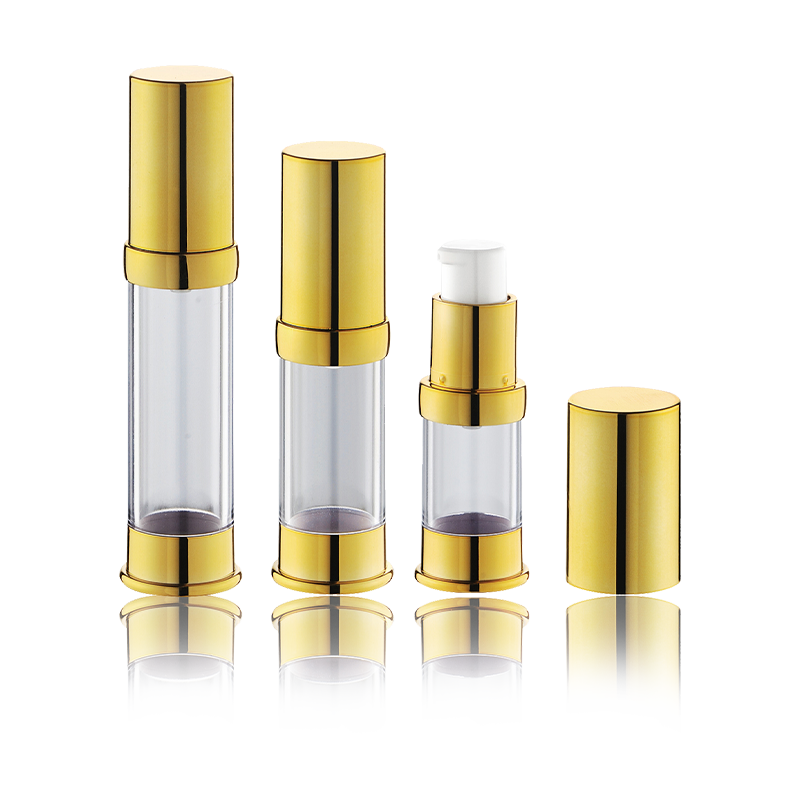
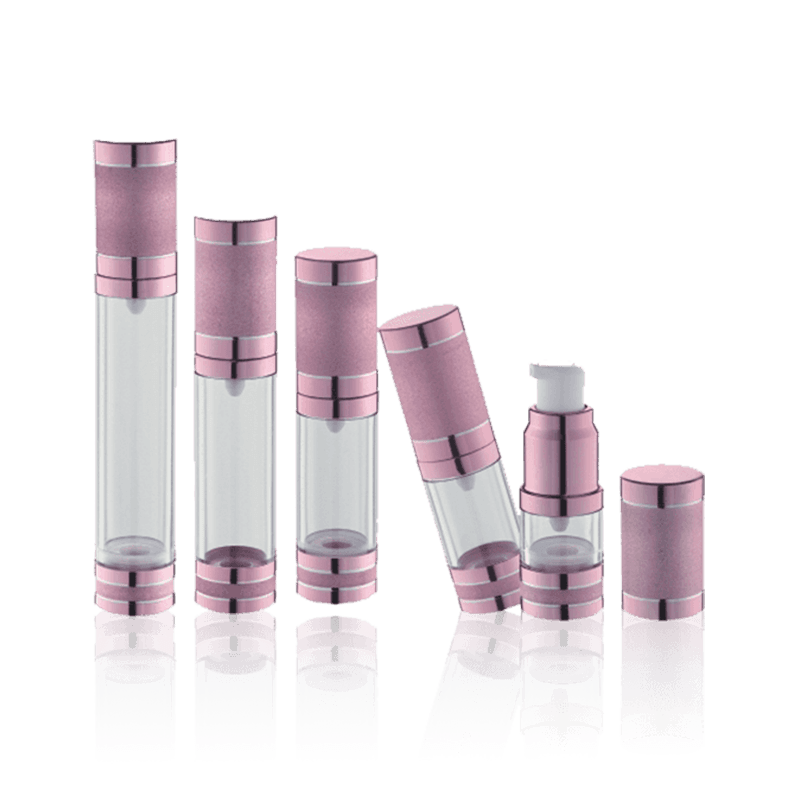
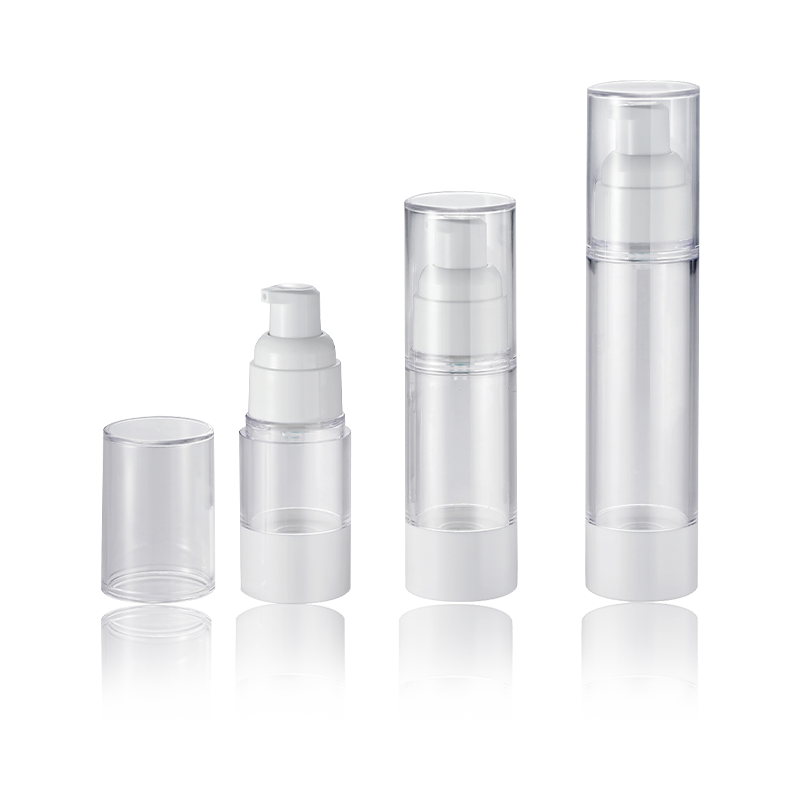
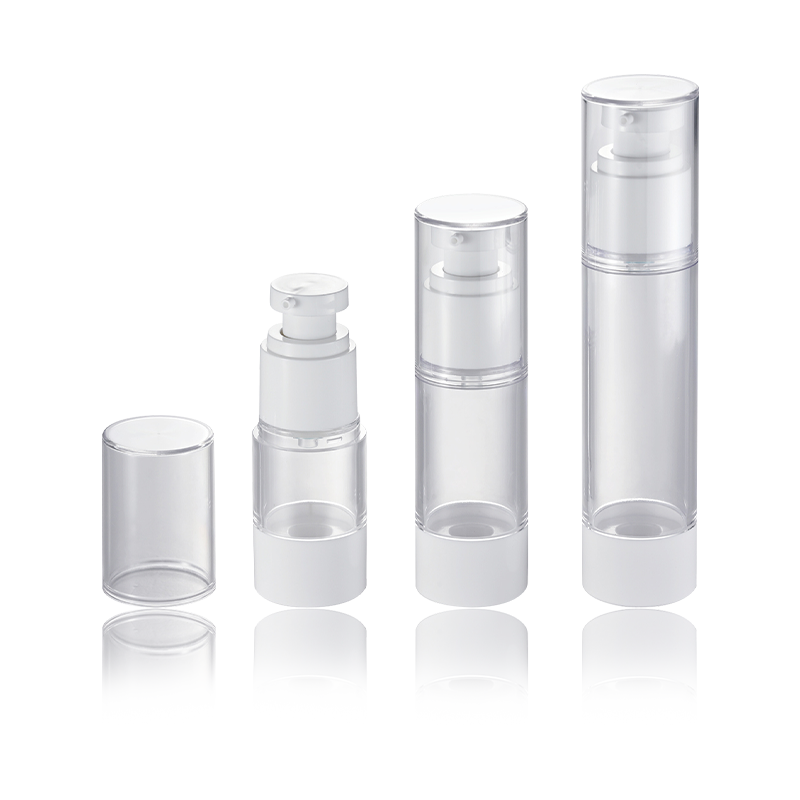
中文简体Airless bottle cosmetic packaging is the smartest choice for skincare brands because it protects sensitive formulas from oxidation, contamination, and degradation by eliminating air contact entirely — extending product shelf life by up to 15 months compared to standard open-pump or jar packaging. Unlike conventional bottles that draw air into the container as product is dispensed, airless cosmetic bottles use a vacuum-based piston mechanism that pushes formula upward with zero air exchange. The result is fresher product, higher formula integrity, reduced preservative requirements, and a premium user experience that commands higher retail price points. This guide covers everything cosmetic formulators, brand owners, and packaging buyers need to know about airless bottle technology — from how it works, to material choices, cost comparisons, and selecting the right format for your product.
How Does Airless Bottle Cosmetic Packaging Work?
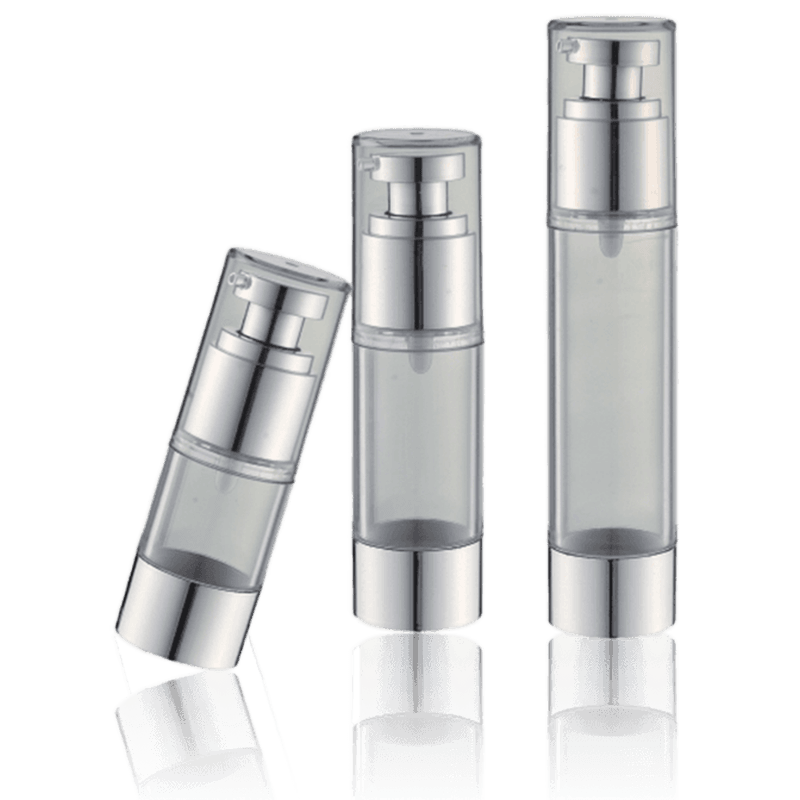
Airless cosmetic bottles work by using a vacuum-sealed piston that rises as product is dispensed, maintaining continuous pressure on the formula while preventing air from ever entering the container. Understanding the mechanism helps brands make informed decisions about which applications it suits best.
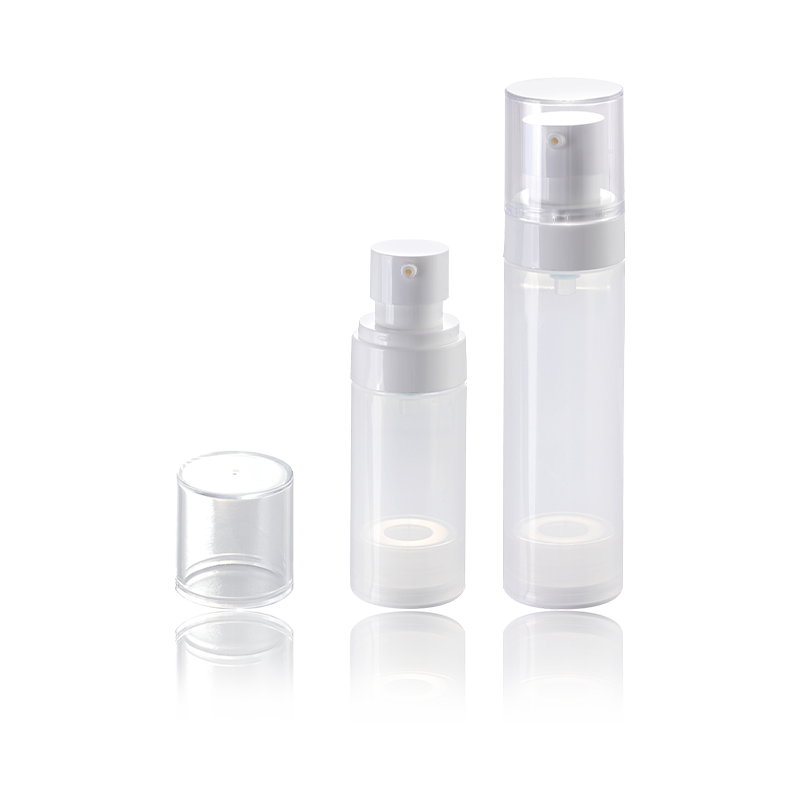
The core of an airless bottle is a disc-shaped piston that sits at the bottom of the inner chamber. When the pump is pressed, it creates a partial vacuum at the top of the chamber. Atmospheric pressure from below pushes the piston upward, which in turn pushes the product toward the dispensing nozzle. No air enters the product chamber at any point during this process.
This contrasts sharply with conventional pump bottles, where each pump stroke draws air into the bottle to replace the dispensed product volume — gradually exposing the entire remaining formula to oxygen, microbes, and humidity. In a standard pump bottle, by the time 50% of the product has been used, the remaining formula has been exposed to potentially hundreds of air-exchange cycles.
Most airless cosmetic bottles achieve a product evacuation rate of 90 to 98%, meaning nearly all of the formula is accessible to the consumer — compared to 75 to 85% for conventional pump bottles where product clings to inner walls or becomes inaccessible as the tube empties. This higher evacuation rate is both a selling point and a functional advantage for high-cost formulas where product waste is economically significant.
Key Benefits of Airless Cosmetic Packaging for Skincare Formulas
The primary benefits of airless bottle cosmetic packaging extend beyond preservation — they include reduced preservative load, improved formula stability, enhanced hygiene, and a measurably superior consumer experience. Here is a detailed breakdown of each benefit.
1. Superior Formula Preservation and Extended Shelf Life
Oxidation is one of the leading causes of cosmetic product degradation. Active ingredients including vitamin C (ascorbic acid), retinol, niacinamide, and peptides are particularly vulnerable to oxygen exposure, which breaks down their molecular structure and renders them ineffective. Airless packaging eliminates this oxygen exposure entirely. In stability testing comparisons, vitamin C serums packaged in airless bottles retained over 85% of their active concentration after 18 months, compared to less than 60% retention in the same formula stored in conventional pump packaging over the same period.
2. Reduced Preservative Requirements
Because airless bottles prevent microbial contamination through air exposure, formulas packaged in airless containers often require 20 to 40% lower preservative concentrations to achieve equivalent challenge test results compared to the same formula in open-access packaging. This is a significant advantage for brands targeting clean beauty positioning, sensitive skin consumers, or markets with strict preservative regulations (such as the EU, which restricts or bans over 1,300 cosmetic ingredients). Lower preservative loads also reduce the risk of consumer irritation reactions.
3. Hygiene and Contamination Prevention
Every time a consumer opens a jar or uses a conventional pump, there is potential for finger-borne bacteria, environmental microbes, and airborne contaminants to enter the product. Airless dispensing systems are fully closed systems — the nozzle delivers product without any return path for contamination. This is particularly valuable for eye creams, acne treatments, and products intended for post-procedure or compromised skin where microbial contamination poses a health risk.
4. Precise, Consistent Dosing
Airless pumps deliver a consistent, measured dose with each actuation — typically between 0.1 ml and 0.5 ml per pump stroke depending on the pump design. This metered delivery is beneficial for high-potency serums, prescription-strength actives, and SPF products where under-application reduces efficacy, and for high-cost formulas where over-application represents economic waste. Consistent dosing also supports consumer education about proper usage quantities.
5. Premium Aesthetic and Brand Perception
Airless bottles have a distinctive, minimalist aesthetic that consumers associate with premium and clinical skincare. The smooth, pump-top silhouette with no visible seams, labels centered on a uniform cylindrical or oval body, and the satisfying tactile click of the pump mechanism all contribute to a luxury experience. Consumer research in the cosmetic packaging sector consistently shows that products in airless packaging are perceived as 15 to 25% more premium than the same formula in conventional packaging, supporting higher retail price positioning.
Types of Airless Cosmetic Bottle Packaging: Which Format Is Right for Your Product?
Airless cosmetic packaging comes in several distinct formats, each suited to different formula viscosities, fill volumes, and brand aesthetics. Choosing the right format is as important as choosing the technology itself.
| Airless Format | Typical Volume Range | Best Formula Viscosity | Best Application | Material Options |
|---|---|---|---|---|
| Airless Pump Bottle | 15 ml to 100 ml | Thin to medium (serums, lotions) | Serums, moisturizers, SPF | ABS, PETG, PP, Acrylic |
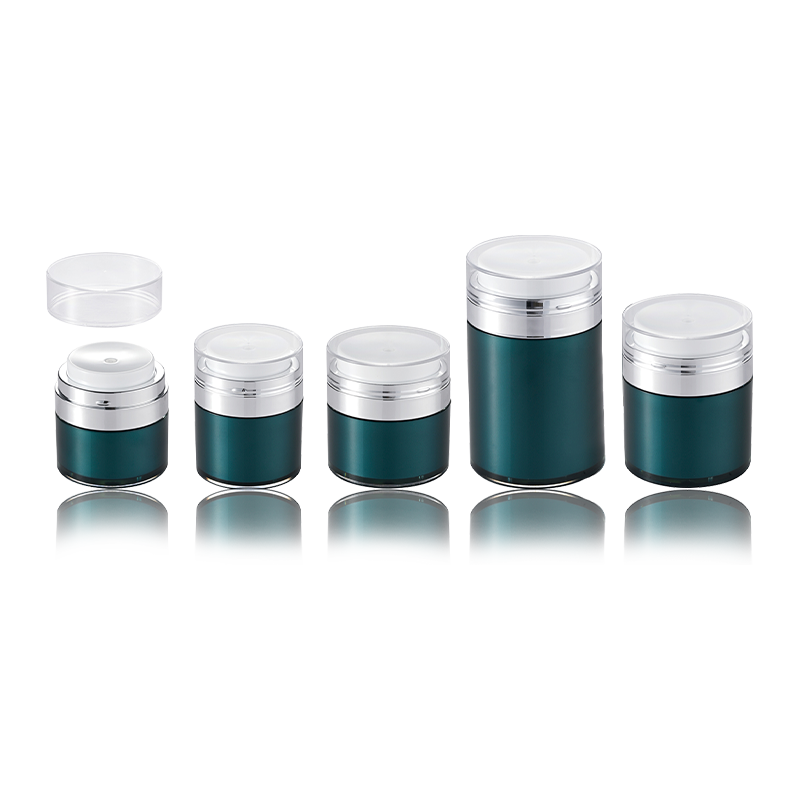
| Airless Jar | 15 ml to 50 ml | Medium to thick (creams, balms) | Eye creams, rich moisturizers | ABS, Acrylic, Glass-effect |
| Airless Tube | 10 ml to 50 ml | Medium (gels, emulsions) | Eye gels, targeted treatments | Aluminum, PP, PCR plastic |
| Dual-Chamber Airless | 20 ml to 60 ml | Thin to medium (two formulas) | A+B actives, day/night combos | ABS, PETG |
| Travel-Size Airless | 5 ml to 15 ml | Thin to medium | Samples, travel sets, GWPs | PP, ABS, PCR plastic |
| Refillable Airless | 30 ml to 100 ml | Thin to medium | Sustainable luxury lines | Aluminum, glass, ABS with refill pod |
Table 1: Overview of airless cosmetic packaging formats with volume ranges, viscosity compatibility, best applications, and material options.
Airless Bottle Cosmetic Packaging vs. Conventional Packaging: A Full Comparison
Airless cosmetic packaging outperforms conventional packaging in formula preservation, hygiene, and waste reduction, but comes with higher unit costs and more limited material and decoration options. Here is a side-by-side analysis across the factors that matter most to cosmetic brands and formulators.
| Factor | Airless Bottle | Conventional Pump Bottle | Open Jar |
|---|---|---|---|
| Oxidation Protection | Excellent (zero air contact) | Poor (air enters with each pump) | Very poor (full air exposure) |
| Microbial Protection | Excellent | Moderate | Poor (finger contact) |
| Product Evacuation Rate | 90 to 98% | 75 to 85% | 80 to 90% (with spatula) |
| Shelf Life (active formulas) | 24 to 36 months | 12 to 24 months | 6 to 18 months |
| Preservative Load Required | Low | Moderate | High |
| Unit Cost (50 ml) | $1.20 to $4.50+ | $0.40 to $1.80 | $0.30 to $1.50 |
| Perceived Premium Value | High | Medium | Medium to Low |
| Refillability | Available (select formats) | Limited | Easy |
| Recyclability | Moderate (multi-component) | Moderate | Good (glass) / Moderate (plastic) |
| Viscosity Compatibility | Thin to medium-thick | Thin to medium | All viscosities |
Table 2: Comprehensive comparison of airless bottles, conventional pump bottles, and open jars across key cosmetic packaging performance factors.
What Materials Are Used in Airless Cosmetic Packaging?
Airless cosmetic bottles are manufactured from a range of materials — each with different aesthetic qualities, compatibility profiles, sustainability credentials, and cost implications. Material selection is one of the most consequential decisions in airless packaging specification.
ABS Plastic (Acrylonitrile Butadiene Styrene)
ABS is the most widely used material for airless bottle outer housings. It accepts a wide range of surface treatments including UV coating, metallization, rubber soft-touch coating, and electroplating — making it the most versatile material for achieving premium decorative finishes. ABS is impact-resistant, dimensionally stable, and cost-effective at scale. However, it is not recyclable in standard municipal programs and has a higher carbon footprint than PCR (post-consumer recycled) alternatives.
PETG (Polyethylene Terephthalate Glycol)
PETG offers glass-like clarity in a lightweight, shatter-resistant form and is commonly used for the inner bottle component of airless systems where formula visibility is desired. PETG has excellent chemical resistance, making it compatible with a wide range of cosmetic formulas including those containing AHAs, BHAs, and essential oils. It is recyclable through PET streams in many regions.
PCR Plastic (Post-Consumer Recycled)
PCR plastic — typically recycled HDPE or PP — is increasingly used in airless cosmetic packaging as brands commit to sustainability targets. PCR content of 30 to 100% is achievable for airless bottle outer shells without compromising structural integrity. The main trade-off is color consistency — PCR plastic has a naturally off-white or grey tone and cannot achieve the same optical clarity or color depth as virgin ABS without additional processing. Many brands use PCR plastic for the inner components while maintaining a virgin or coated outer shell for decorative purposes.
Aluminum
Aluminum airless bottles represent the premium end of the material spectrum and are popular in luxury and clinical skincare. Aluminum is infinitely recyclable, provides superior barrier properties against light and oxygen, and offers a distinctive weighty, high-end tactile quality. Aluminum airless packaging is particularly well-suited for light-sensitive active ingredients such as retinol, vitamin C, and certain peptides, where even ambient light can accelerate degradation. Unit costs are higher — typically 2 to 4 times the cost of equivalent ABS plastic formats.
Bio-Based and Biodegradable Plastics
Emerging options including PLA (polylactic acid) and sugarcane-derived PE are beginning to appear in airless cosmetic packaging, driven by brand sustainability commitments. These materials currently face limitations in terms of thermal stability, chemical resistance, and mechanical precision required for the tight tolerances of airless pump mechanisms — but advances in bio-based polymer technology are narrowing the performance gap. Expect bio-based airless packaging options to become significantly more viable by 2026 to 2028.
Which Cosmetic Products Benefit Most from Airless Bottle Packaging?
Not every cosmetic formula needs airless packaging — but for products with oxidation-sensitive active ingredients, preservative-free positioning, or clinical/medical-grade claims, airless packaging is essentially non-negotiable.
- Vitamin C serums and treatments: Ascorbic acid is highly unstable and degrades rapidly on exposure to oxygen and light. Airless packaging with an opaque outer shell is the gold standard format for any formula with more than 5% vitamin C concentration.
- Retinol and retinoid formulas: Retinol oxidizes and loses potency quickly when exposed to air and light. Airless packaging can extend the functional stability of retinol formulas by 6 to 12 months compared to conventional packaging.
- Peptide-rich moisturizers and serums: Many synthetic peptides are sensitive to oxidative degradation and can lose bioactivity within weeks in conventionally packaged products. Airless delivery preserves bioactive peptide concentration throughout the product's shelf life.
- Sunscreen and SPF formulas: UV-filter stability is critical in SPF products — degradation of UV filters can result in a product that no longer delivers its labeled sun protection factor. Airless packaging protects both the UV filters and any additional antioxidant actives present in the formula.
- Preservative-free and low-preservative formulas: Clean beauty formulations targeting consumers who avoid parabens, phenoxyethanol, and synthetic preservatives depend on packaging integrity to compensate for reduced preservative protection. Airless packaging makes these formulations commercially viable.
- Post-procedure and medical-grade skincare: Products designed for use on compromised, sensitized, or post-treatment skin must have the highest hygiene standards. Airless packaging eliminates contamination risk at every dispensing event.
- Luxury and clinical brand positioning: Even for formulas that are not particularly oxidation-sensitive, airless packaging communicates quality, precision, and scientific credibility — values that support premium pricing and brand differentiation in a saturated market.
Airless Cosmetic Packaging and Sustainability: What Brands Need to Know
Airless packaging presents a genuine sustainability paradox — it reduces product waste and enables lower preservative use, but its multi-component construction makes it harder to recycle than single-material alternatives.
A standard airless bottle consists of 4 to 7 separate components — outer shell, inner bottle or piston housing, piston disc, pump mechanism, nozzle, and cap — often made from different materials. This complexity makes household disassembly and separation for recycling impractical, and most curbside recycling systems cannot handle mixed-material cosmetic packaging.
However, the sustainability picture is more nuanced than recyclability alone. Consider that:
- Higher product evacuation rates (90 to 98%) mean significantly less formula waste per unit — an important consideration for resource-intensive cosmetic formulas that require agricultural, synthesized, or mineral-extracted ingredients.
- Extended shelf life reduces returned goods and unsellable stock — a major source of cosmetic industry waste that is rarely accounted for in packaging sustainability assessments.
- Refillable airless formats offer a compelling circular model: the outer casing — the premium, multi-component housing — is retained and reused, while only the inner pod containing the formula is replaced. This approach can reduce packaging material per unit by up to 60 to 70% over the product's lifecycle.
- Take-back and in-store recycling programs are increasingly offered by packaging suppliers and beauty retailers to address the end-of-life challenge for complex cosmetic packaging formats.
Minimum Order Quantities and Cost Considerations for Airless Cosmetic Bottles
Airless cosmetic packaging costs 2 to 4 times more per unit than equivalent conventional pump packaging, but the unit cost gap narrows significantly at higher order volumes — and the formula savings from lower preservative requirements and reduced product waste often offset the packaging premium.
| Order Volume | Typical Airless Bottle Unit Cost (30 ml) | Equivalent Conventional Pump Unit Cost | Cost Premium |
|---|---|---|---|
| 500 to 1,000 units | $2.80 to $4.50 | $0.80 to $1.50 | 3x to 4x |
| 3,000 to 5,000 units | $1.80 to $2.80 | $0.55 to $1.10 | 2.5x to 3x |
| 10,000 to 20,000 units | $1.20 to $1.80 | $0.40 to $0.80 | 2x to 2.5x |
| 50,000+ units | $0.80 to $1.20 | $0.30 to $0.55 | 2x to 2.2x |
Table 3: Estimated unit cost ranges for 30 ml airless cosmetic bottles versus conventional pump bottles at various order volumes. Prices are indicative and vary by supplier, material, and decoration specifications.
Most airless cosmetic packaging suppliers have minimum order quantities of 500 to 1,000 units for standard catalog formats, and 3,000 to 5,000 units for custom shapes or colors. For brands at the early stage, starting with a stock airless format from a packaging supplier's standard range — then transitioning to a custom mold at scale — is the most cost-effective path to market.
Frequently Asked Questions About Airless Bottle Cosmetic Packaging
Q: Can airless bottles be used for all cosmetic formulas?
No — airless pump mechanisms have viscosity limitations. Most airless bottles work best with formulas in the thin serum to medium-body cream range (approximately 1,000 to 50,000 centipoise). Very thick creams, waxes, balms, and powders cannot be dispensed through standard airless pumps. Very watery, low-viscosity formulas (below approximately 500 cP) may dispense too freely or drip. If your formula falls outside the ideal viscosity range, consult with your packaging supplier about pump orifice sizing and spring tension specifications.
Q: How do I prime an airless bottle pump?
New airless bottles require priming before the first use. Press the pump head down repeatedly — typically 5 to 15 actuations — until the formula begins to dispense. This initial pumping cycle removes air from the delivery tube and establishes the vacuum pressure in the chamber. Some airless bottles include a small pinhole vent at the base to assist piston movement; this is normal and does not compromise the airless seal within the product chamber.
Q: What happens when the product in an airless bottle is nearly empty?
As the piston approaches the top of the bottle chamber and the formula nears depletion, the pump may begin to dispense air or the actuation may feel stiffer. This is the normal signal that the bottle is approximately 95 to 98% empty. Unlike conventional tubes or bottles where significant product remains stuck to the walls, the airless piston design sweeps nearly all product to the nozzle — meaning very little usable formula is left behind when the bottle reaches this stage.
Q: Are airless cosmetic bottles suitable for travel and air travel?
Yes — airless bottles are generally well-suited for travel. The sealed piston design prevents leakage from pressure changes during air travel far more reliably than conventional pump bottles. Some airless designs include a pump-lock mechanism (rotate the pump head to lock) to prevent accidental dispensing in a bag. For checked luggage, the sealed nature of airless packaging also means formula is not compromised by temperature or pressure fluctuations during flight.
Q: Can airless cosmetic packaging be customized with logos and colors?
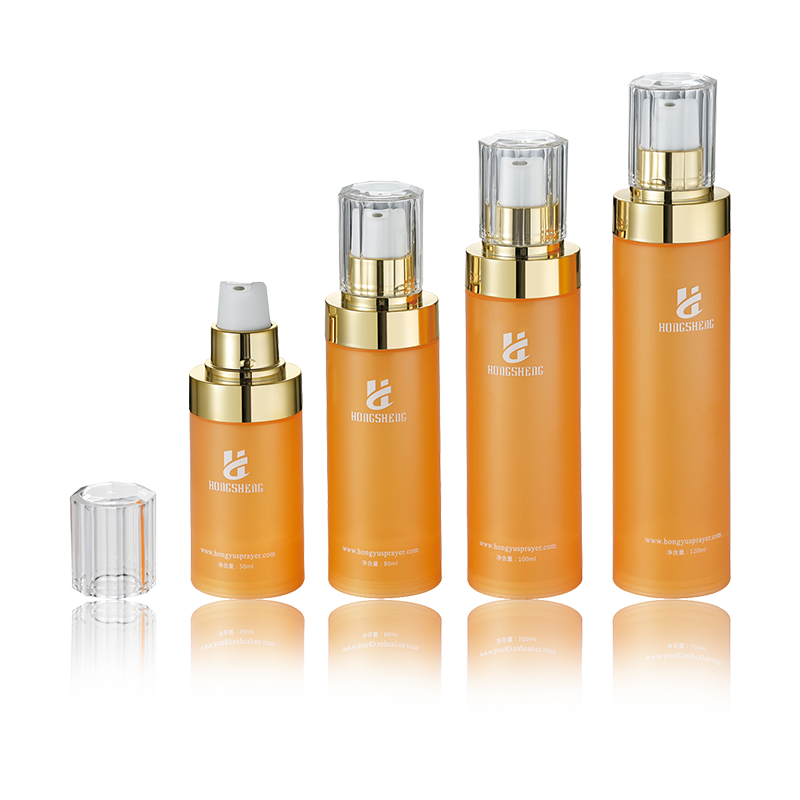
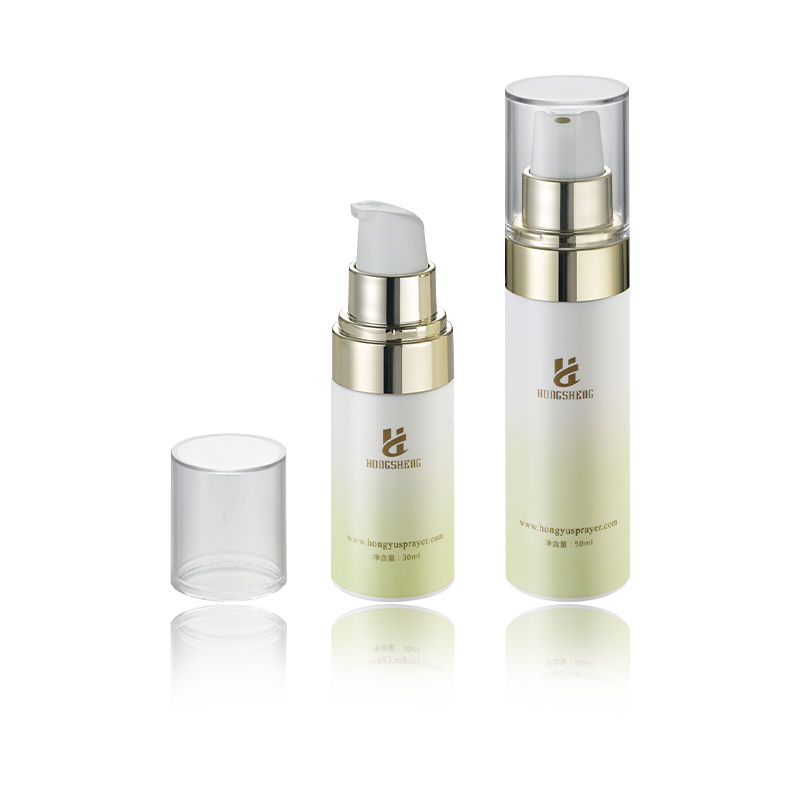
Extensively. Airless bottles support a full range of decoration methods including hot stamping, UV printing, silk-screen printing, pad printing, metallization, electroplating, rubber coating, and custom color injection molding. For premium finishes, the outer ABS shell can be treated with soft-touch lacquer, frosted matte coating, or a glass-effect outer sleeve. Custom shapes and molds are available from most major packaging suppliers at order volumes of 3,000 units or above.
Q: How does airless packaging affect cosmetic stability testing requirements?
Stability testing must always be conducted in the final packaging configuration — so if your formula will be sold in an airless bottle, stability testing must be performed in that specific airless bottle format. The good news is that airless packaging consistently produces superior stability test outcomes for oxidation-sensitive formulas, often allowing brands to demonstrate a longer PAO (Period After Opening) date and a longer overall expiry date. Some regulatory markets also recognize airless packaging as a mitigating factor for preservative efficacy requirements, though this varies by region and must be verified with your regulatory affairs team.
Final Takeaway: Is Airless Bottle Cosmetic Packaging Right for Your Brand?
If your formula contains active ingredients sensitive to oxidation, if your brand positioning targets the premium or clinical segment, or if you are pursuing a low-preservative or clean beauty formulation strategy, airless cosmetic packaging is not just a nice-to-have — it is the packaging infrastructure that makes your product work as intended.
The higher unit cost of airless bottles is real but contextual. For a serum retailing at $60 to $120, the packaging cost differential of $1 to $2 per unit is commercially negligible — and the formula integrity, consumer experience, and brand perception premium that airless packaging delivers directly supports that retail price. For mass-market products at lower price points, the cost premium requires more careful evaluation against formula sensitivity requirements and target margin structures.
As sustainability pressures intensify and clean beauty formulation becomes the norm rather than the niche, airless bottle cosmetic packaging will continue to gain adoption across all skincare market segments — not just the luxury tier. Brands that invest in understanding and specifying airless packaging correctly today are building a technical and commercial foundation that will serve them throughout the next decade of skincare market evolution.