
 English
 中文简体
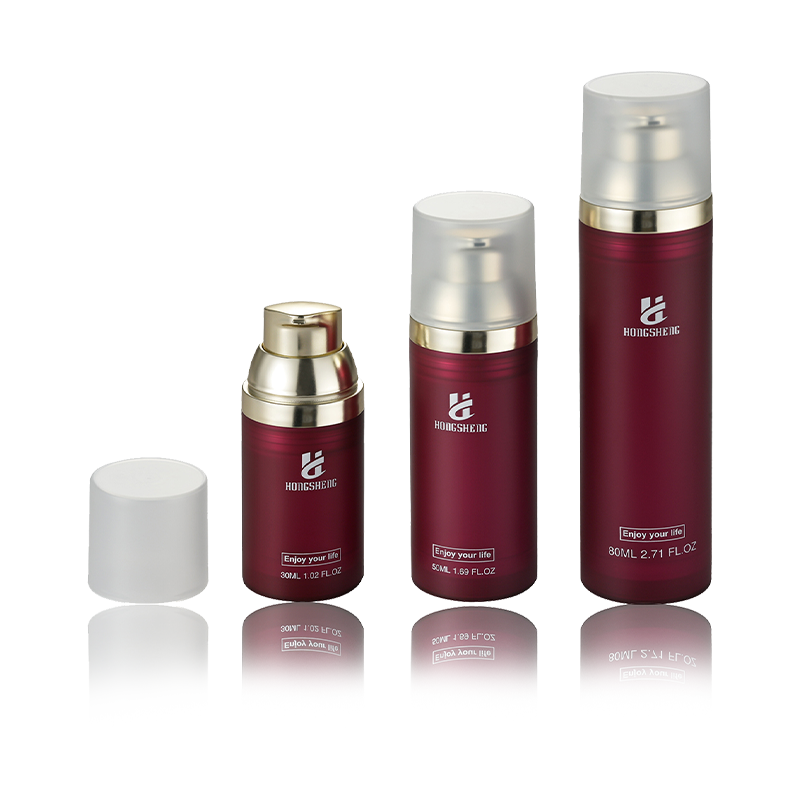
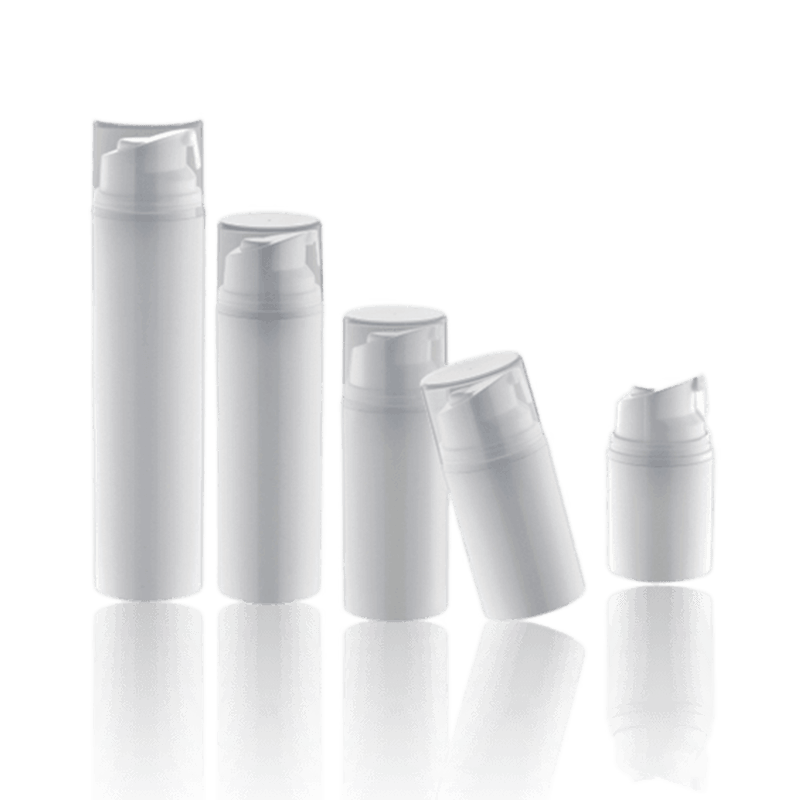
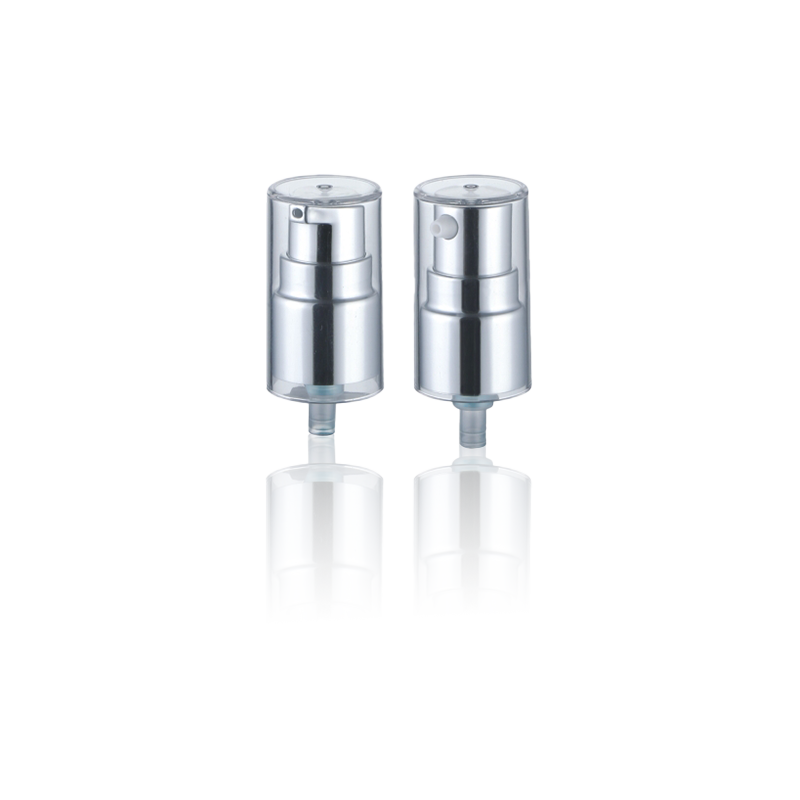
中文简体An airless bottle for cosmetic is a specialized dispenser that uses a vacuum-based pump mechanism — rather than a conventional dip tube — to dispense product without exposing the formula to outside air. This design dramatically reduces oxidation, contamination, and product waste, making airless bottles one of the most effective packaging solutions in modern skincare and cosmetics.
Whether you are a cosmetic brand owner evaluating packaging options or a consumer trying to understand what makes certain products last longer, this guide covers everything you need to know about airless cosmetic bottles: how they work, their advantages and limitations, material choices, comparisons with traditional packaging, and much more.
How Does an Airless Cosmetic Bottle Work?
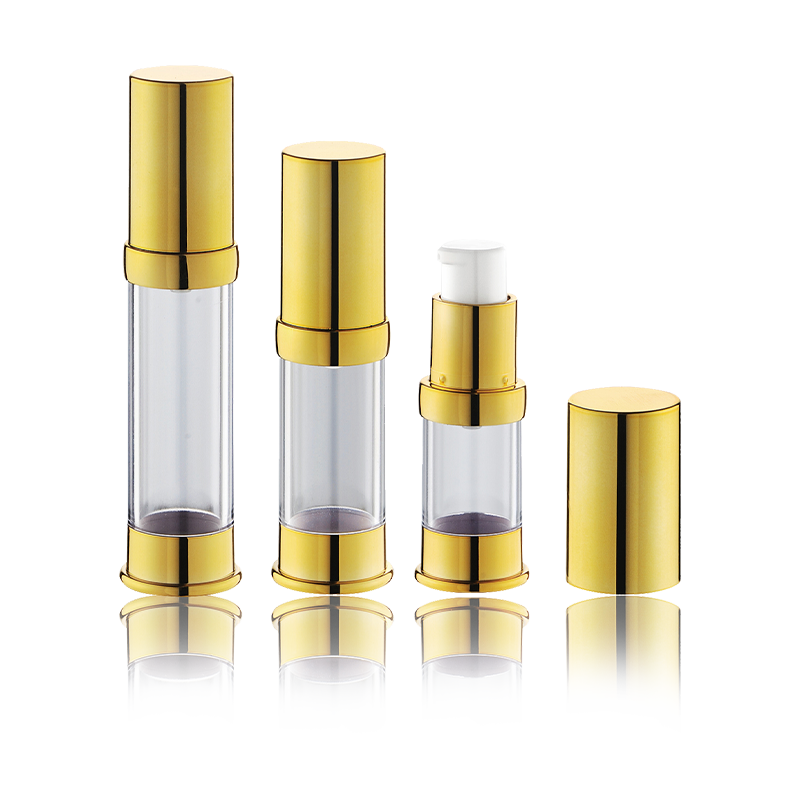
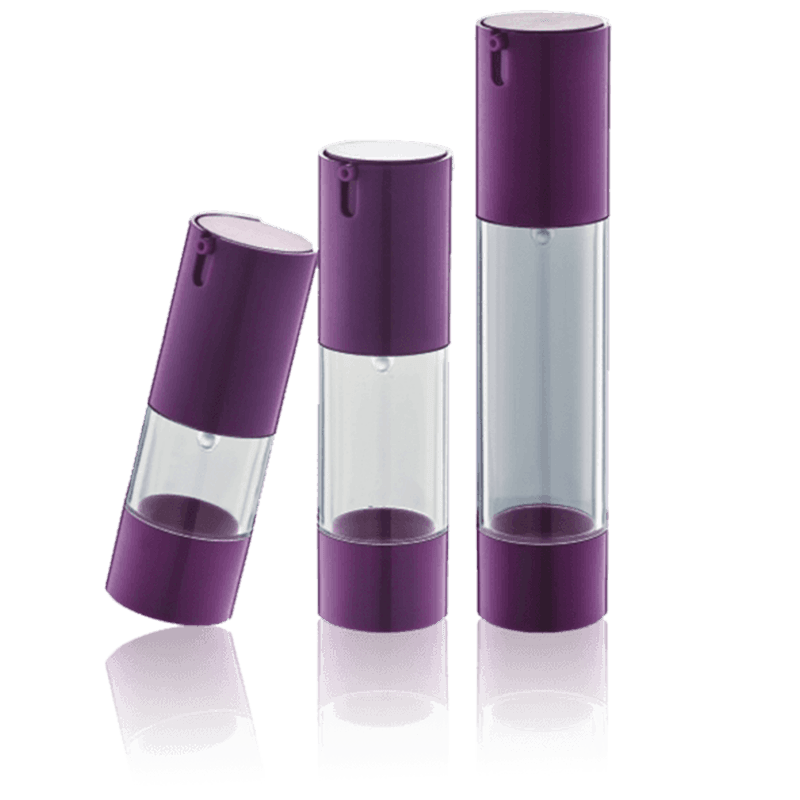
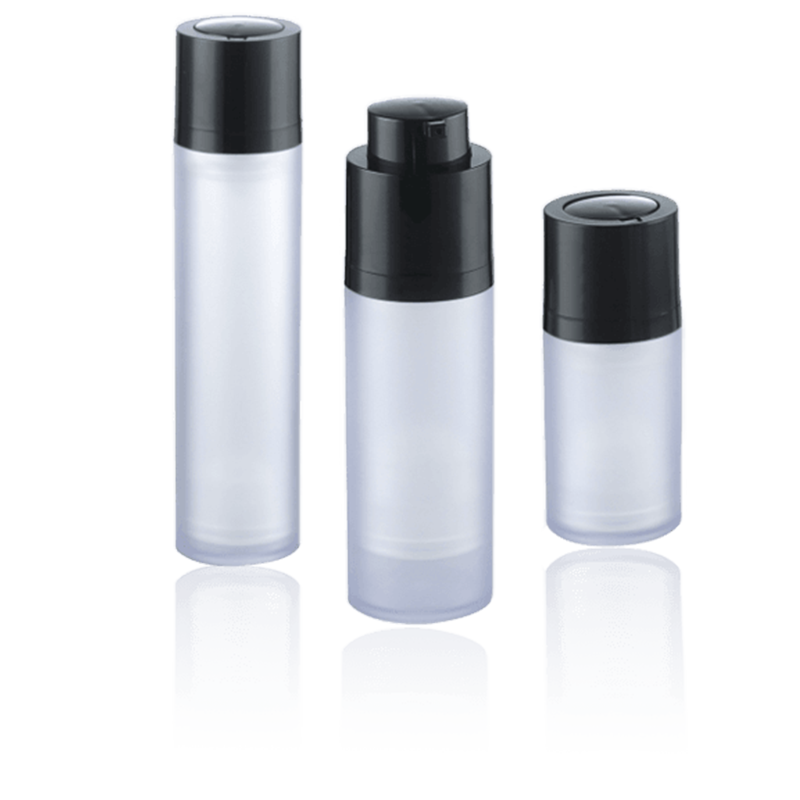
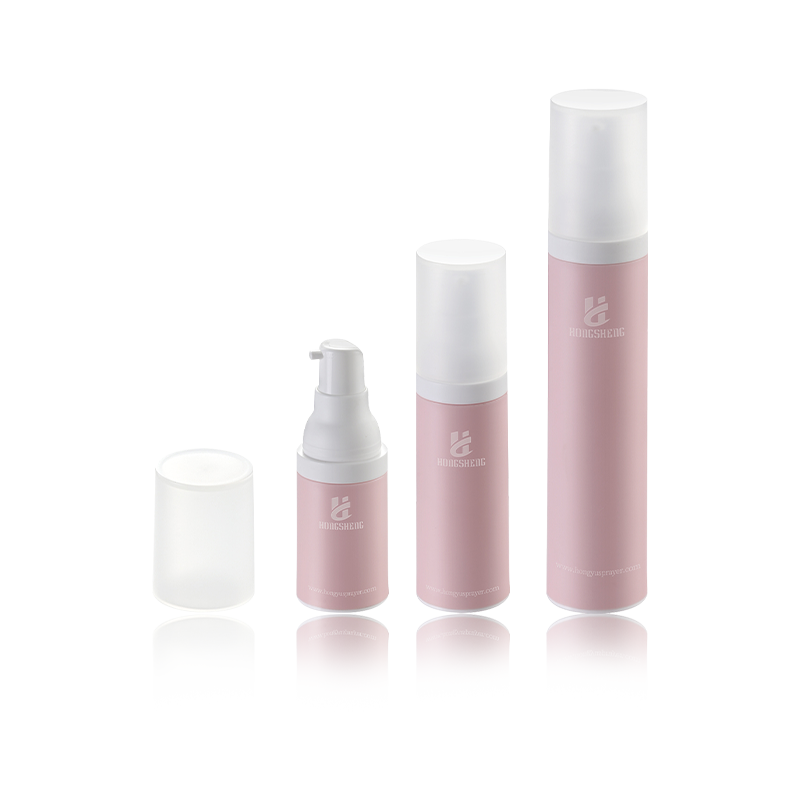
An airless cosmetic bottle operates through a vacuum pump system that pushes product upward as the chamber depressurizes. Inside the bottle, a movable disc or piston sits at the bottom of the product chamber. When the user presses the pump head, the internal pressure drops, causing the disc to rise and push the product toward the dispensing nozzle — all without any air entering the formula.
This mechanism is fundamentally different from a standard pump bottle, which relies on a dip tube submerged in the product and draws liquid up through suction. In an airless system, no dip tube is needed, and no air bubble replaces the dispensed product. This is the core reason why airless packaging preserves cosmetic formulas far more effectively than conventional alternatives.
Key Components of an Airless Pump Bottle
- Outer Shell: The visible container, usually made of PP (polypropylene), PETG, acrylic, or glass.
- Inner Piston/Disc: A movable platform that rises as product is dispensed, maintaining a vacuum inside.
- Pump Head: The actuator the user presses; triggers the vacuum effect and releases a measured dose of product.
- Locking Mechanism: Most airless bottles include a twist-lock or push-lock cap to prevent accidental dispensing during shipping.
- Dispensing Nozzle: Controls output volume per press, typically ranging from 0.15 ml to 0.5 ml per actuation.
Why Airless Bottles Are Ideal for Cosmetic Formulas
Airless bottles are ideal for cosmetic formulas because they eliminate the primary causes of premature product degradation: oxygen exposure, light penetration, and microbial contamination from repeated finger contact. Many high-performance skincare actives — such as vitamin C, retinol, niacinamide, and peptides — are especially vulnerable to oxidation, and airless packaging is specifically engineered to protect them.
Top Benefits of Airless Cosmetic Packaging
- Extended Shelf Life: Studies in cosmetic packaging engineering indicate that airless systems can extend product shelf life by 15–30% compared to open-jar or standard pump packaging, particularly for formulas containing unstable actives.
- Preservation of Efficacy: Sensitive ingredients such as retinol (vitamin A) degrade rapidly upon air and light exposure. Airless packaging keeps efficacy levels stable for much longer periods.
- Hygienic Dispensing: No fingers touching the product means no bacteria transfer. This is critical for leave-on products like serums, eye creams, and foundations.
- Minimal Product Waste: The rising piston mechanism enables product evacuation rates of up to 95–98%, far exceeding the typical 70–80% evacuation rate of conventional tubes and jars.
- Precise Dosage Control: Each pump delivers a consistent, measured amount, helping users avoid over-application and helping brands standardize dosage.
- Formulation Freedom: Airless systems can handle a wide range of viscosities — from thin serums (3,000–5,000 cPs) to thick creams (50,000–100,000 cPs) — without performance issues.
Airless Bottle vs. Traditional Cosmetic Packaging: Side-by-Side Comparison
Airless bottles outperform traditional packaging in nearly every preservation-related category. The table below provides a clear comparison across the most critical performance dimensions.
| Feature | Airless Pump Bottle | Standard Pump Bottle | Open Jar | Squeeze Tube |
| Air Exposure | None | Minimal | High | Low–Moderate |
| Contamination Risk | Very Low | Low | High | Low |
| Product Evacuation Rate | 95–98% | 75–85% | 60–75% | 80–90% |
| Suitable for Sensitive Actives | Yes | Partially | No | Partially |
| Dosage Precision | High | Moderate | None | Low |
| Recyclability | Moderate (improving) | Moderate | High (glass) | Moderate |
| Cost per Unit | Higher | Moderate | Low–Moderate | Low |
| Preservative Requirement | Reduced | Standard | Higher | Standard |
Table 1: Performance comparison of airless pump bottles against common alternative cosmetic packaging formats across eight key criteria.
What Cosmetic Products Are Best Suited for Airless Bottles?
Airless cosmetic bottles are best suited for formulas that are either chemically unstable, prone to microbial growth, or formulated with premium active ingredients that justify the higher packaging cost. Below are the most common product categories that benefit most from airless packaging.
Skincare Applications
- Vitamin C Serums: L-ascorbic acid oxidizes rapidly in air, turning orange or brown and losing efficacy. Airless packaging is the gold standard for stable vitamin C formulas.
- Retinol and Retinoid Creams: Retinol degrades under UV light and in the presence of oxygen. Airless, opaque bottles protect this ingredient far better than transparent jars.
- Peptide and Growth Factor Serums: These bioactive molecules are sensitive to pH changes and oxidation. Controlled, sealed delivery extends their functional life.
- Eye Creams: The delicate periorbital area demands hygienic, precise application. Airless dispensing eliminates finger contamination that can irritate this sensitive zone.
- Moisturizers with AHA/BHA Exfoliants: Glycolic and salicylic acid formulas can degrade or destabilize if repeatedly exposed to air and moisture from the environment.
Color Cosmetics and Makeup
- Liquid Foundations: Airless pumps deliver consistent, measured coverage with no separation and no contamination from repeat use.
- BB and CC Creams: Multifunctional tinted moisturizers with SPF and antioxidants benefit from the same preservation advantages as skincare.
- Sunscreen Products: UV filters can degrade when exposed to heat and oxygen during extended storage. Airless packaging preserves SPF efficacy throughout the product's use cycle.
- Concealers and Primers: Thick, rich formulas with silicone or oil components stay uniform and easy to pump through an airless system.
Common Materials Used in Airless Cosmetic Bottles
Airless cosmetic bottles are manufactured from a range of materials, each with distinct properties affecting aesthetics, sustainability, compatibility, and cost. Choosing the right material is essential for matching both the formula's chemical profile and the brand's positioning.
| Material | Advantages | Disadvantages | Common Use Cases |
| PP (Polypropylene) | Lightweight, chemical-resistant, cost-effective | Less premium aesthetic appeal | Mass-market skincare, sunscreen |
| PETG | Crystal-clear transparency, shatter-resistant | Less UV-blocking capability | Serums, show-product packaging |
| Acrylic (PMMA) | Luxurious glass-like look, customizable | Heavier, higher cost, some solvent sensitivity | Premium anti-aging creams, luxury brands |
| Aluminum | 100% recyclable, light-blocking, premium feel | Requires inner coating, higher tooling cost | Eco-conscious luxury lines |
| Glass | Inert, recyclable, premium aesthetic | Heavy, fragile, complex to combine with piston | High-end skincare, clinical brands |
| PCR Plastic | Sustainable, meets eco-packaging mandates | Slight color variation, slightly higher cost | Sustainable skincare lines |
Table 2: Overview of the most widely used materials for airless cosmetic pump bottles, compared by key properties and typical applications.
Airless Bottle Sizes and Fill Volumes: What to Expect
Airless cosmetic bottles are available in a wide range of sizes to suit different product categories, retail formats, and target markets. The most commonly produced sizes fall between 15 ml and 150 ml, though miniature travel sizes (5 ml–10 ml) and large professional sizes (200 ml–500 ml) are also manufactured on request.
- 5 ml – 15 ml: Travel-size or sample/trial format. Ideal for luxury eye creams or concentrated treatments.
- 20 ml – 50 ml: The most popular range for serums, ampoules, and targeted treatment products. This size balances portability with adequate supply for 30–60 days of use.
- 50 ml – 100 ml: Standard retail size for moisturizers, foundations, and sunscreens. Suitable for typical 60–90 day usage periods.
- 100 ml – 200 ml: Professional or family-size packaging, often used in spa, clinical, or bulk-retail contexts.
For a typical serum formula dispensed at 0.3 ml per pump, a 30 ml airless bottle provides approximately 100 doses — enough for twice-daily use over approximately 50 days, closely aligning with standard cosmetic repurchase cycles.
Sustainability Considerations for Airless Cosmetic Packaging
Sustainability is a growing priority in cosmetic packaging decisions, and airless bottles present both advantages and challenges from an environmental standpoint. The good news is that the industry is actively innovating to close the recyclability gap.
Environmental Benefits
- Reduced Preservative Load: Because airless packaging minimizes contamination, brands can often reduce or eliminate certain preservatives such as parabens, making formulas safer for both consumers and aquatic ecosystems.
- Less Product Waste: The 95–98% evacuation rate means far less product is discarded compared to jars or standard pumps, reducing the overall resource footprint per unit of product delivered.
- PCR and Mono-Material Options: Manufacturers now offer airless bottles made from post-consumer recycled (PCR) materials, and mono-material designs (all PP, for example) that are easier to recycle in standard streams.
Recyclability Challenges
- Multi-Material Construction: Traditional airless bottles combine PP, stainless steel springs, rubber seals, and acrylic outer shells — different materials that must be separated before recycling, making consumer-level recycling impractical.
- Inner Piston Residue: Leftover product on the inner piston can contaminate recycling streams if bottles are not rinsed, though the near-complete evacuation feature helps minimize this issue.
- Industry Response: Major packaging suppliers now offer refillable airless systems, where a replaceable inner pod slots into a permanent outer shell, drastically reducing total material consumption over multiple product cycles.
How to Choose the Right Airless Bottle for Your Cosmetic Product
Choosing the right airless cosmetic bottle requires matching the bottle's functional specifications to your formula's physical and chemical properties, your brand positioning, and your production volume. The following checklist simplifies this decision-making process.
Formula Compatibility Checklist
- Viscosity: Confirm that your formula falls within the pump's recommended viscosity range. Most standard airless pumps handle 3,000–80,000 cPs. Highly viscous formulas (above 100,000 cPs) may require a wider-bore nozzle or a specialized pump spring.
- Chemical Compatibility: If your formula contains high concentrations of alcohols, essential oils, or strong acids, verify that the chosen bottle material (especially the inner piston seal and nozzle) is chemically resistant.
- Fill Temperature: Hot-fill processes (used for some emulsions) require bottles rated for elevated temperatures. Standard PP airless bottles typically tolerate up to 60–70°C during filling.
- Particle Size: Formulas with exfoliating particles, glitter, or botanical powders larger than approximately 0.5 mm may clog fine-bore nozzles. Choose a pump with a wider dispensing aperture.
Brand and Market Positioning Factors
- Price Point: Entry-level PP airless bottles can cost as little as $0.50–$1.20 per unit at volume. Premium acrylic or aluminum options range from $2.00–$6.00+ per unit, which is appropriate for luxury SKUs priced above $50 retail.
- Decoration Options: Airless bottles support a wide range of decorating techniques including silk screening, hot stamping, UV coating, metallization, and frosted finishes. Confirm that your chosen decoration method is compatible with the bottle material before sampling.
- Minimum Order Quantities (MOQs): Standard airless bottle MOQs typically start at 1,000–5,000 units for stock items and 10,000–50,000 units for custom molds. Smaller indie brands should plan around stock bottle programs with lower MOQs.
Frequently Asked Questions About Airless Cosmetic Bottles
Q1: Can airless bottles be refilled at home?
Most standard airless pump bottles are not designed for consumer refilling, as the sealed piston system makes it difficult to add product without specialized filling equipment. However, some brands specifically design refillable airless systems with removable inner pods or cartridges. These refillable formats are increasingly popular in the sustainable beauty segment and are typically clearly labeled as such.
Q2: Why does my airless pump bottle not work after sitting unused for a while?
Airless pumps can occasionally lose their prime after extended storage, particularly if stored in very cold temperatures or upside down. The solution is typically straightforward: remove the cap, turn the bottle upside down, and pump several times until the vacuum re-establishes. If the pump remains unresponsive, it may be that the product has dried in the nozzle — a gentle wipe with a damp cloth around the actuator opening usually resolves this.
Q3: Are airless bottles truly airtight?
Airless bottles are not perfectly airtight in the absolute scientific sense, but they are designed to limit air ingress to an extremely low level during normal use. Industry testing typically measures oxygen transmission rates (OTR) for airless systems at values 80–90% lower than open-jar alternatives. For practical purposes, this level of protection is highly effective for all cosmetic active ingredients in current commercial use.
Q4: Do airless bottles work with oil-based formulas?
Yes, airless pump bottles can dispense oil-based formulas effectively, provided the viscosity is within the pump's operational range. Very light oils (below 50 cPs, similar to water) may drip or leak through some pump systems; in these cases, a pump with a closer-tolerance nozzle seal or a specialized oil pump head is recommended. Most facial oils and oil-serum blends fall well within the standard operational range of 500–50,000 cPs.
Q5: How do I know when an airless bottle is nearly empty?
With opaque airless bottles, users often have difficulty judging remaining product volume. A common signal is that the pump begins to require more pressure per actuation, or produces smaller doses with more effort — this indicates the piston has nearly reached the top of the chamber. Some manufacturers include a translucent window strip on the outer shell specifically to allow users to monitor fill level visually. Brands using fully opaque formats often print "when pump effort increases, product is nearly finished" guidance on their packaging or in product instructions.
Q6: Are there airless packaging options for thicker formulas like clay masks?
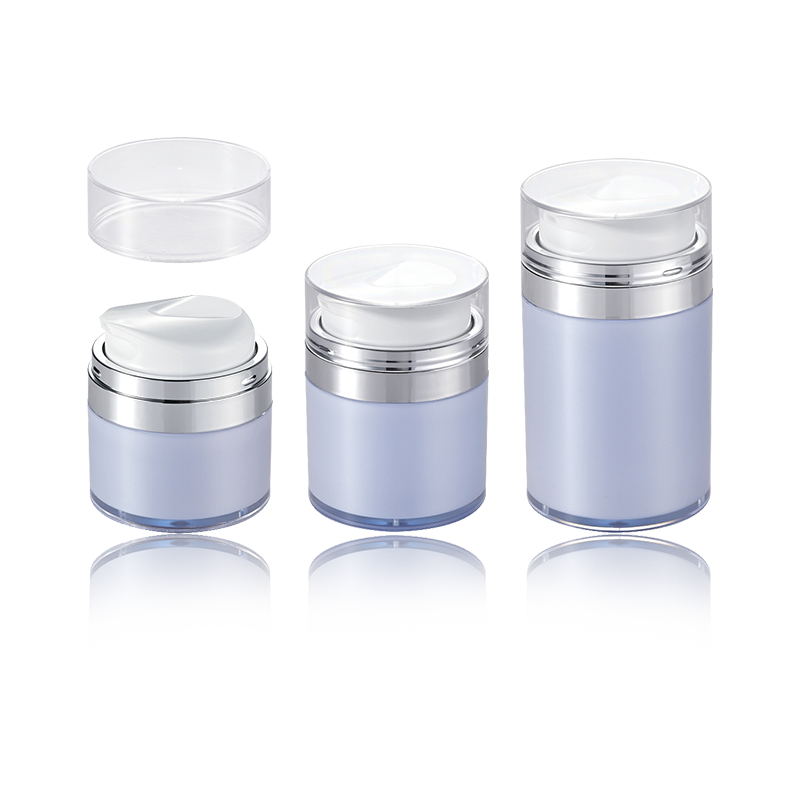
Clay masks and similar high-viscosity formulas (typically 200,000 cPs and above) generally exceed the operational range of standard airless pump systems. However, airless jar formats — which use the same piston-driven vacuum principle but with a wide-mouth dispensing opening — are specifically designed for these product types. Airless jars maintain the same oxidation and contamination protection advantages as pump bottles while accommodating the texture of clay and mud formulas.
Q7: Can airless cosmetic bottles pass airline liquid restrictions?
Yes, airless cosmetic bottles are subject to the same airline liquid regulations as any other container — the 100 ml (3.4 oz) limit applies in standard carry-on screening. The airless format itself offers a travel advantage: the locked pump mechanism prevents leakage during pressure changes in aircraft cargo holds and cabins, making these bottles among the most reliable travel-friendly cosmetic packaging options available.
The Future of Airless Cosmetic Packaging
Airless cosmetic packaging is evolving rapidly, driven by three converging forces: demand for cleaner formulations with fewer preservatives, growing consumer awareness of ingredient stability, and global sustainability regulations pushing brands toward more responsible packaging choices.
Key trends shaping the next generation of airless bottles include:
- Mono-Material Recyclable Systems: Packaging engineers are developing all-PP and all-PE airless systems that eliminate metal springs and rubber seals, enabling straightforward single-stream recycling.
- Refillable Cartridge Architecture: Luxury brands are increasingly adopting outer shell + inner cartridge systems, where consumers keep the premium outer casing and replace only the inner product pod — reducing material use by up to 70% per refill cycle.
- Smart Dispensing Integration: Prototype airless bottles with dose-tracking sensors and NFC-enabled authentication are in development, targeting the premium skincare and pharmaceutical-cosmetic (cosmeceutical) segments.
- Bio-Based Plastics: Plant-derived PLA (polylactic acid) and sugarcane-derived PE are beginning to appear in airless bottle construction, offering carbon-footprint reduction without compromising mechanical performance.
Conclusion: Is an Airless Bottle Right for Your Cosmetic?
An airless bottle for cosmetic use is unquestionably the superior packaging choice for any formula containing active ingredients vulnerable to oxidation, contamination, or degradation. The core value proposition is clear: better preservation of sensitive ingredients, higher product evacuation, more hygienic dispensing, and a professional, premium user experience.
The higher unit cost relative to standard pumps or jars is typically offset by longer product shelf life, reduced need for preservatives, and the premium positioning that airless packaging signals to consumers. For brands formulating with vitamin C, retinol, peptides, SPF actives, or any ingredient where stability is a performance claim, airless cosmetic packaging is not a luxury — it is a functional requirement.
As the packaging industry continues to innovate around sustainability and refillability, the already strong case for airless bottles will only grow stronger. Whether you are launching a new skincare line, reformulating an existing product, or simply trying to understand why certain products perform better than others, the airless bottle is a technology well worth understanding deeply.