
 English
 中文简体
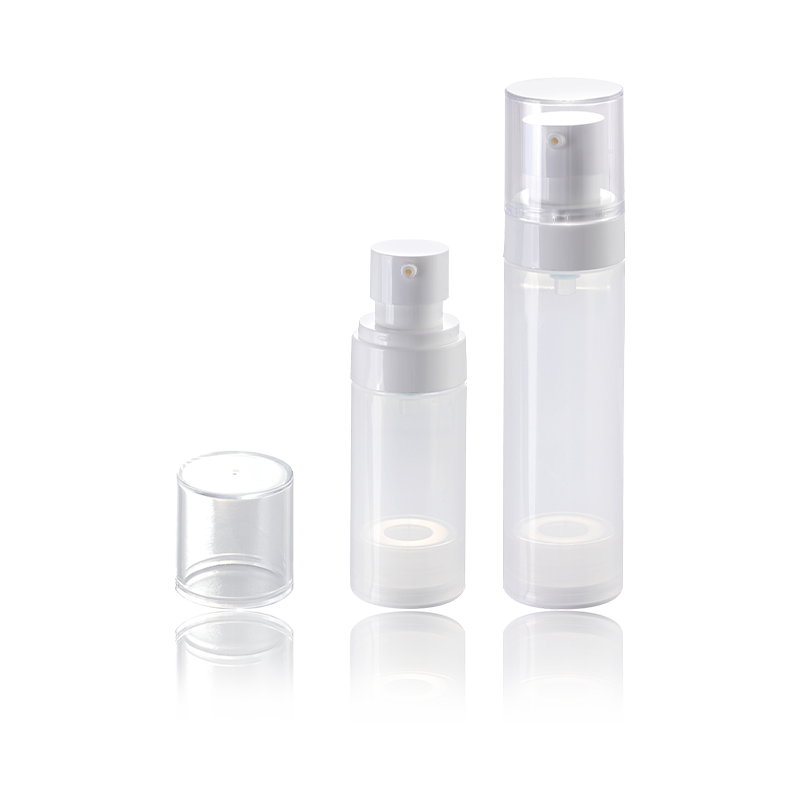
中文简体Airless cosmetic pump bottles are rapidly becoming the gold standard in beauty packaging because they extend product shelf life by up to 50%, eliminate contamination, and deliver precise, waste-free dispensing — all in one elegantly engineered container. From luxury skincare serums to everyday moisturizers, brands and consumers alike are making the switch for both performance and sustainability reasons.
What Exactly Is an Airless Cosmetic Pump Bottle?
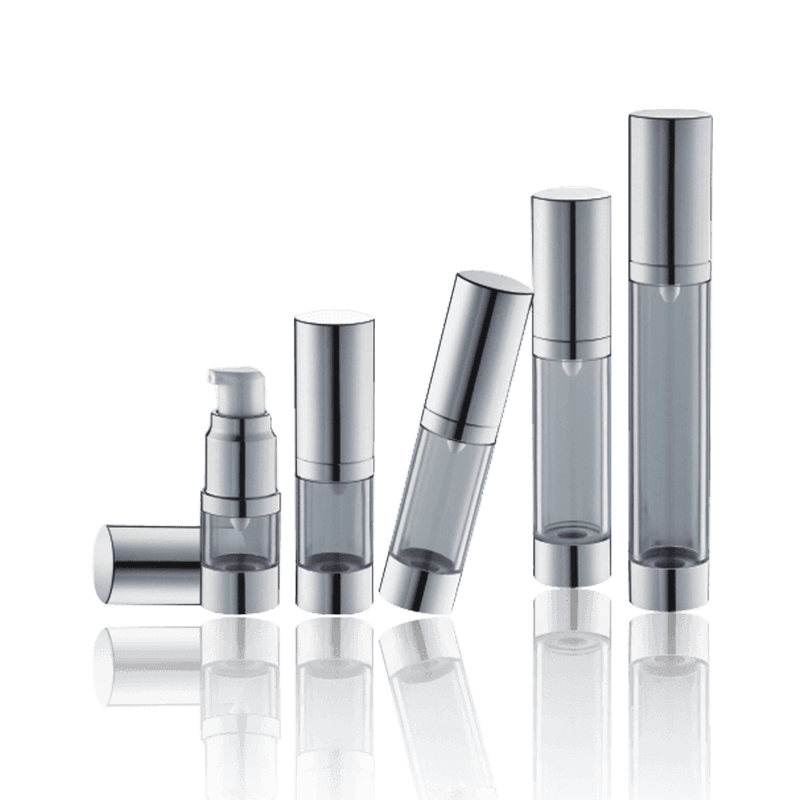
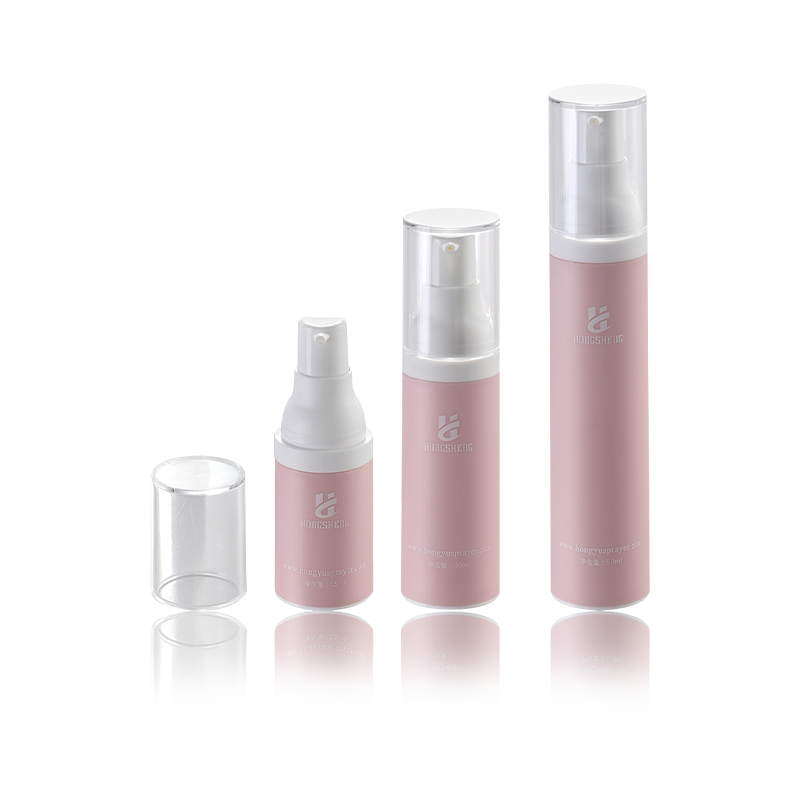
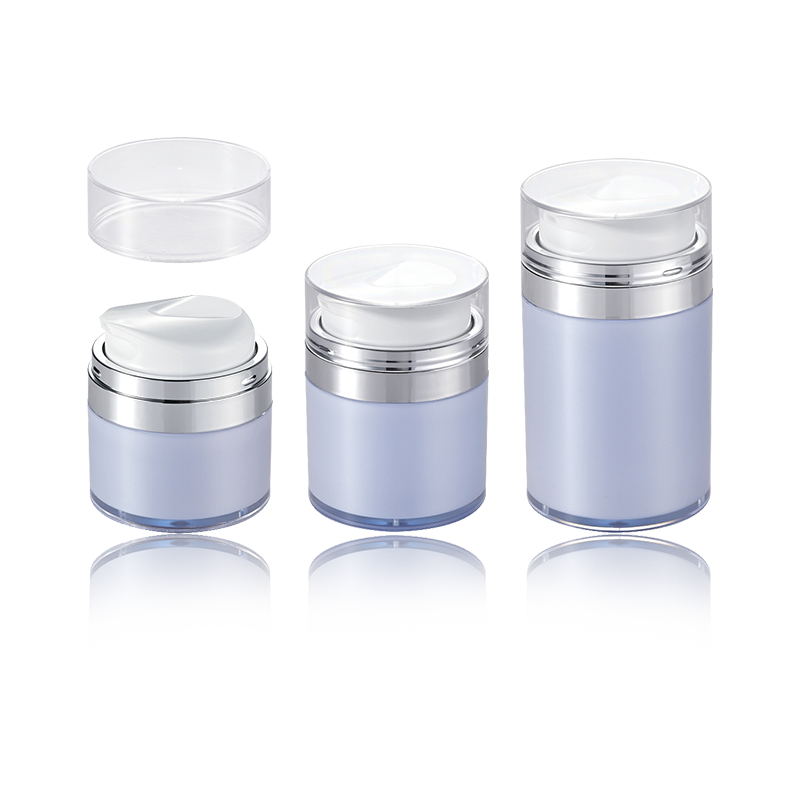
An airless cosmetic pump bottle is a dispensing system that uses a vacuum mechanism — rather than a dip tube and air pressure — to push product upward through the pump head. When the pump is pressed, a disc or piston at the base of the bottle rises, forcing the formula toward the nozzle without drawing in outside air.
Unlike traditional pump bottles, no air enters the chamber during use. This is the defining characteristic that makes airless packaging so revolutionary for cosmetic formulations that are sensitive to oxidation, bacterial contamination, or evaporation.
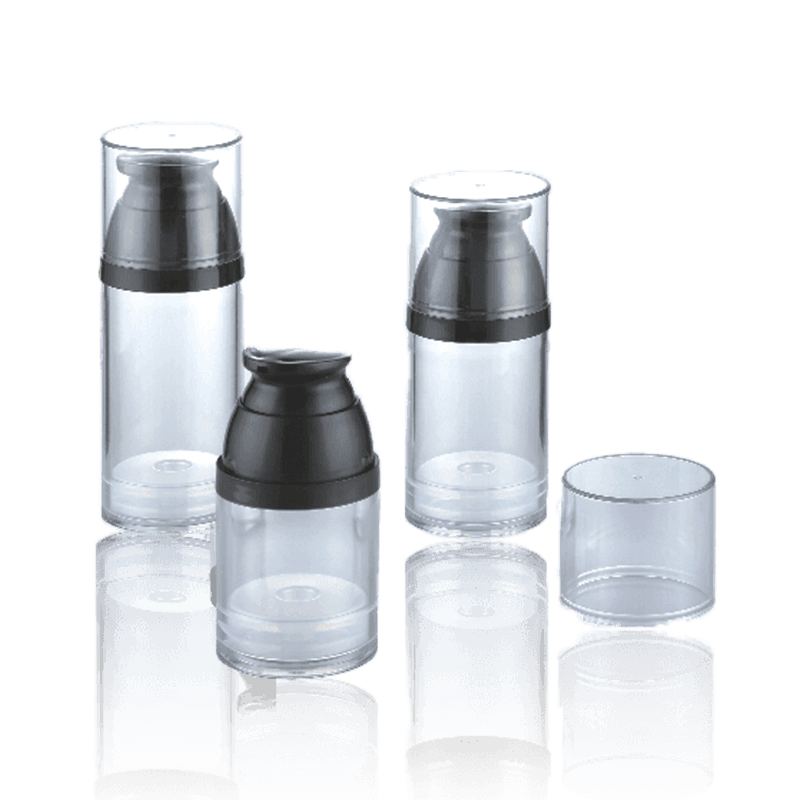
The core components of a standard airless pump bottle include:
- Outer bottle body — typically made from PP (polypropylene), PETG, or acrylic
- Inner piston or disc — rises as product is dispensed, maintaining a sealed environment
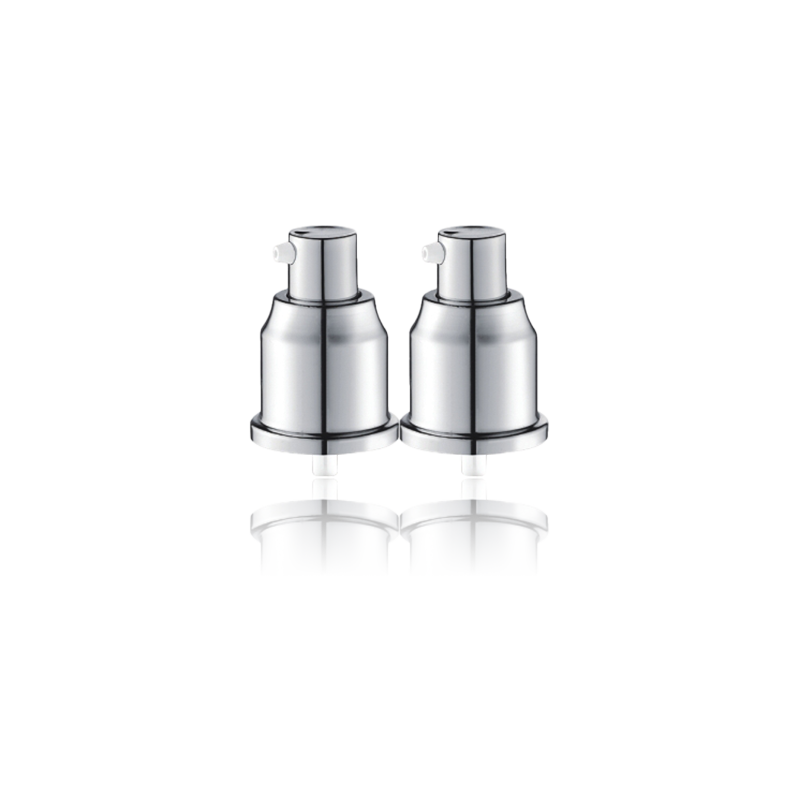
- Pump head and actuator — controls dosage and delivers a consistent volume per press (usually 0.15 ml – 0.5 ml)
- Locking mechanism — prevents accidental dispensing during transport
How Do Airless Pump Bottles Compare to Traditional Cosmetic Packaging?
Airless pump bottles outperform traditional packaging on nearly every metric that matters for cosmetic formulas — from preservation to user experience. The table below provides a direct side-by-side comparison.
| Feature | Airless Pump Bottle | Traditional Pump Bottle | Open Jar / Tube |
| Air Exposure | None | High | Very High |
| Product Preservation | Excellent | Moderate | Poor |
| Contamination Risk | Very Low | Medium | High |
| Product Utilization Rate | Up to 98% | 70–80% | 85–90% |
| Preservative Load Needed | Minimal | Moderate–High | High |
| Travel-Friendliness | Excellent | Good | Fair |
| Upfront Packaging Cost | Higher | Lower | Lowest |
Table 1: A head-to-head comparison of airless pump bottles versus traditional cosmetic packaging formats across seven key performance criteria.
Which Cosmetic Products Benefit Most from Airless Pump Packaging?
Formulas rich in active ingredients are the biggest beneficiaries of airless pump bottle technology. Any cosmetic product containing oxidation-sensitive, heat-reactive, or microbially vulnerable ingredients should be considered a prime candidate for airless packaging.
Top Product Categories Using Airless Cosmetic Pumps
- Vitamin C serums — Ascorbic acid degrades rapidly when exposed to oxygen. Airless packaging preserves potency for the full product lifespan. Studies show L-ascorbic acid can lose over 70% of its efficacy within weeks in non-airless packaging.
- Retinol and retinoid creams — Retinol is notoriously unstable. Light and air exposure cause rapid breakdown, making airless bottles nearly essential for effective retinol delivery.
- Peptide-based moisturizers — Peptides are prone to microbial degradation. Keeping air out dramatically extends stability.
- Sunscreen formulas (SPF products) — UV filter stability benefits significantly from reduced oxidative exposure during the product's in-use period.
- Organic and natural cosmetics — Products formulated with minimal or no synthetic preservatives are at high contamination risk. Airless packaging acts as a physical barrier in place of chemical preservatives.
- Foundation and BB creams — Pigment stability and formula consistency are maintained more reliably in an airless environment, especially for liquid and fluid formulas.
- Eye creams and targeted treatments — High-value, small-volume products maximize their ROI with the near-100% product evacuation airless bottles provide.
How Does the Airless Pump Mechanism Actually Work?
The vacuum-piston system is the engineering heart of every airless cosmetic bottle. Understanding how it works helps both formulators and consumers use the packaging correctly and get the most out of every drop.
Step-by-Step Dispensing Process
- Press the pump actuator — Downward force compresses the spring inside the pump head, opening the valve and creating a low-pressure zone in the dispensing channel.
- Product flows upward — The formula moves through the pump stem and out through the nozzle due to the pressure differential — not gravity or a dip tube.
- Piston rises automatically — As product exits, the piston at the base of the bottle rises slightly to compensate for the volume removed, maintaining the sealed, air-free environment.
- Valve closes on release — When pressure is released, the spring resets the valve, sealing the system once again. No air enters at any point.
- Process repeats consistently — Each pump delivers a measured, consistent dose (typically 0.15 ml to 0.5 ml per actuation), ensuring users apply the right amount every time.
This mechanism means the bottle never has to be tilted, squeezed, or shaken. Even when the bottle appears nearly empty, continued pumping will draw up the remaining product as the piston reaches the top — achieving evacuation rates as high as 95–98% compared to only 70–80% with conventional dip-tube pumps.
What Materials Are Used to Make Airless Cosmetic Pump Bottles?
The most common materials for airless cosmetic bottles are PP, PETG, acrylic, and aluminum, each offering a distinct balance of aesthetics, weight, recyclability, and formula compatibility.
| Material | Appearance | Weight | Recyclability | Best For |
| PP (Polypropylene) | Matte / Neutral | Light | High | Mass-market skincare |
| PETG | Clear / Glossy | Light–Medium | Medium | Serums, transparent formulas |
| Acrylic | Crystal / Luxury | Medium–Heavy | Low | Luxury / prestige skincare |
| Aluminum | Metallic / Premium | Medium | High | Eco-luxury, refillable lines |
| PCR Plastic | Variable | Light | Very High | Sustainable / green brands |
Table 2: Material options for airless cosmetic pump bottles, with key attributes to guide brand selection decisions.
Why Are Airless Pump Bottles the Preferred Choice for Clean Beauty Brands?
Clean beauty brands favor airless pump bottles because they allow formula preservation without heavy synthetic preservatives. This aligns directly with the clean beauty philosophy of shorter, safer ingredient lists.
In conventional open-jar or dip-tube packaging, formulators must add higher concentrations of preservatives — such as parabens, phenoxyethanol, or formaldehyde-releasing agents — to prevent microbial growth caused by repeated air and finger contact. With airless packaging, the physical barrier replaces much of this chemical load.
According to market research, the global airless packaging market was valued at approximately USD 6.2 billion in 2023 and is projected to grow at a CAGR of 5.8% through 2031, driven primarily by the clean beauty sector and rising consumer demand for preservative-minimized formulations.
Key reasons clean beauty brands are adopting airless cosmetic pump packaging:
- Reduced preservative burden — Airless systems can reduce required preservative concentration by 30–50% in many formulations
- Longer shelf life without compromise — Products can achieve 24–36 month stability periods without relying on harsher chemicals
- Ingredient integrity — Botanicals, plant stem cells, fermented actives, and probiotic ingredients remain viable longer
- Consumer trust signals — Airless packaging visually communicates quality, science-backed formulation, and brand investment
How to Choose the Right Airless Pump Bottle for Your Cosmetic Product
Selecting the right airless pump bottle requires matching six key specifications to your formula's viscosity, volume, and market positioning. Getting this right determines both product performance and consumer satisfaction.
1. Volume Capacity
Airless pump bottles are available in a wide range of volumes, typically from 5 ml (for luxury eye creams or samples) to 100 ml or more (for body lotions). The most popular sizes in the skincare market are 15 ml, 30 ml, and 50 ml, which align with standard consumer usage periods of 30–90 days.
2. Viscosity Compatibility
Not all airless pumps are designed for all textures. Low-viscosity serums and watery essences require tighter valve tolerances to prevent dripping, while thick creams and balms need wider bore pumps with stronger springs. Always test your formula's viscosity (measured in centipoise, cP) against the pump specification before mass production.
3. Dosage Per Actuation
Standard dosing ranges from 0.15 ml to 0.5 ml per pump. For high-potency actives like retinol or vitamin C treatments, a smaller dose (0.15–0.2 ml) is preferred. For moisturizers and foundations, 0.3–0.5 ml per press is more practical and user-friendly.
4. Material and Formula Compatibility
Certain ingredients interact with specific materials. For example, essential oil-rich formulas may degrade PP over time, while highly acidic vitamin C serums (pH below 3.5) can corrode metal components. Always request compatibility testing data from your packaging supplier.
5. Aesthetic and Brand Alignment
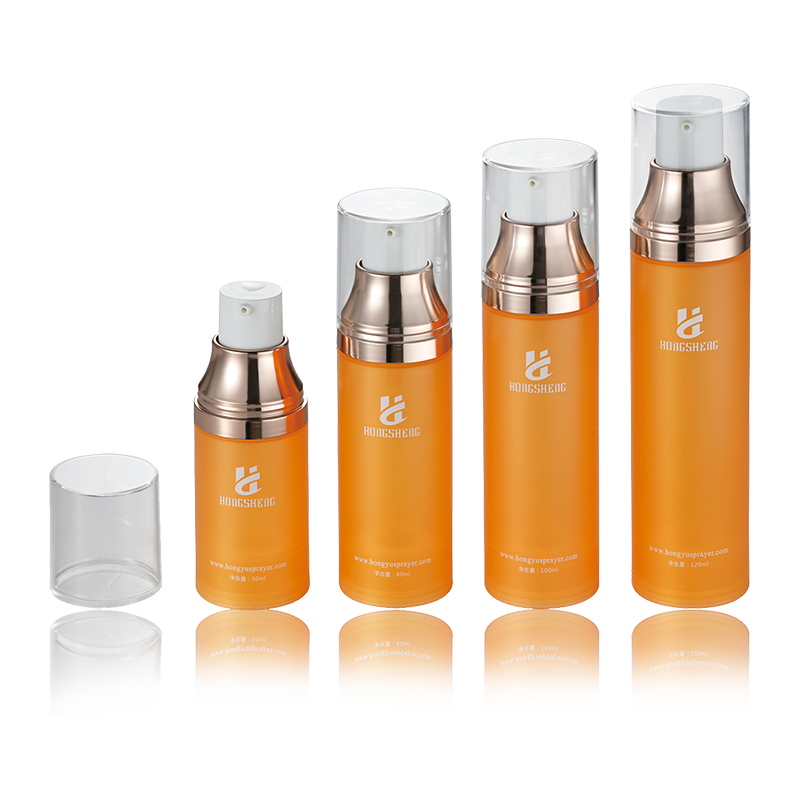
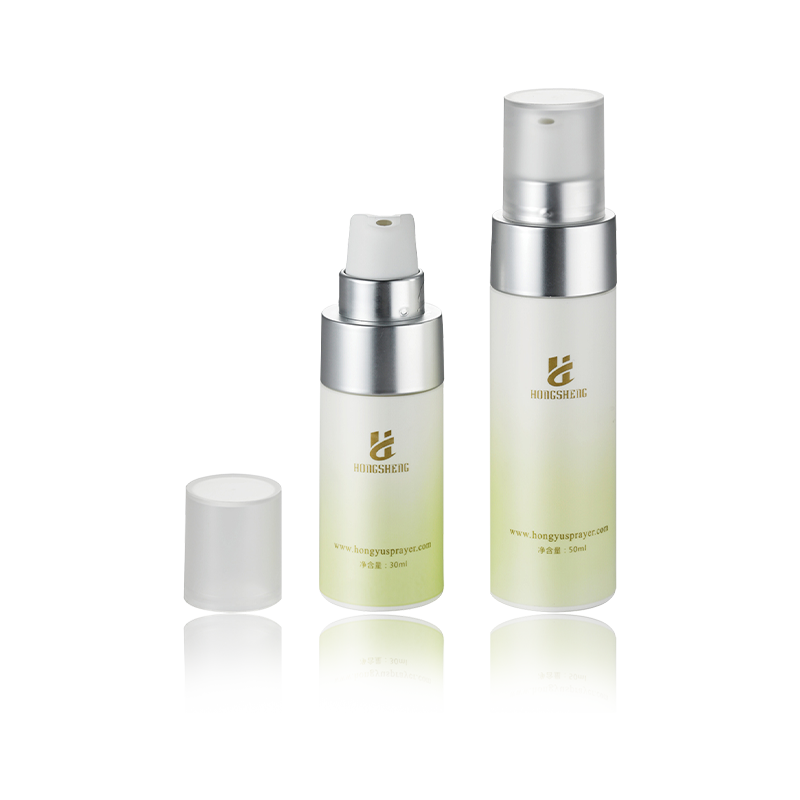
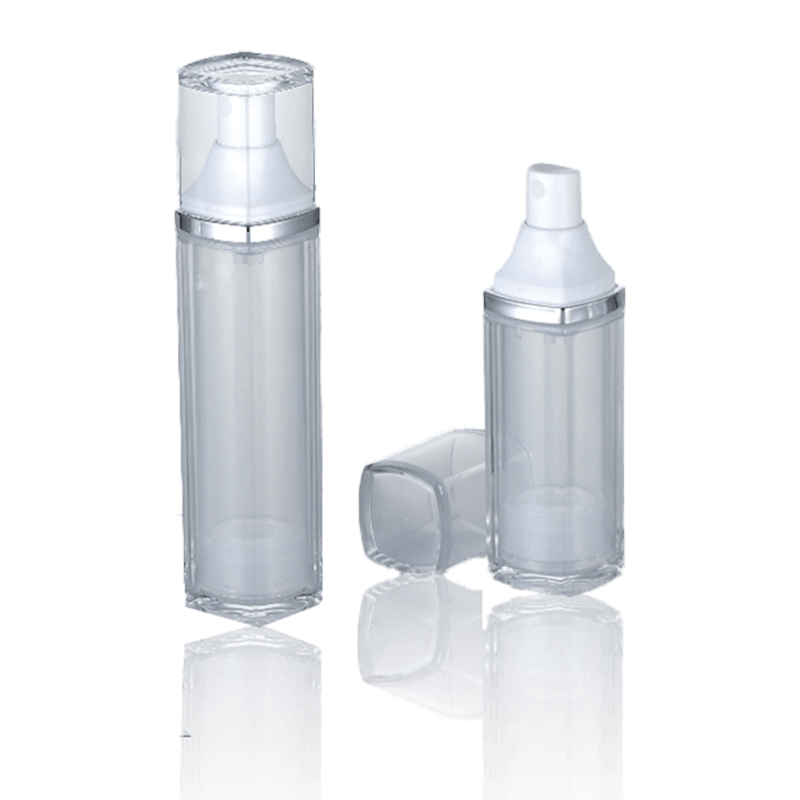
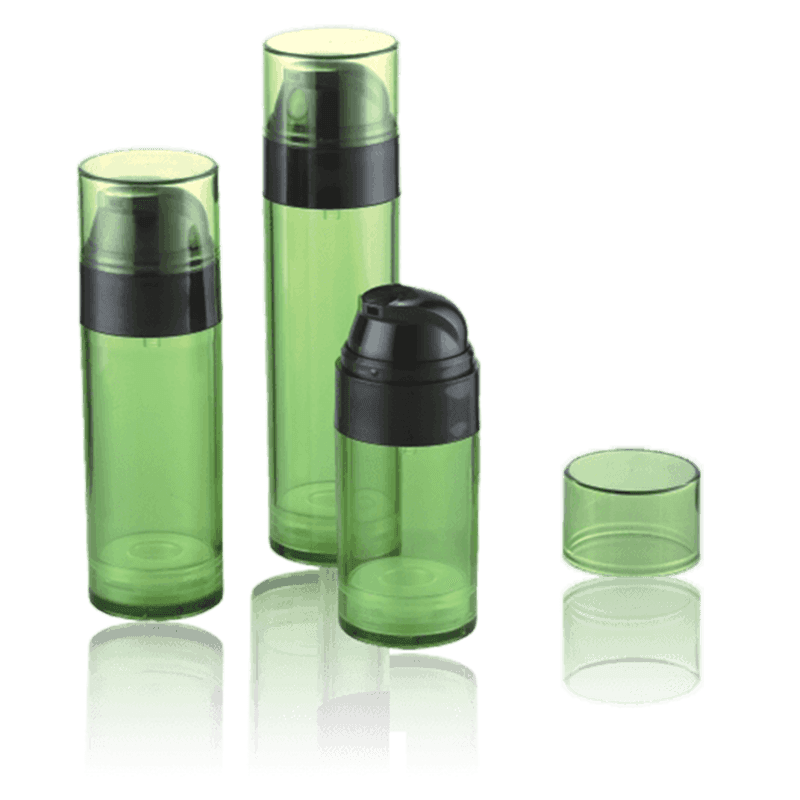
Airless pump bottles are available in frosted, clear, opaque, metallic, gradient, and dual-layer finishes. The shape vocabulary includes cylindrical, oval, square, and asymmetric profiles. Your bottle's form should be instantly recognizable on a retail shelf or in an unboxing video.
6. Recyclability and Sustainability Goals
If your brand has sustainability commitments, prioritize mono-material airless pump bottles (where pump and bottle are made from the same plastic) or refillable airless systems. Mono-material PP airless bottles are increasingly accepted in curbside recycling programs across major markets.
What Is the Environmental Impact of Airless Cosmetic Packaging?
Airless packaging has a complex but largely positive environmental footprint when lifecycle analysis is applied holistically. While traditional airless bottles use mixed materials (complicating recycling), newer designs are actively addressing this.
Key environmental considerations for airless cosmetic pump bottles include:
- Reduced product waste — With up to 98% evacuation, less formula is thrown away unused. For expensive formulas, this reduces both financial and resource waste.
- Lower preservative chemical load — Fewer synthetic chemicals in formulas means reduced chemical manufacturing emissions and less environmental persistence when products are rinsed off.
- Refillable airless systems — An emerging category of airless bottles with inner cartridges or pods that can be replaced, keeping the outer bottle in circulation for years. These systems can reduce packaging material use by 60–70% over a product's lifetime.
- PCR (Post-Consumer Recycled) content — Many manufacturers now offer airless pump bottles made with 30–100% recycled plastic content, significantly reducing virgin fossil fuel use.
- Biodegradable options — Some suppliers are developing airless bottles using bio-based plastics such as PLA blends, though these are still in early commercial stages.
Which Trends Are Shaping the Future of Airless Cosmetic Pump Bottles?
The airless cosmetic packaging industry is being redefined by four major trends: refillability, mono-material design, smart dispensing, and customization at scale.
Trend 1: Refillable Airless Systems
Brands are launching refill programs where consumers return or purchase inner cartridges while keeping the premium outer casing. This model reduces secondary packaging, cuts carbon footprint, and builds brand loyalty through a subscription or refill touchpoint.
Trend 2: Mono-Material Construction
Engineering an entire airless pump bottle — including the pump mechanism — from a single polymer (e.g., all-PP) enables curbside recycling without disassembly. This was considered technically impractical five years ago but is now commercially available from multiple manufacturers.
Trend 3: Smart and Metered Dosing
Next-generation airless pump dispensers are incorporating dose counters, usage tracking labels, and even connected (IoT) indicators that notify consumers when they are running low — particularly valuable in clinical dermatology and prescription skincare markets.
Trend 4: Direct-Print and Custom Decoration
Digital direct-print technology allows full-wrap, photographic-quality graphics on airless bottles without labels, reducing adhesive waste and creating a premium, seamless visual finish that is increasingly demanded in the prestige and indie beauty markets.
Frequently Asked Questions About Airless Cosmetic Pump Bottles
Q: Can airless pump bottles be refilled at home?
Yes, most airless pump bottles can be refilled by disassembling the pump head and carefully inserting product into the body from the top. However, this must be done hygienically, and it will introduce some air — partially defeating the purpose of airless packaging. Brands offering officially supported refill cartridges are the best option for true airless integrity.
Q: Why isn't my airless pump bottle dispensing product?
If your airless pump isn't working, it is most often due to a vacuum lock or a dry valve stem from first use. Try pressing the pump 10–15 times to prime it. If it still doesn't work, gently turn the bottle upside down for 30 seconds and try again. Brand-new bottles sometimes require priming if they have been stored in cold conditions.
Q: Are airless pump bottles safe for air travel?
Airless pump bottles are among the most travel-safe cosmetic containers available because the sealed vacuum system prevents leakage from cabin pressure changes. They do not rely on external air pressure to function, so altitude has minimal effect on dispensing performance. Use the locking cap or pump lock mechanism during transit.
Q: How do I know when an airless pump bottle is completely empty?
The piston reaching the top of the bottle is the most reliable indicator that the product is fully used. On translucent bottles, this is visible. On opaque bottles, when multiple pumps produce no product despite the bottle feeling light, the piston has likely reached its maximum position. At this point, up to 98% of the product has been used.
Q: Are airless pump bottles more expensive than regular pump bottles?
Yes, airless pump bottles typically cost 20–50% more than equivalent conventional pump bottles at the unit level. However, this premium is often offset by reduced formula waste (saving 5–10% of product per bottle), lower preservative ingredient costs, and the ability to command a higher retail price due to perceived quality. For brands selling at USD 30 or above per unit, the economics strongly favor airless packaging.
Q: Can airless pump bottles be recycled?
Recyclability depends on the materials used and your local recycling infrastructure. Traditional airless bottles with mixed materials (PP body, acrylic overcap, metal spring) must typically be disassembled before recycling. Newer mono-material all-PP airless bottles are designed to be recycled as-is. Look for a resin identification code on the bottle or check with the brand for their take-back program.
Q: What is the minimum order quantity (MOQ) for custom airless pump bottles?
MOQs for custom airless cosmetic pump bottles typically start at 1,000–3,000 units for stock mold customization (color, label, cap change) and 5,000–10,000 units or more for fully custom mold designs. Some suppliers offer low-MOQ stock airless bottles starting at 100–500 units, which are ideal for indie brands and product testing phases.
The Bottom Line: Are Airless Cosmetic Pump Bottles Worth It?
For most skincare and cosmetic brands selling active-ingredient formulas at mid-to-premium price points, airless pump bottles are not just worth the investment — they are rapidly becoming the expected standard.
The combination of superior formula preservation, near-total product utilization, contamination prevention, and strong consumer perception of quality makes airless cosmetic packaging one of the highest-ROI decisions a brand can make. As clean beauty continues to grow — projected to reach USD 22 billion globally by 2030 — and as consumers become more ingredient-literate, packaging that actively protects formulas will increasingly be a competitive differentiator, not just a premium add-on.
Whether you are a formulator choosing packaging for a new serum launch, a brand manager evaluating sustainability commitments, or a consumer wondering why your favorite skincare products come in those distinctive pump bottles — the answer is clear: airless pump technology delivers measurable, real-world benefits that extend from the manufacturing floor to the last drop on your fingertip.