
 English
 中文简体
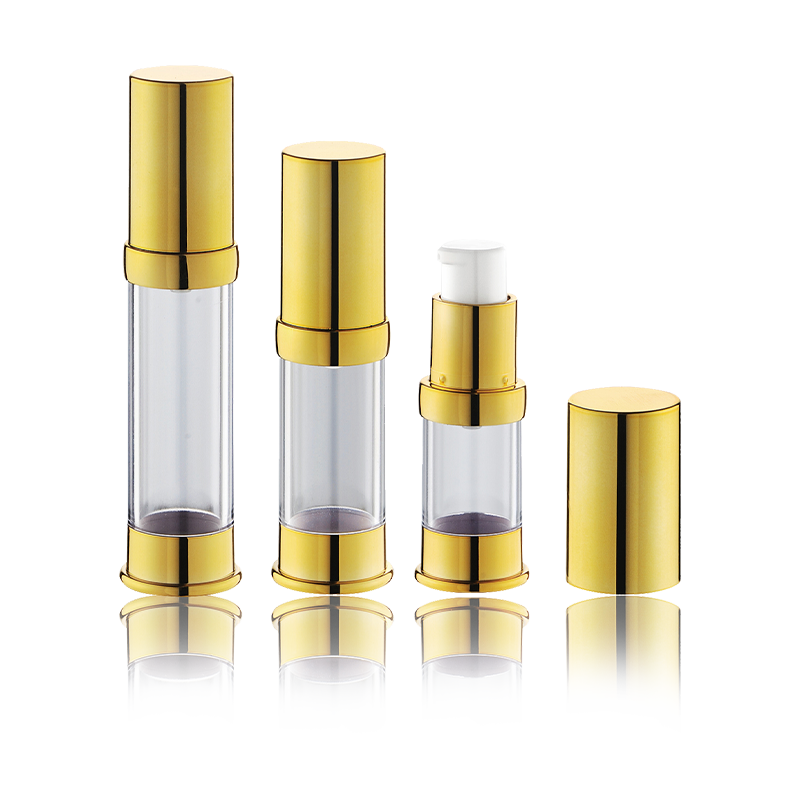
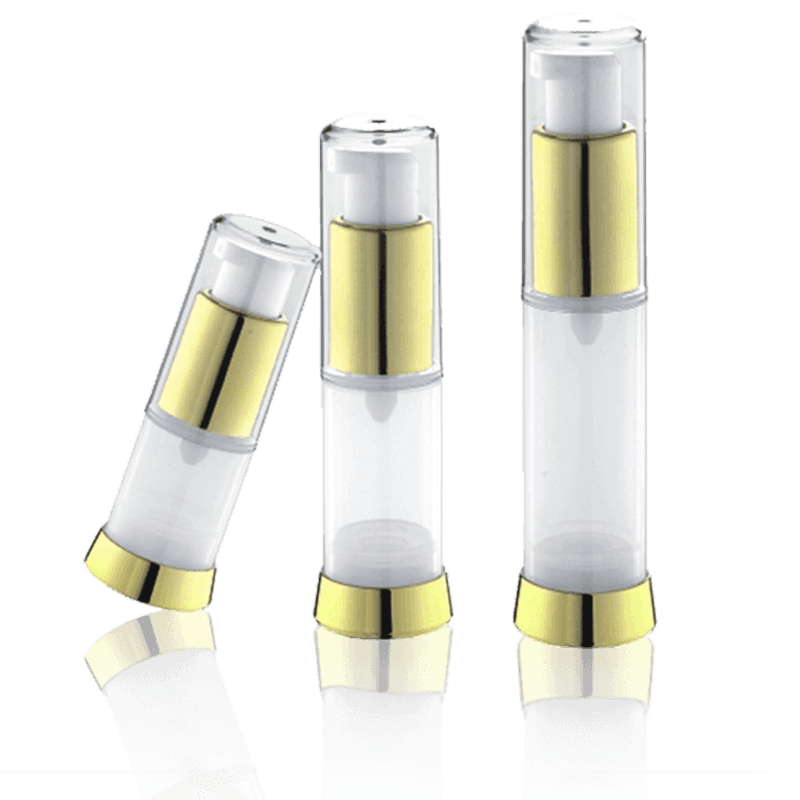
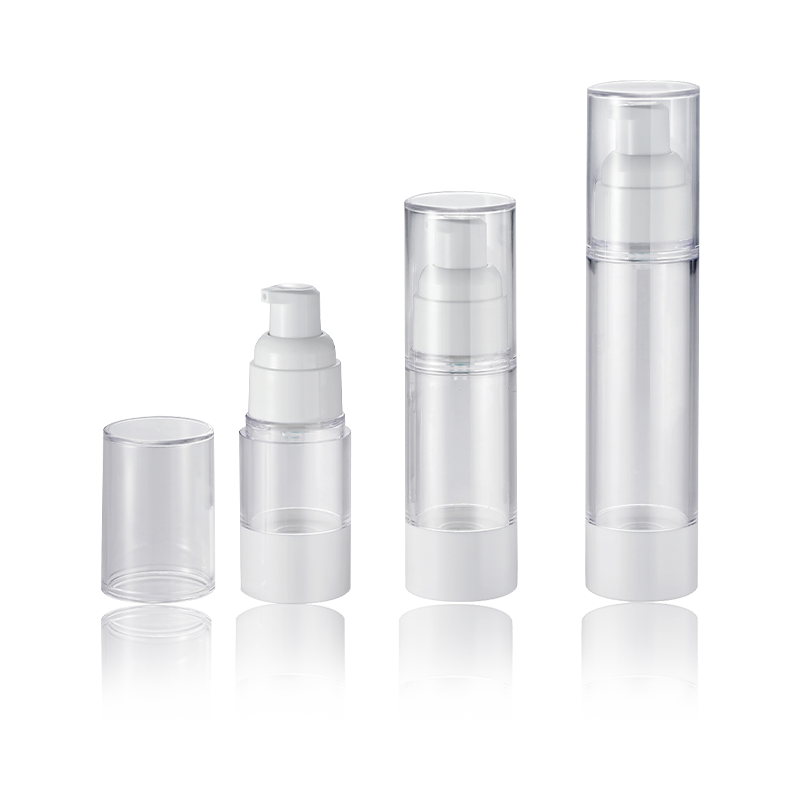
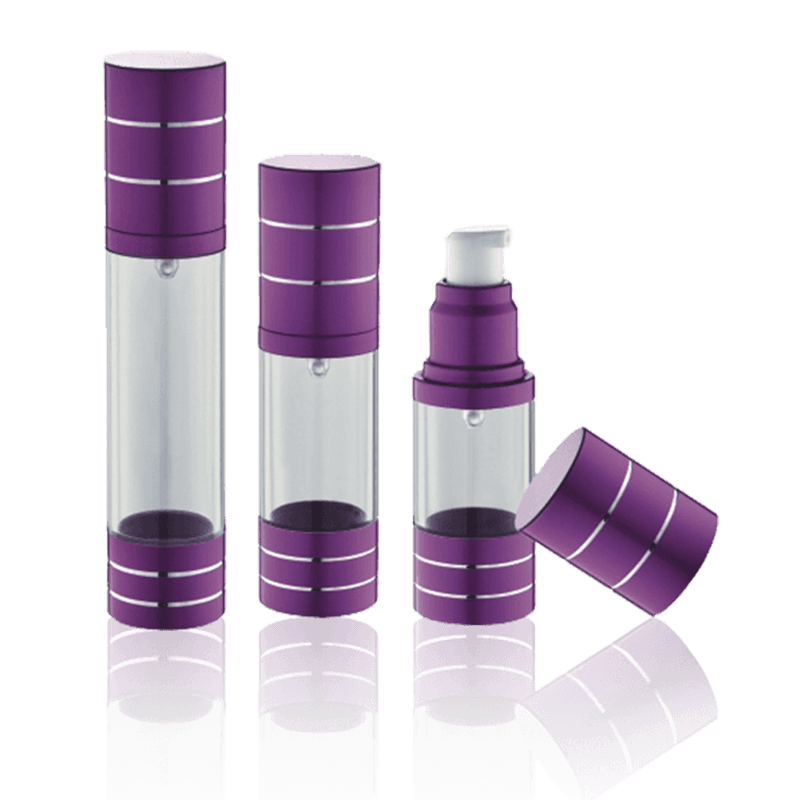
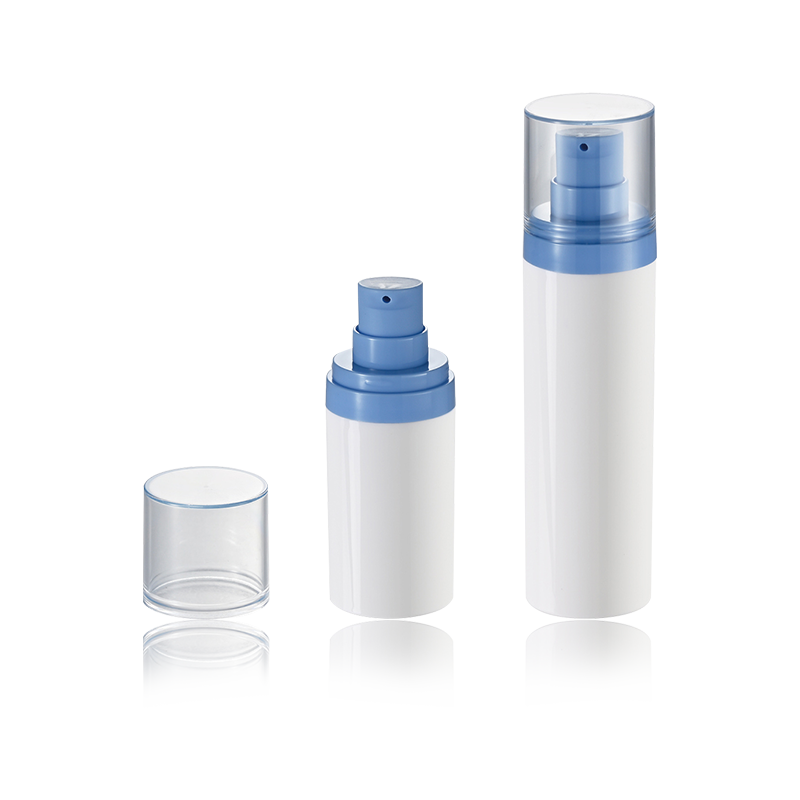
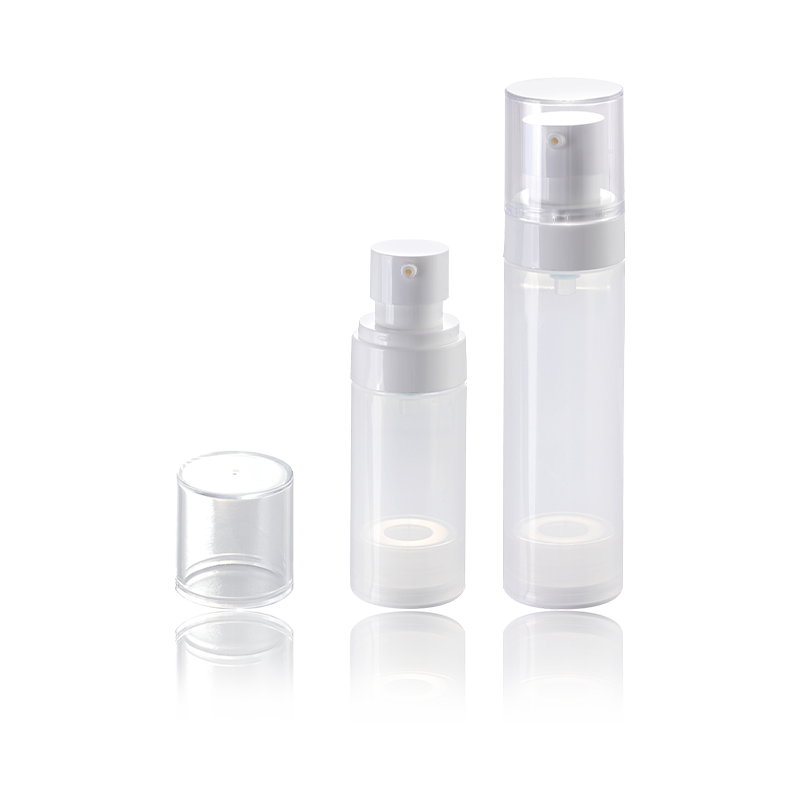
中文简体A cosmetic airless bottle is a specialized dispensing container that uses a vacuum-pump mechanism — rather than air pressure — to dispense skincare and beauty products without exposing the formula to oxygen. Unlike conventional pump bottles, airless bottles draw product upward through a rising piston or flexible inner bag, ensuring the formulation never contacts outside air from the moment it is filled until the very last drop is used.
This guide covers everything you need to know about cosmetic airless bottles: how the mechanism works, the different types available, their advantages and limitations, how they compare to standard pump and tube packaging, which cosmetic formulas benefit most, and how to choose the right one for your product or brand.
How Does a Cosmetic Airless Bottle Work?
A cosmetic airless bottle works by creating a sealed internal chamber where a spring-loaded piston or collapsible inner bag moves upward to push product toward the pump head as each dose is dispensed — no air ever enters the product reservoir.
The mechanism operates in three stages:
- Actuation: The user presses the pump head downward. This creates negative pressure (vacuum) inside the dispensing chamber above the product.
- Piston rise: The negative pressure, combined with a coiled spring beneath the internal disc or piston, pushes the platform upward. The product sitting above the piston is forced into the dip tube and out through the nozzle.
- Sealed closure: When the pump head is released, a one-way valve closes, preventing air from being drawn back into the bottle. The piston holds its new elevated position, ready for the next pump stroke.
Because air never replaces the dispensed product volume, the internal environment remains oxygen-free throughout the product's life. A standard airless pump bottle delivers a measured dose of approximately 0.3–0.5 ml per stroke, and most designs achieve a product evacuation rate of 95–98% — significantly higher than conventional pump bottles, which typically leave 15–25% of the product inaccessible at the bottom.
Types of Cosmetic Airless Bottles
Cosmetic airless bottles are available in four primary formats, each suited to different formula viscosities, brand aesthetics, and fill volumes.
1. Single-Wall Airless Pump Bottle
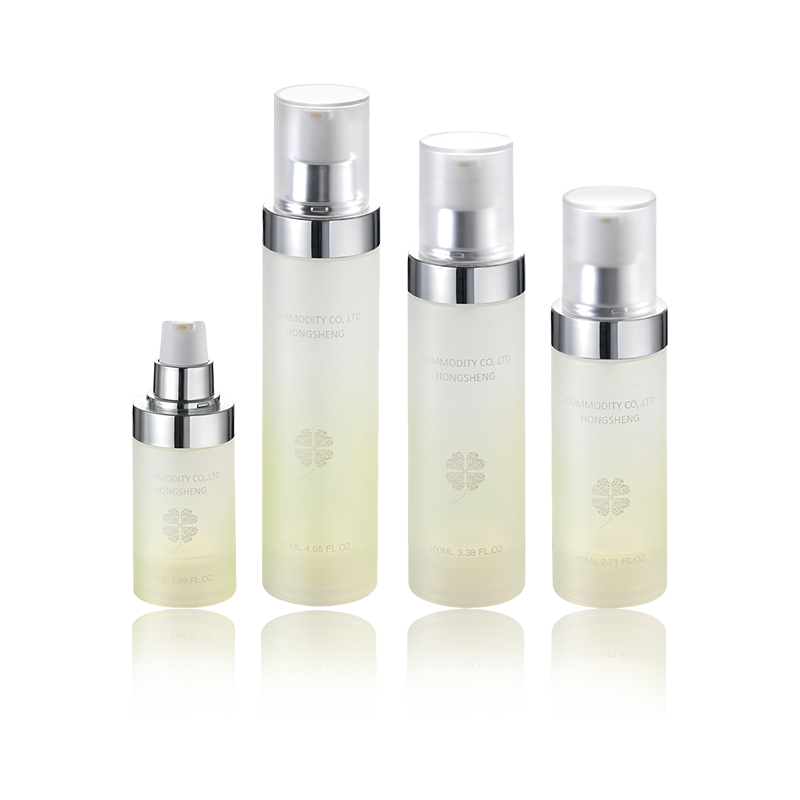
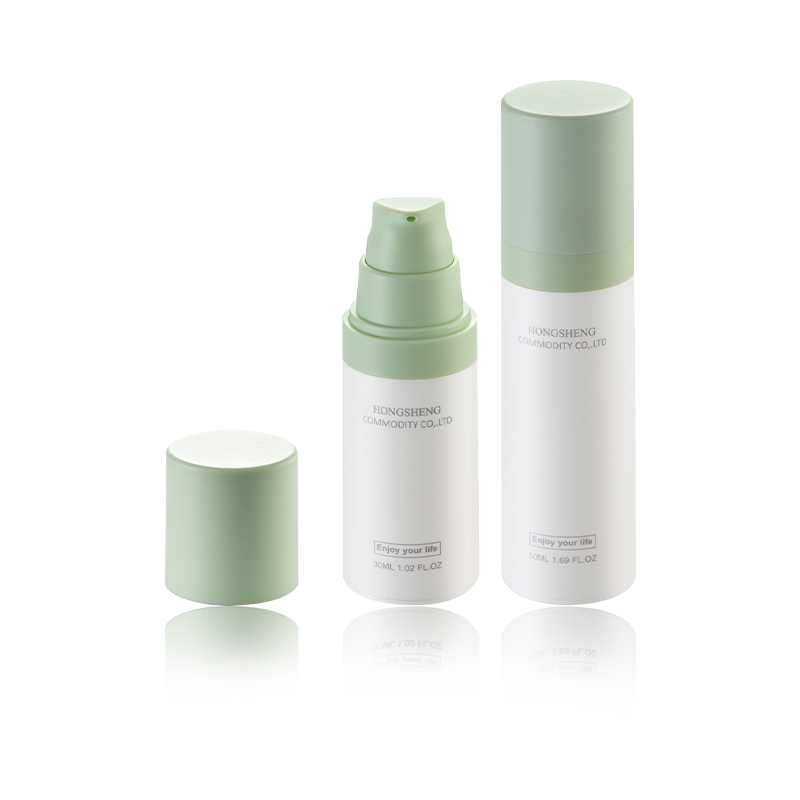
The most common format. A rigid outer shell (typically PP or PETG) houses the internal piston mechanism. Available in capacities from 15 ml to 150 ml, making it ideal for serums, moisturizers, foundations, and eye creams. The single-wall design allows for full-color customization, frosting, metallic coating, and silkscreen printing — making it the preferred choice for premium skincare brands.
2. Double-Wall Airless Bottle
A decorative outer shell surrounds a separate inner airless container. The inner bottle holds the product and mechanism; the outer shell provides premium aesthetics — glass-look acrylic, metallic sleeves, or geometric shapes that would be impractical to manufacture as a single functional piece. Double-wall airless bottles are common in luxury skincare and are typically priced 30–60% higher than single-wall equivalents.
3. Airless Tube (Flexible Pouch Airless)
Instead of a rigid piston, these use a collapsible inner pouch or bag that collapses as product is dispensed. The flexible inner layer shrinks inward, maintaining contact with the product at all times and preventing headspace formation. Well-suited for medium-to-high viscosity products such as BB creams, sunscreens, and thick serums. Typically available in 30–200 ml sizes and offer excellent compatibility with formulas sensitive to shear stress from piston pressure.
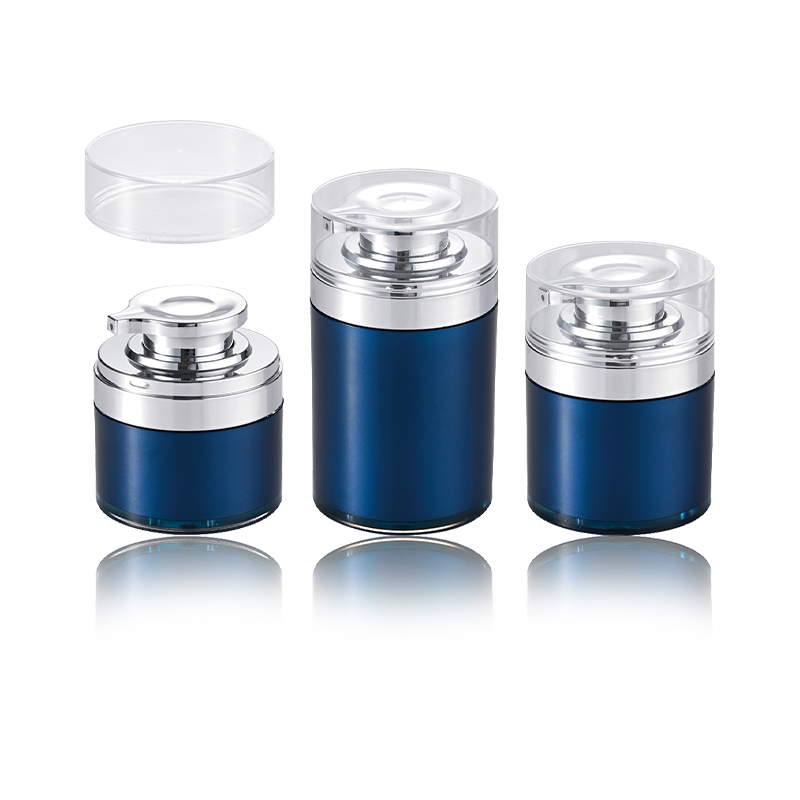
4. Airless Jar
An airless jar combines the wide-mouth aesthetic of a traditional cream jar with the oxygen-barrier functionality of an airless pump. A rotating base or side-mounted pump lifts a disc platform upward, bringing thick cream or balm formulas to the surface. Capacities typically range from 15 ml to 50 ml. The airless jar is particularly valuable for anti-aging creams and high-potency active ingredient formulations where every finger-dip into a standard jar introduces contamination.
Why Use a Cosmetic Airless Bottle? Key Benefits Explained
The primary reason brands choose cosmetic airless bottles is formula preservation — the sealed, oxygen-free environment protects active ingredients from oxidation, contamination, and degradation far more effectively than any other packaging format.
Protection of Oxygen-Sensitive Ingredients
Many of the most effective cosmetic actives are highly susceptible to oxidative degradation. Vitamin C (L-ascorbic acid) begins to oxidize and lose potency within 24–48 hours of air exposure at typical storage temperatures. Retinol (vitamin A) degrades rapidly in the presence of oxygen and light. Peptides, niacinamide in certain pH ranges, and natural plant extracts containing polyphenols all suffer measurable potency loss when exposed to air repeatedly during the product's usage period. Airless packaging can extend the effective shelf life of these ingredients by 2–4× compared to standard open-pump or jar packaging.
Reduced Preservative Load
Because no air enters the bottle, microbial contamination through airborne pathogens is virtually eliminated. This allows formulators to reduce or eliminate certain preservatives — parabens, phenoxyethanol, and broad-spectrum antimicrobials — that are increasingly scrutinized by consumers seeking "clean beauty" products. Studies in cosmetic formulation science have shown that airless packaging can reduce the minimum effective concentration of preservative systems by 15–40%, enabling gentler formulas without compromising safety.
Hygienic Dispensing
Every pump stroke delivers a pre-measured, sealed dose — the user's fingers never contact the product reservoir. This eliminates cross-contamination from skin bacteria (particularly relevant for acne-prone skin formulas and eye area products) and prevents the introduction of external pollutants. The hygiene benefit is clinically significant for dermatologically tested formulas where microbial count specifications are strict.
Superior Product Evacuation
The rising piston mechanism pushes product all the way to the dispensing nozzle, achieving evacuation rates of 95–98%. Conventional pump bottles with dip tubes typically leave 15–25% of the product stranded below the tube inlet. For a 50 ml serum at $80 retail, that represents up to $20 of wasted product per unit — a compelling value argument for end consumers.
Consistent Dose Delivery
Each stroke of an airless pump delivers a consistent, metered dose regardless of how full or empty the bottle is. Conventional pumps become inconsistent as product levels drop — delivering smaller, air-mixed doses near the end. For active ingredient formulas where dose consistency affects clinical outcomes (retinol percentages, AHA concentrations), this precision is practically important.
Travel Compatibility
The sealed internal mechanism prevents leakage under pressure changes during air travel — a persistent problem with conventional pump bottles and flip-cap tubes. Airless bottles are inherently spill-proof when the pump head is locked, making them the preferred format for travel-sized skincare and for products marketed to frequent travelers.
Airless Bottle vs. Other Cosmetic Packaging: A Detailed Comparison
Each packaging format offers distinct trade-offs in protection, cost, formula compatibility, and consumer experience — the right choice depends on your formula's specific needs.
| Feature | Airless Bottle | Standard Pump Bottle | Squeeze Tube | Open Jar |
|---|---|---|---|---|
| Oxygen barrier | Excellent | Poor | Moderate | None |
| Product evacuation rate | 95–98% | 75–85% | 85–92% | 80–90% |
| Hygiene (no finger contact) | Yes | Yes | Yes | No |
| Dose consistency | Very High | Moderate | Low | None |
| Leak-proof for travel | Excellent | Moderate | Good | Poor |
| Recyclability | Moderate (multi-material) | Good | Good | Excellent |
| Unit cost (50 ml) | $1.20–$4.50 | $0.40–$1.50 | $0.20–$0.80 | $0.30–$1.20 |
| Best for | Serums, actives, anti-aging | Lotions, cleansers | Masks, scrubs, thick creams | Balms, butters |
Table 1: Comparison of cosmetic airless bottles versus standard pump bottles, squeeze tubes, and open jars across eight packaging performance criteria.
Which Cosmetic Formulas Benefit Most from Airless Packaging?
Formulas containing antioxidants, vitamin C, retinol, peptides, or natural extracts gain the greatest measurable benefit from airless bottle packaging.
- Vitamin C serums: L-ascorbic acid at concentrations of 10–20% is among the most unstable cosmetic ingredients. Airless packaging can maintain greater than 90% potency through 18 months compared to approximately 60–70% in standard pump bottles, based on accelerated stability testing data from cosmetic research.
- Retinol and retinoid formulas: Retinol oxidizes to retinaldehyde and retinoic acid degradation products upon air exposure, reducing efficacy and potentially increasing skin irritation from the breakdown products. Airless delivery dramatically slows this photochemical and oxidative degradation process.
- Peptide-rich anti-aging creams: Many signal peptides and carrier peptides are sensitive to oxidation and can lose bioactivity through disulfide bond modification when exposed to ambient oxygen. The sealed environment of an airless bottle preserves peptide integrity from fill to final application.
- Natural and botanical formulas: Plant extracts rich in polyphenols, carotenoids, and fatty acids oxidize rapidly. "Clean beauty" and natural formulas — which often use minimal synthetic preservatives — are particularly dependent on oxygen-free packaging to maintain both safety and efficacy.
- Prescription-equivalent actives: High-concentration AHAs (glycolic acid above 10%), BHAs, niacinamide at therapeutic concentrations, and cosmeceutical-grade ingredients intended to produce clinical results all benefit from the precision dosing and stability advantages of airless dispensing.
- Foundation and tinted moisturizers: Pigmented formulas exposed to air develop oxidative discoloration and rancidity in the oil phase. Airless packaging prevents both, maintaining color accuracy and preventing the off-odor that consumers associate with expired products.
What Materials Are Cosmetic Airless Bottles Made From?
Most cosmetic airless bottles are constructed from polypropylene (PP), acrylonitrile butadiene styrene (ABS), or polyethylene terephthalate glycol (PETG), with stainless steel spring mechanisms and silicone or polyethylene valve components.
Polypropylene (PP)
The most common material for both the outer bottle body and the internal piston. PP is chemically resistant to most cosmetic ingredients including alcohols, glycols, and mild acids, has excellent fatigue resistance for repeated pump actuation, and is one of the more recyclable plastics (resin code #5). PP can be pigmented in any color and accepts most surface decoration techniques.
PETG (Polyethylene Terephthalate Glycol)
Preferred for transparent or glass-look airless bottles. PETG has excellent clarity, good chemical resistance, and is tougher than standard PET. It accepts UV-blocking additives to protect light-sensitive formulas, making PETG airless bottles a practical option for vitamin C and retinol products that would otherwise require fully opaque packaging.
Acrylic (PMMA)
Used for premium double-wall outer shells where optical clarity and a glass-like appearance are required. Acrylic is heavier and more scratch-resistant than PETG, lending a luxury tactile quality. However, it is more brittle and less chemically resistant — acrylic outer shells are always paired with a separate PP or PETG inner container that holds the actual product.
Sustainability Considerations
The multi-material construction of airless bottles — combining PP, ABS, stainless steel, and silicone in a single unit — has historically made them difficult to recycle in standard municipal streams. However, the industry is responding: mono-material airless bottles made entirely from PP (including the spring mechanism) are now commercially available, achieving PCR (post-consumer recycled) PP content of up to 50% without compromising pump performance. Refillable airless bottle systems, where only the inner cartridge is replaced, further reduce total plastic consumption per unit of product dispensed.
Airless Bottle Types Compared: Which Format Is Right for Your Product?
The four main airless bottle formats differ significantly in viscosity compatibility, capacity range, cost, and decorative potential.
| Format | Capacity Range | Ideal Viscosity | Decoration Options | Relative Cost | Best Application |
|---|---|---|---|---|---|
| Single-Wall Pump | 15–150 ml | Low–Medium (water to lotion) | Color, frosting, silk screen, hot stamp | Low–Medium | Serums, essences, moisturizers |
| Double-Wall Pump | 15–100 ml | Low–Medium | Full luxury decoration, glass-look | High | Luxury skincare, gift sets |
| Flexible Pouch Tube | 30–200 ml | Medium–High (cream to gel) | Label, sleeve printing | Medium | BB cream, sunscreen, foundation |
| Airless Jar | 15–50 ml | High (thick cream, balm) | Color, metallic cap, etching | Medium–High | Anti-aging cream, eye cream, balm |
Table 2: Comparison of the four main cosmetic airless bottle formats by capacity, viscosity suitability, decoration options, cost, and ideal cosmetic application.
How to Choose the Right Cosmetic Airless Bottle for Your Brand
Selecting the optimal airless bottle requires matching five key parameters: formula viscosity, fill volume, brand positioning, decoration requirements, and minimum order quantity.
- Viscosity testing first: Always test your formula's viscosity (in centipoise, cP) before selecting a pump. Most standard airless pumps handle formulas in the 500–50,000 cP range. Water-thin serums (below 500 cP) may drip from the nozzle between uses; very thick balms (above 100,000 cP) may not be drawn up by the piston without a modified, higher-compression pump mechanism.
- Match volume to usage cycle: An airless bottle should ideally be emptied within 6–8 weeks of opening to align with typical active ingredient stability windows. For a daily serum used morning and evening (2 × 0.4 ml per day ≈ 25 ml per month), a 30–50 ml bottle is optimal. Oversizing the bottle extends the usage period beyond the formula's stability window, negating the protective benefit.
- UV protection for light-sensitive formulas: Select opaque or UV-blocking PETG bottles for vitamin C, retinol, and botanical actives. Even a small amount of UV transmission through a clear bottle can accelerate degradation. Opaque PP in white, black, or custom colors provides full UV blockage at the lowest cost.
- Minimum order quantity (MOQ) planning: Standard airless bottle MOQs from suppliers typically start at 1,000–3,000 units for stock items and 5,000–10,000 units for custom molds. For indie brands launching at small scale, stock (off-the-shelf) airless bottles with custom labels offer the lowest entry cost while maintaining full functionality.
- Compatibility testing is non-negotiable: Conduct fill-and-pump compatibility testing for a minimum of 4 weeks at 40°C (accelerated aging equivalent to approximately 12 months at ambient) before launch. Test for piston staining, valve swelling, pump occlusion from particulates, and formula discoloration from contact with internal components.
Frequently Asked Questions About Cosmetic Airless Bottles
Q: Are cosmetic airless bottles truly 100% airtight?
High-quality airless bottles are not perfectly airtight but are significantly more protective than conventional packaging — typically reducing oxygen ingress by 90–95% compared to standard pump bottles. Minute amounts of oxygen can permeate through the polymer walls of the bottle itself over time, which is why opaque, thicker-walled PP bottles provide marginally better long-term barrier performance than thin PETG. For maximum protection of extremely sensitive formulas, nitrogen gas flushing of the airless bottle during filling is used by premium skincare manufacturers.
Q: Why is my airless pump bottle not dispensing product?
The most common cause of a non-dispensing airless pump is an unlocked pump head or an air gap between the piston and the product. Check first that the pump head is not in the locked (transport) position — rotate the head a quarter turn counterclockwise if needed. If a new bottle fails to prime, hold it upside down and pump 8–10 times to allow the piston to seat properly against the product. For bottles that have been stored unused for weeks, the spring may need several strokes to overcome static friction. If none of these resolve the issue, the one-way valve may have a manufacturing defect and the bottle should be replaced.
Q: Can you refill a cosmetic airless bottle?
Most standard airless bottles are not designed for consumer refilling, but purpose-built refillable airless systems are commercially available and growing in adoption. Standard single-use airless bottles can sometimes be bottom-filled by carefully removing the piston base cap and injecting product with a syringe — but this voids any sterility benefits and risks disrupting the piston position. Refillable airless bottle formats use a replaceable inner cartridge that clicks into a permanent outer shell, reducing plastic waste by 60–70% per refill compared to purchasing a full new bottle.
Q: Do airless bottles work with all cosmetic formulas?
Airless bottles are not suitable for formulas containing large particles, high concentrations of abrasive materials, or volatile solvents. Physical exfoliants (sugar, salt, walnut shell), formulas with particulate sizes above approximately 0.3 mm, and products with acetone or low-flash-point solvents can clog the valve, damage the pump mechanism, or permeate the polymer housing. Oil-in-water and water-in-oil emulsions, gel formulas, and most fluid-to-medium-viscosity serums work excellently in standard airless pump bottles.
Q: Are cosmetic airless bottles recyclable?
Conventional airless bottles are difficult to recycle because they combine multiple material types, but mono-material and design-for-recycling options are increasingly available. Traditional airless bottles mix PP, ABS, stainless steel, and silicone in a single unit — most municipal recycling facilities cannot sort and process this combination. Mono-material PP airless bottles (including the spring) are now certified under European and US recycling guidelines. Check with your packaging supplier for recyclability certifications. Consumers can look for the PP (#5) resin code on the bottle base and separate the metal spring before recycling where facilities accept mixed plastics.
Q: How much does an airless bottle cost compared to a standard pump bottle?
Airless bottles typically cost 2–4× more per unit than comparable standard pump bottles at the same fill volume and decoration level. A 30 ml standard pump bottle in PP might cost $0.35–$0.80 per unit at 5,000-unit MOQ; an equivalent 30 ml airless pump bottle costs $0.90–$2.20 per unit at the same quantity. Double-wall luxury airless bottles with full decoration can reach $3.50–$7.00 per unit at 3,000-unit MOQ. For premium skincare positioned above $40 retail, the packaging cost premium represents a small fraction of retail price and is easily justified by the formula protection and consumer experience benefits.
Conclusion: Is a Cosmetic Airless Bottle Right for Your Product?
A cosmetic airless bottle is the packaging format of choice whenever your formula contains active ingredients that degrade with oxygen exposure, when hygiene and precision dosing matter to your consumer, or when you want to deliver a premium, zero-waste product experience. The investment in airless packaging pays off in measurable formula stability, higher consumer-perceived value, and reduced wastage at the bottom of the bottle.
Not every product needs an airless bottle — stable emulsions, simple moisturizers with robust preservative systems, and high-volume body lotions are often better served by more cost-effective conventional packaging. But for any formula featuring vitamin C, retinol, peptides, natural actives, or medical-grade concentrations of cosmeceutical ingredients, an airless pump bottle is not merely a luxury choice — it is the most scientifically sound packaging decision you can make to protect the efficacy your formula promises.