
 English
 中文简体
中文简体Vacuum Bottle-HS-005B
Cat:Airless Bottle
Item No Capacity Diameter(∅) Height HY-005C-10ML 10ML 26mm 95mm HY-005C-15ML 15ML 26mm 110mm HY-005C-20ML 20ML 26mm 126mm HY-005C-30ML 30M...
See DetailsCosmetic airless bottles have become an essential packaging solution in the beauty industry, providing airtight protection and precise dispensing for skincare and cosmetic products. Choosing the right material for these bottles is crucial for product safety, aesthetics, and functionality.
Plastic is the most commonly used material for cosmetic airless bottles due to its versatility, cost-effectiveness, and lightweight properties.
Aluminum is favored for high-end cosmetic airless bottles because it provides premium aesthetics and durability.
Glass bottles offer an eco-friendly and luxurious option for airless packaging.
| Material | Advantages | Disadvantages |
|---|---|---|
| Plastic (PP, ABS, PET) | Lightweight, cost-effective, versatile | Less premium feel, potential chemical interaction with sensitive products |
| Aluminum | Durable, premium appearance, UV protection | Higher cost, limited transparency |
| Glass | Eco-friendly, chemical resistance, luxurious look | Heavy, fragile, more expensive |
Yes, but the pump mechanism is usually made from plastic or metal to maintain the airless function. Fully glass bottles are fragile and less practical for everyday use.
Plastic provides the best combination of cost-efficiency, lightweight properties, and design flexibility. It is suitable for a wide range of cosmetic formulations.
Aluminum bottles are excellent for products sensitive to light and air, but they may not be ideal for highly acidic formulas without a proper internal coating.
Choosing the right material for a cosmetic airless bottle depends on product type, brand positioning, and user experience. While plastic remains the most common, aluminum and glass offer premium alternatives for specific market needs.
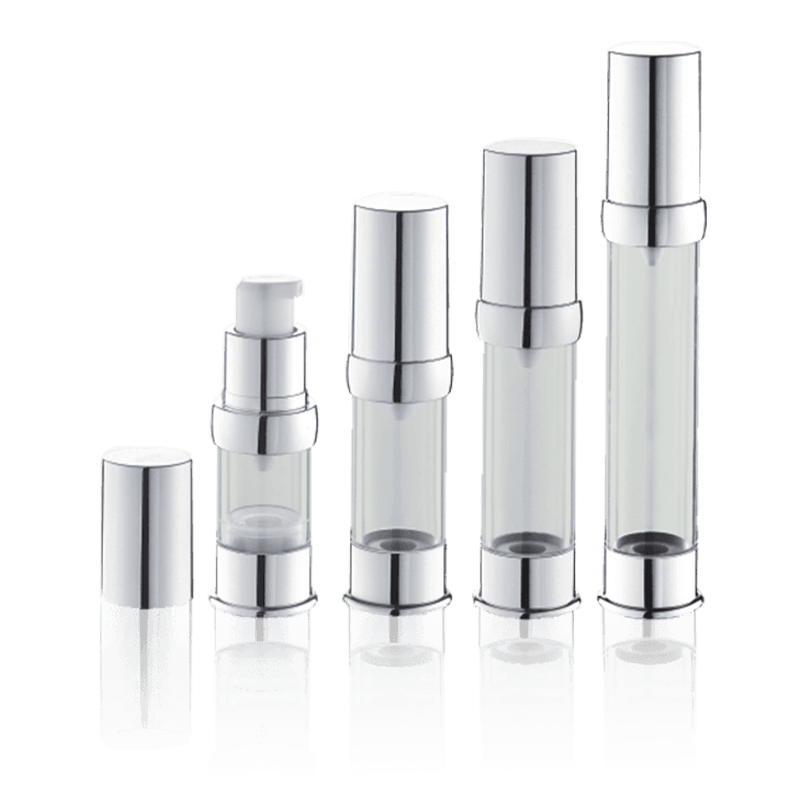
Item No Capacity Diameter(∅) Height HY-005C-10ML 10ML 26mm 95mm HY-005C-15ML 15ML 26mm 110mm HY-005C-20ML 20ML 26mm 126mm HY-005C-30ML 30M...
See Details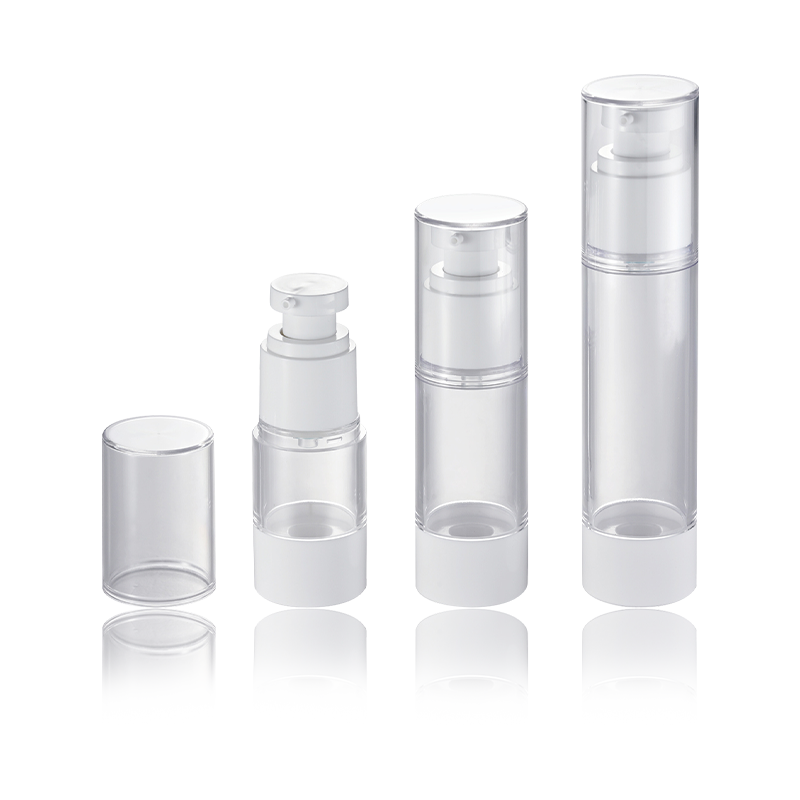
Item No Capacity Diameter(∅) Height HS-008B- 20ML 20ML 33mm 98mm HS-008B- 30ML 30ML 33mm 119mm HS-008B- 50ML 50ML 33mm 150mm Thanks to th...
See Details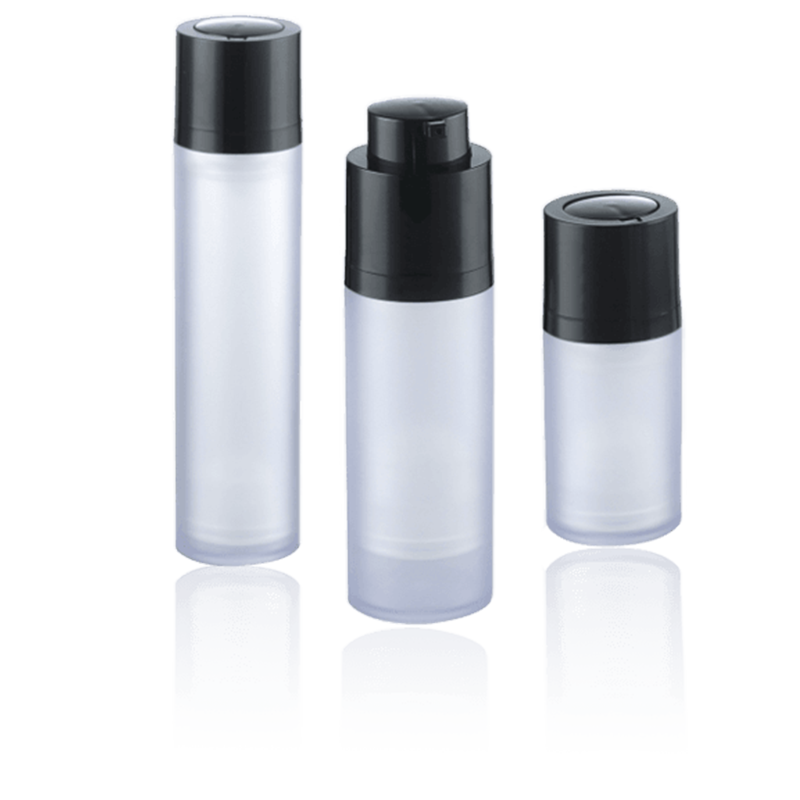
Item No Capacity Diameter(∅) Height HY-009A- 5ML 5ML 20mm 72.5mm HY-009A- 10ML 10ML 20mm 82.5mm HY-009A- 15ML 15ML 20mm 97mm
See Details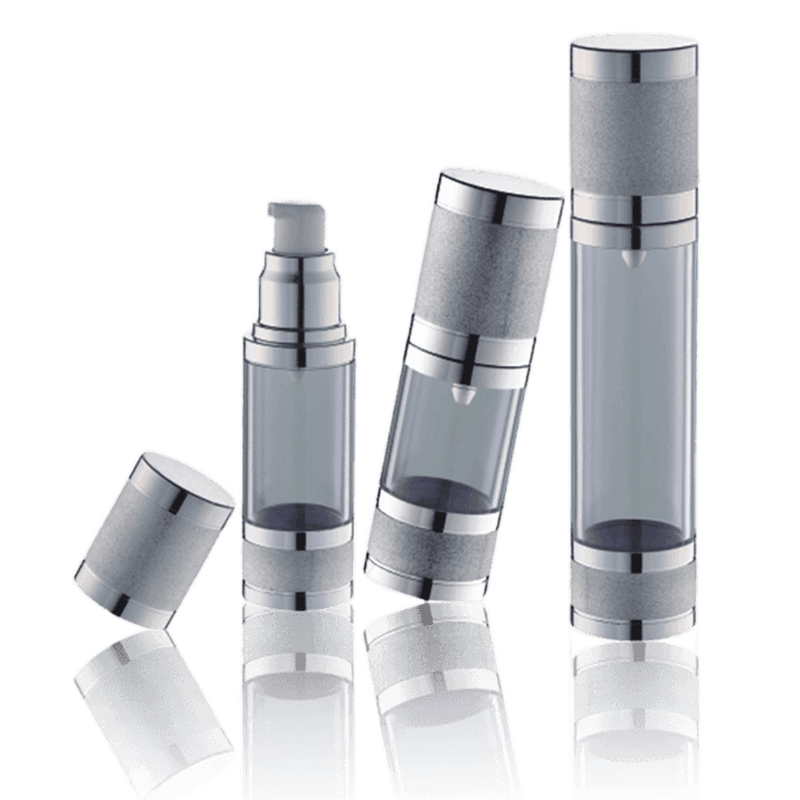
Item No Capacity Diameter(∅) Height HY-010A- 15ML 15ML 33mm 101mm HY-010A- 30ML 30ML 33mm 123mm HY-010A- -50ML 50ML 33mm 155mm
See Details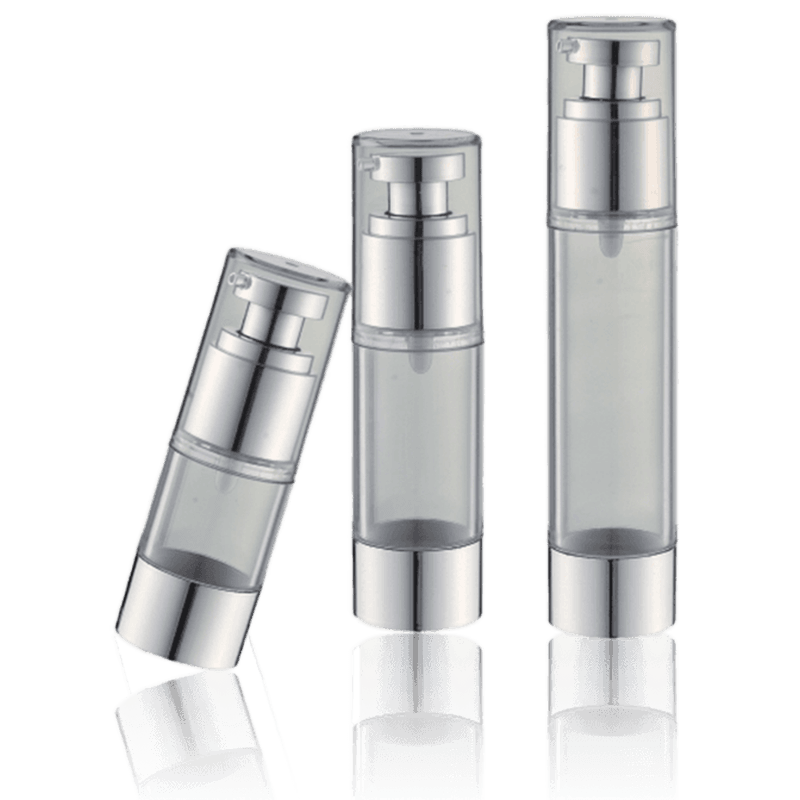
Item No Capacity Diameter(∅) Height HY-010C- 15ML 15ML 33mm 100mm HY-010C- 30ML 30ML 33mm 120mm HY-010C- 50ML 50ML 33mm 150mm
See Details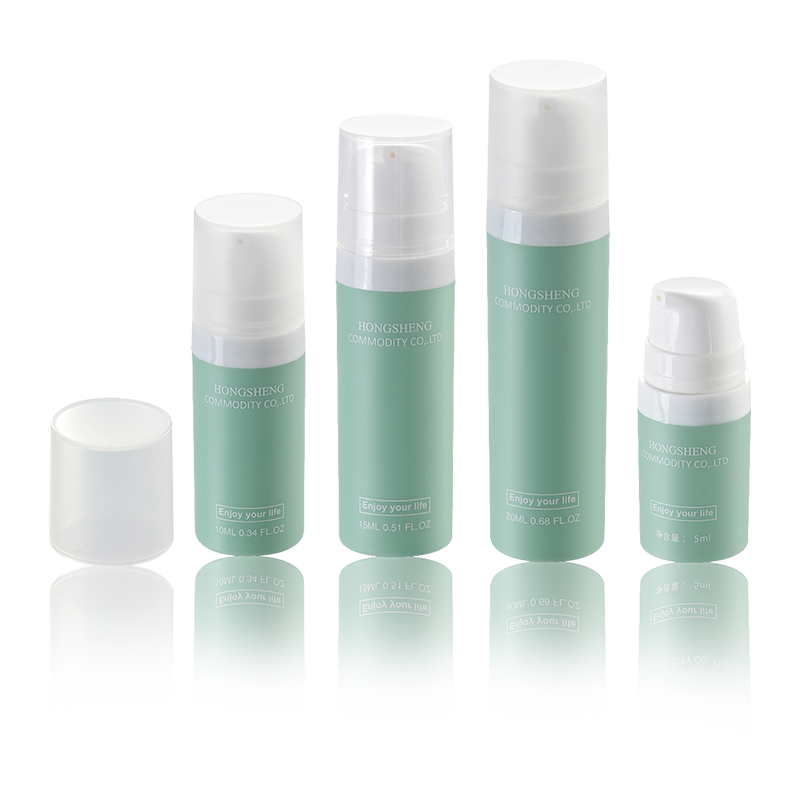
Item No Capacity Diameter(∅) Height HS-012- 5ML 5ML 25mm 66mm HS-012- 10ML 10ML 25mm 77mm HS-012- 15ML 15ML 25mm 90mm HS-012- 20ML 20ML 25...
See Details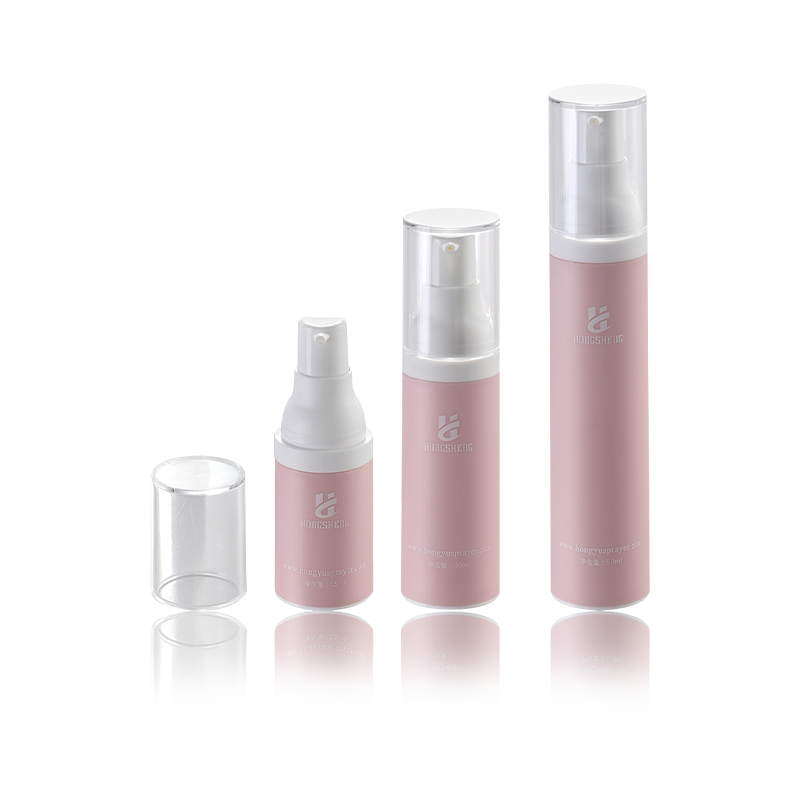
Item No Capacity Diameter(∅) Height HS-013B-15ML 15ML 29mm 96mm HS-013B-30ML 30ML 29mm 125mm HS-013B-50ML 50ML 29mm 145mm Sytem: Airless P...
See Details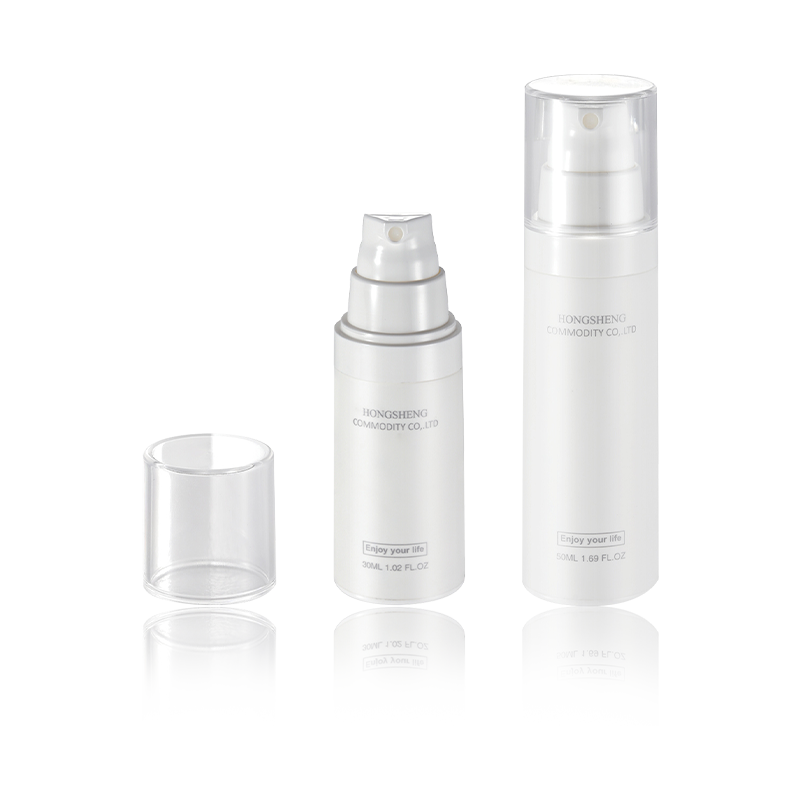
Item No Capacity Diameter(∅) Height HS-021B-30ML 30ML 35mm 112mm HS-021 B-50ML 50ML 35mm 136mm
See Details