

 English
 中文简体
中文简体Vacuum Bottle-HS-004B
Cat:Airless Bottle
Item No Capacity Diameter(∅) Height HY-004B-5ML 5ML 26mm 85mm HY-004B-10ML 10ML 26mm 96mm HY-004B-15ML 15ML 26mm 110mm HY-004B-20ML 20ML 2...
See DetailsWhen a skincare brand moves from concept to shelf, the packaging decision often determines whether a well-formulated product survives contact with oxygen, light, and repeated consumer use. Airless bottle cosmetic packaging has become the default choice for formulas built around active ingredients like vitamin C, retinol, and hyaluronic acid, because it keeps the formulation isolated from air from the first press to the last.
If you are evaluating airless packaging for a new or existing product line, this guide covers how these bottles work, which materials and specifications matter, and how to assess a packaging supplier before you commit to a production run.
An airless bottle is a dispensing system that uses a piston or collapsible pouch to push product upward as it dispenses, instead of a dip tube that draws liquid out and lets air back in. A conventional pump bottle pulls product up through a tube, then air rushes in to replace the volume, bringing oxygen and potential contaminants into contact with the remaining formula.
An airless package has four core components:
When you press the pump, the piston rises inside the bottle and keeps the remaining product in contact with the pump inlet. Because no air enters the container, the formula does not oxidize at the same rate as it would in a traditional bottle. Industry-published figures commonly cite product evacuation rates above 98 percent for well-designed airless systems. For a deeper look at piston and pump mechanics, read our detailed guide to how cosmetic airless bottles work.
Airless packaging is not a single format. The right configuration depends on your formulation's viscosity and how consumers apply it.
For thick creams and masks applied by finger, many brands pair serums in airless bottles with cream jar configurations from the same supplier, keeping the packaging lineup visually consistent across different product viscosities.
The decision to switch from a conventional pump or jar to airless packaging comes down to five measurable advantages.
Active ingredient protection. Vitamin C, retinol, and certain peptides degrade when exposed to oxygen. Airless packaging prevents oxygen from entering the container, slowing oxidation and preserving the formula's efficacy. For products marketed as clean or preservative-free, the airless format supplies a structural barrier that reduces the need for heavy preservation systems.
Extended shelf life. The product never touches ambient air or fingers until it leaves the pump, lowering the risk of microbial contamination compared with jars that are opened repeatedly.
Precise dosing. Each pump stroke delivers a consistent dose, which matters for medical skincare or products with a prescribed usage amount. It also means consumers use less per application.
Reduced waste. The piston design allows nearly the entire formulation to be dispensed. Consumers notice when a bottle "empties completely," and that experience drives repurchase.
Premium feel. Airless systems have a denser, more engineered feel than a simple dip-tube pump, supporting a higher retail price point in prestige and professional segments.
| Criteria | Airless Bottle | Conventional Pump Bottle | Jar |
|---|---|---|---|
| Oxygen exposure | Isolated, no air back-fill | Air enters after each use | Direct exposure on every open |
| Product evacuation | Up to 98%+ (industry estimate) | Moderate, residual remains | Low, product sticks to walls |
| Dose consistency | Fixed per stroke | Varies with fill level | Depends on scoop or fingertip |
| Microbial risk | Minimal | Moderate | High |
| Perceived value | Premium | Standard | Standard to premium |
Airless packaging is strongly recommended for:
Material selection affects appearance, barrier performance, cost, and recyclability. Most airless cosmetic bottles are made from plastic, with glass and aluminum reserved for specific premium positions.
Polypropylene (PP) is the most common airless bottle material. It offers strong chemical compatibility with most cosmetic formulations, resists stress cracking, and is recyclable under resin code 5. PP takes color well and is often used for opaque mid-range and premium skincare lines.
Polyethylene (PE) provides more flexibility, making it suitable for airless tubes and squeeze formats. The softer surface feels less premium than PP or PETG, but PE is a practical choice for certain product shapes.
PETG delivers the clearest transparency, which helps when consumers should see the product's color and texture. Its oxygen barrier is slightly weaker than PP, so PETG airless bottles are often paired with an inner pouch or piston that adds a barrier layer.
Glass airless bottles are used in prestige lines that want the weight and apothecary feel of glass. An outer glass shell protects an inner plastic pouch or piston, combining high-end aesthetics with airless function. The trade-offs are higher cost, heavier shipping weight, and breakage risk.
Aluminum blocks light and oxygen completely, feels distinctly high-end, and is fully recyclable. It is the most expensive route, so it typically makes sense only for small-capacity, high-price-point serums.
The right material balances your ingredients' compatibility requirements, brand image, cost target, and sustainability goals. A manufacturer that controls injection molding in-house can help you compare PP, PETG, and glass configurations before you commit to a final design.
When you request a quotation for airless bottle cosmetic packaging, these specifications determine whether the package will work with your formula. Preparing them in advance saves weeks of back-and-forth with suppliers.
Capacity and fill volume. Standard airless bottle sizes range from 15 ml to 200 ml. Match the capacity to your recommended dose and expected usage period. A 30 ml serum at 0.5 ml per day gives roughly 60 days of use; if your instructions call for a higher dose, a 50 ml bottle avoids consumer complaints that the product runs out too fast. Browse our airless bottle collection to review the standard sizes we offer.
Neck finish and closure. The neck finish determines how the pump attaches. Snap-on pumps are more cost-effective and widely used in airless systems; screw-on pumps provide a more secure seal, which matters for shipping and high-viscosity formulas. Common neck sizes for airless bottles are 18.9 mm, 19 mm, 20 mm, and 24 mm.
Dose output per stroke. Airless pumps typically dispense 0.05 ml to 1.5 ml per stroke. A serum might use a 0.12 ml output, while a rich cream may need 0.5 ml or 1.0 ml. Ask the supplier to recommend a pump that matches your target application amount.
Pump type and ingredient compatibility. High-viscosity creams need a pump with a wider internal channel and a stronger spring. Products with particulates will clog standard pumps. Formulas containing strong solvents require compatible seals and gaskets. To see how actuator selection fits into the full assembly, explore compatible pump options from our liquid distributor range.
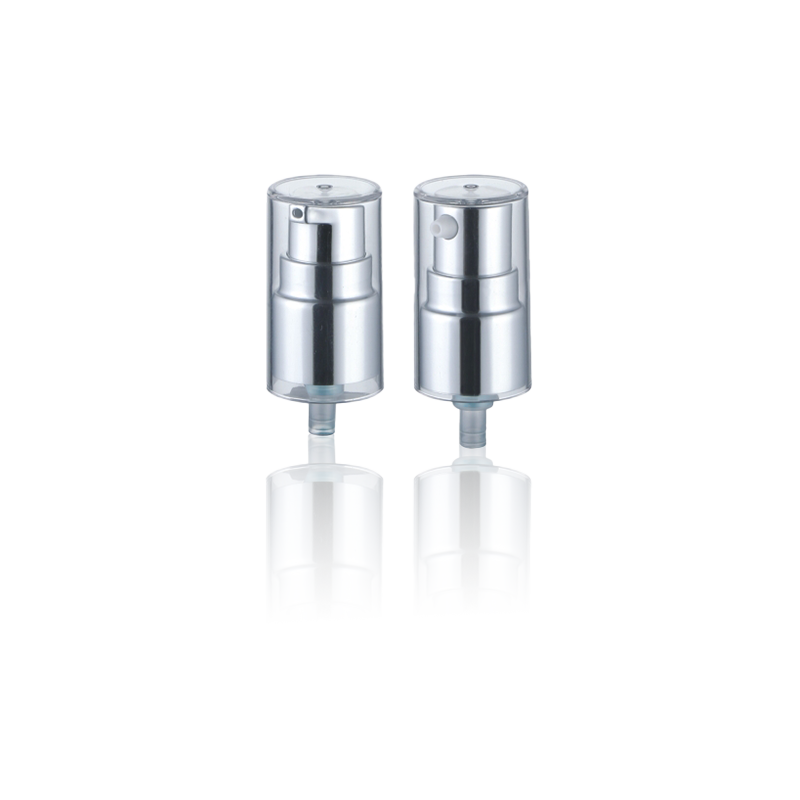 Cosmetic Cream Pump Manufacturers, Custom Cream Pump FactoryYuyao Hongsheng Commodity Co., Ltd is China OEM cosmetic cream pump manufacturers and cosmetic cream pump factory, We can custom cosmetic...View Product →
Sealing and leak prevention. Airless bottles must hold their seal during air freight, where pressure changes stress the pump. Ask suppliers whether the pump can be locked or clamped for transit, and whether they perform simulated transport testing before shipment.
Filling compatibility. Most airless bottles are backend-filled: inverted, filled through the bottom, then the piston is inserted and the base snapped closed. Confirm that the bottle design works with your contract filler's equipment and that the plastic grade supports your filling temperature.
A standard airless bottle can be turned into a distinctive brand package through several customization routes. Your choice depends on budget, order volume, and launch timeline.
The customization workflow typically runs from requirement definition and structural design to sampling, mold building, mass production, and quality inspection. Treat the pre-production sample as your most important checkpoint: test the pump stroke with your actual formula, confirm the fill volume fits, and run a one-meter drop test before approving the final sample.
Choosing a manufacturer is just as important as choosing the right bottle configuration. A supplier with strong in-house capabilities can identify problems earlier, respond faster to revisions, and deliver a more consistent finished product.
Scale also matters. According to the manufacturer's self-reported company profile, the company was founded in 2014, employs more than 100 staff, and operates around 7,000 square meters of production space. For sourcing teams that need dedicated capacity or multi-item orders, those indicators are worth weighing alongside the capabilities listed above.
Airless bottle cosmetic packaging delivers three interlocking advantages: it protects the active chemistry that justifies your product's price, it reduces the amount of product consumers waste, and it supports the premium positioning that professional and prestige skincare shoppers expect.
The format is not right for every product. Anhydrous balms, single-use samples, and clear gel products in simple squeeze tubes may not need the complexity of a piston system. But for serums, lotions, foundations, and treatment creams with active ingredients, airless packaging is the safest way to deliver the formula intact and create the tactile experience that encourages repeat purchases.
Your next step is to start a conversation with a packaging manufacturer that understands both the engineering and the branding sides of the decision. Send your target capacity, formula viscosity, and planned price point, then request samples filled with your real product and test the full assembly before committing to your first production order.
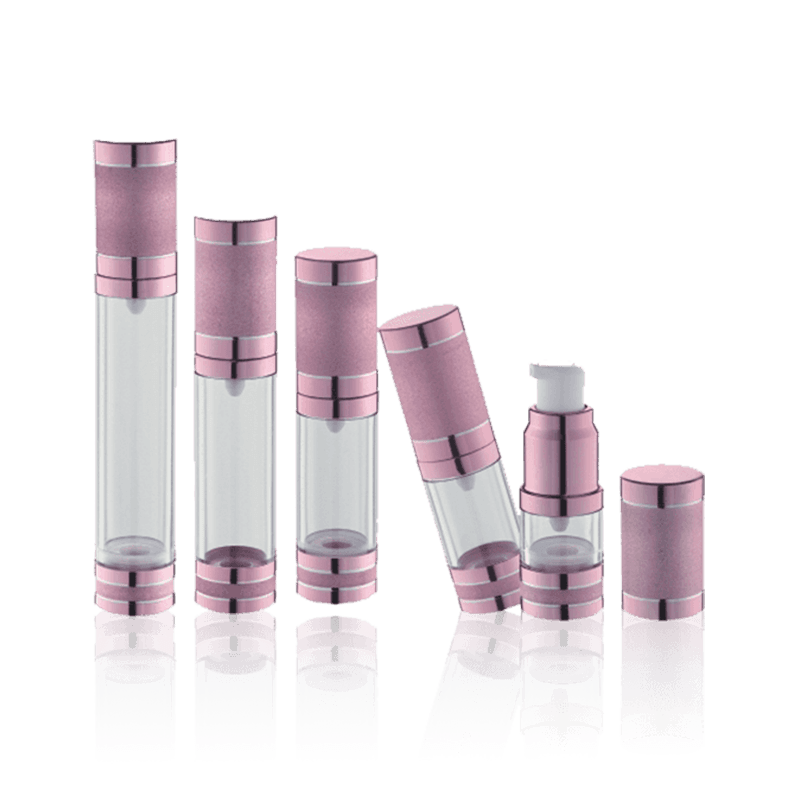
Item No Capacity Diameter(∅) Height HY-004B-5ML 5ML 26mm 85mm HY-004B-10ML 10ML 26mm 96mm HY-004B-15ML 15ML 26mm 110mm HY-004B-20ML 20ML 2...
See Details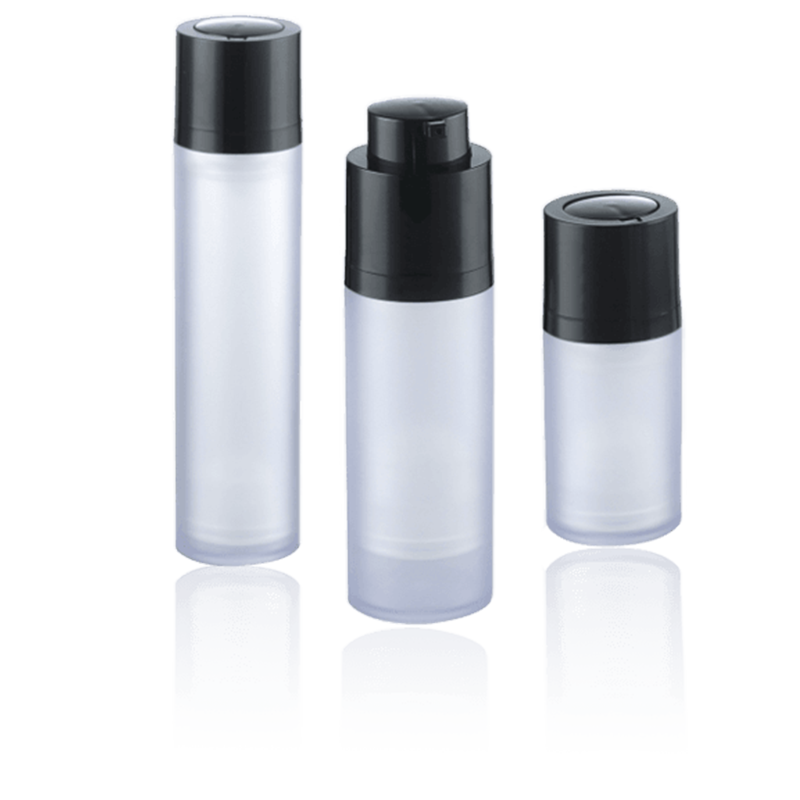
Item No Capacity Diameter(∅) Height HY-009A- 5ML 5ML 20mm 72.5mm HY-009A- 10ML 10ML 20mm 82.5mm HY-009A- 15ML 15ML 20mm 97mm
See Details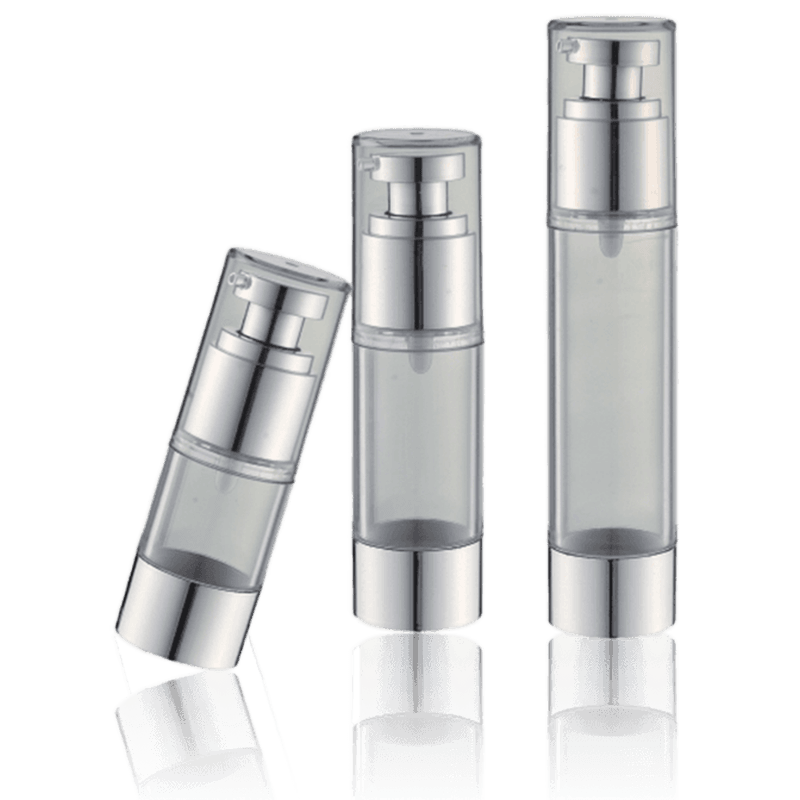
Item No Capacity Diameter(∅) Height HY-010C- 15ML 15ML 33mm 100mm HY-010C- 30ML 30ML 33mm 120mm HY-010C- 50ML 50ML 33mm 150mm
See Details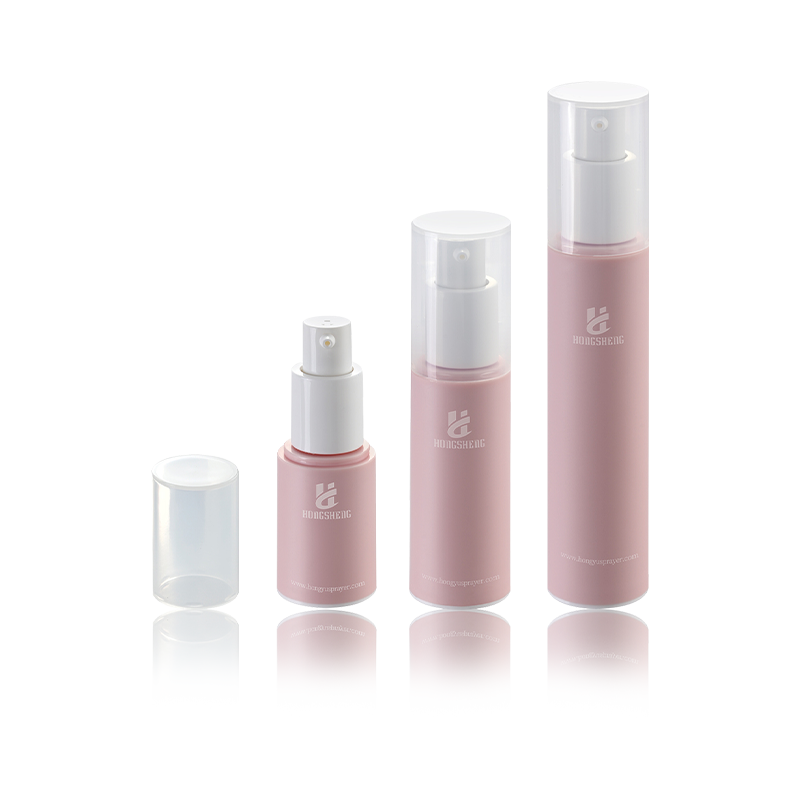
Item No Capacity Diameter(∅) Height HS-013C-15ML 15ML 29mm 96mm HS-013C-30ML 30ML 29mm 125mm HS-013C-50ML 50ML 29mm 145mm Sytem: Airless P...
See Details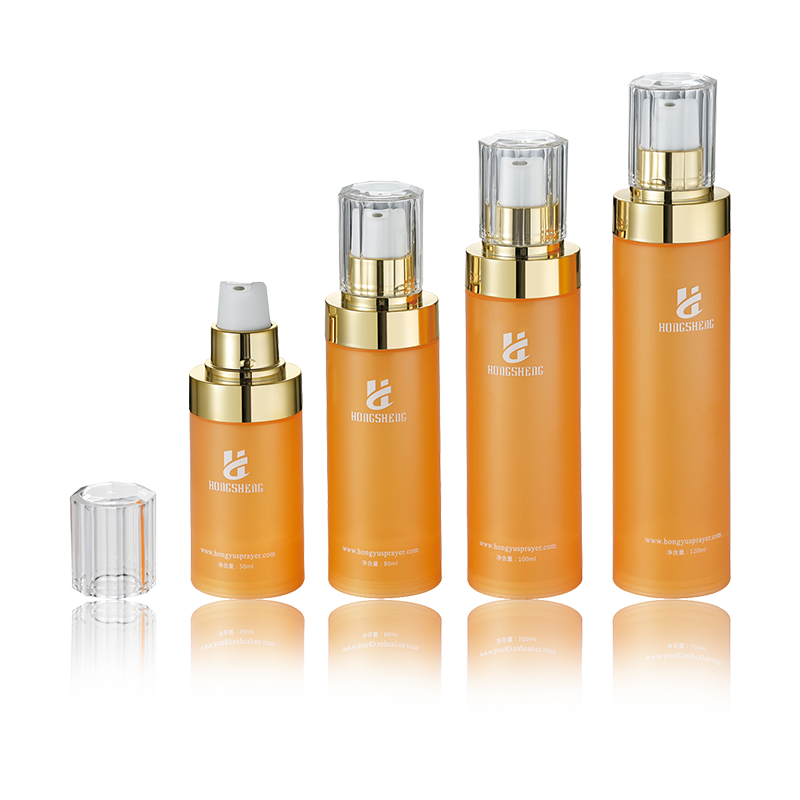
Item No Capacity Diameter(∅) Height HS-017E-50ML 50ML 41.5mm 122mm HS-017E-80ML 80ML 41.5mm 149mm HS-017E-100ML 100ML 41.5mm 167mm HS-017E...
See Details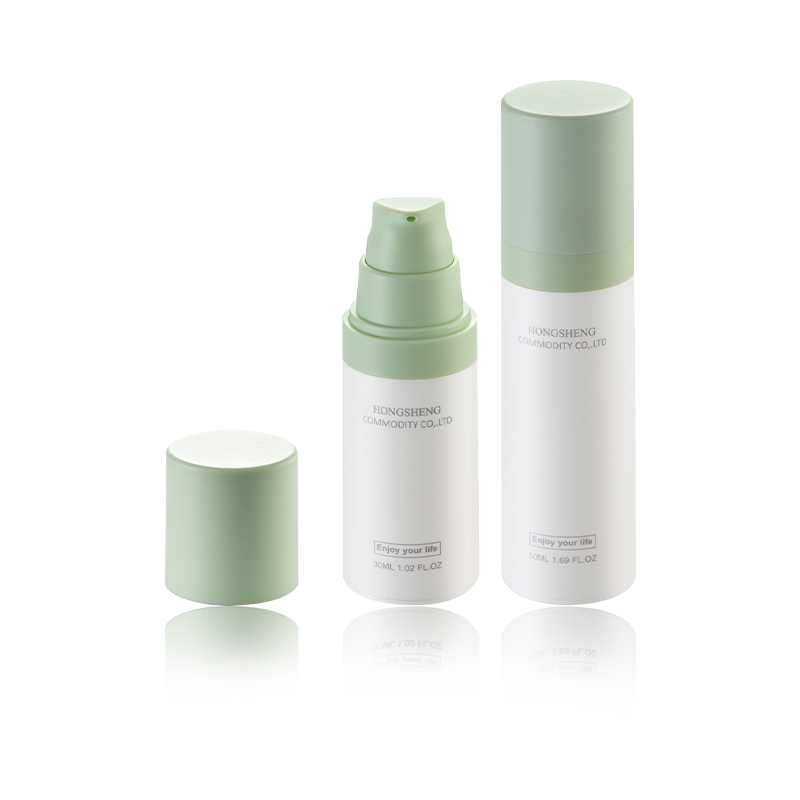
Item No Capacity Diameter(∅) Height HS-021A-30ML 30ML 35mm 112mm HS-021A-50ML 50ML 35mm 136mm
See Details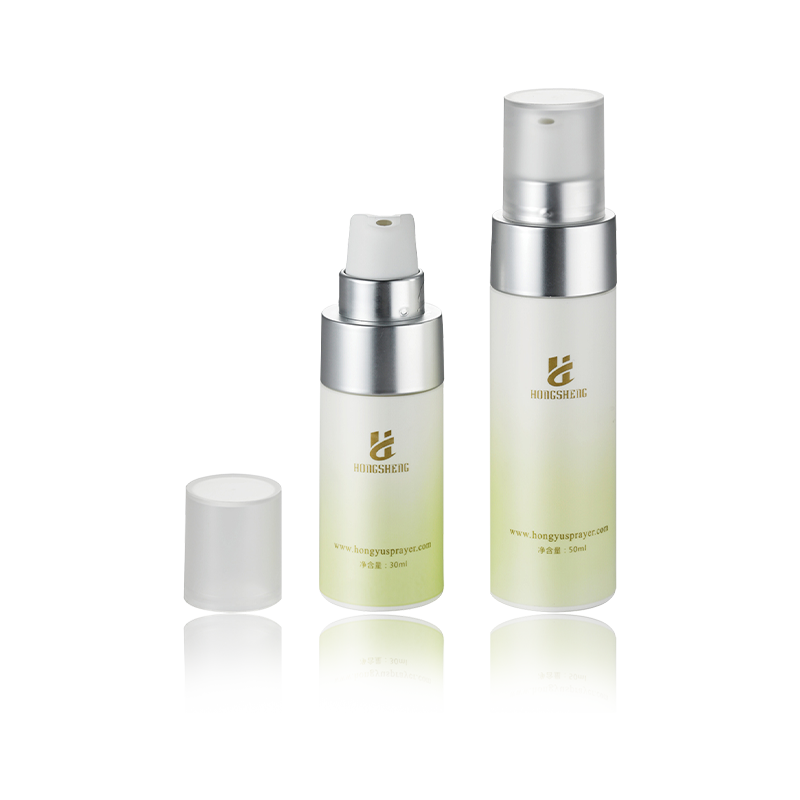
Item No Capacity Diameter(∅) Height HS-022-30ML 30ML 34. 5mm 112mm HS-022-50ML 50ML 34. 5mm 138mm
See Details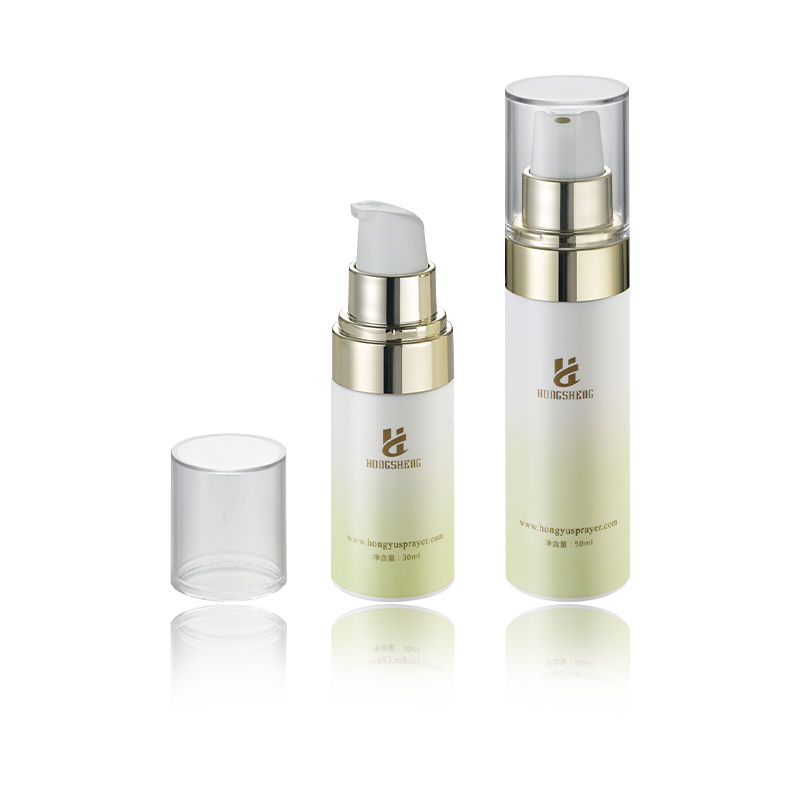
Item No Capacity Diameter(∅) Height HS-023-30ML 30ML 34. 5mm 112mm HS-023-50ML 50ML 34. 5mm 136mm
See Details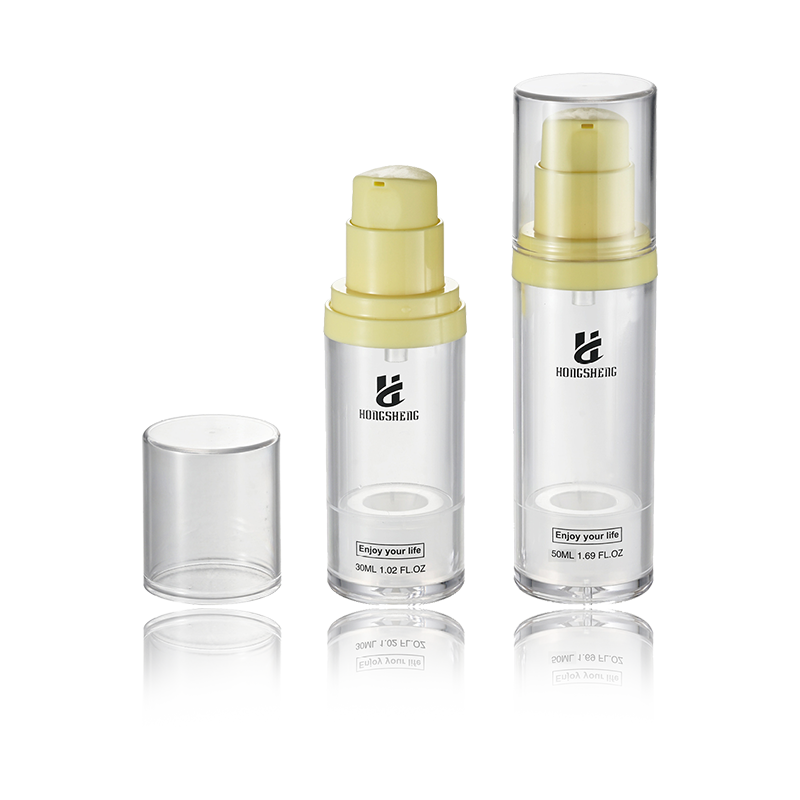
Item No Capacity Diameter(∅) Height HS-024A-30ML 30ML 36.5mm 117.5mm HS-024A-50ML 50ML 36.5mm 131.5mm
See DetailsContent

