
 English
 中文简体
Vacuum Bottle-HS-003A
Cat:Airless Bottle
Item No Capacity Diameter(∅) Height HS-003A- -5ML 5ML 18mm 74mm HS-003A- 10ML 10ML 18mm 95mm HS-003A- 15ML 15ML 18mm 130mm
See DetailsAn airless bottle for foundation is a rigid container in which a piston, not a dip tube, pushes the formula toward the pump. Each stroke moves product out and nothing flows back, so the foundation stays sealed off from air for its entire life. If the question is simply “will an airless bottle work for foundation?”, the answer is yes for most liquid and silicone-based formulas, and it becomes a normal engineering decision rather than a gamble once the piston, valve and fill level match the formula's viscosity.
The exceptions matter as much as the rule. Heavy cream foundations, formulas with volatile solvents, and products that separate in storage usually need a wider orifice, a slower fill line, or a different pack type altogether. Below is how brand owners and packaging teams typically work through those trade-offs, including the checks that keep a launch from failing at the filling line.
An airless pack earns its higher unit cost by removing four failure modes that ordinary bottles create for foundation: oxidation, evaporative loss, dose drift and inverted storage.
The trade-offs are real: higher unit price than a standard dip-tube pack, slower filling because the piston must seat without trapping air, and no option to reopen the pack on the line for a top-up. Those costs are usually worth carrying for a foundation with SPF claims, a silicone base, or a shade range wide enough that a mismatched pack becomes expensive. For a lightweight, low-price tint used once and thrown away, a simpler bottle is often the better commercial call.
The working principle is simple, but three components decide whether it performs: the piston, the pump valve, and the bottle body that holds them both in alignment.
The piston must follow the formula upward without tilting or skipping. A piston that runs slightly loose lets product slip past its lip and the pack looks half-full before it is empty; one that is too tight causes the pump to starve or the body to flex with each stroke. Piston material also matters, because some elastomers swell when they sit against silicone or ester-based formulas.
The pump is where the dose is decided and where most complaints originate. The suction valve must close cleanly so product does not slide back between strokes; the outlet must release a clean cut-off instead of a string or drip. A full 30 mm pump on a 20 mm neck is not interchangeable with a slim actuator, so agree the neck finish and the actuator profile together early.
Wall thickness affects how the piston travels and how the pack feels in the hand. Thick, straight walls with a well-centred neck help the piston run true; ornamental shapes with narrow shoulders are harder to empty and should be tested with the real formula rather than with water.
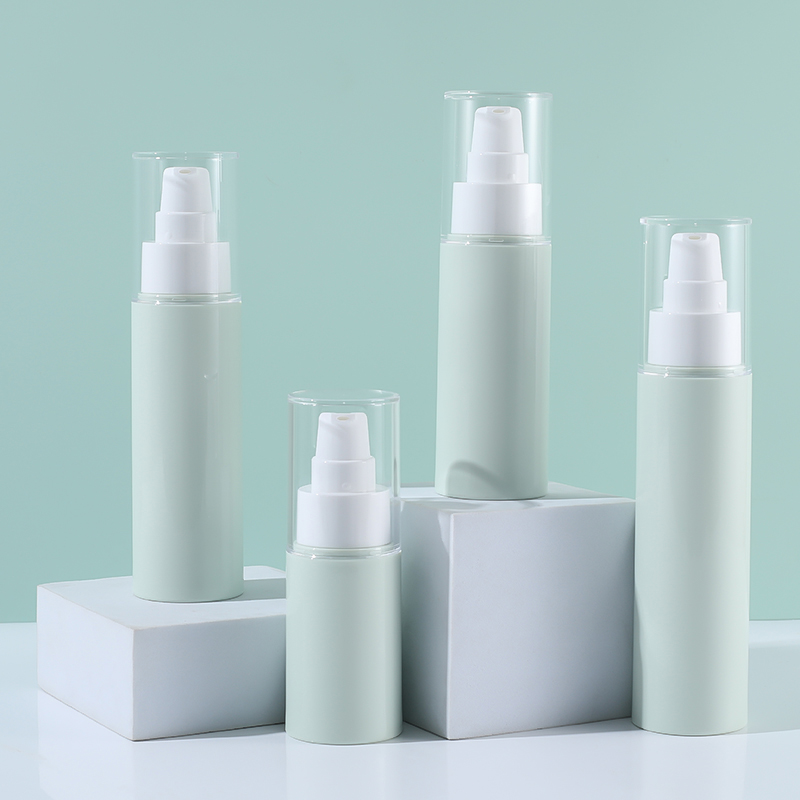 HS-017A Airless Cosmetic Pump BottleAvailable in 50–120 ml with 0.25 cc output, this matte airless bottle suits skincare packs where fill volume and piston travel are being approved.View Product →
Decide fill volume and pump output before you approve a shape, because these two numbers drive the piston stroke and the whole cost of the pack. A 30 ml airless bottle rarely holds 30 ml of usable foundation; the piston starts below the shoulder, so a typical usable fill lands around 27 to 28 ml, and the label has to say so.
| Specification | Common choice | Why it matters |
|---|---|---|
| Fill volume | 15, 30 or 50 ml usable | Drives piston stroke, body height and shipping weight |
| Dose per stroke | 0.20–0.25 ml | Sets application count and perceived value per bottle |
| Viscosity window | Roughly 3,000–60,000 cps | Below the window the formula leaks; above it the pump starves |
| Neck finish | Matched to pump collar | Prevents wobble, leaks and cap mismatch |
| Overfill tolerance | Usually ±2–3 percent | Keeps declared net content legal and honest |
A quick practical check: weigh ten filled bottles, pump them dry, and compare the delivered weight to the declared volume. If the spread is wider than your tolerance, the piston or valve is the first place to look, not the filling line.
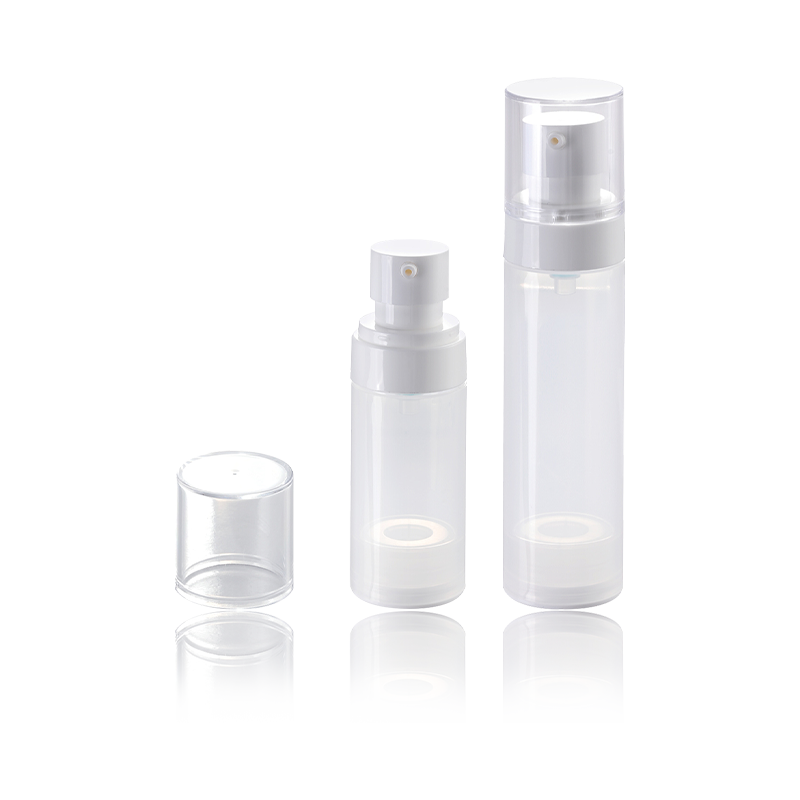 HS-029A Frosted Forest Airless BottleA 30 ml or 50 ml frosted airless bottle with ABS shell and PP liner, useful when checking formula compatibility and pump delivery during sampling.View Product →
Material selection is a compatibility question before it is an aesthetic one, because the same resin can behave very differently against a water-based tint and a silicone-heavy long-wear base.
For a deeper technical walkthrough of how the piston and valve behave across formula types, this guide to airless bottle structure and performance is a useful companion to the specification sheet.
 HS-035 Amber Gold Airless BottleA 50 ml or 80 ml amber-gold airless bottle with glass liner and 0.5 ml rotary pump, suited to premium skincare sampling and launch checks.View Product →
Most airless failures on foundation are found in the sample stage or not at all, so build these checks into the approval process rather than into a claim after launch.
A supplier can quote accurately only when the brief includes the formula, the dose and the decoration — not just a picture of a bottle. The fastest route to a workable sample is a short pack brief plus a reference sample in hand.
Our airless bottle range covers multiple body profiles and pump pairings, and the team can work from a physical sample or a drawing, including printing and metallisation in the same production flow.
No. Liquid and silicone-based foundations in the mid viscosity range suit airless packs well, while very thick cream foundations and powder-suspended formulas often need a wider orifice or a different dispenser. Test the actual formula, not a stand-in.
It is possible if the formula is fluid enough to be drawn up by the pump, but retail packs are often not designed to be reopened, and refilling can leave air under the piston that causes spitting. Buy a pack sold as refillable and follow its priming steps.
Usually around 27 to 28 ml of usable product, because the piston starts below the shoulder. Declare the usable volume, not the mould capacity, on the label.
Within a few percent, provided the valve is matched to the viscosity. A pump that dose-drifts as the piston rises is usually a valve or piston-fit problem rather than a filling problem.
Yes, typically by a noticeable margin per unit, and filling is slower. On a premium foundation with SPF or a wide shade range, the avoided returns and the better in-use experience usually outweigh that difference.
Chosen properly, an airless bottle for foundation is less about luxury positioning and more about protecting a formula you already paid to develop. Fix the dose, the viscosity window and the neck finish first; everything else — shape, decoration, price — follows from those three numbers.
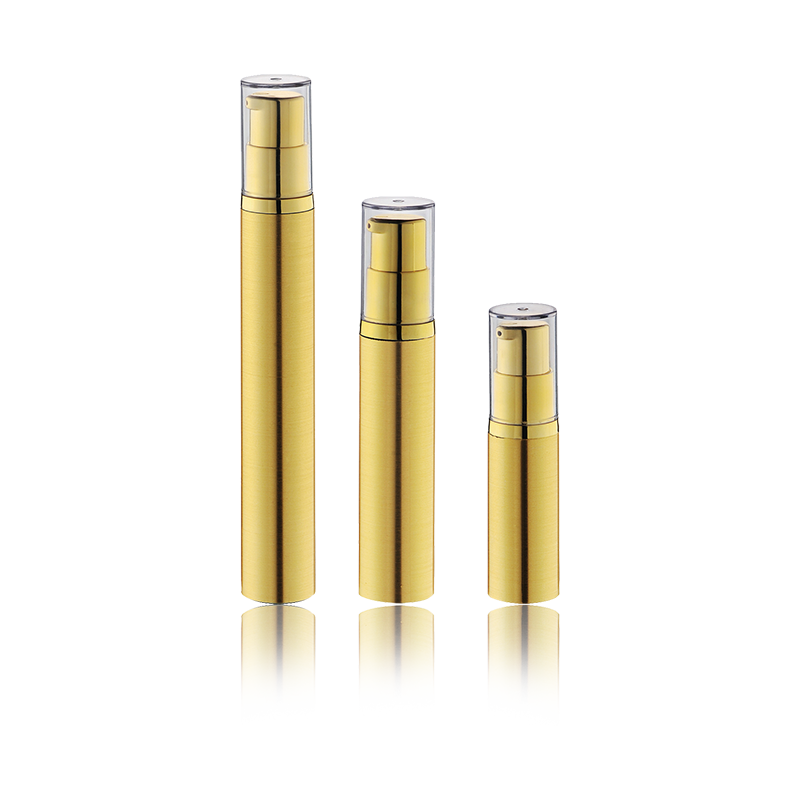
Item No Capacity Diameter(∅) Height HS-003A- -5ML 5ML 18mm 74mm HS-003A- 10ML 10ML 18mm 95mm HS-003A- 15ML 15ML 18mm 130mm
See Details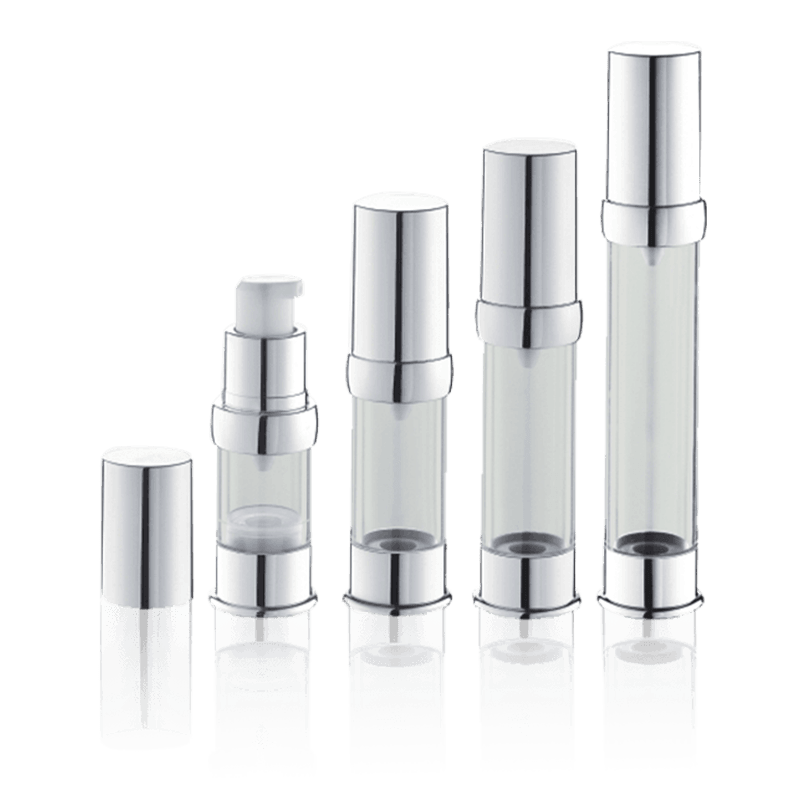
Item No Capacity Diameter(∅) Height HY-005C-10ML 10ML 26mm 95mm HY-005C-15ML 15ML 26mm 110mm HY-005C-20ML 20ML 26mm 126mm HY-005C-30ML 30M...
See Details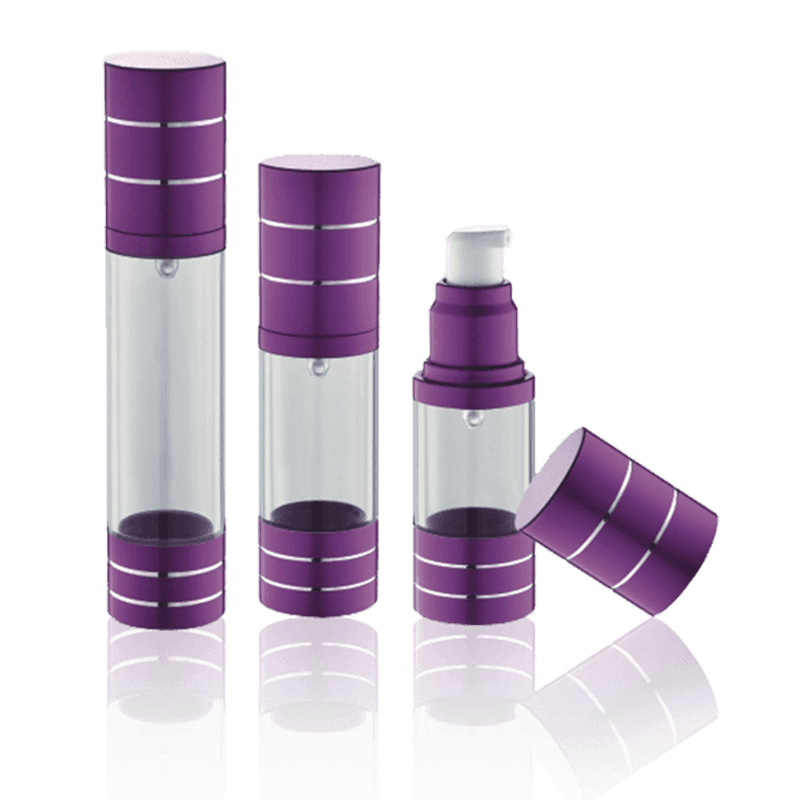
Item No Capacity Diameter(∅) Height HY-010B-15ML 15ML 33mm 101mm HY-010B- 30ML 30ML 33mm 123mm HY-010B- 50ML 50ML 33mm 155mm
See Details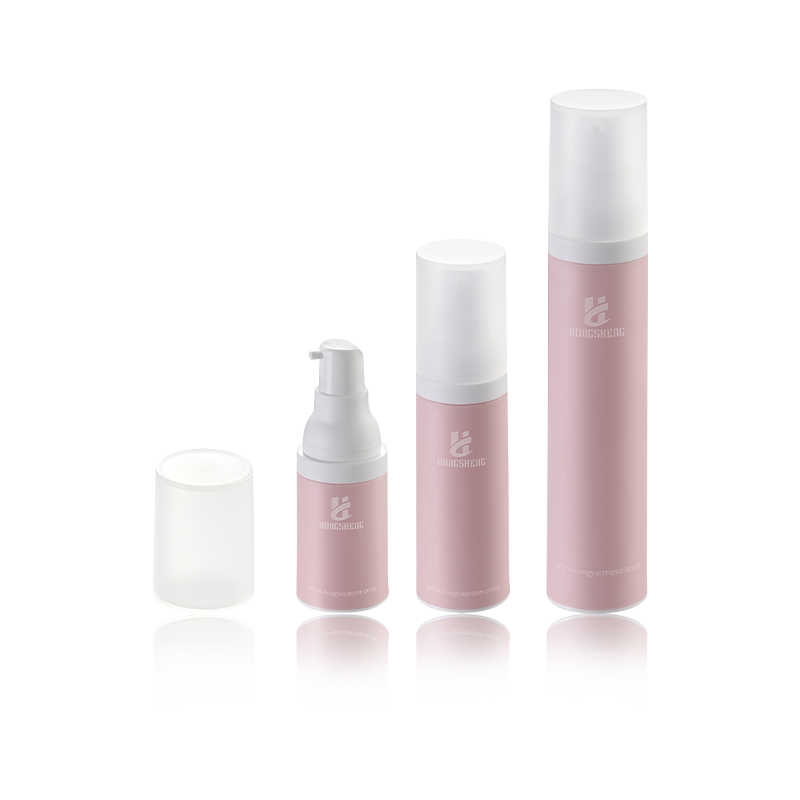
Item No Capacity Diameter(∅) Height HS-013A-15ML 15ML 29mm 96mm HS-013A-30ML 30ML 29mm 125mm HS-013A-50ML 50ML 29mm 145mm Sytem: Airless P...
See Details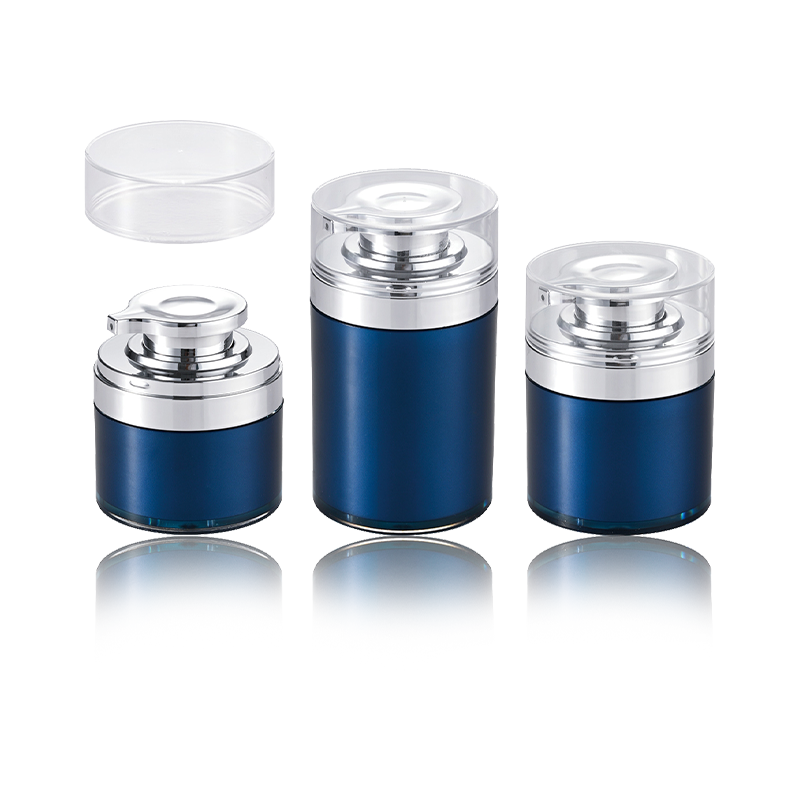
Item No Capacity Diameter(∅) Height HS-016B-30ML 30ML 64mm 72mm HS-016B-50ML 50ML 64mm 83mm HS-016B-100ML 100ML 64mm 110mm Sytem: Airless ...
See Details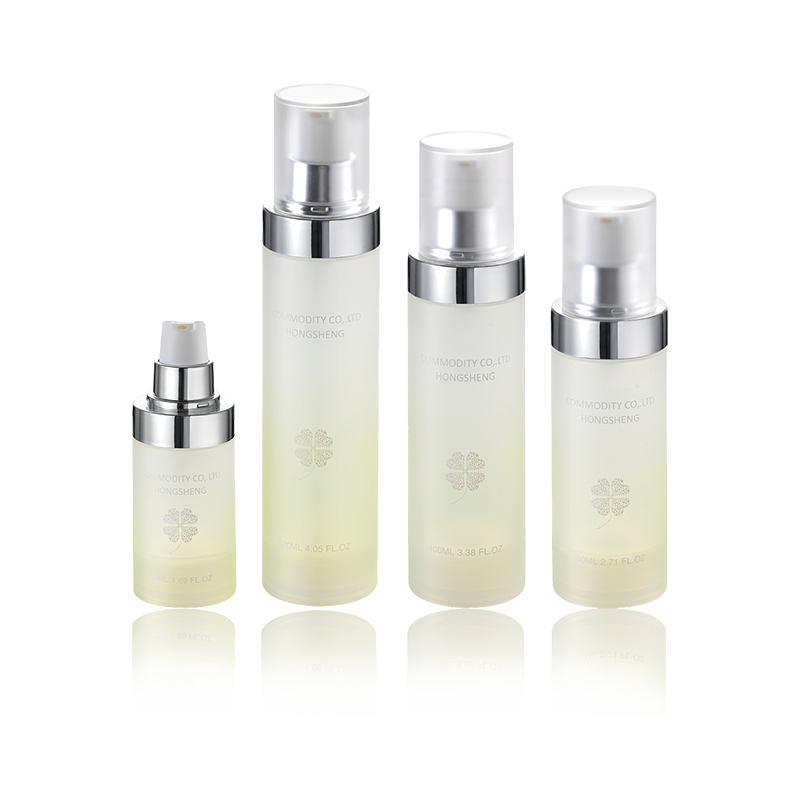
Item No Capacity Diameter(∅) Height HS-017B-50ML 50ML 41.5mm 120mm HS-017B-80ML 80ML 41.5mm 147mm HS-017B-100ML 100ML 41.5mm 164mm HS-017B...
See Details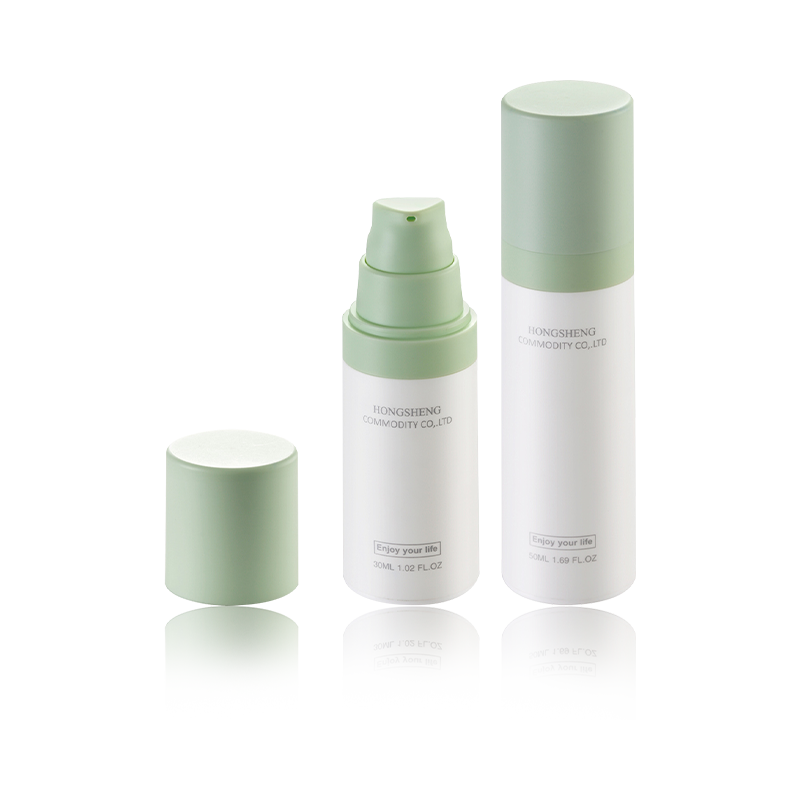
Item No Capacity Diameter(∅) Height HS-021A-30ML 30ML 35mm 112mm HS-021A-50ML 50ML 35mm 136mm
See Details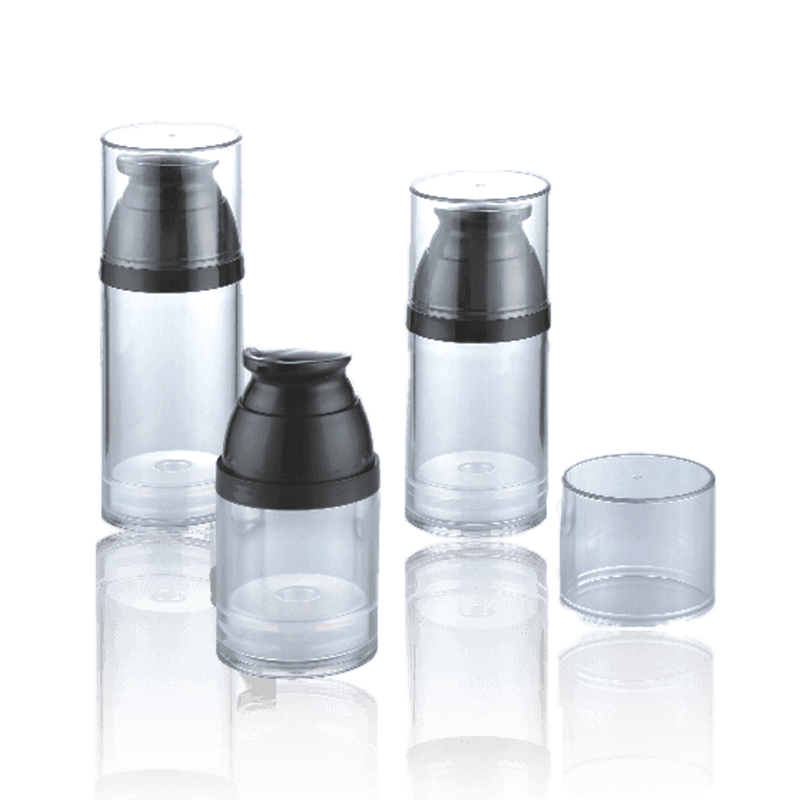
Item No Capacity Diameter(∅) Height HY-027A-50ML 50ML 52mm 111mm HY-027A-80ML 80ML 52mm 129mm HY-027A-110ML 1 10ML 52mm 147mm
See Details
Item No Capacity Diameter(∅) Height HS-029A-30ML 30ML 33mm 111mm HS-029A-50ML 50ML 33mm 143mm
See DetailsContent