
 English
 中文简体
中文简体The short answer: to fill an airless bottle, you clean and dry it completely, reset the internal disc to the bottom of the chamber, add your product with a funnel, spatula, or pipette while leaving a small gap at the top, then reattach the pump and prime it by pressing several times until product flows evenly. The entire process usually takes less than ten minutes once you know the correct order of steps.
Airless bottles have become one of the most trusted packaging formats in skincare and cosmetics because they keep formulas away from air, which slows oxidation and helps active ingredients stay effective longer. This guide walks through exactly how to fill an airless bottle correctly, the tools that make the process easier, and how to fix the most common problems people run into.
How Airless Bottles Work
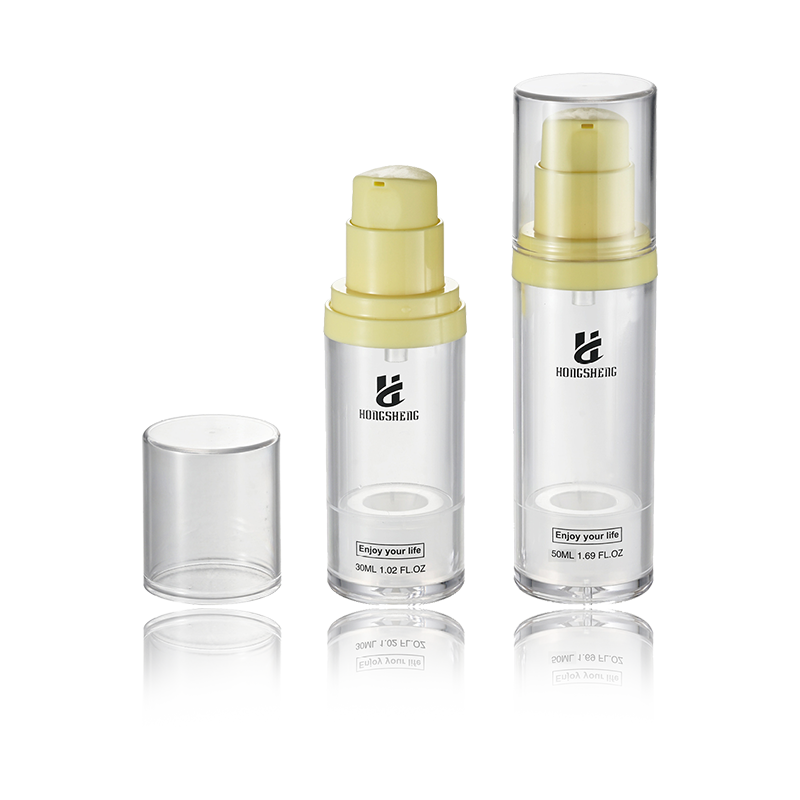
An airless bottle uses a vacuum system with a movable internal disc instead of a straw or dip tube, so product is pushed upward from the bottom rather than sucked through a tube.
Inside the chamber sits a small platform, often called a piston or disc, that the product rests on top of. A tiny opening at the base of the bottle allows a controlled amount of air to enter beneath the disc each time the pump is pressed. That air pressure gently lifts the disc upward, pushing the product toward the pump head without ever exposing it to outside air. This design allows an airless bottle to dispense the vast majority of its contents, with some packaging guides noting that airless systems can release up to 95 percent of the product inside, compared with the noticeably higher leftover residue typical of straw-style pump bottles.
Tools You Need Before You Start
Gathering the right tools before you begin prevents spills and keeps the inside of the bottle free of contamination.
- Mild, unscented soap and warm water for washing the bottle and pump components.
- Isopropyl alcohol (around 70 percent) for sanitizing every surface that will touch the product.
- A small funnel for thinner liquids and serums.
- A mini spatula or pipette for thicker creams and gels.
- A thin, clean rod such as a sanitized chopstick or a straightened paperclip, used to reset the internal disc.
- A lint-free cloth for drying parts completely before filling.
Step-by-Step: How to Fill an Airless Bottle
Filling an airless bottle correctly comes down to six steps performed in order: disassemble, clean, sanitize, reset the disc, fill, and prime.
Step 1: Disassemble the Bottle
Start by separating the pump head from the main chamber. Hold the base firmly with one hand and twist the pump counter-clockwise with the other; some models need a gentle upward pull as you twist. If the base is a separate piece, it typically detaches the same way. Set every part aside on a clean surface.
Step 2: Wash and Sanitize Every Component
Wash the chamber, pump head, and any cap thoroughly with warm water and mild soap, using a small bottle brush to reach the inside of the chamber. Rinse until no soap residue remains, then wipe every surface with isopropyl alcohol and let all parts air dry completely before moving on. Skipping this step is one of the leading causes of bacterial contamination in refilled containers.
Step 3: Reset the Internal Disc
Before adding any product, the internal disc must be pushed all the way back down to the base of the chamber. Insert a clean, thin rod through the top opening and gently press down until the disc reaches the bottom. Some bottles include a small hole at the base specifically for this purpose, where a straightened paperclip can push the disc down from underneath.
Step 4: Add the Product
Use a funnel for liquids or a spatula and pipette for thicker creams, and pour or scoop the product slowly into the chamber to avoid trapping air pockets. Fill the bottle to roughly 90 percent capacity, leaving a small gap, about a quarter inch, at the top. That space is necessary for the pump mechanism to seat correctly and for the vacuum system to function. Avoid getting product on the threaded rim, since residue there can prevent a tight seal.
Step 5: Reassemble the Bottle
Align the pump head with the chamber opening and press or twist it back into place until it feels snug. Screw-top pumps generally need a firm clockwise turn, while snap-on caps should click evenly around the entire edge, not just on one side.
Step 6: Prime the Pump
Press the pump repeatedly, usually between five and ten times, until product begins to dispense smoothly. Priming pushes out any air that entered during filling and gets the vacuum system working. If nothing comes out after ten presses, tap the base of the bottle on a hard surface a few times and try again.
| Step | Action | Why It Matters |
| 1 | Disassemble | Gives full access to clean the chamber |
| 2 | Wash and sanitize | Prevents bacterial contamination |
| 3 | Reset the disc | Allows the chamber to fill from empty |
| 4 | Add the product | Leaving headspace protects the seal |
| 5 | Reassemble | Restores the airtight seal |
| 6 | Prime the pump | Clears trapped air so product flows |
Table 1. Summary of the six steps required to fill an airless bottle correctly.
Best Tools for Different Product Types
The right filling tool depends on how thick your product is, since a tool that works well for a lightweight serum can be too slow or messy for a heavy cream.
| Product Type | Recommended Tool | Notes |
| Thin serums and toners | Small funnel or pipette | Pour slowly to avoid air bubbles |
| Lotions | Funnel with wide mouth | Tap the bottle occasionally to settle contents |
| Thick creams and gels | Mini spatula or piping bag | Press down gently to remove pockets |
| Very thick or sticky formulas | Snipped-corner sealable bag | Acts like a disposable piping bag for control |
Table 2. Recommended filling tools based on product viscosity.
Common Mistakes That Cause Filling Problems
Most airless bottle problems come from three causes: trapped air, overfilling, or an improperly reset disc.
- Overfilling the chamber: Filling past the recommended 90 percent mark leaves no room for the pump mechanism, which can cause leaking or a seal that won't close properly.
- Skipping the disc reset: If the internal disc isn't pushed back to the bottom first, the chamber won't have enough space for the new product and the pump may sputter.
- Filling too quickly: Pouring product in fast, especially thicker formulas, traps air pockets that later cause the pump to sputter instead of dispensing smoothly.
- Getting product on the rim: Residue on the threaded edge prevents the cap or pump from sealing tightly, which can lead to slow leaks over time.
- Not sanitizing thoroughly: Leftover soap or old product residue can contaminate a new formula and shorten its usable life.
Troubleshooting: What to Do If the Pump Won't Work
Most pump problems after filling are caused by trapped air and can be fixed without disassembling the bottle again.
- Nothing dispenses: Tap the base of the bottle firmly on a hard surface three or four times to loosen the internal disc, then press the pump five to ten more times.
- Product sputters out: This usually signals an air pocket. Remove the pump, gently push the disc upward slightly to release trapped air, then reattach and prime again.
- The bottle is leaking: This typically means it was overfilled or not sealed tightly. Disassemble it, remove a small amount of product, and reassemble with firm, even pressure.
- The pump feels stuck: Check for hidden locking tabs on the cap, and avoid forcing it, since excess pressure can crack the pump mechanism.
- Thick product won't move: Soak the filled bottle briefly in warm (not hot) water to soften the formula slightly, then prime again.
Airless Bottles vs Traditional Pump Bottles
Airless bottles dispense more product and protect formulas better than traditional dip-tube pump bottles, though they generally cost more to produce.
| Feature | Airless Bottle | Traditional Pump Bottle |
| Dispensing mechanism | Vacuum-driven internal disc | Straw or dip tube |
| Air exposure | Minimal, protects against oxidation | Higher, air enters with each use |
| Product usage rate | Up to about 95 percent dispensed | Noticeable residue left behind |
| Best for | Serums, actives, sensitive formulas | Simple lotions, everyday liquids |
| Refill difficulty | Moderate, requires disc reset | Simple, no internal disc to manage |
Table 3. Comparison of airless bottles and traditional dip-tube pump bottles.
Why Filling an Airless Bottle Correctly Matters
A correctly filled airless bottle extends the life of both the product and the container, while an incorrectly filled one wastes product and can damage the pump.
Because airless bottles limit oxidation, they are widely used for formulas containing ingredients that break down quickly when exposed to air, such as vitamin C, retinol, and certain plant extracts. A properly filled and primed bottle preserves that protective effect, while a poorly filled one, with trapped air or an unreset disc, can undermine the whole purpose of using an airless system. Industry packaging guides also note that with careful cleaning between uses, a well-made airless bottle can typically be refilled more than ten times before it needs replacing, making correct filling technique a practical way to reduce packaging waste over time.
Maintenance Tips for Long-Term Use
- Clean between every refill: Even switching between similar products warrants a full wash and alcohol wipe to avoid cross-contamination.
- Store upright: Keeping the bottle upright helps the internal disc and vacuum system stay aligned.
- Avoid extreme temperatures: Heat can soften plastic components and cause seals to loosen, while very cold conditions can thicken product and slow the pump.
- Refill before the bottle runs completely dry: Refilling slightly before empty helps maintain consistent suction the next time you prime it.
- Match product viscosity to the pump: Extremely thick formulas can clog fine-nozzle pumps, so check the manufacturer's viscosity guidance where available.
Frequently Asked Questions
How full should I fill an airless bottle?
Fill it to about 90 percent of capacity, leaving roughly a quarter inch of space at the top so the pump can seat properly and the vacuum system can operate.
Do I need to reset the internal disc every time I refill?
Yes. The disc needs to be pushed back down to the base before every refill, otherwise there won't be enough room in the chamber for the new product.
Why won't my airless pump dispense product after filling?
This is almost always trapped air. Tap the base on a hard surface, then press the pump five to ten times to prime it and push the air out.
Can I use an airless bottle for any type of product?
Airless bottles work best with medium to thick viscosity products like creams, gels, and serums; extremely thin liquids and extremely thick or gritty formulas can sometimes struggle to move through the pump smoothly.
How many times can an airless bottle be refilled?
With proper cleaning and care between uses, a well-made airless bottle can typically handle more than ten refill cycles before the pump mechanism wears out.
Bottom Line
Filling an airless bottle correctly is a simple process once you follow the right order: clean thoroughly, reset the internal disc, add product without overfilling, reseal tightly, and prime the pump until it flows smoothly. Taking these steps carefully protects both the product inside and the mechanism itself, letting you get the most value out of every refill while keeping formulas fresh and free from unnecessary air exposure.
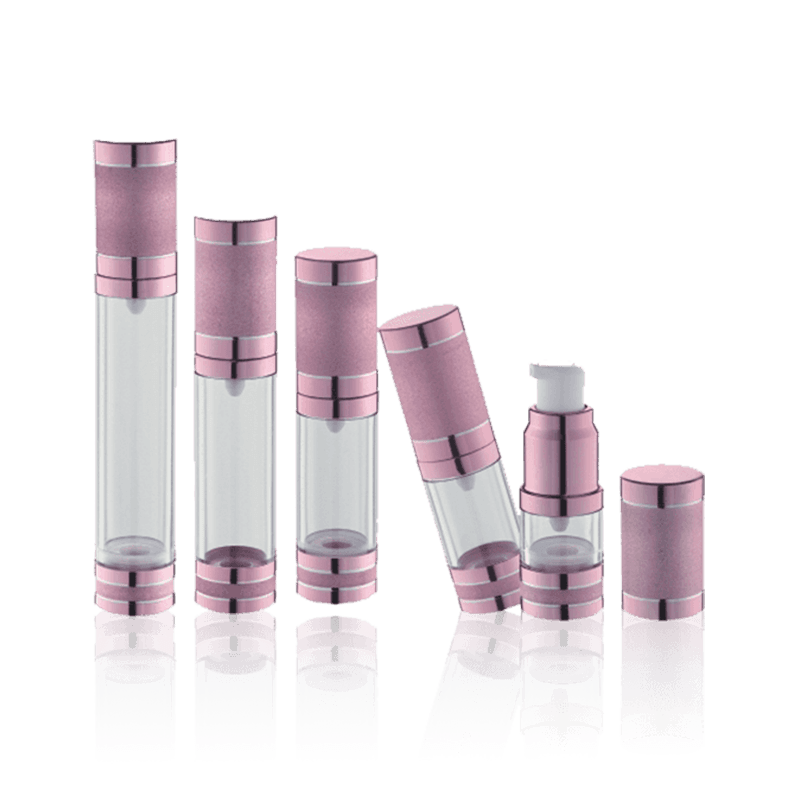
-1.png "10ML-30ML Precise and controllable Airless Bottle-HS-006A")