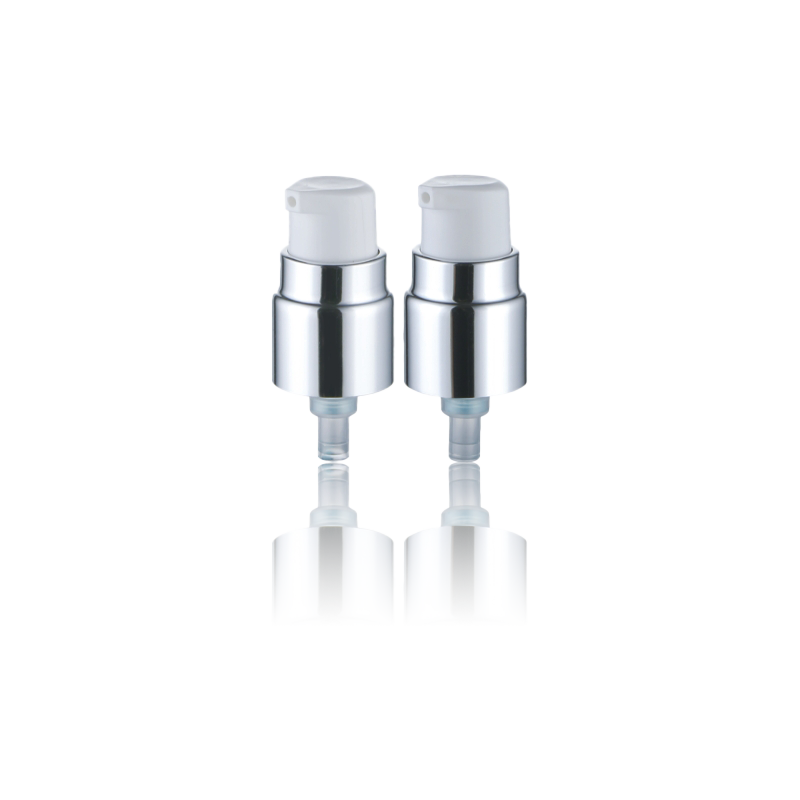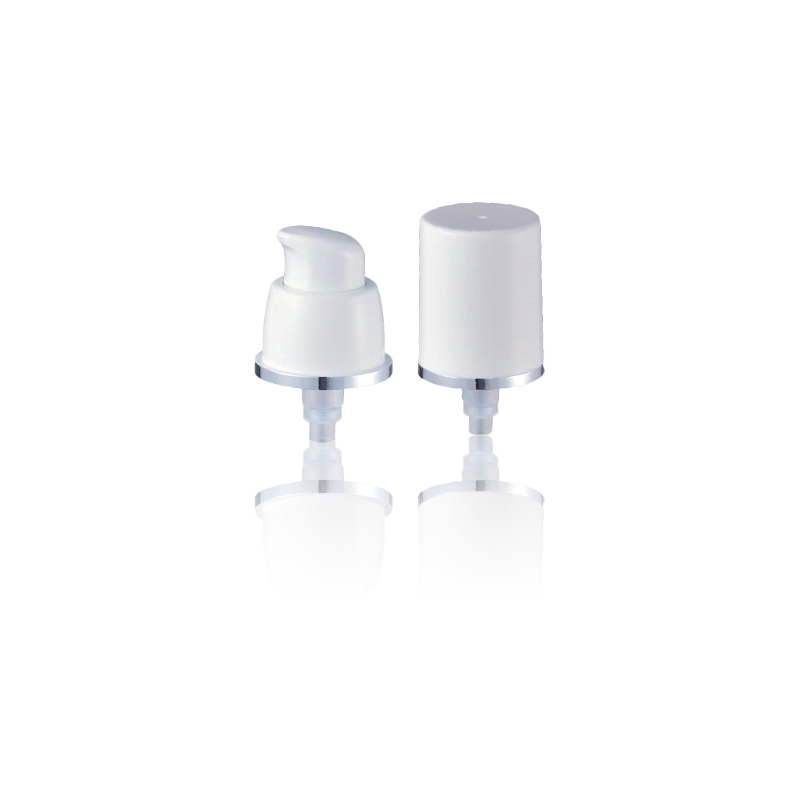

 English
 中文简体
中文简体Vacuum Bottle-HS-004B
Cat:Airless Bottle
Item No Capacity Diameter(∅) Height HY-004B-5ML 5ML 26mm 85mm HY-004B-10ML 10ML 26mm 96mm HY-004B-15ML 15ML 26mm 110mm HY-004B-20ML 20ML 2...
See DetailsThe bottle airless pump represents the pinnacle of cosmetic packaging technology by providing a 100% airtight environment that prevents product oxidation and contamination. Unlike traditional dispensers, this system utilizes a vacuum-based mechanism rather than a dip tube, ensuring that sensitive active ingredients remain potent from the first drop to the very last.
A bottle airless pump is a non-pressurized vacuum dispensing system that uses a mechanical pump and a rising piston to move the product upward. While standard bottles rely on gravity or a tube to pull liquid out, the airless design creates a pressure differential. As you press the actuator, a small disc at the bottom of the container moves up, pushing the product toward the nozzle without allowing any external air to enter the reservoir.
This technology is particularly vital for high-end beauty products. Because there is no air intake, the risk of "back-flow" (where air and bacteria enter the bottle after a pump) is completely eliminated. For consumers, this means a more hygienic experience and a product that stays fresh for a much longer period without the need for excessive chemical preservatives.
The industry-wide shift toward the bottle airless pump is driven by the increasing use of volatile organic ingredients and the consumer demand for preservative-free formulas. Modern skincare focuses heavily on Vitamin C, Retinol, and Peptides—all of which degrade rapidly when exposed to oxygen.
Comparing the bottle airless pump to traditional jars and sprayers reveals a significant gap in hygiene and material integrity. While jars are popular for their "luxury" feel, they expose the entire product surface to the air and the user's fingers every time they are opened.
| Feature | Bottle Airless Pump | Traditional Jar | Standard Pump (Dip Tube) |
| Air Exposure | Near Zero | High (Every use) | Moderate |
| Product Evacuation | 98% - 99% | 90% (Manual scraping) | 80% - 85% |
| Risk of Contamination | Extremely Low | Very High | Low |
| Preservative Needs | Minimal | High | Moderate |
The internal architecture of a bottle airless pump consists of four primary components working in harmony to maintain a vacuum seal. These are the actuator, the pump engine, the container body, and the internal piston.
The actuator is the part the user presses. In a premium bottle airless pump, the nozzle is often designed with a self-sealing valve. This ensures that even the small amount of cream left at the tip doesn't dry out or harden between uses.
At the base of the bottle airless pump sits a plastic disc. When the pump is activated, it creates a suction effect. Since the bottle is airtight, atmospheric pressure from a tiny hole in the bottom of the outer base pushes the piston up to fill the void left by the dispensed product.
Sustainability in the bottle airless pump market is evolving through the use of mono-material designs and refillable cartridges. Previously, airless systems were criticized for being difficult to recycle due to multi-material metal springs.
Today, many manufacturers are producing 100% PP (Polypropylene) bottle airless pump designs. By eliminating the metal spring or using plastic springs, the entire unit can be tossed into a single recycling bin. Furthermore, "Refillable Airless" systems allow consumers to keep the expensive outer bottle and actuator while simply replacing the inner product cartridge, reducing plastic waste by over 50% over the product's lifecycle.
The primary challenge for a bottle airless pump is maintaining the vacuum seal during the high-speed filling process. If air is trapped during the initial factory fill, the pump may "sputter" or fail to prime correctly when it reaches the consumer.
Q: Why is my bottle airless pump not working?
A: Most often, this is due to an air pocket. Try turned the bottle upside down and tapping it against a hard surface to move the product toward the pump, then prime it several times.
Q: Can I refill a standard bottle airless pump?
A: Most are designed for single use to ensure hygiene. However, specifically labeled "refillable" airless bottles are designed to have the piston pushed back down manually with a clean tool after the bottle is empty.
Q: Does the bottle airless pump contain BPA?
A: High-quality airless systems are typically made from PP, AS, or PETG plastics, which are generally BPA-free and safe for cosmetic use.
Q: Is it okay to use an airless pump for liquids like water?
A: No, a bottle airless pump is specifically designed for creams, lotions, and gels. Very thin liquids may leak through the piston seal.
The future of beauty packaging is undeniably tied to the bottle airless pump due to its unrivaled ability to protect "clean beauty" formulas. As consumers move away from parabens and synthetic stabilizers, the burden of product preservation falls onto the packaging.
While the initial cost of a bottle airless pump may be higher than a simple plastic tube, the value it adds in terms of brand prestige, product efficacy, and consumer satisfaction makes it an essential investment for any serious skincare brand. In the coming years, expect to see even more innovation in decorative finishes and biodegradable materials within the airless category, further solidifying its place as the industry standard.
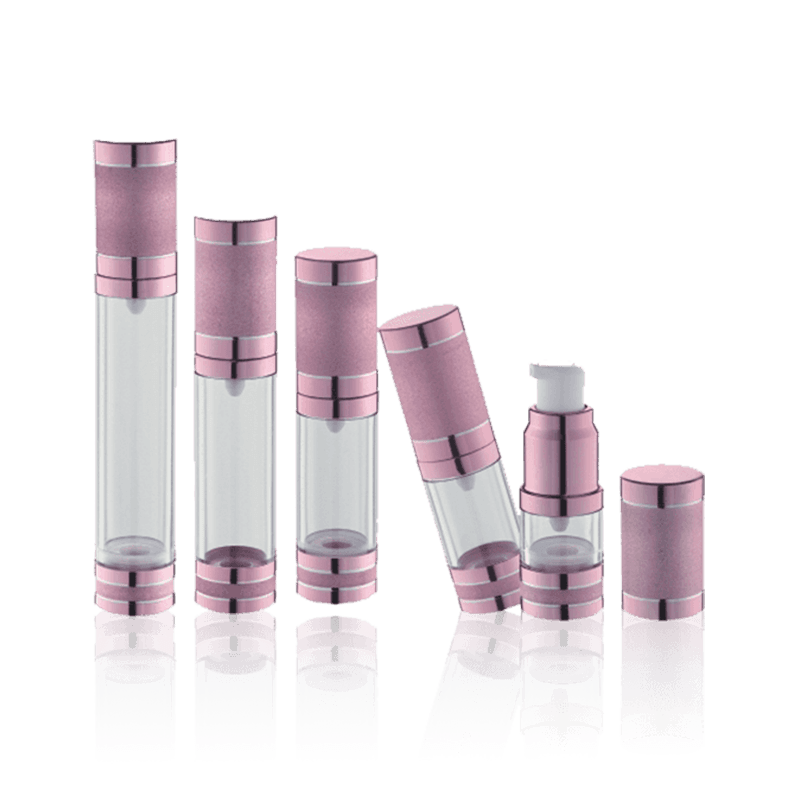
Item No Capacity Diameter(∅) Height HY-004B-5ML 5ML 26mm 85mm HY-004B-10ML 10ML 26mm 96mm HY-004B-15ML 15ML 26mm 110mm HY-004B-20ML 20ML 2...
See Details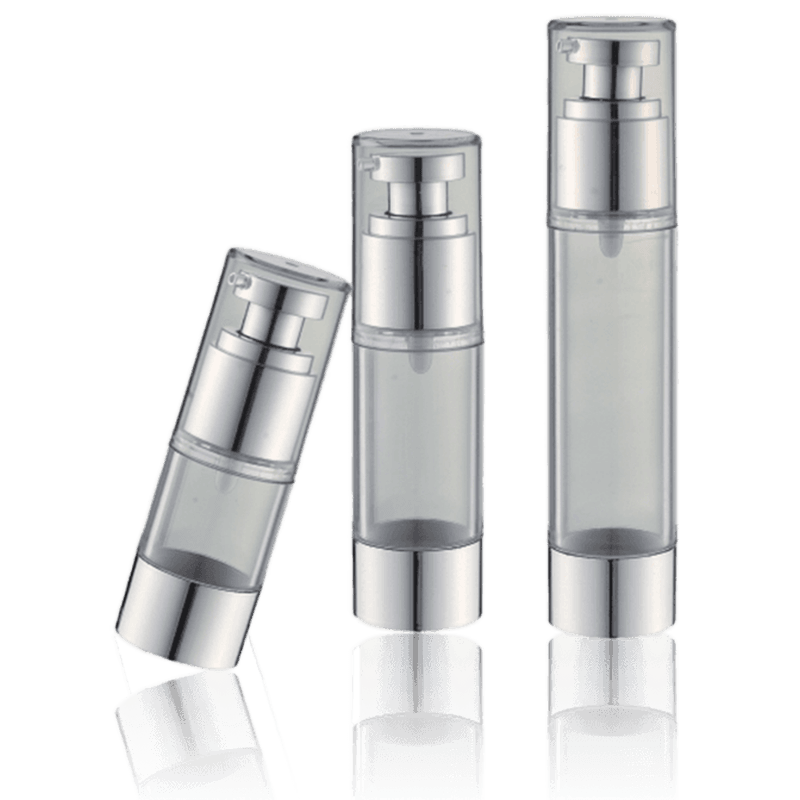
Item No Capacity Diameter(∅) Height HY-010C- 15ML 15ML 33mm 100mm HY-010C- 30ML 30ML 33mm 120mm HY-010C- 50ML 50ML 33mm 150mm
See Details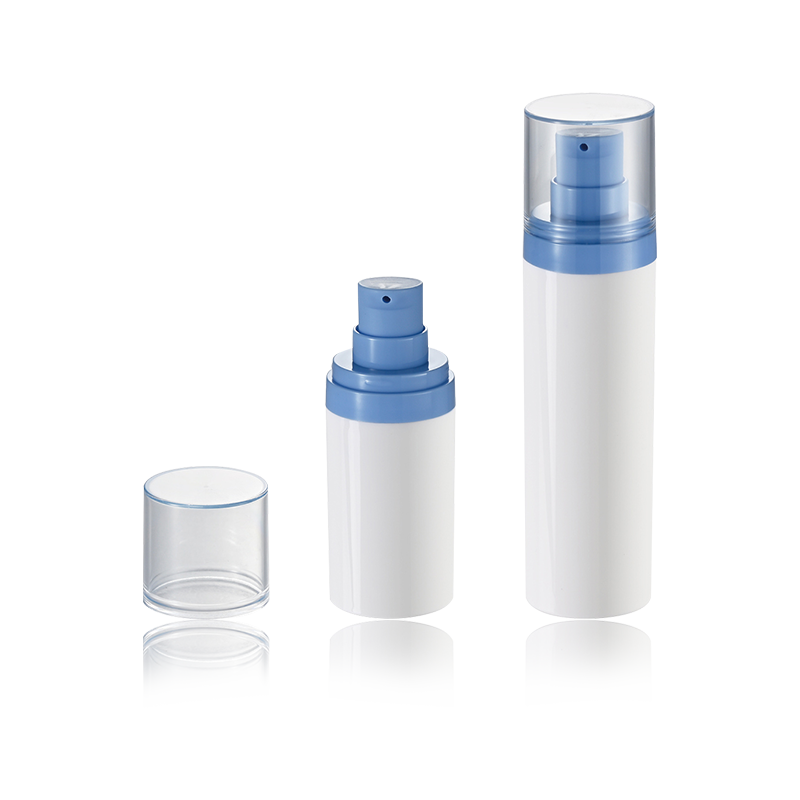
Item No Capacity Diameter(∅) Height HS-012B-15ML 15ML 30mm 84mm HS-012B- 30ML 30ML 30mm 119mm Sytem: Airless Pump / Screw Main Material: P...
See Details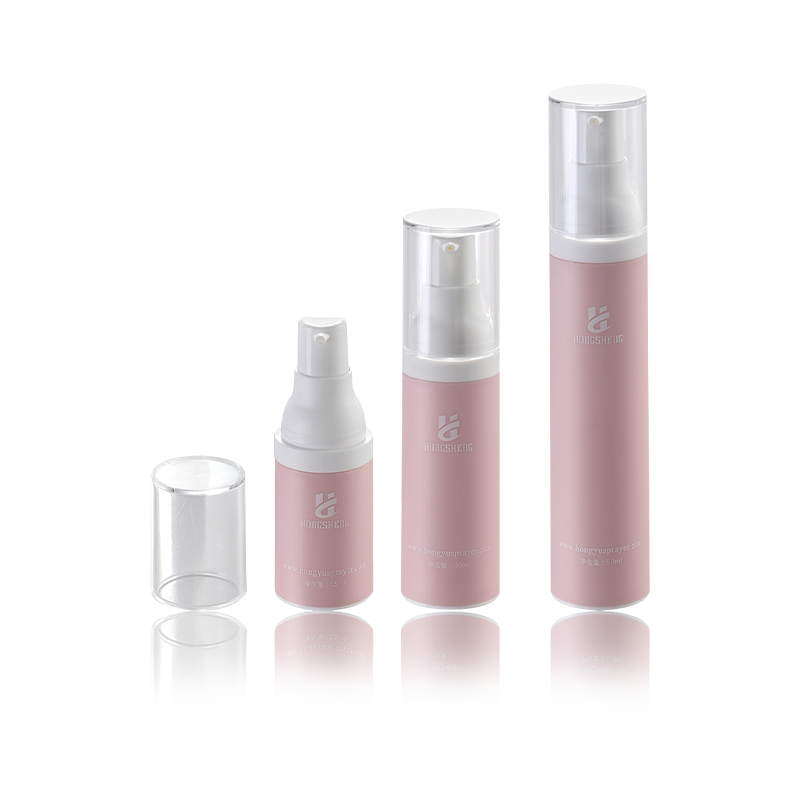
Item No Capacity Diameter(∅) Height HS-013B-15ML 15ML 29mm 96mm HS-013B-30ML 30ML 29mm 125mm HS-013B-50ML 50ML 29mm 145mm Sytem: Airless P...
See Details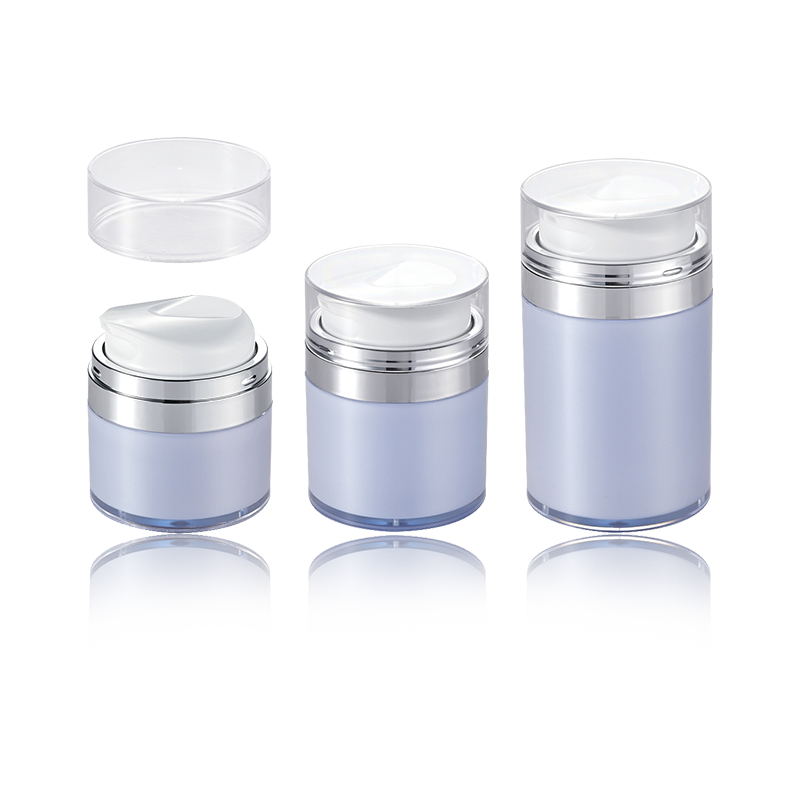
Item No Capacity Diameter(∅) Height HS-016A-30ML 30ML 64mm 72mm HS-016A-50ML 50ML 64mm 83mm HS-016A-100ML 100ML 64mm 110mm Sytem: Airless ...
See Details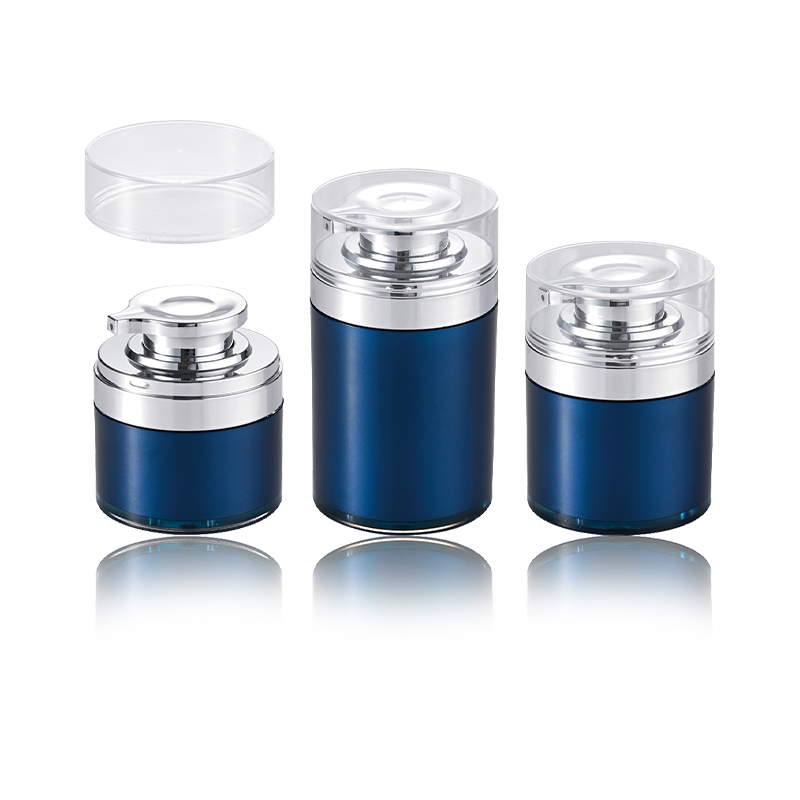
Item No Capacity Diameter(∅) Height HS-016B-30ML 30ML 64mm 72mm HS-016B-50ML 50ML 64mm 83mm HS-016B-100ML 100ML 64mm 110mm Sytem: Airless ...
See Details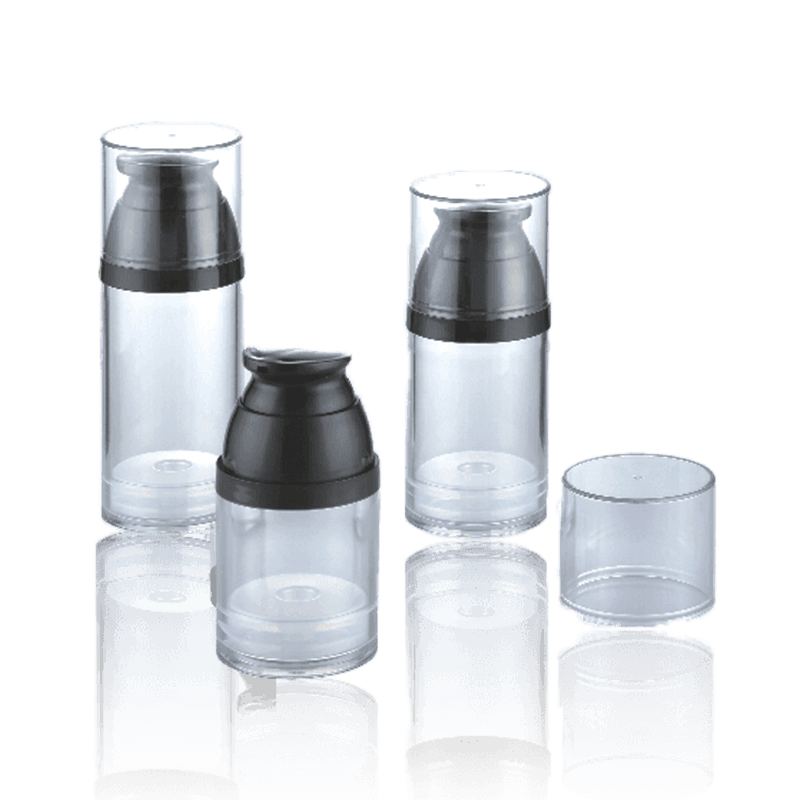
Item No Capacity Diameter(∅) Height HY-027A-50ML 50ML 52mm 111mm HY-027A-80ML 80ML 52mm 129mm HY-027A-110ML 1 10ML 52mm 147mm
See Details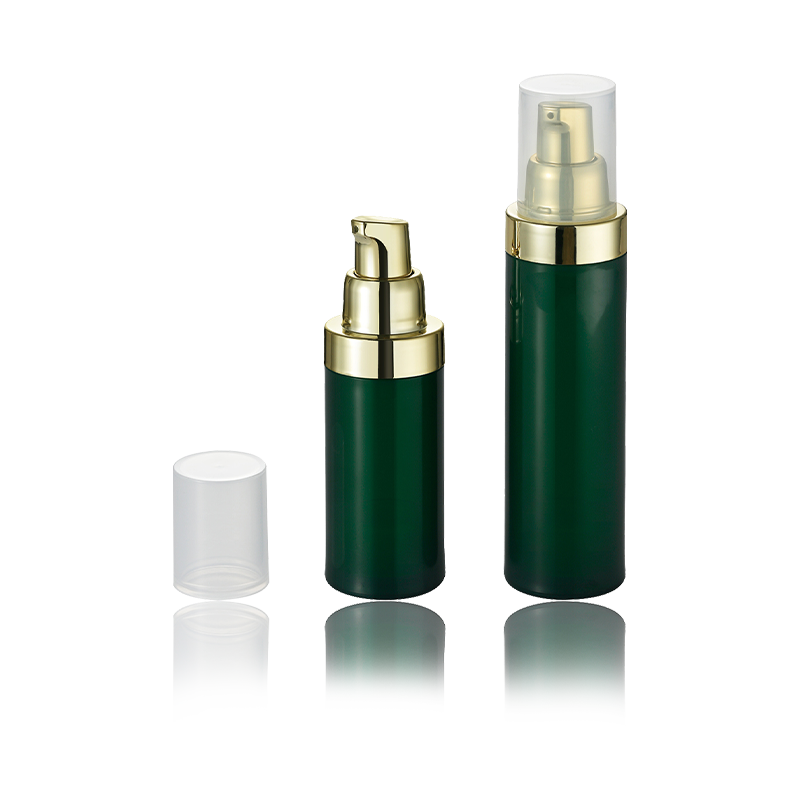
Item No Capacity Diameter(∅) Height HS-029B-30ML 30ML 33mm 111mm HS-029B-50ML 50ML 33mm 143mm
See DetailsContent