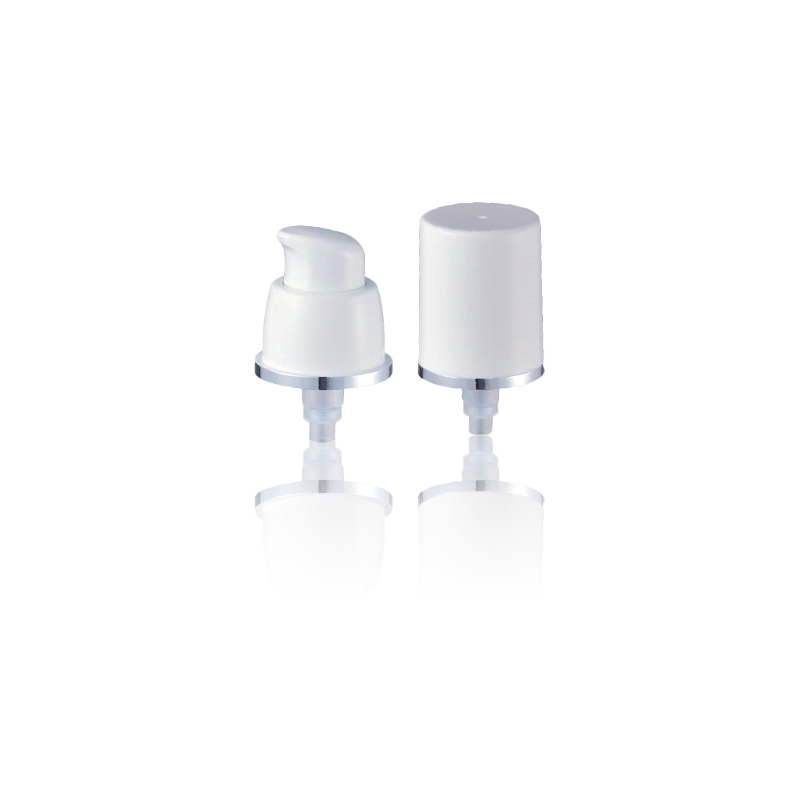

 English
 中文简体
中文简体Vacuum Bottle-HS-003A
Cat:Airless Bottle
Item No Capacity Diameter(∅) Height HS-003A- -5ML 5ML 18mm 74mm HS-003A- 10ML 10ML 18mm 95mm HS-003A- 15ML 15ML 18mm 130mm
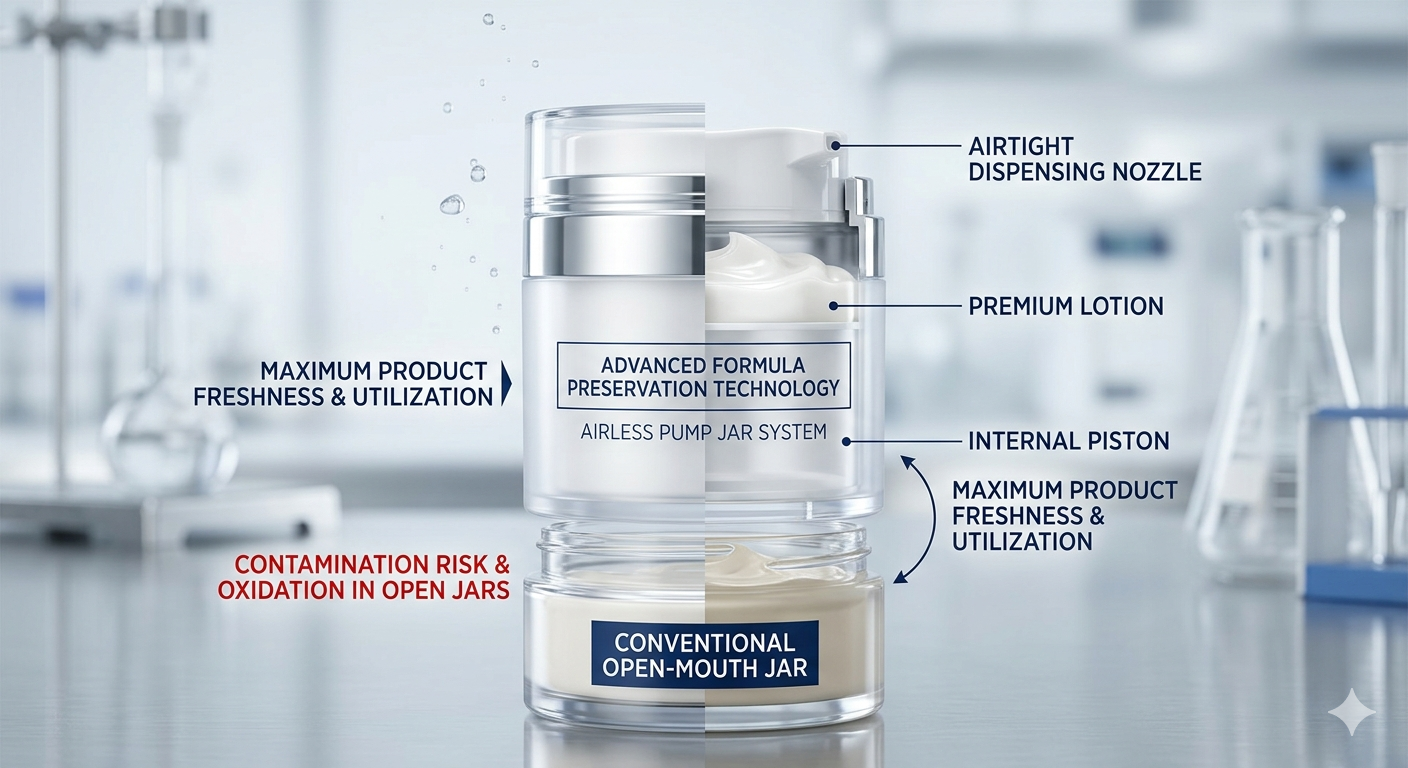
See DetailsAirless pump jars are the most effective packaging solution for protecting sensitive skincare ingredients from oxidation and contamination, ensuring product potency from the first pump to the last. Unlike traditional open-mouth containers, these innovative systems utilize a mechanical vacuum mechanism to dispense creams and lotions without exposing the contents to ambient air or manual contact.
The primary reason for the industry shift is that airless pump jars significantly extend the shelf life of preservative-free and natural skincare products by eliminating air exposure. As consumers demand "clean beauty" with fewer synthetic stabilizers, packaging must take over the role of protection. Traditional jars allow oxygen to enter every time the lid is opened, leading to the rapid degradation of active ingredients like Vitamin C, Retinol, and various botanical oils.
Beyond preservation, airless pump jars offer a 99% evacuation rate, meaning users can extract almost every drop of the product. Data suggests that traditional pump bottles or jars can leave behind up to 15% of the product stuck to the walls or the bottom, leading to consumer frustration and perceived lack of value. In a market where premium serums can cost upwards of $100 per ounce, this efficiency is a critical selling point.
The core logic of airless pump jars relies on a non-pressurized vacuum system that uses a rising piston to push the product upward. Unlike standard pumps that use a dip tube to suck liquid up (which introduces air into the bottle to fill the displaced volume), an airless system creates a vacuum. When the pump is pressed, a disc at the bottom of the jar moves up, effectively "squeezing" the product out through the dispensing orifice.
Airless pump jars outperform traditional screw-top jars in hygiene, stability, and dosing precision. To better understand the technical differences, consider the following comparison of performance metrics based on laboratory observations of active ingredient stability over a six-month period.
| Feature | Traditional Jar | Airless Pump Jar |
| Oxygen Exposure | High (Total surface exposure) | Zero (Airtight seal) |
| Contamination Risk | High (Finger contact) | None (Touchless dispensing) |
| Waste Percentage | 5% - 15% | Less than 1% |
| Dosing Accuracy | Inconsistent | Fixed (0.2ml - 1.0ml per pump) |
| Shelf Life Impact | Standard | Extended by 15-30% |
Modern airless pump jars are increasingly designed with eco-friendly materials like PP (Polypropylene) and PCR (Post-Consumer Recycled) plastics to align with global sustainability goals. While the complex multi-part mechanism was once a challenge for recycling, the transition toward "Mono-material" airless systems is a game changer. These systems are made entirely from one plastic family, allowing the consumer to toss the entire unit into a single recycling bin without disassembly.
Furthermore, many high-end brands are adopting refillable airless pump jars. In this model, the outer heavy-walled jar is kept as a permanent vanity piece, while the internal product-containing "cartridge" is replaced. This reduces plastic waste by up to 70% per subsequent purchase, providing a luxury experience that doesn't compromise the planet’s health.
Despite their advantages, airless pump jars require precision engineering to prevent "priming" issues where the pump fails to dispense on the first try. Quality control is paramount; a failure in the gasket or the piston fit can lead to air leakage, defeating the purpose of the container. Manufacturers typically perform vacuum leak tests and "prime stroke" counts (the number of times one must pump before the product appears) to ensure reliability.
From a consumer perspective, the "press-down" top (often called a "touch-less" or "center-dispense" airless jar) has become highly popular on social media platforms. It provides a clean flat surface to mix different skincare products (like a "skincare smoothie") without ever touching the bulk product inside the jar, further reinforcing the hygiene benefits of airless pump jars.
While some airless pump jars are designed to be refillable with specific cartridges, most standard versions are intended for single use to maintain a sterile environment. Attempting to manually push the piston back down and refill it can introduce bacteria and compromise the vacuum seal.
New airless pump jars often require "priming." Because there is no dip tube, you may need to pump the actuator 10 to 20 times to create enough of a vacuum to pull the piston up and start the flow. If it still doesn't work, ensure the tiny air hole at the bottom of the jar is not blocked.
They are ideal for viscous liquids like creams, gels, and lotions. However, airless pump jars are not suitable for very thin, watery liquids (which might leak) or very thick balms that cannot be moved by vacuum pressure.
Yes, by preventing the oxidation of active ingredients and stopping the introduction of skin bacteria into the container, airless pump jars help the formula stay stable and effective for the duration of its indicated PAO (Period After Opening).
Airless pump jars represent the pinnacle of functional skincare packaging by combining luxury aesthetics with scientific preservation. As the beauty industry moves toward more sophisticated, high-performance formulas, the demand for packaging that can protect these investments is only set to grow. Whether it is through reducing waste, ensuring hygiene, or supporting sustainability via mono-materials, the airless system is no longer a luxury—it is a necessity for modern cosmetic science.
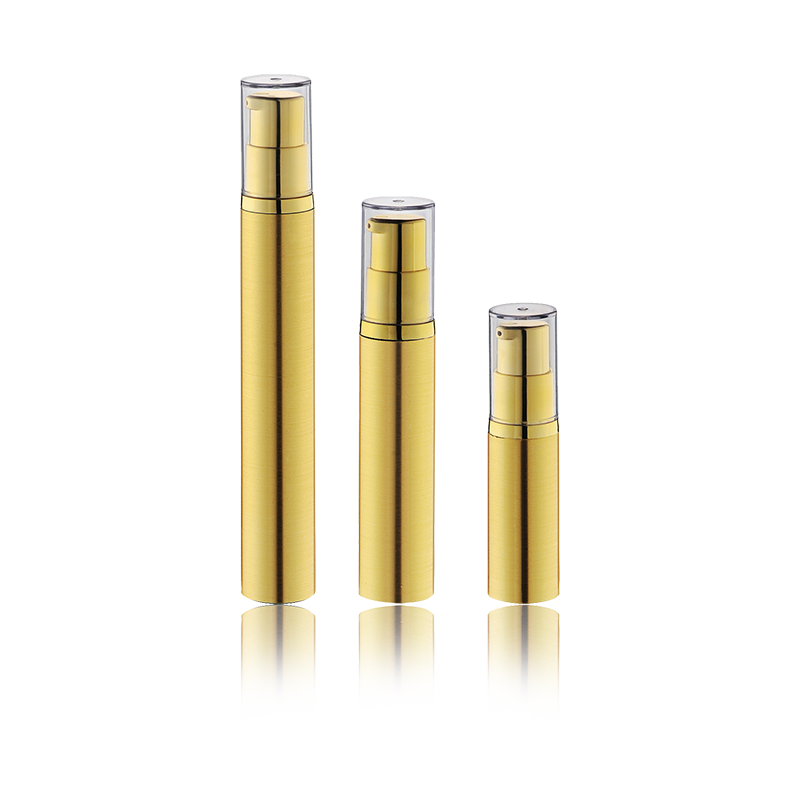
Item No Capacity Diameter(∅) Height HS-003A- -5ML 5ML 18mm 74mm HS-003A- 10ML 10ML 18mm 95mm HS-003A- 15ML 15ML 18mm 130mm
See Details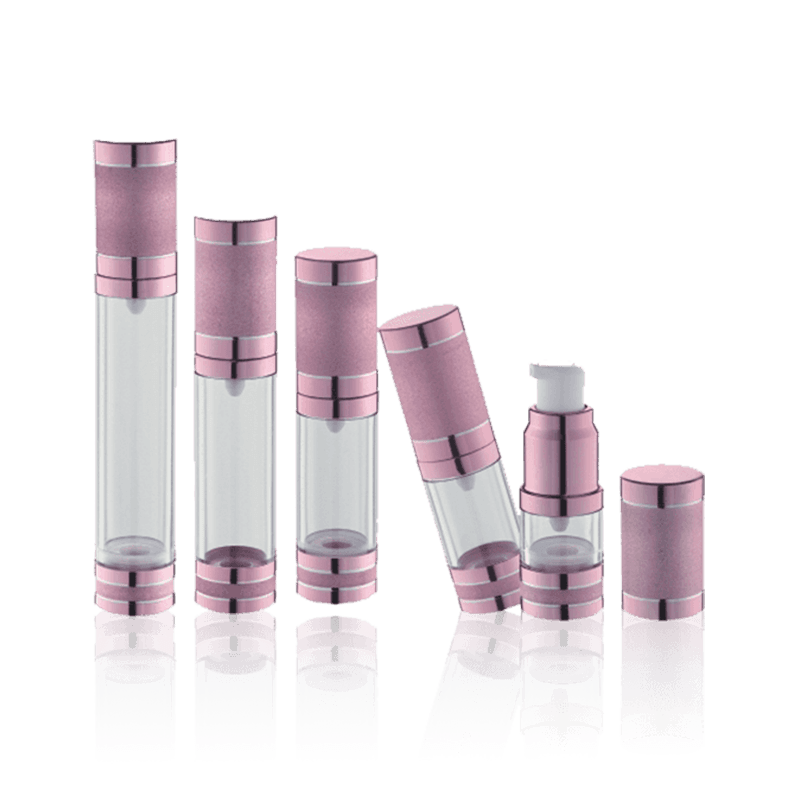
Item No Capacity Diameter(∅) Height HY-004B-5ML 5ML 26mm 85mm HY-004B-10ML 10ML 26mm 96mm HY-004B-15ML 15ML 26mm 110mm HY-004B-20ML 20ML 2...
See Details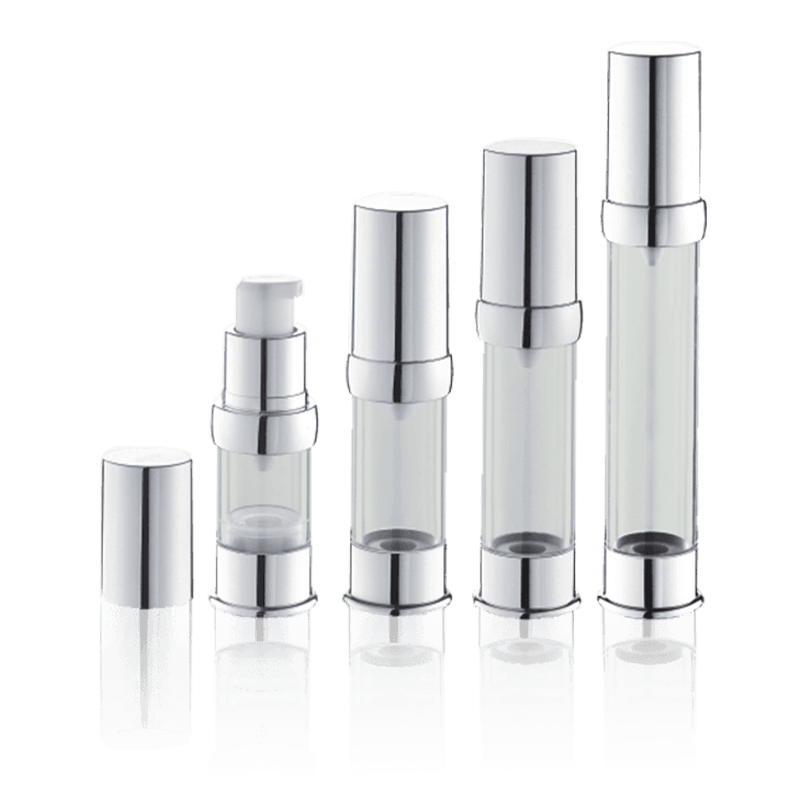
Item No Capacity Diameter(∅) Height HY-005C-10ML 10ML 26mm 95mm HY-005C-15ML 15ML 26mm 110mm HY-005C-20ML 20ML 26mm 126mm HY-005C-30ML 30M...
See Details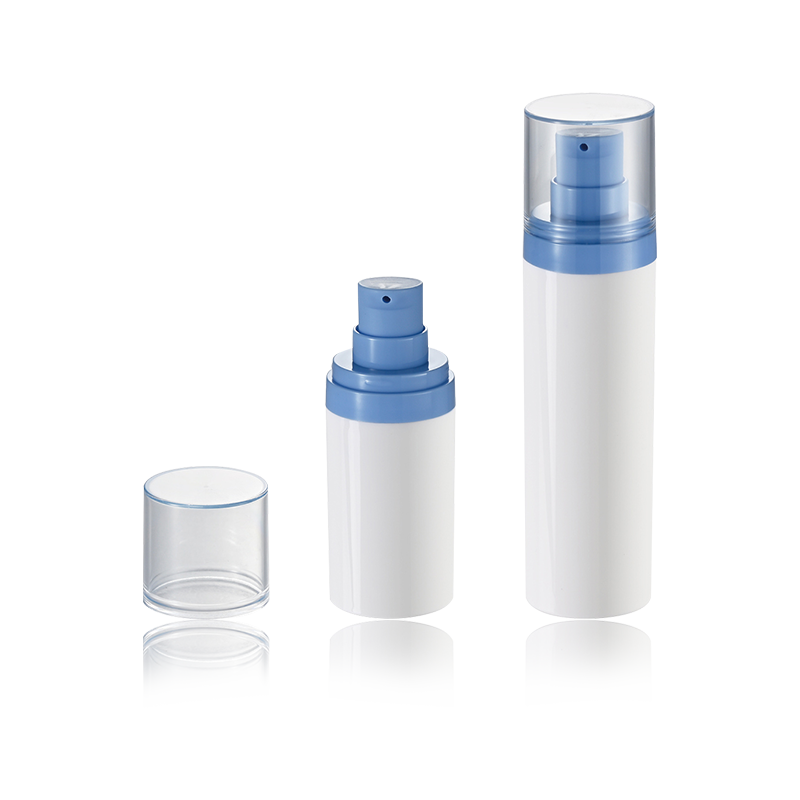
Item No Capacity Diameter(∅) Height HS-012B-15ML 15ML 30mm 84mm HS-012B- 30ML 30ML 30mm 119mm Sytem: Airless Pump / Screw Main Material: P...
See Details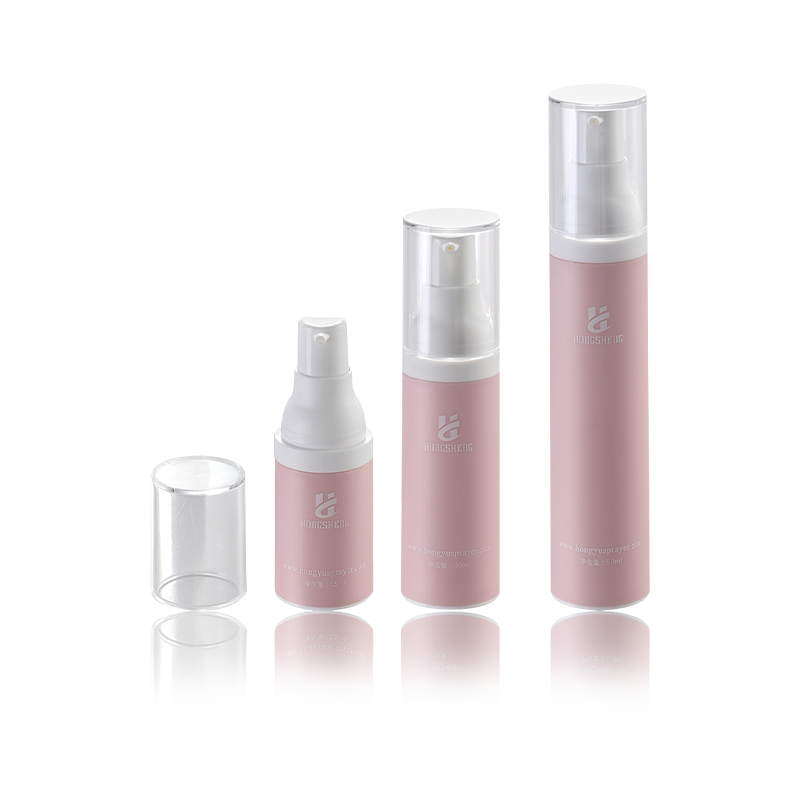
Item No Capacity Diameter(∅) Height HS-013B-15ML 15ML 29mm 96mm HS-013B-30ML 30ML 29mm 125mm HS-013B-50ML 50ML 29mm 145mm Sytem: Airless P...
See Details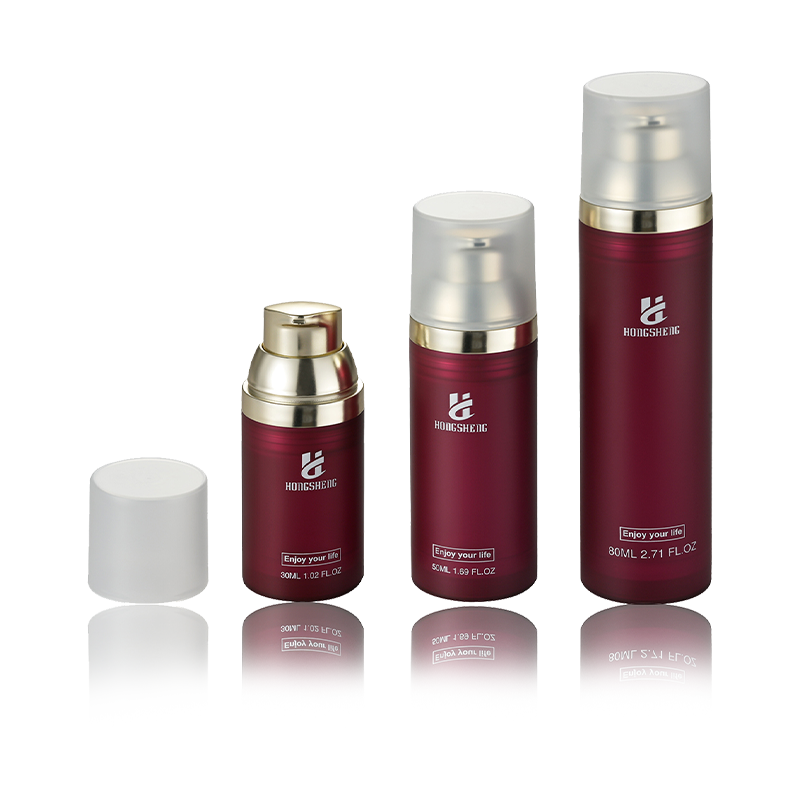
Item No Capacity Diameter(∅) Height HS-014-30ML 30ML 37mm 95mm HS-014-50ML 50ML 37mm 113mm HS-014-80ML 80ML 37mm 146mm Sytem: Airless Pump...
See Details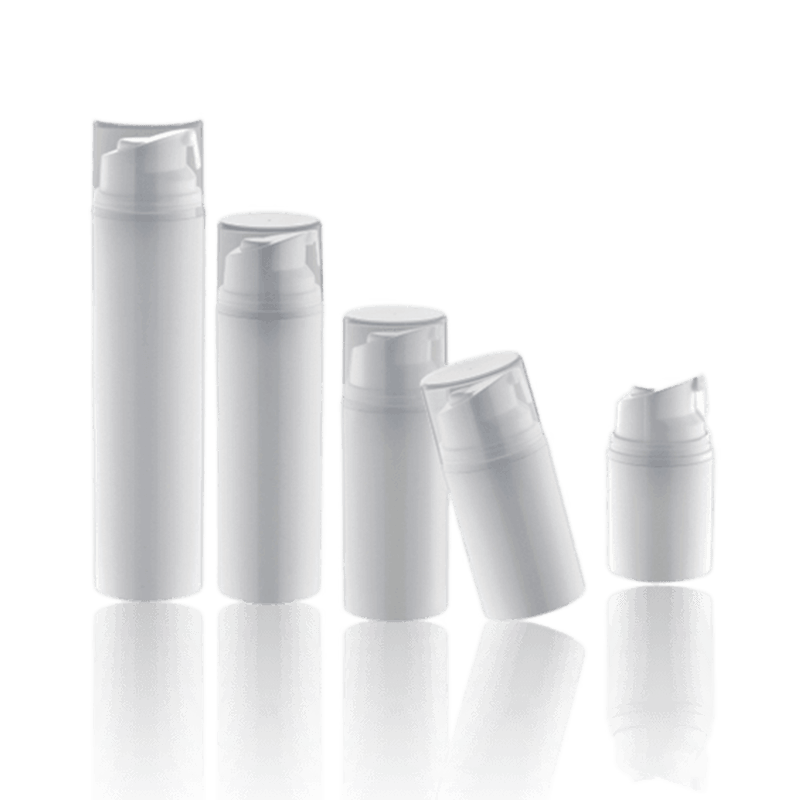
Item No Capacity Diameter(∅) Height HY-015-30ML 30ML 44mm 84mm HY-015-50ML 50ML 44mm 100mm HY-015-80ML 80ML 44mm 122mm HY-015-120ML 120ML ...
See Details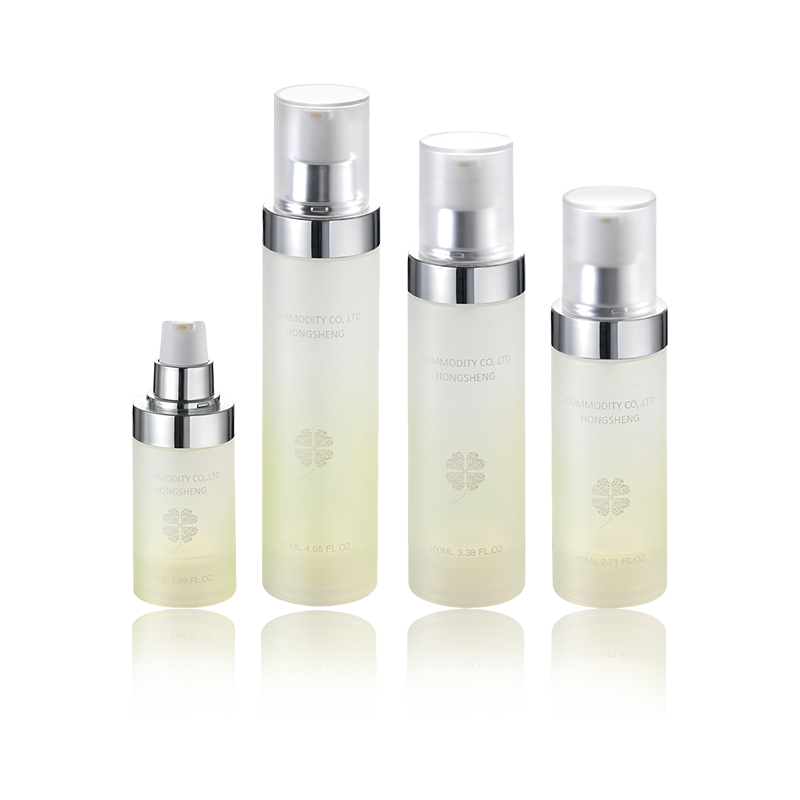
Item No Capacity Diameter(∅) Height HS-017B-50ML 50ML 41.5mm 120mm HS-017B-80ML 80ML 41.5mm 147mm HS-017B-100ML 100ML 41.5mm 164mm HS-017B...
See Details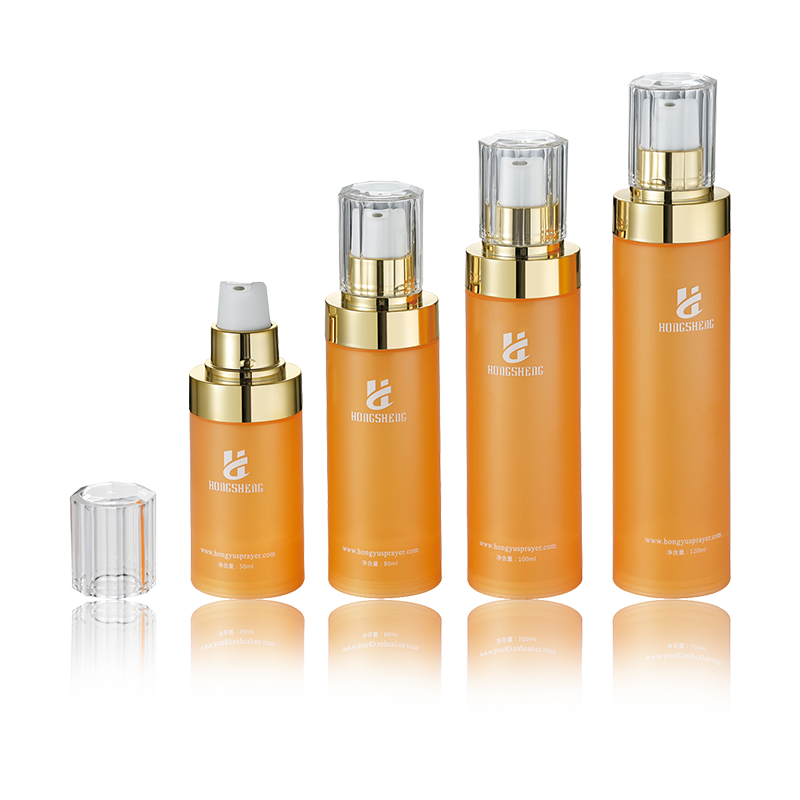
Item No Capacity Diameter(∅) Height HS-017E-50ML 50ML 41.5mm 122mm HS-017E-80ML 80ML 41.5mm 149mm HS-017E-100ML 100ML 41.5mm 167mm HS-017E...
See DetailsContent