
 English
 中文简体
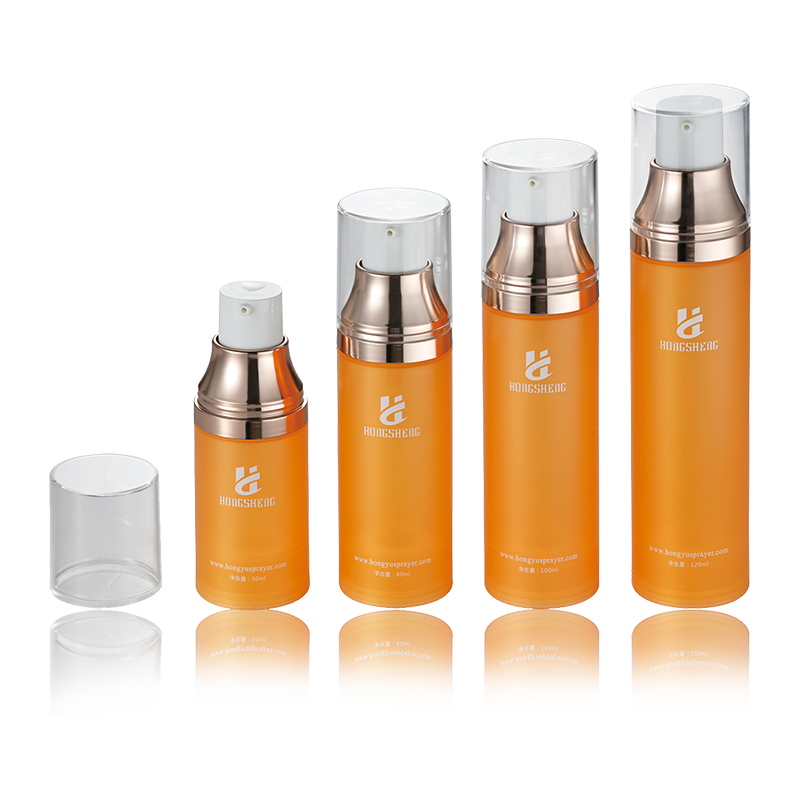
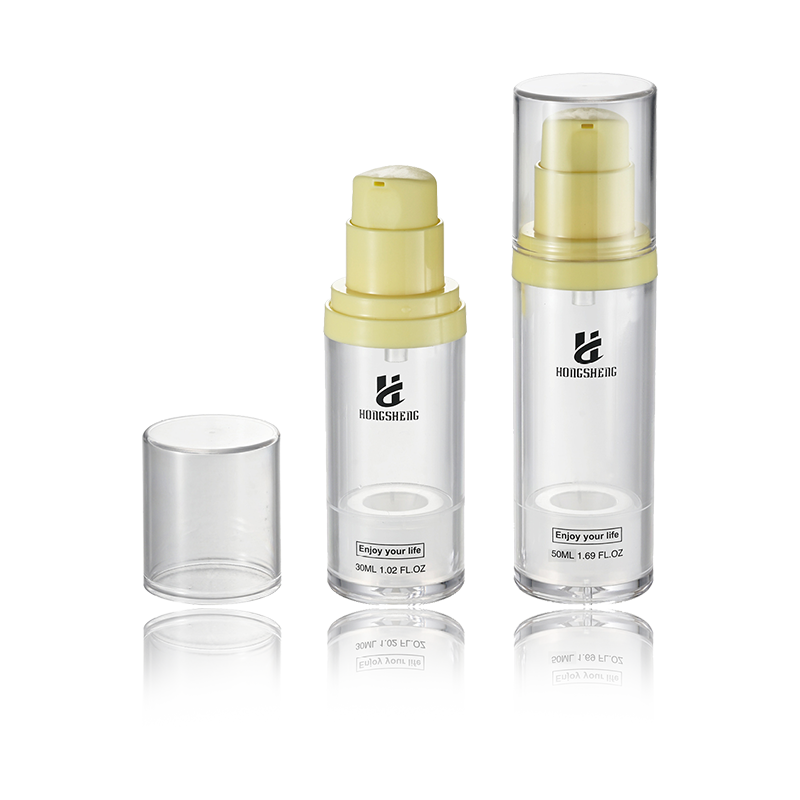
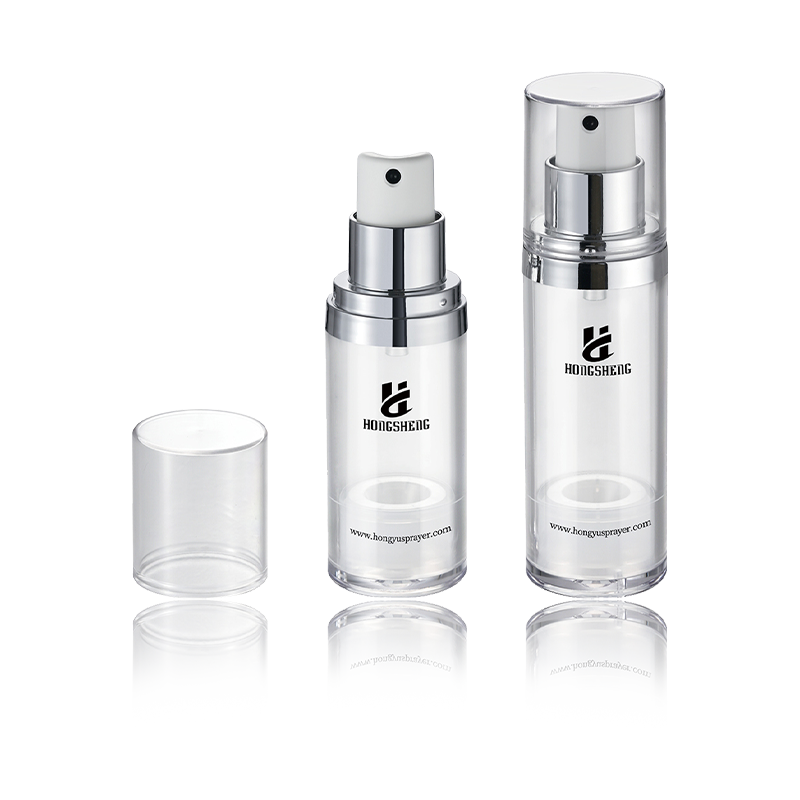
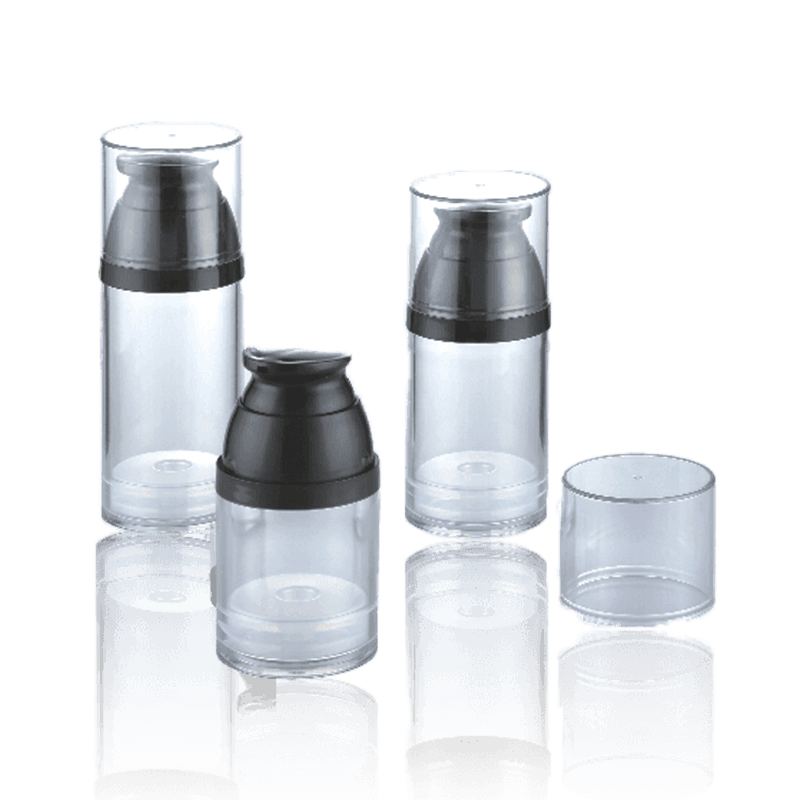
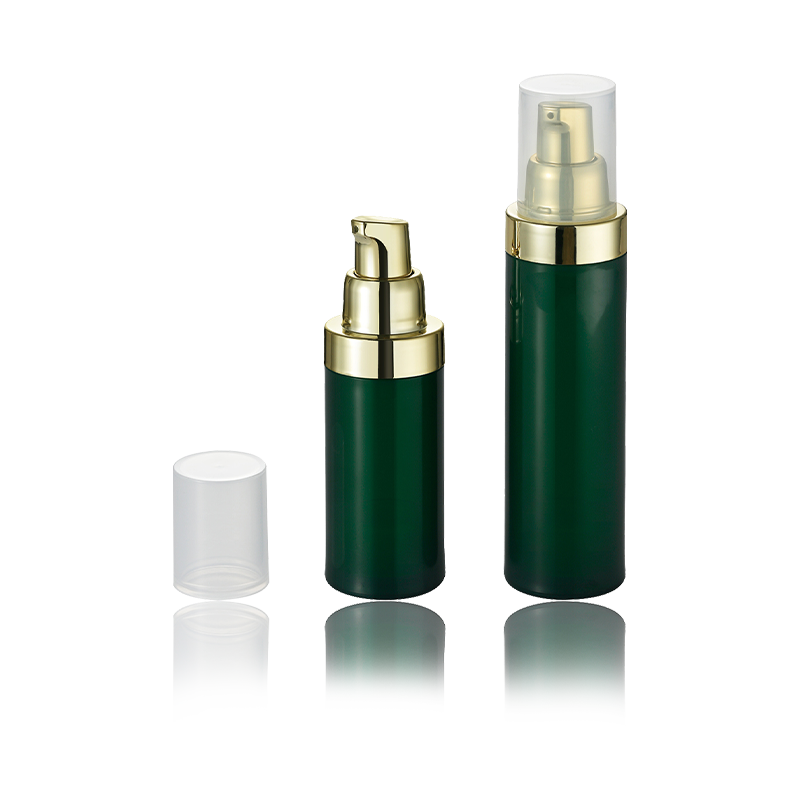
中文简体An airless pump bottle is a dispensing container that uses a vacuum-based mechanism — rather than a dip tube — to push product upward and out of the bottle without exposing the contents to air. Unlike traditional pump bottles, airless systems prevent oxidation, contamination, and product degradation, making them the preferred packaging choice for high-performance skincare serums, creams, and cosmetic formulations.
How Does an Airless Pump Bottle Work?
An airless pump bottle works by using a vacuum pressure system with a movable disc platform at the base of the container. When you press the pump head, a vacuum is created inside the chamber. This vacuum pulls a piston or disc upward, pushing the product toward the dispensing nozzle without ever allowing outside air to enter the bottle.
The core principle relies on differential pressure. The atmospheric pressure outside the sealed bottle is greater than the pressure inside, which drives the internal disc upward with each pump stroke. Because there is no dip tube and no air gap above the product, the formula remains fully sealed and protected throughout its entire shelf life.
This mechanism also ensures near-zero product waste — studies and packaging engineers estimate that airless pump systems can recover up to 95–98% of the product inside the container, compared to roughly 75–85% for conventional pump bottles with dip tubes.
Key Components of an Airless Pump Bottle
Every airless pump bottle is built from four essential parts that work together to maintain a sealed, vacuum-driven dispensing system.
1. The Outer Container (Body)
The rigid outer shell — typically made from PP (polypropylene), PETG, or acrylic — houses all internal components. It is designed to be airtight, preventing external contamination and light exposure.
2. The Inner Piston or Disc Platform
A flat disc sits at the bottom of the inner chamber. This disc rides upward as product is dispensed, maintaining constant pressure against the formula. When all product is used, the disc reaches the top of the chamber, and the bottle is effectively empty.
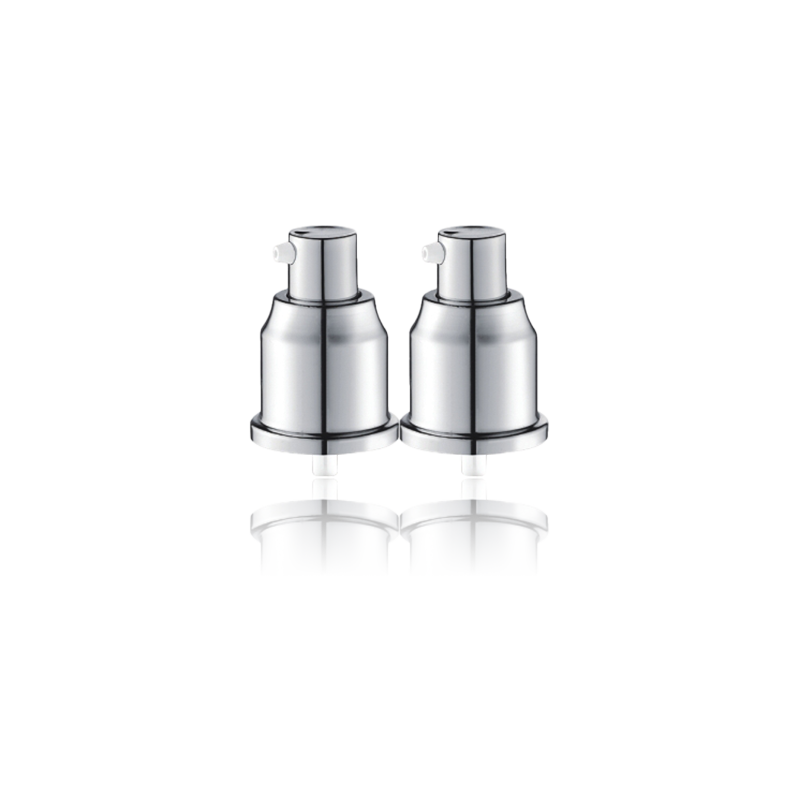
3. The Pump Mechanism
The pump head contains a small one-way valve. Pressing the actuator compresses a spring and opens the valve, releasing a precise dose of product. Releasing the pump resets the spring, and the valve closes again — maintaining the vacuum seal.
4. The Actuator / Nozzle
The actuator is the top piece that the user presses to dispense product. Its orifice size can be customized to control dispense volume — typically between 0.2 ml and 1.0 ml per stroke, depending on the application.
Benefits of Airless Pump Bottles
The primary benefit of an airless pump bottle is its ability to preserve ingredient integrity by eliminating air and microbial exposure throughout the product's use cycle. Below is a detailed breakdown of the key advantages:
- Extended Shelf Life: By preventing oxidation, airless packaging can extend the effective shelf life of active ingredients — such as Vitamin C, retinol, and peptides — by 30–50% compared to open-dispensing systems.
- Reduced Need for Preservatives: Because the formula is never exposed to air or contaminants, formulators can use lower concentrations of preservatives or replace synthetic ones with gentler alternatives, which is increasingly important in clean beauty formulations.
- Precise Dosage Control: Each pump delivers a consistent, measured amount of product, eliminating mess and ensuring consumers receive the same therapeutic dose every time.
- Maximum Product Evacuation: The vacuum-piston mechanism delivers up to 98% of the product, making airless bottles significantly more economical than jars or tube packaging.
- Hygienic Dispensing: Users never touch the product inside the bottle. This dramatically reduces bacterial contamination, making airless packaging ideal for dermatologist-formulated and medical skincare products.
- Compatibility with Sensitive Formulas: Formulas containing unstable actives — antioxidants, growth factors, stem cell extracts — are best protected in airless systems where no oxygen can degrade efficacy.
- Premium Brand Perception: Airless bottles communicate quality and innovation. Consumer research consistently shows that packaging influences purchasing decisions for over 70% of beauty buyers.
Airless vs. Traditional Pump Bottles: A Detailed Comparison
Airless pump bottles outperform traditional pump bottles in nearly every category related to formula preservation, hygiene, and product recovery.
| Feature | Airless Pump Bottle | Traditional Pump Bottle |
|---|---|---|
| Air Exposure | None (sealed vacuum system) | High (dip tube draws air in) |
| Product Recovery Rate | 95–98% | 75–85% |
| Contamination Risk | Very Low | Moderate to High |
| Preservative Requirements | Lower / Minimal | Standard to High |
| Dosage Consistency | Highly Precise | Variable |
| Suitable for Sensitive Actives | Yes — ideal | Not recommended |
| Unit Cost | Higher (premium packaging) | Lower |
| Refillable Options | Available (some models) | Widely available |
| Works Upside Down | Yes | No |
Types of Airless Pump Bottles
Airless pump bottles come in several distinct configurations, each suited to different viscosities, branding requirements, and fill volumes.
Single-Wall Airless Bottles
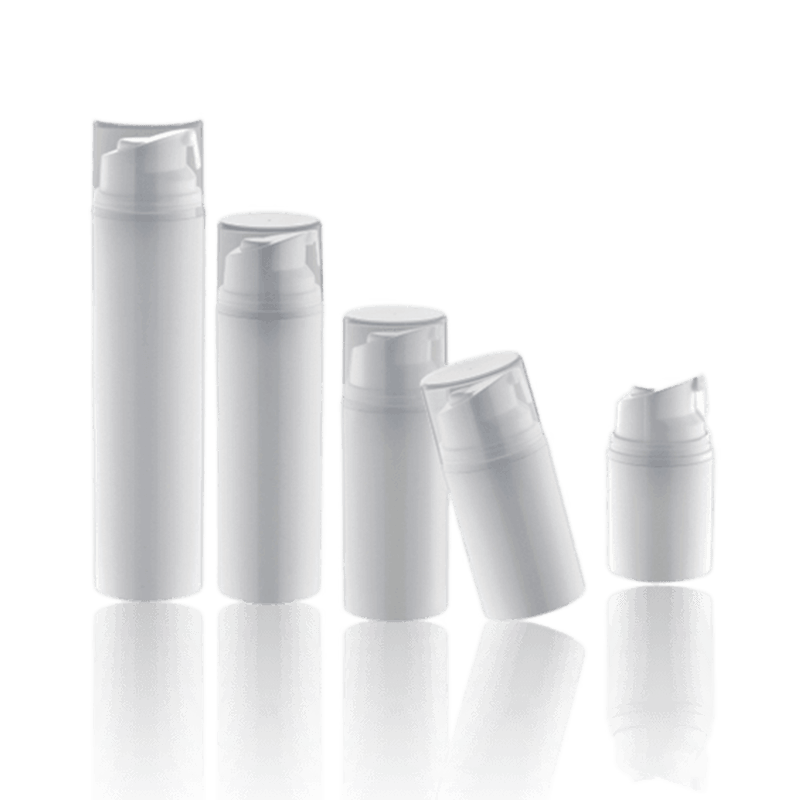
The most common type. A single outer shell contains the piston system. These are cost-effective and available in a wide range of sizes from 10 ml to 500 ml. They are the standard choice for face serums, eye creams, and moisturizers.
Double-Wall (Over-Molded) Airless Bottles
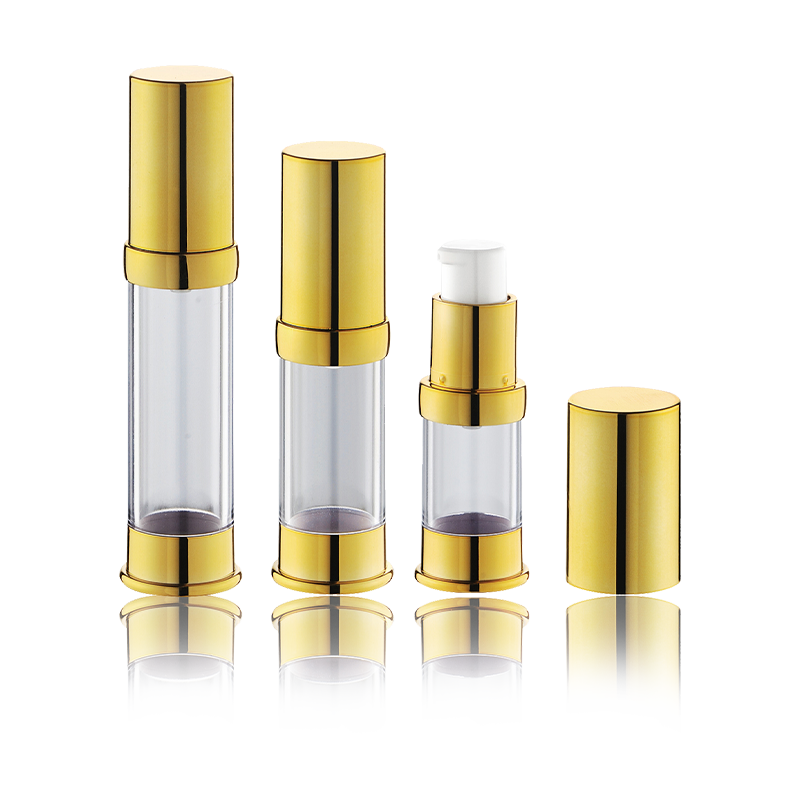
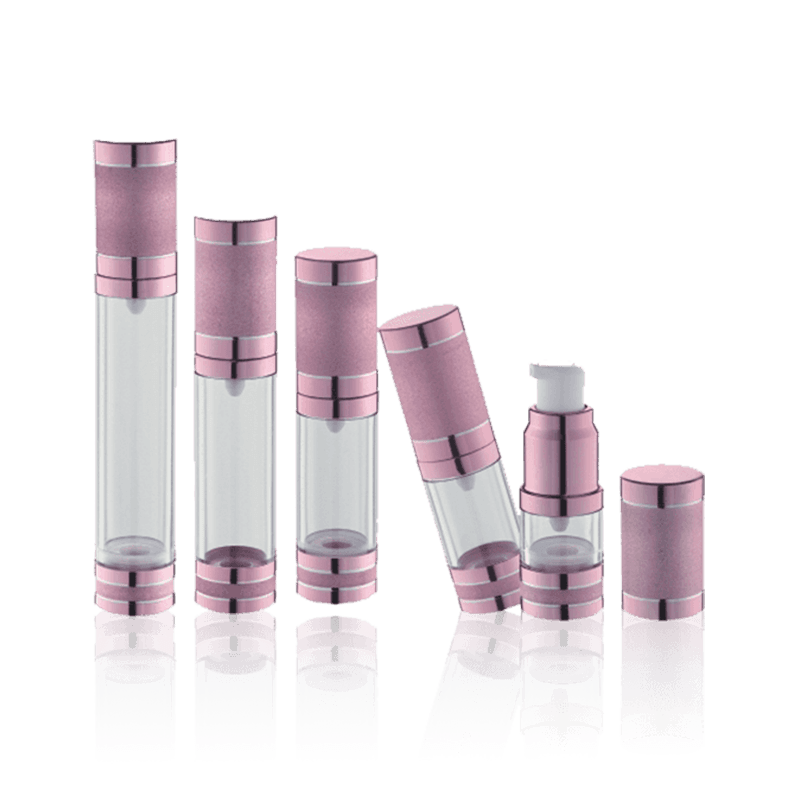
These feature a decorative outer sleeve over the functional inner bottle. The outer layer can be customized in color, texture, or material (including glass-effect acrylic), offering luxury aesthetics while maintaining the sealed airless mechanism inside.
Airless Tube Bottles
A hybrid format combining a flexible tube body with an airless pump mechanism. These are commonly used for thicker creams and lotions where squeezability and airless protection are both desired.
Refillable Airless Bottles
Designed with sustainability in mind, refillable airless bottles feature a replaceable inner cartridge. The outer shell — often made from aluminum, glass, or premium acrylic — is kept by the consumer and only the inner pod is replaced, reducing plastic waste by up to 70% per refill cycle.
Airless Jar Dispensers
A wide-mouth format that looks like a traditional jar but incorporates an airless piston inside. These are popular for thicker face creams and balms. The user presses down on the lid to dispense product upward — no pump nozzle protrudes above the container.
Common Applications and Industries
Airless pump bottles are used across skincare, pharmaceuticals, food, and professional applications wherever ingredient stability and hygiene are non-negotiable.
| Industry | Product Examples | Key Reason for Airless Packaging |
|---|---|---|
| Skincare | Vitamin C serums, retinol creams, peptide moisturizers | Prevents oxidation of unstable actives |
| Cosmetics | Foundations, BB creams, primers | Hygienic dispensing, precise coverage |
| Pharmaceuticals | Topical gels, wound care, antibiotic ointments | Sterility and dosage accuracy |
| Hair Care | Scalp treatments, growth serums, bond builders | Preserving sensitive proteins and enzymes |
| Food & Nutraceuticals | Olive oil dispensers, honey pumps, supplement gels | Freshness retention, reduced oxidation |
| Professional / Salon | Color treatment bases, peel solutions, enzyme treatments | Consistent dispensing in professional settings |
Materials Used in Airless Pump Bottles
Airless pump bottles are manufactured primarily from PP, PETG, and acrylic, with each material offering distinct advantages in clarity, chemical resistance, and sustainability.
- Polypropylene (PP): The most widely used material for the internal piston, pump mechanism, and many outer bodies. PP offers excellent chemical resistance, is lightweight, and is widely recyclable (resin code #5). It is compatible with most cosmetic and pharmaceutical formulations.
- PETG (Polyethylene Terephthalate Glycol): A crystal-clear plastic that resembles glass. PETG is favored for premium skincare packaging when transparency is required to showcase the product color or texture. It is BPA-free and has good impact resistance.
- Acrylic (PMMA): Used in luxury over-molded or double-wall designs. Acrylic provides an exceptionally high-gloss, glass-like appearance and is often used for premium retail packaging. It is heavier than PP and PETG.
- Aluminum: Increasingly used in sustainable and refillable formats. Aluminum outer shells are infinitely recyclable, resist corrosion, and provide a distinctly premium, tactile feel. The inner piston system is still typically made from PP.
- PCR (Post-Consumer Recycled) Plastics: Driven by ESG commitments in the beauty industry, many manufacturers now offer airless bottles made from 50–100% PCR content — recycled materials that maintain structural and chemical integrity comparable to virgin plastic.
How to Choose the Right Airless Pump Bottle
The right airless pump bottle is determined by five core factors: fill volume, formula viscosity, dispensing dose, aesthetic requirements, and compatibility with your formula's pH and actives.
1. Fill Volume
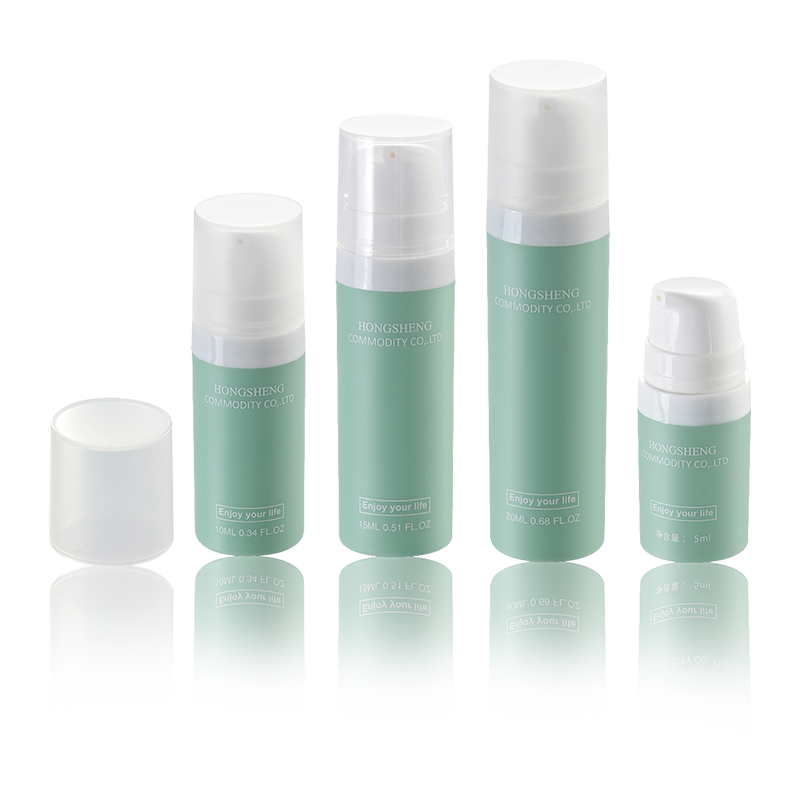
Airless bottles are available from 5 ml (deluxe sample sizes) to 500 ml (professional-use formats). For most retail skincare products, the most common sizes are 15 ml, 30 ml, 50 ml, and 100 ml. Match the fill volume to your typical usage cycle — generally 4–8 weeks of daily use.
2. Formula Viscosity
Not all airless pumps handle all viscosities equally well. Very thin serums (under 1,000 cPs) and medium-weight creams (1,000–30,000 cPs) typically work well in standard airless systems. Very thick gels and balms (above 50,000 cPs) may require wide-orifice actuators or airless jar formats to dispense smoothly.
3. Dispensing Dose
Standard airless pumps deliver between 0.3 ml and 0.5 ml per actuation. For products that require a smaller dose (eye serums, high-potency actives), opt for low-output actuators (0.15–0.2 ml). For body products, higher-output options (0.8–1.0 ml) are available.
4. Chemical Compatibility
Always conduct compatibility testing between your formula and the piston/internal components. Formulas with high concentrations of certain solvents (ethanol >70%), strong acids (pH below 3), or certain silicones may interact with standard PP pistons. Your packaging supplier should provide a compatibility chart.
5. Sustainability Goals
If your brand has eco-commitments, prioritize mono-material airless bottles (all components made from one plastic type) which are significantly easier to recycle than mixed-material designs. Refillable formats reduce your brand's total plastic footprint per consumer lifecycle by over 60%.
Frequently Asked Questions About Airless Pump Bottles
Q: Can airless pump bottles be refilled?
Yes. While many single-use airless bottles are not designed for consumer refilling, a growing category of refillable airless pump bottles is available. These use a replaceable inner cartridge system. Even standard airless bottles can often be manually refilled by gently lifting the piston from the base, though this is not recommended for maintaining sterility.
Q: Why is my airless pump not working or dispensing?
This is most often caused by an air lock during initial priming. To fix: hold the bottle upright and press the pump 10–15 times rapidly to build vacuum pressure. If the bottle is new, check whether a shipping lock tab needs to be removed from the pump. For thick formulas, warming the bottle in your hands for 30 seconds can also improve flow.
Q: Are airless pump bottles better than regular pump bottles for skincare?
For formulas containing active ingredients that oxidize or degrade with air exposure — such as Vitamin C, retinol, niacinamide, and growth factors — airless pump bottles are significantly superior. For simple, preservative-rich formulas like body wash or shampoo, the added cost of airless packaging may not be justified.
Q: How do I know when an airless pump bottle is empty?
The pump will stop dispensing and the actuator will feel noticeably lighter with no resistance. In transparent bottles, you can see the disc has risen nearly to the top of the bottle. Unlike traditional pumps, you cannot shake remaining product down — the disc mechanism ensures all product has already been pushed to the pump orifice.
Q: Are airless pump bottles eco-friendly or recyclable?
Standard multi-component airless bottles are difficult to recycle because they combine PP, metal springs, and sometimes PETG or acrylic in one unit. However, mono-material and refillable airless formats are available and offer significantly better environmental credentials. The packaging industry is actively developing fully recyclable airless designs as part of broader sustainability commitments.
Q: Can airless pump bottles be used for thick creams and butters?
Yes, but selection matters. Very thick formulas (above 50,000 cPs, such as body butters and rich balms) require wide-orifice actuators and a larger piston surface area to generate sufficient vacuum pressure. For these applications, airless jar dispensers are often a more reliable format than tall upright bottles.
Q: What is the typical minimum order quantity (MOQ) for custom airless pump bottles?
For stock (off-the-shelf) airless bottles, MOQs can be as low as 500–1,000 units. For custom-molded bottles with unique shapes, colors, or branding, MOQs typically start at 5,000–10,000 units and require 60–120 days for tooling and production.
Conclusion: Is an Airless Pump Bottle Right for Your Product?
If your formula contains any ingredient that can oxidize, degrade, or become contaminated through repeated air exposure, an airless pump bottle is not merely a packaging upgrade — it is a functional necessity. The vacuum-driven piston system preserves potency, extends shelf life, reduces contamination, and delivers a precise, hygienic dose every time.
For brands, the decision to invest in airless packaging signals quality, innovation, and consumer respect — values that resonate strongly in today's premium beauty, wellness, and pharmaceutical markets. With the rise of mono-material and refillable airless formats, there has never been a better time to make the switch.