
 English
 中文简体
中文简体The airless bottle market is growing steadily, but the exact numbers depend on which report you read. Across recent industry studies, the global airless packaging market is expected to grow at a compound annual growth rate (CAGR) between roughly 5% and 7% over the next ten years, moving from approximately USD 7 billion in 2024 toward USD 10–13 billion by the mid-2030s. For brands and procurement teams, the conclusion is the same: airless bottles have moved from a premium specialty into a mainstream packaging category.
What Counts as an Airless Bottle in This Market
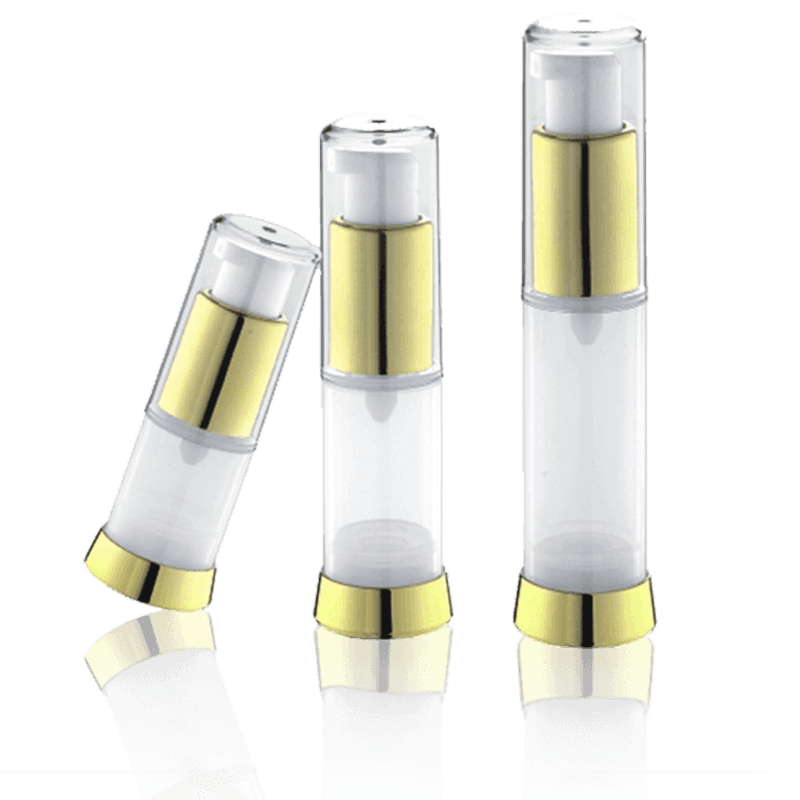
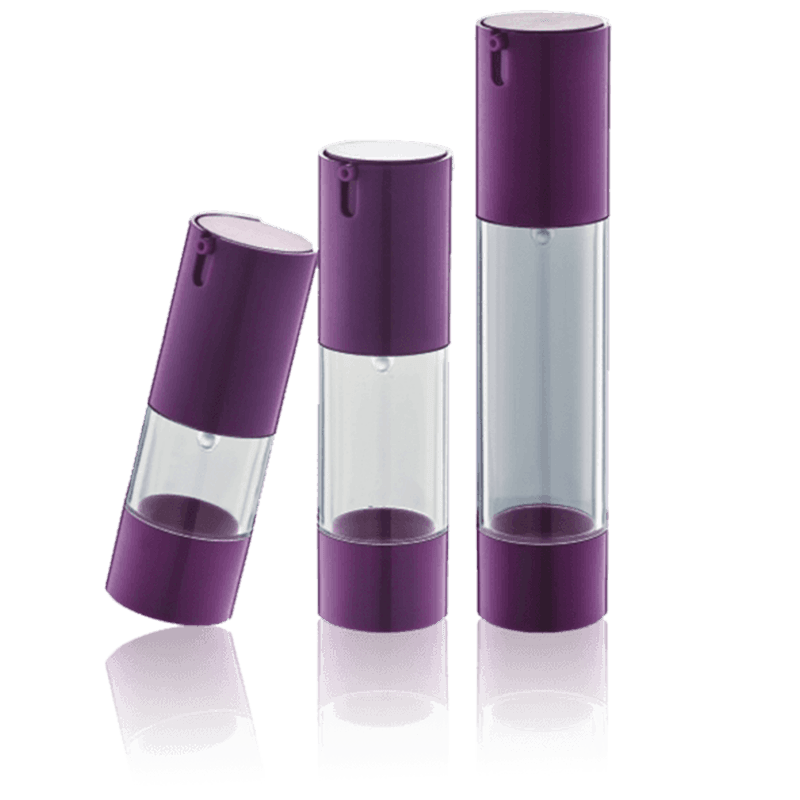
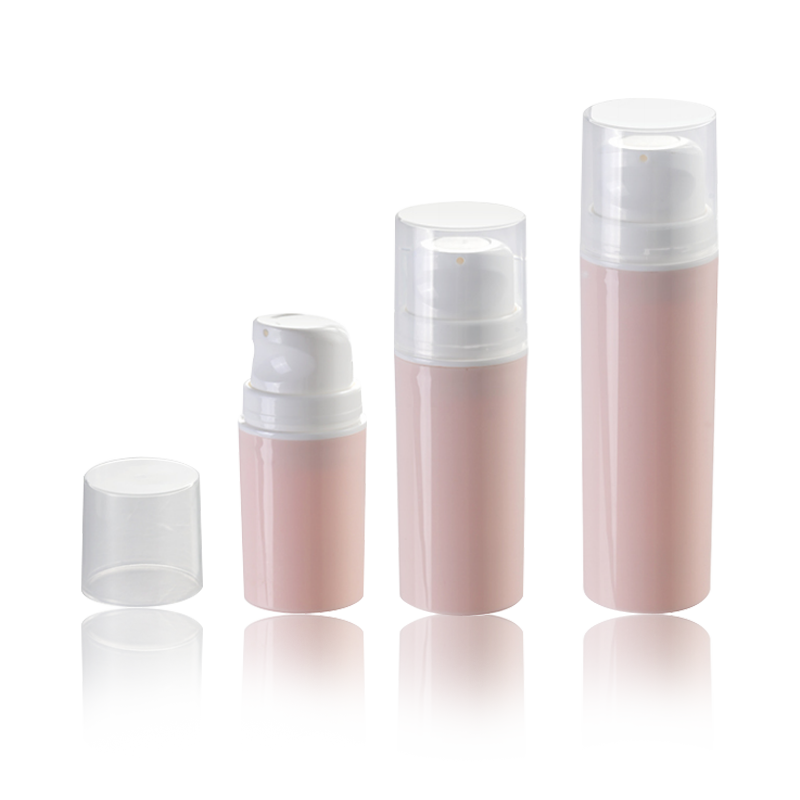
An airless bottle is a dispensing container that uses a piston, diaphragm, or collapsible inner bag to push product out without letting outside air flow back in. The key difference is inside: no dip tube.
- Standard airless bottles with piston
- Airless jars
- Airless tubes
- Dual-chamber airless bottles
Typical capacities range from below 15 ml to above 50 ml; the 15–30 ml and 30–50 ml ranges cover most skincare applications. Plastics (PP, PE, PET/PETG, acrylic) dominate the material mix, with glass and PCR plastic used for higher-end and sustainability-oriented lines.
Airless Bottle Market Size and Growth Forecast
The airless bottle market is growing at a 5–7% CAGR through the next decade, although the total market value varies by report scope and definition.
| Market Scope | Base Value | Forecast Value | Period | CAGR |
|---|---|---|---|---|
| Global airless packaging market | USD 7.33B (2024) | USD 13.04B (2035) | 2024–2035 | 5.38% |
| Acrylic airless bottle market | USD 1.90B (2026) | USD 2.97B (2033) | 2026–2033 | 6.6% |
| Airless dispenser market | USD 6.27B (2024) | USD 10.86B (2032) | 2025–2032 | 7.10% |
| Airless bottle market | USD 2.58B (2025) | Not disclosed | 2026–2032 | 5.4% |
Main Growth Drivers in the Airless Bottle Market
Four forces explain why airless bottles are taking share from conventional packaging: cleaner formulations, active ingredient protection, premium product positioning, and growing pharmaceutical interest.
- Preservative-free and clean beauty formulas need packaging that limits microbial contamination. Airless systems allow that without relying on harsh preservatives.
- Heat- and oxygen-sensitive actives such as vitamin C, retinol, and peptides degrade quickly in traditional pump bottles. Airless dispensing slows that degradation and extends shelf life.
- Premium brands use the heavier, mechanically precise feel of an airless bottle to justify a higher price point.
- Pharma and clinical skincare benefit from metered dosing and a higher level of protection.
What Limits Airless Bottle Adoption
Cost and recyclability are the two biggest restraints, and both can be addressed through good design.
- Airless systems have more components than a simple PET bottle with a cap, so unit cost is higher.
- Mixed-material construction (piston, spring, pump, decorative overcap) makes recycling harder; this conflicts with procurement targets for recyclable packaging.
- Consumer familiarity: buyers who are used to clear pump bottles may need education about why airless is worth the extra cost.
Segment Insights: Product Type, Capacity, Material, and End Use
The most practical way to read the segment data is to follow the formulation: serums go into standard airless pump bottles, thick creams go into airless jars, and clinical or multi-dose products push demand for tubes and dual-chamber formats.
| Dimension | Leading Segment | Fastest-Growing Segment | Key Takeaway |
|---|---|---|---|
| Product type | Standard airless bottles | Airless tubes and dual-chamber | Standard formats dominate; new formats grow as product logic requires |
| Capacity | 15–30 ml | 30–50 ml | Serum and moisturizer sizes carry the core volume |
| Material | Plastic (PP, PE, PETG) | Acrylic, glass, PCR plastic | Plastic leads on cost; premium and ESG goals favor alternatives |
| End-use | Cosmetics and personal care | Pharmaceuticals | Clinical skincare and pharma are the next expansion |
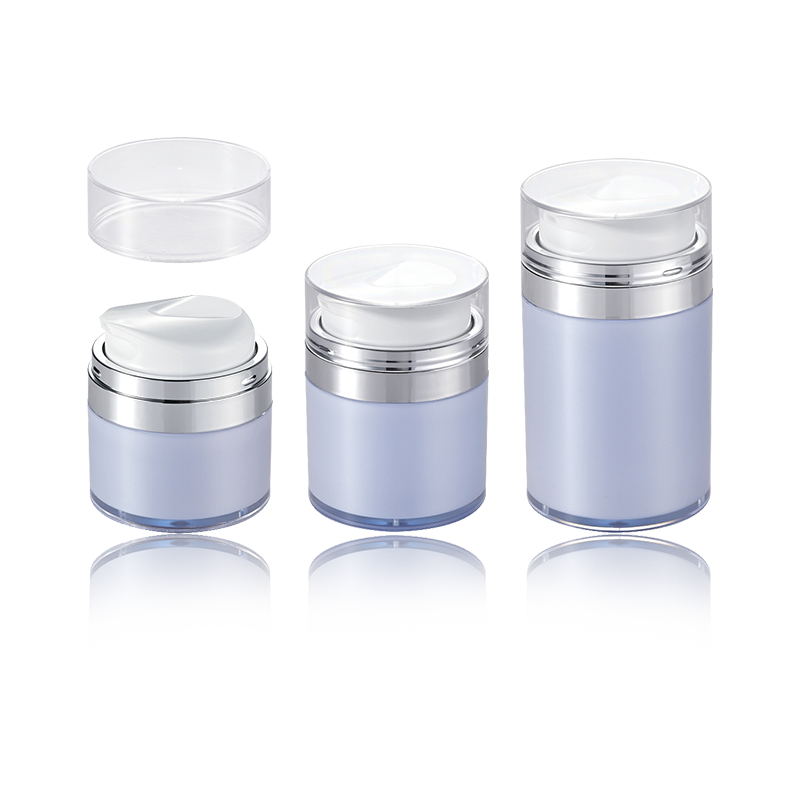
When the formulation is a thick cream, the pump-and-piston logic does not work as well; brands switch to jar formats, such as this cream jar packaging series, which keeps the preservation advantage in a format that matches consumer scooping habits.
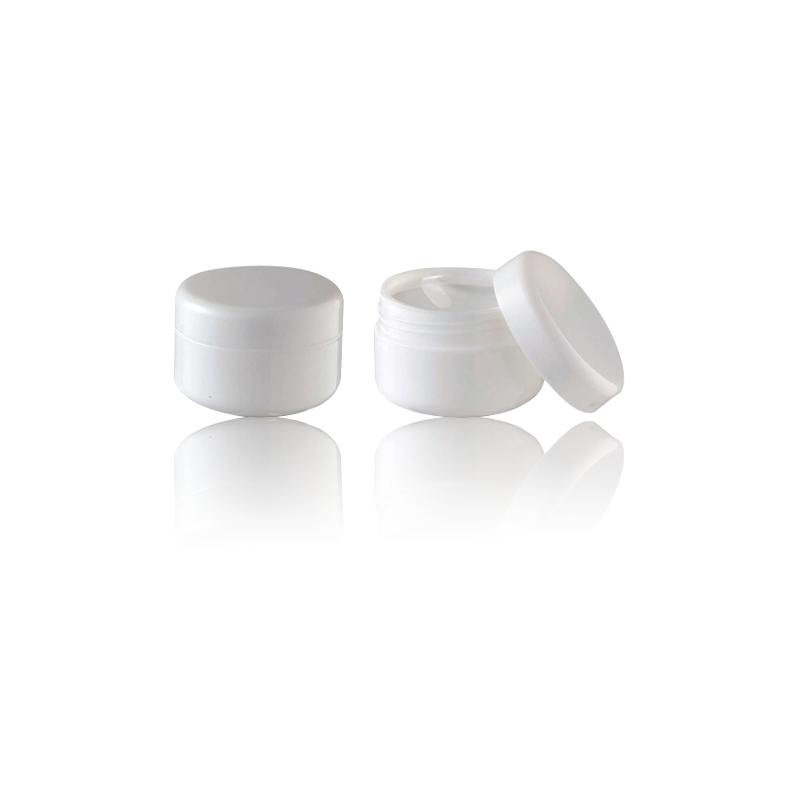 wholesale 50ML Frosted texture Cream Box Series-PJ-002A Suppliers, OEM Company -Yuyao Hongsheng Commodity Co., Ltd is China OEM 50ML Frosted texture Cream Box Series-PJ-002A suppliers and 50ML Frosted texture Cream Bo...View Product →
Regional Trends in Airless Bottle Demand
North America and Europe lead in per-capita airless bottle consumption, while Asia Pacific is the fastest-growing region for both production and consumption. The United States alone accounted for roughly USD 594 million in 2024 and is projected to reach about USD 970 million by 2033, according to one regional analysis.
In the United States, the market is driven by prestige skincare and DTC beauty brands. Europe applies the strictest sustainability requirements, which is pushing manufacturers toward recyclable airless designs and PCR materials. Asia Pacific benefits from a strong packaging manufacturing base and a fast-growing middle class; the same region is also where most airless bottles are produced for export.
Supply Chain Considerations: Bottle, Pump, and Cap Integration
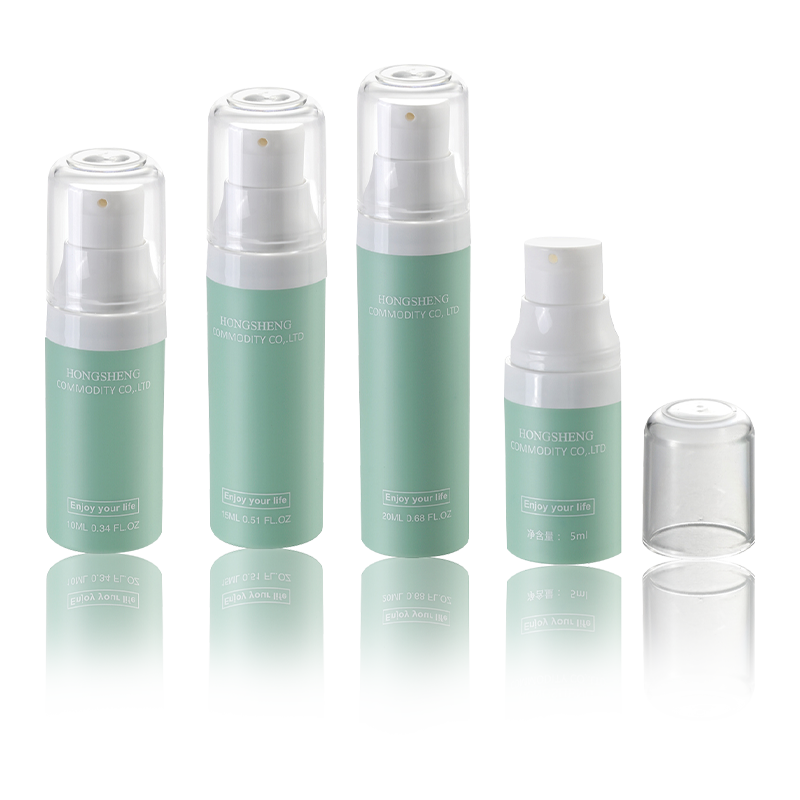
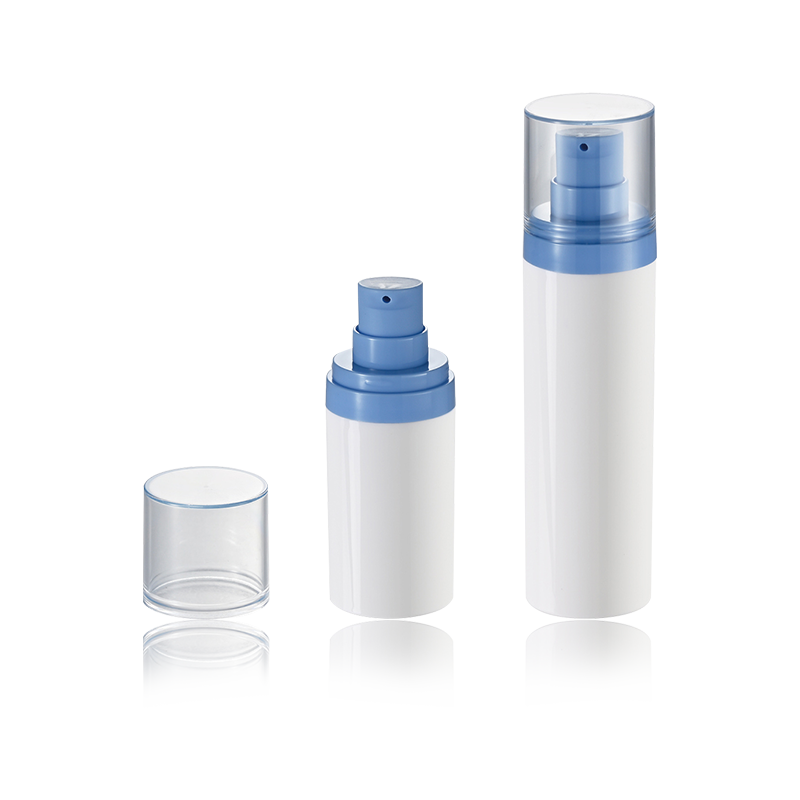
An airless bottle is a system, not a single part, so sourcing bottle, pump, piston, and cap from one integrated manufacturer reduces compatibility risk and shortens development cycles. When a formula is a standard serum or lotion, a piston-based airless vacuum bottle series is usually the shortest path to market.
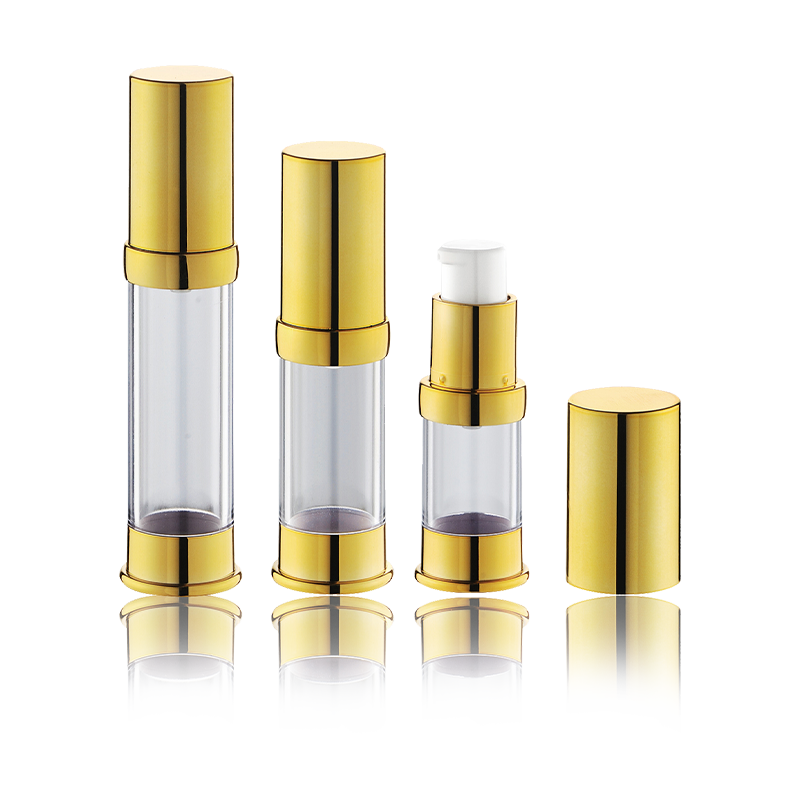 wholesale 5ML 10ML 15ML Precise quantity control Airless Bottle-HS-001A SupplierYuyao Hongsheng Commodity Co., Ltd is China OEM 5ML 10ML 15ML Precise quantity control Airless Bottle-HS-001A suppliers and 5ML 10ML 15ML...View Product →
Factories that combine mold design, injection molding, printing, electroplating, and assembly in-house can produce pilot samples faster and keep quality control under one roof; the practical side of that workflow is covered in our guide to cosmetic airless bottles.
How to Evaluate an Airless Bottle Supplier
Supplier evaluation should begin with formulation compatibility, then move to pump performance, residual waste, and commercial terms.
- Run compatibility tests: fill the bottle with the actual formula and check for leakage, spring corrosion, and chemical interaction with the piston material.
- Measure pump accuracy: dose volume per stroke, draw-back behavior, and percentage of residual product left in the bottle.
- Review material compliance: request recyclability data, PCR content availability, and certificates for cosmetic contact.
- Confirm commercial flexibility: minimum order quantities, lead times, printing and surface finish options, and whether the manufacturer supports sample-based customization.
Future Outlook and Priorities
The next stage of airless bottle development will be defined by sustainability, with PCR content, mono-material designs, and refillable formats moving from differentiators to table stakes. Pharmaceutical adoption will expand the market beyond cosmetics. Meanwhile, brands that invest early in cleaner airless formats will have a supply-chain advantage as regulations tighten.
Frequently Asked Questions
What is the difference between an airless bottle and a regular pump bottle?
A regular pump bottle uses a dip tube; after each use, air refills the tube space, which exposes the remaining formula to oxygen. An airless bottle uses a piston or diaphragm to push product upward, so the formula never comes into prolonged contact with air.
Are airless bottles recyclable?
Most airless bottles are made from PP or PE and can be recycled if the pump and piston are separated. The market is moving toward mono-material designs and PCR content to make recycling easier, but the metal spring inside many pumps still requires dismantling before recycling.
What size airless bottle is best for a serum?
15–30 ml is the standard range for facial serums, while 30–50 ml is common for moisturizers and larger skincare formats. Choosing a size that matches the expected usage period helps preserve active ingredient potency.
Can airless packaging handle high-viscosity creams?
Yes. High-viscosity creams are better served by airless jars or airless bottles with a cream pump head rather than a standard lotion pump. The right pump head diameter directly affects dosing consistency and consumer experience.