
 English
 中文简体
中文简体Yes, you can put liquid in an airless bottle, but the liquid must be thick enough to push the piston smoothly. Water-thin formulas such as toners, micellar water, and alcohol-based mists are risky choices because they can slip around the piston and leak. Well-behaved liquids for airless packaging include serums, essences, lotions, gels, light creams, and most emulsions. This article explains the viscosity limits that matter, how the mechanism works, how to refill an airless bottle, and how to select the right container for your formula.
What Liquids Can You Put in an Airless Bottle?
The short answer is that any liquid with light-to-medium thickness will perform well in an airless bottle: facial essences, serums, lotions, milky emulsions, gels, sunscreens, foundations, body lotions, and lightweight creams. These products have enough viscosity to maintain constant contact with the rising piston, so the pump dispenses an even dose without pulling air back into the container. Very thin liquids, in contrast, can pass through the gap between the piston and the bottle wall, which is why the question "can you put liquid in an airless bottle" has a qualified answer: yes for most liquid skincare, no for watery toners and sprays.
| Product type | Typical texture | Airless compatibility | Best alternative |
|---|---|---|---|
| Water-thin toner, micellar water, spray mist | Very low viscosity | Poor; can leak past the piston | Dip-tube spray or open-neck bottle |
| Light serum or facial essence | Low viscosity | Good | Small airless bottle with low-output pump |
| Lotion or milky emulsion | Medium viscosity | Excellent | Standard airless bottle |
| Gel or light cream | Medium-high viscosity | Excellent | Standard or wide-neck airless bottle |
| Rich cream or balm | High viscosity | Good, if the pump is rated for thick products | Airless jar or cream jar |
| Facial or body oil | Low-medium, slippery | Conditional; requires oil-resistant seals | Standard pump with dip tube |
Airless bottles are also a natural fit for active formulas such as vitamin C, retinol, and peptides, because the sealed chamber keeps oxygen out during the entire service life. That is a real benefit for liquids that oxidize quickly, and it explains why so many premium serums are packaged in airless containers despite the slightly higher unit cost.
Why Viscosity Decides Whether the Liquid Will Leak
An airless bottle has no dip tube, and that is exactly why viscosity determines whether the liquid leaks. A piston at the base rises as product is dispensed, and the pump draws liquid directly from the bottom of the chamber. Because the piston moves only when the liquid is viscous enough to push it upward, very watery products lose contact with the piston and seep around its edge. That causes the two most common complaints: leaks at the pump and inconsistent dosing during the first few presses.
The second factor is chemistry. High-alcohol formulas can soften the silicone or polypropylene parts commonly used in airless pumps, and volatile solvents can create internal pressure. Before filling a production batch, check that the pump seal materials resist your formula. More detail on the internal construction is available in our guide on how cosmetic airless bottles work.
Liquid Types That Should Stay Out of an Airless Bottle
Four categories should be avoided unless the bottle and pump are specially engineered for them:
- Water-thin toners, eye makeup removers, and micellar water, because they leak past the piston and create air pockets.
- High-alcohol mists and perfumes, because they can degrade pump seals and increase evaporation loss.
- Carbonated or gas-releasing liquids, because internal pressure can force the piston back or damage the valve.
- Liquids with coarse particles or suspended powders, because they can clog the pump and scratch the inner wall of the bottle.
If your product falls into any of these categories, a classic lotion pump with a dip tube or a spray closure is the safer and more economical packaging route.
Can You Refill an Airless Bottle with Liquid?
Yes, you can refill an airless bottle, but you cannot simply open the pump and pour liquid in from the top as you would with a dip-tube bottle. A complete refill takes about five minutes and is best done with the piston pushed back to the base.
- Remove the pump by twisting the collar counter-clockwise.
- Use a clean, blunt tool to push the piston down to the bottom of the bottle.
- Rinse the bottle with warm water and mild detergent, then let it dry completely.
- Fill from the top or from the base using a funnel or a refill syringe, leaving about 10 percent headroom.
- Replace the pump, tighten the collar, and press two or three times until the liquid flows steadily.
Refilling is popular with consumers who buy bulk refills, and it is also useful for internal formula staging. From a brand perspective, a refillable airless design reduces packaging waste and supports sustainability claims. Just remind users that the piston must be reset before filling; otherwise the bottle will hold only a fraction of its intended volume.
How to Choose an Airless Bottle for a Liquid Formula
Match the pump output, seal material, and piston travel to the liquid's viscosity and chemistry, then run a fill test before ordering large quantities. For a lightweight serum, choose a small-capacity airless bottle with a low-output pump so each press delivers a controlled dose. For lotions and creams, a wider neck and a longer piston stroke give the thicker product more room to flow. For oils, confirm that the gasket and inner parts are oil-resistant; silicone and polyethylene are common safe choices.
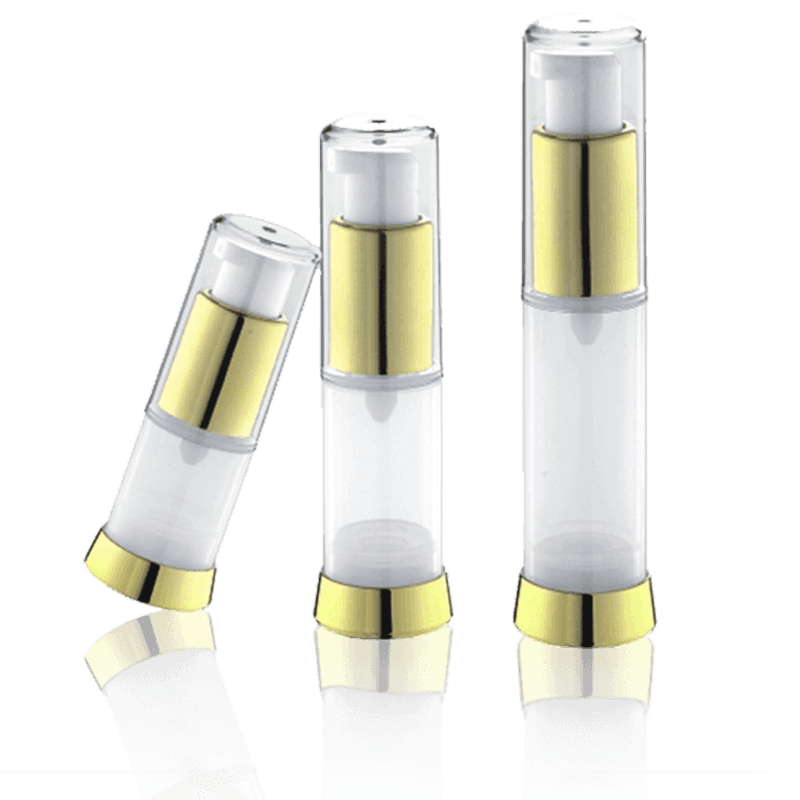
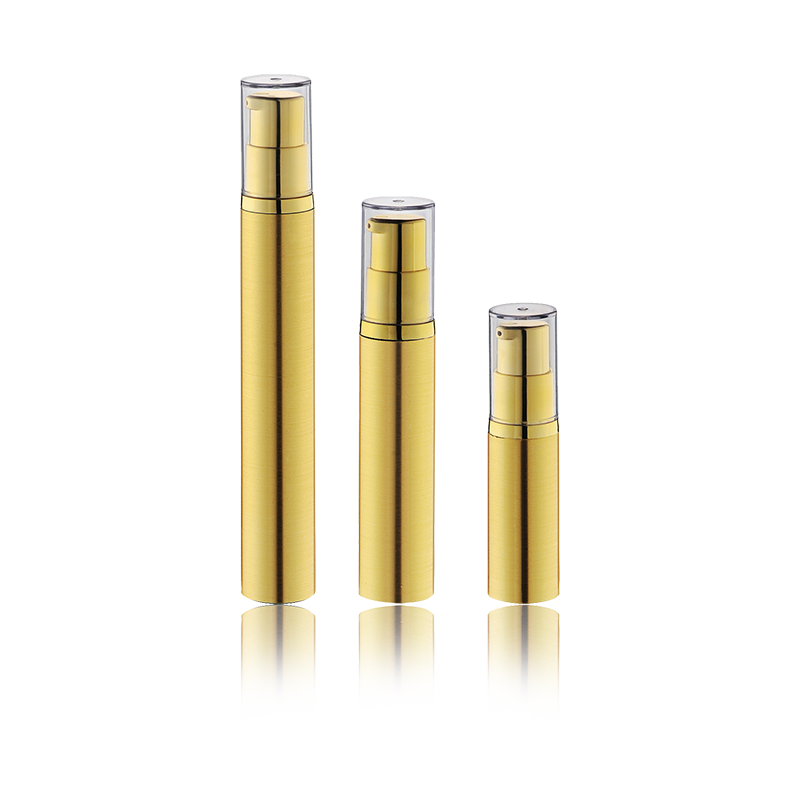
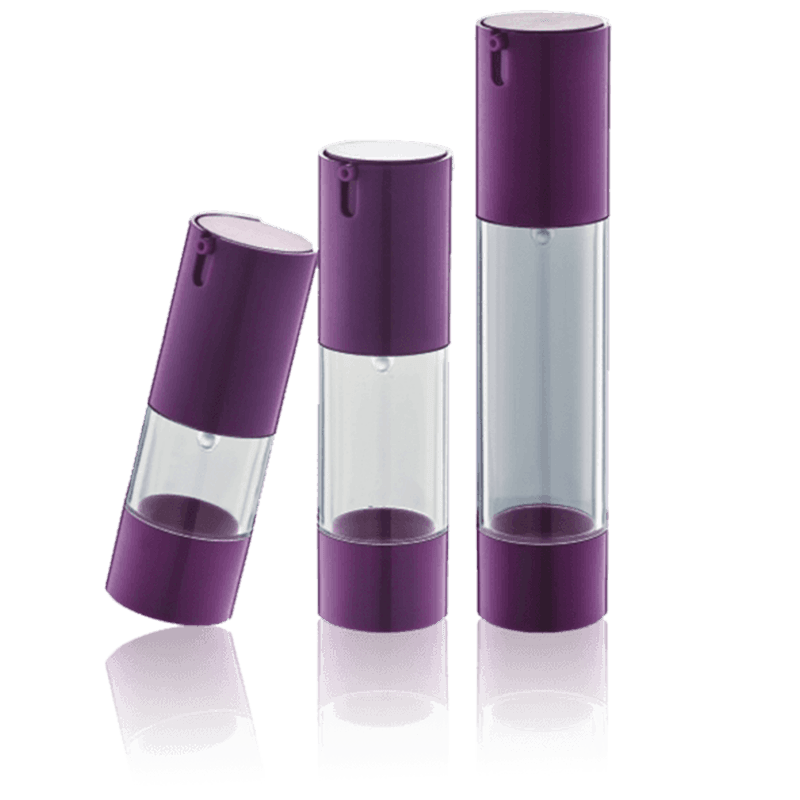
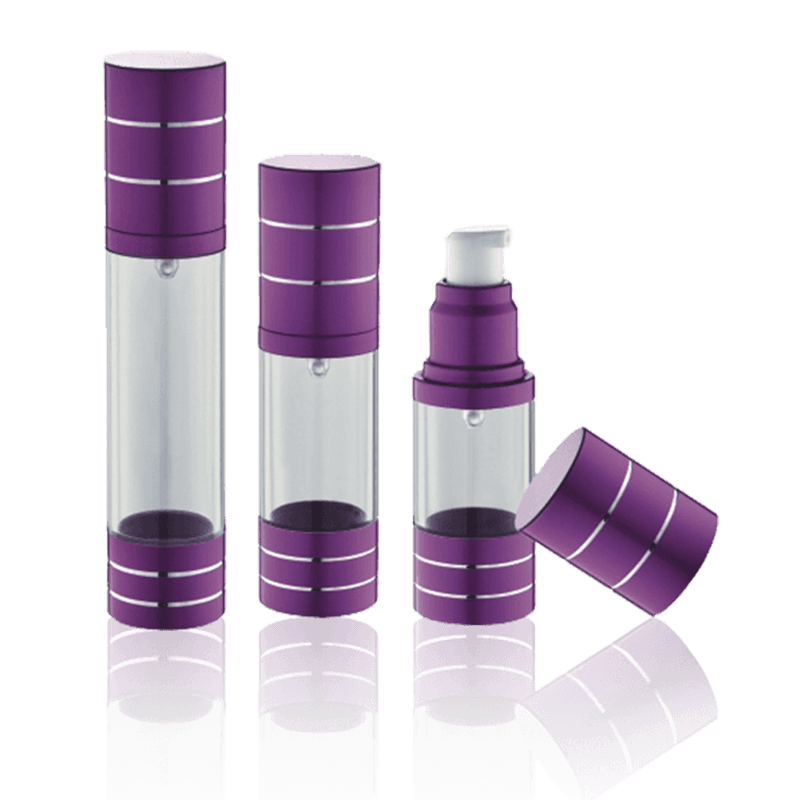
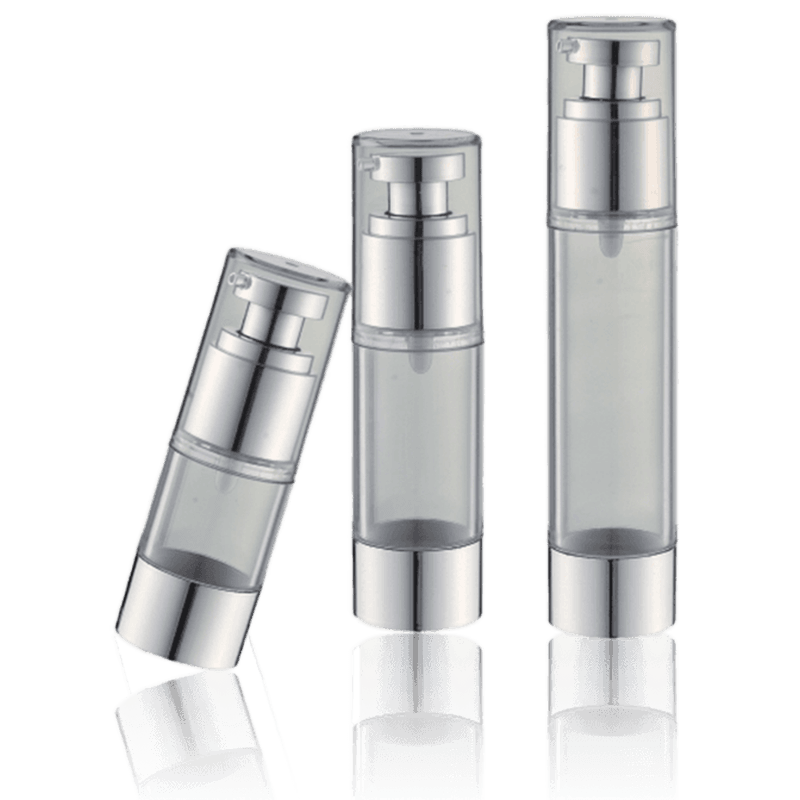
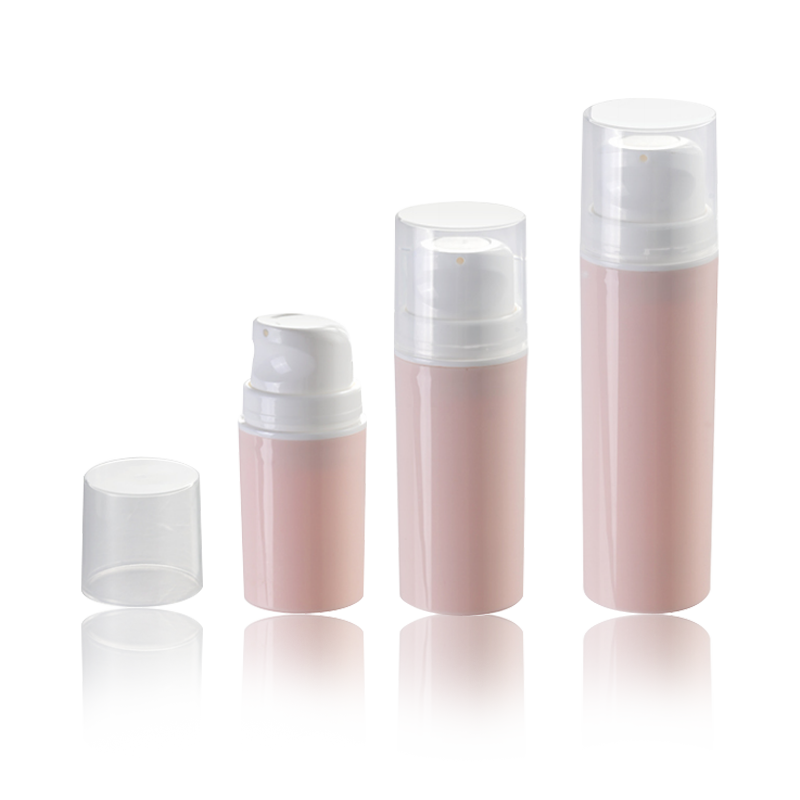
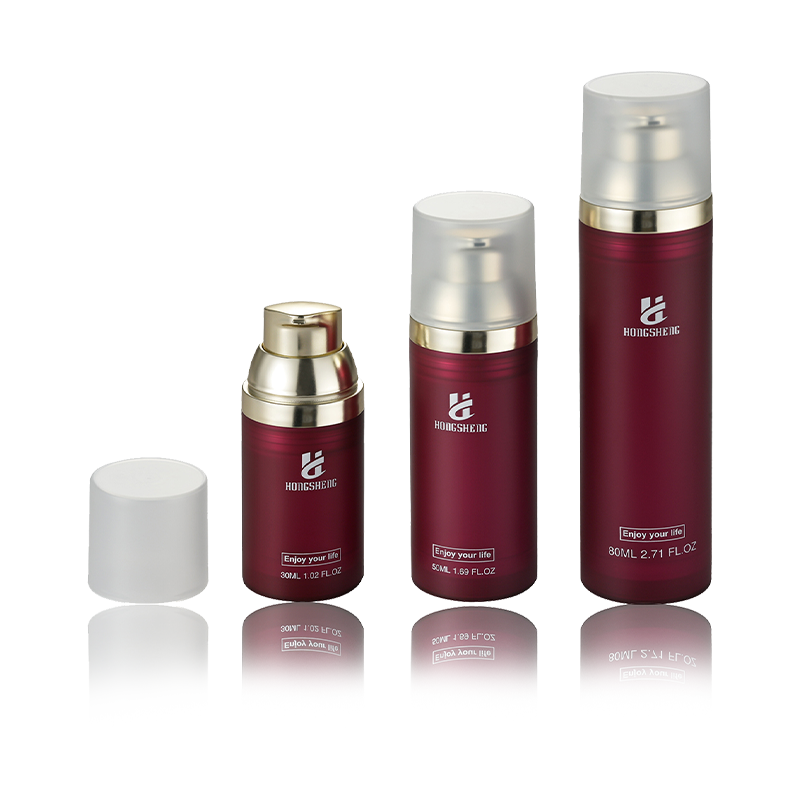
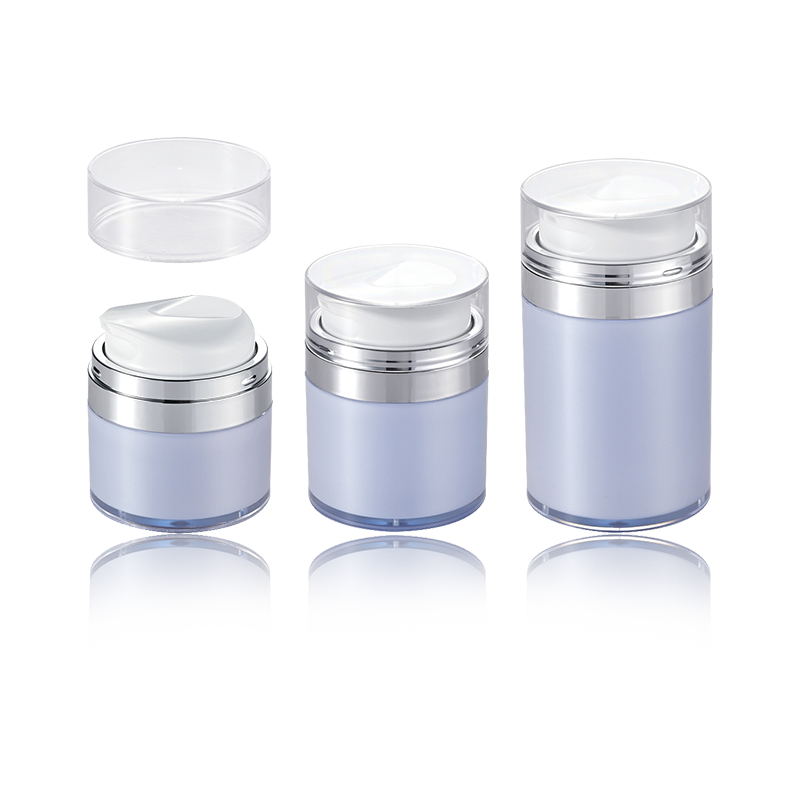
At our production facility in Yuyao, we make the HS001A airless vacuum bottle for lightweight serums and essences, and the HS005A airless bottle for thicker lotions and creams. If your formula is on the borderline between liquid and cream, test it with the HY18A lotion pump from our liquid distributor series, which offers a different pump geometry and output rate. As an OEM supplier, we recommend ordering samples of two or three candidates and filling them with your actual product; the fill test will reveal leaks, air pockets, and dosing issues long before your production run. You can also browse our vacuum bottle range to compare capacities and finishes.
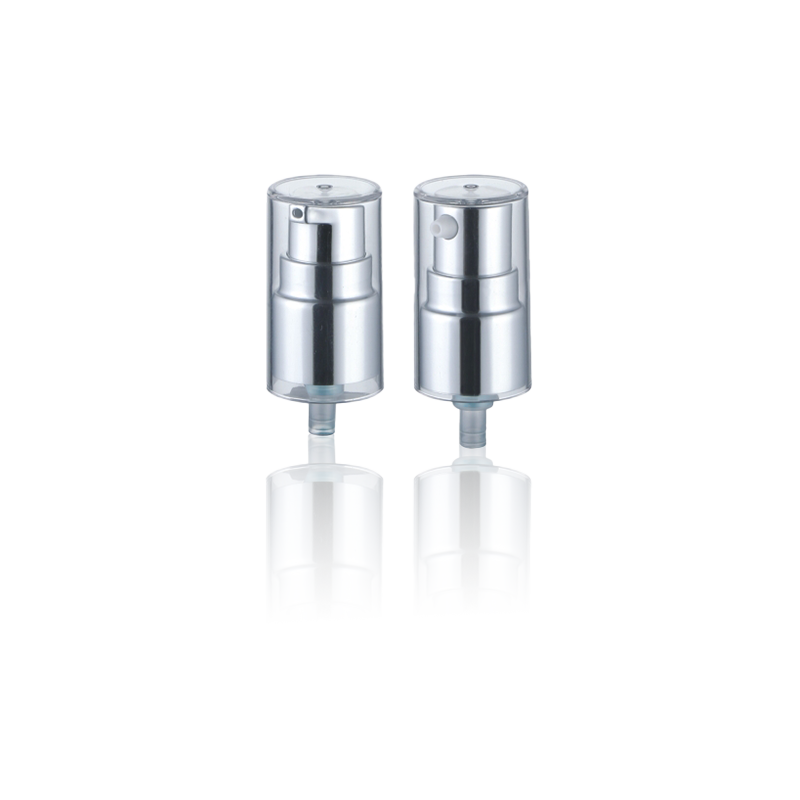 wholesale Cosmetic Pump Dispenser Liquid Distributor-HY18A-01 Suppliers, OEM ComYuyao Hongsheng Commodity Co., Ltd is China OEM Cosmetic Pump Dispenser Liquid Distributor-HY18A-01 suppliers and Cosmetic Pump Dispenser...View Product →
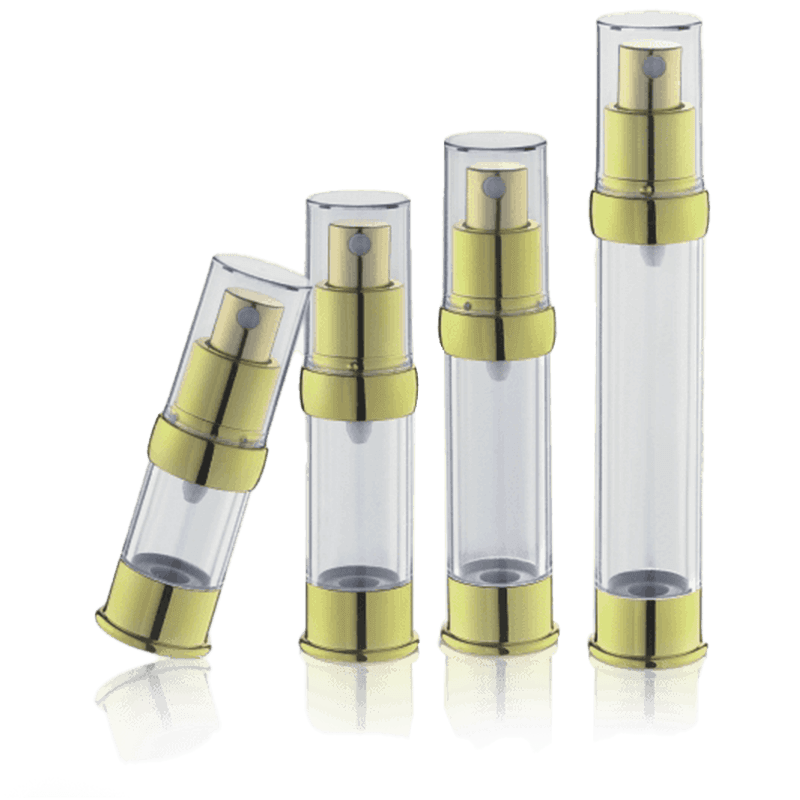 wholesale 10ML-30ML Minimalist travel Airless Bottle-HS-005A Suppliers, OEM CompYuyao Hongsheng Commodity Co., Ltd is China OEM 10ML-30ML Minimalist travel Airless Bottle-HS-005A suppliers and 10ML-30ML Minimalist tra...View Product →
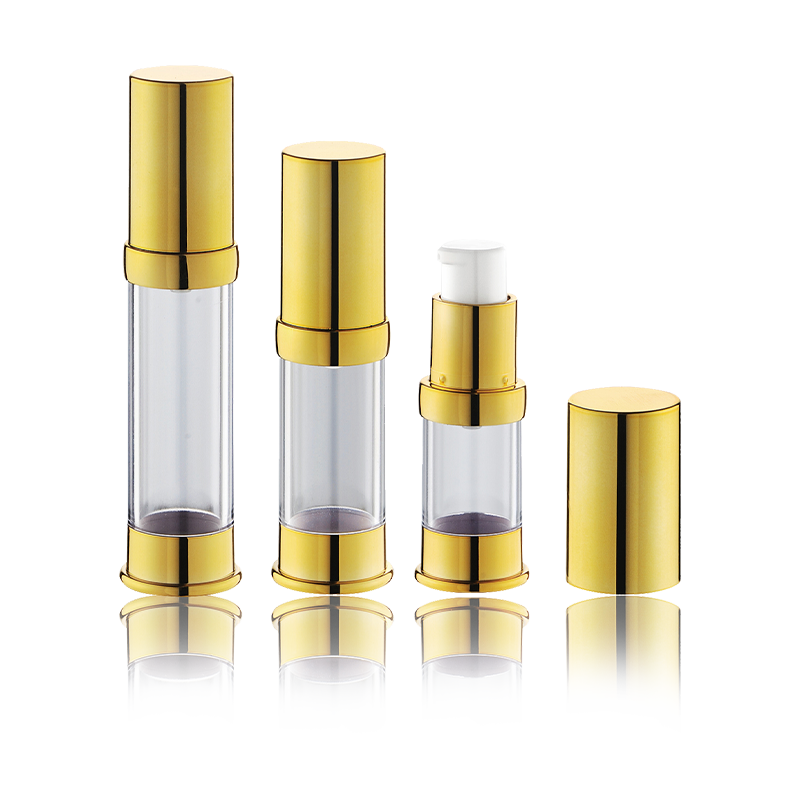 wholesale 5ML 10ML 15ML Precise quantity control Airless Bottle-HS-001A SupplierYuyao Hongsheng Commodity Co., Ltd is China OEM 5ML 10ML 15ML Precise quantity control Airless Bottle-HS-001A suppliers and 5ML 10ML 15ML...View Product →
Airless Bottle vs. Standard Pump Bottle for Liquids
The tie-breaker is simple: choose airless when the formula needs protection from air and oxidation, and choose a standard dip-tube pump when the liquid is too thin to move a piston reliably.
| Feature | Airless bottle | Standard pump bottle |
|---|---|---|
| Dispensing system | Piston plus pump, no dip tube | Dip tube plus pump |
| Air exposure | Air never enters the main chamber | Air enters as the liquid level drops |
| Best viscosity | Low to high, with a matching pump | Very thin liquids handled well |
| Waste at the end | Very little product remains | A few drops usually remain in the tube |
| Refill process | Piston must be reset first | Simply unscrew, pour, and reassemble |
FAQ: Can You Put Liquid in an Airless Bottle?
Can you put water in an airless bottle?
Physically yes, but plain water is too thin. It does not push the piston evenly, so it tends to leak and sputter. If you need a watery formulation, add a thickener or switch to a dip-tube pump.
Can you put oil in an airless bottle?
Yes, with caution. Oils are slippery and can pass the piston if the seal is not tight. Use an airless bottle with an oil-resistant gasket, choose a low-output pump, and test it with the exact oil you plan to sell.
Why is my airless pump not dispensing liquid?
The most common causes are an air lock in the chamber, a piston that was not reset to the base, or a product that is too thick for the pump. Prime the pump again; if nothing comes out, remove the pump, check the piston position, and refill.
How do you fill an airless bottle without a funnel?
Use a syringe with a blunt needle or a refill nozzle that pushes the piston down while filling. You can also pour slowly in a thin stream from the original bottle, but the piston must already be at the base.
In short, liquid does belong in an airless bottle when its viscosity sits in the light-to-medium range. Serums, essences, lotions, gels, and light creams deliver their best dispensing experience in an airless package, while water-thin formulas need a different pump system. Whatever you choose, testing the actual formulation in the actual bottle is the only way to confirm airtight performance, minimal waste, and a clean customer experience.